


Dogecoin (DOGE) is no longer just a tipping tool, but it has transitioned into a global medium of exchange used for everything from buying Tesla merchandise to funding space missions. What started as a viral joke in 2013 has evolved into a cornerstone of the cryptocurrency market, boasting fast block times, negligible fees, and a community-driven meme coin that few other blockchain projects can match.
As the ecosystem matures, so do the threats. Choosing a Dogecoin wallet in 2026 is about more than just a pretty interface. It’s about establishing a “security boundary” that protects your wealth from an increasingly sophisticated landscape of digital threats.
In this comprehensive guide, we explore the best Dogecoin wallets for 2026, the rigorous criteria we use to rank them, and how to choose the best fit for your specific crypto journey.
Key Takeaways
- Hardware wallets remain the undisputed gold standard. For significant DOGE holdings, cold storage is the only way to ensure your private keys never touch an internet-connected device, neutralizing the risk of malware and remote hacks.
- Software wallets provide essential agility. If you use DOGE for frequent tipping or daily microtransactions, a high-quality mobile or desktop wallet offers the speed you need, provided you only keep “spending money” in it.
- The “Best” wallet is subjective. Your ideal choice depends on whether you prioritize maximum security, open-source transparency, or seamless multi-chain management.
- Ecosystem awareness is vital. If you are diversifying, comparing DOGE wallets against the broader landscape of the best crypto wallets in 2026 can help you find a unified solution for your entire portfolio.
Best Dogecoin Wallets Listed & Ranked
-
 PromotionsCoins


-
 Coins
Coins

-
 Coins
Coins


-
 Coins
Coins

-
 PromotionsCoins



-
 PromotionsCoins
-
 PromotionsCoins
-
 Coins
Coins
Best Dogecoin Wallets Reviewed


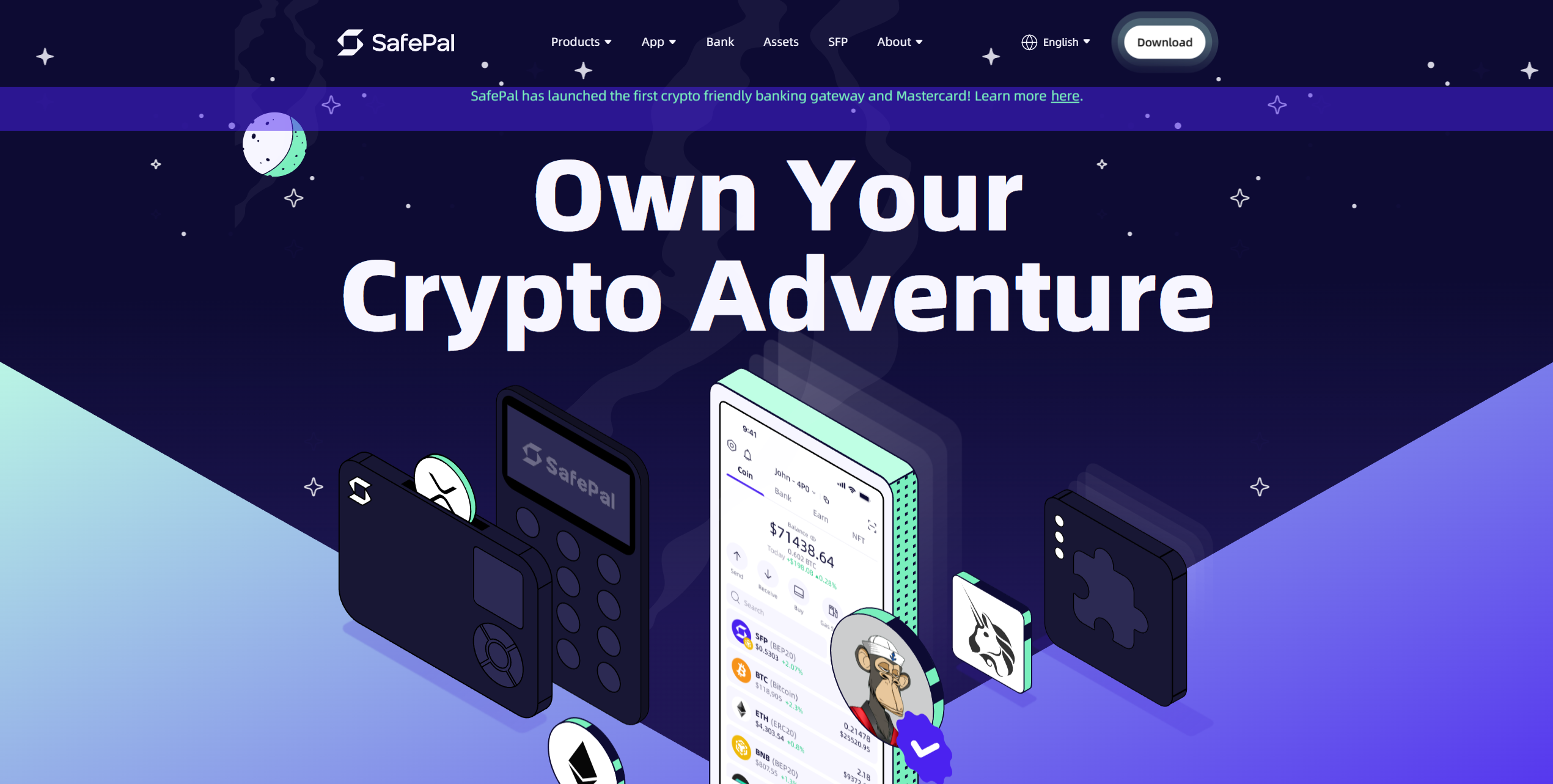
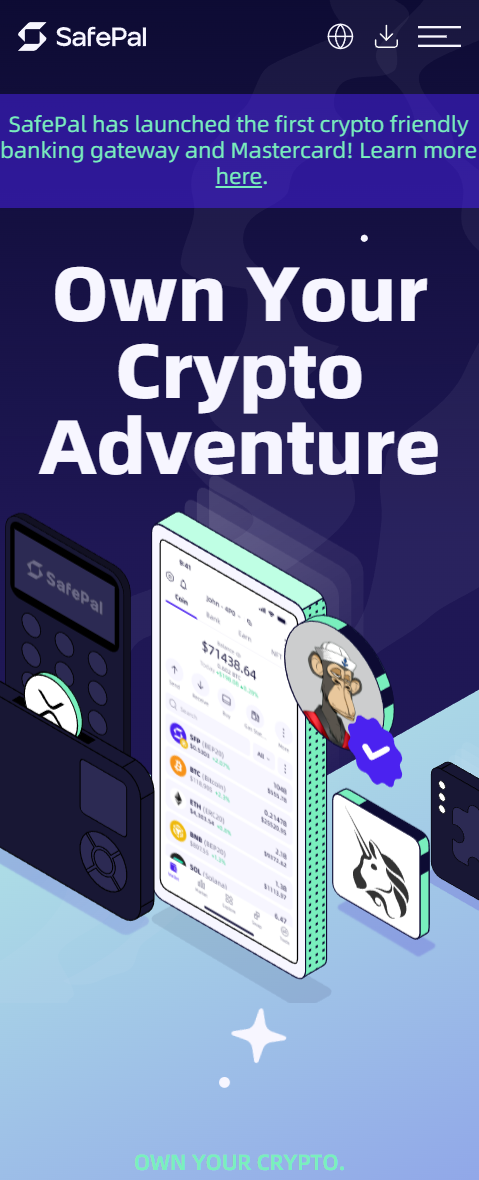
Safepal offers a complete suit of assets operations, with hardware and software wallets that are all multichain and multi-sig in nature. They do not just allow you to store and secure your assets, you can also swap, trade, buy and sell, and above all stake some of your assets to make profits. Safepal is fully anonymous and completely self-custodial, though its source is not 100% open. It supports assets across hundreds of chains and allows integration with lots of DEFIs and DAAPs. Above all, you are allowed to backup your almighty seeds both manually and on the cloud.
Year Founded
- 2018
Cryptocurrencies
- Bitcoin
- Ethereum
- Tether
-
+89
Available countries
- Afghanistan
- Albania
- Algeria
-
+246
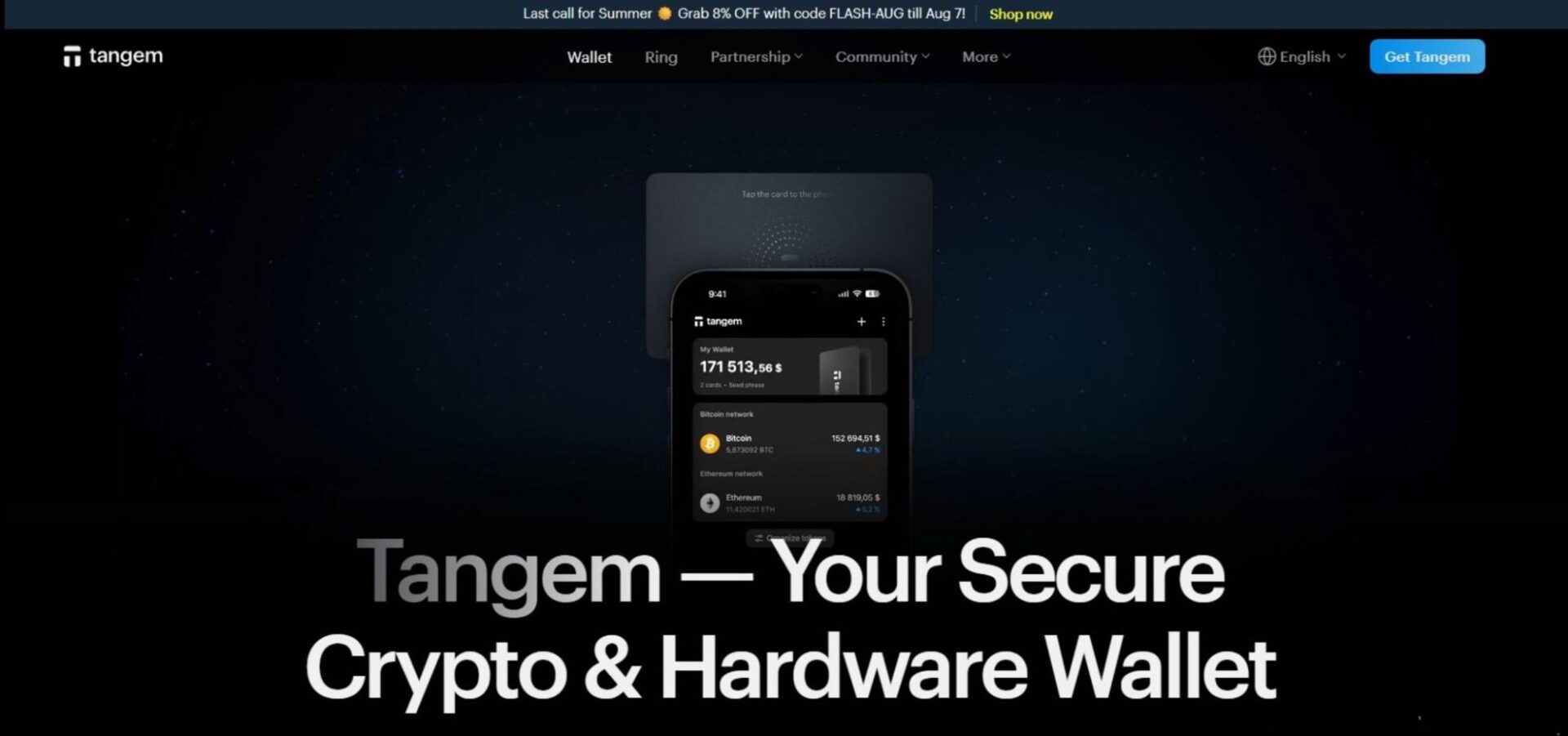
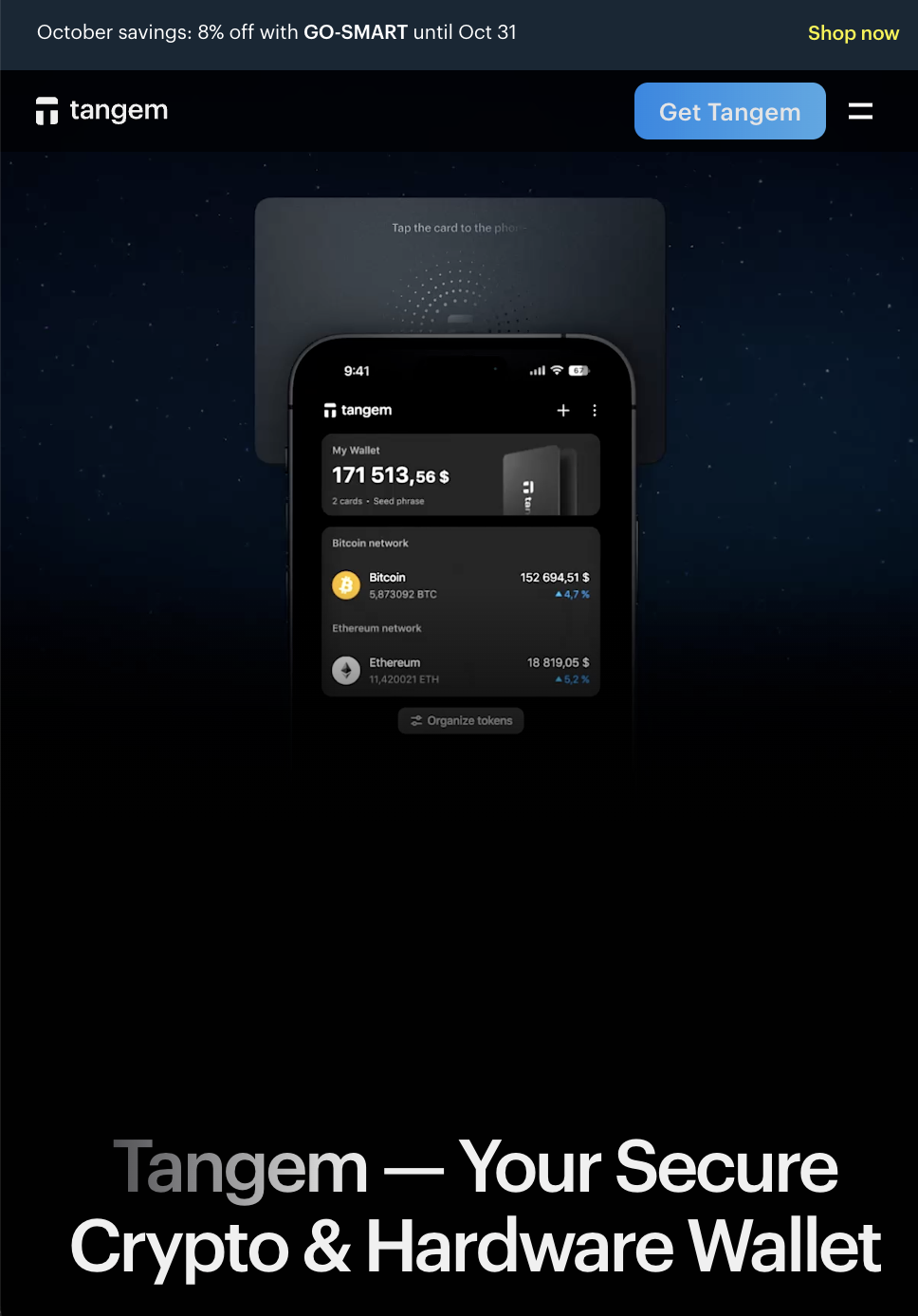
Year Founded
- 2017
Headquarters
- Switzerland
Licenses
- N/A - Not disclosed
Cryptocurrencies
- Bitcoin
- Ethereum
- Tether
-
+70
Available countries
- Albania
- Algeria
- American Samoa
-
+228
Languages
- English
- German
- French
-
+6
Features
- Tangem Pay
- Tangem Academy
-
+11
Year Founded
- 2023
Headquarters
- United States
Licenses
- United States (IRS)
Cryptocurrencies
- Bitcoin
- Ethereum
- Tether
-
+10
Available countries
- United States
Languages
- English
Features
- Swap
- Affiliate Program
-
+6
Get $10 in Bitcoin when you register through a referral link from an existing member.


Established in 2011, Kraken is a trusted cryptocurrency exchange renowned for its longevity and diverse trading interfaces, catering to a broad user base.
- Supports hundreds of coins
- High liquidity
- Simple and user-friendly interface
- Good customer support options
- Lots of advanced trading features like margin, futures, and indices trading
- No insurance fund for assets on the platform
- Doesn’t offer a crypto credit card
- No personal wallet service for traders
- Supports only a few fiat currencies
Year Founded
- 2011
Headquarters
- United States
Licenses
- United States (IRS)
- Canada (CRA)
- United Kingdom (HMRC)
-
+7
Cryptocurrencies
- Bitcoin
- Ethereum
- Tether
-
+83
Available countries
- Afghanistan
- Albania
- Algeria
-
+240
Languages
- Chinese (Mandarin)
- English
- French
-
+10
Features
- Cryptowatch
- Forks
-
+29


Uphold Crypto Exchange, founded in the United States in 2014, is a global digital money platform that enables users to buy, sell, and trade various cryptocurrencies.
Year Founded
- 2015
Headquarters
- Bahamas
Licenses
- United States (IRS)
- United Kingdom (HMRC)
- Lithuania
Cryptocurrencies
- Tether
- TrueUSD
- USD Coin
-
+144
Available countries
- Australia
- Canada
- France
-
+9
Languages
- English
- Spanish
Features
- Metals
- National Currencies (Forex)
-
+5
Don’t invest unless you’re prepared to lose all the money you invest.
Earn $10 in Ethereum (ETH) when you stake $100 in ETH for the first time, up to $30 in rewards


Coinbase, a major player since its inception in 2012, is a user-friendly cryptocurrency exchange offering a secure platform for buying, selling, and managing a variety of digital assets.
- Operating since 2012, listed on Nasdaq, and has a BitLicense from New York State Department of Financial Services.
- Offers a variety of assets
- Fast crypto withdrawals
- Lists smaller assets before other big exchanges
- User-friendly interface with intuitive design
- Coinbase Pro offers much better fees!
- This has been the main complaint against Coinbase, although they have committed to hiring more staff.
- Controls customers' private keys
- Restricted to many countries
- Doesn't offer many advanced services
Year Founded
- 2012
Headquarters
- United States
Licenses
- United States (IRS)
- Canada (CRA)
- United Kingdom (HMRC)
-
+4
Cryptocurrencies
- Bitcoin
- Ethereum
- Tether
-
+68
Available countries
- Canada
- France
- Netherlands
-
+6
Languages
- English
- German
- French
-
+9
Features
- Web3
- Borrow
-
+27
Year Founded
- 2013
Headquarters
- Czech Republic
Licenses
- N/A - Not disclosed
Cryptocurrencies
- Bitcoin
- Ethereum
- Tether
-
+204
Available countries
- Afghanistan
- Albania
- Algeria
-
+246
Languages
- English
- Czech
Features
- Trezor Keep
- Trezor Expert Onboarding Session
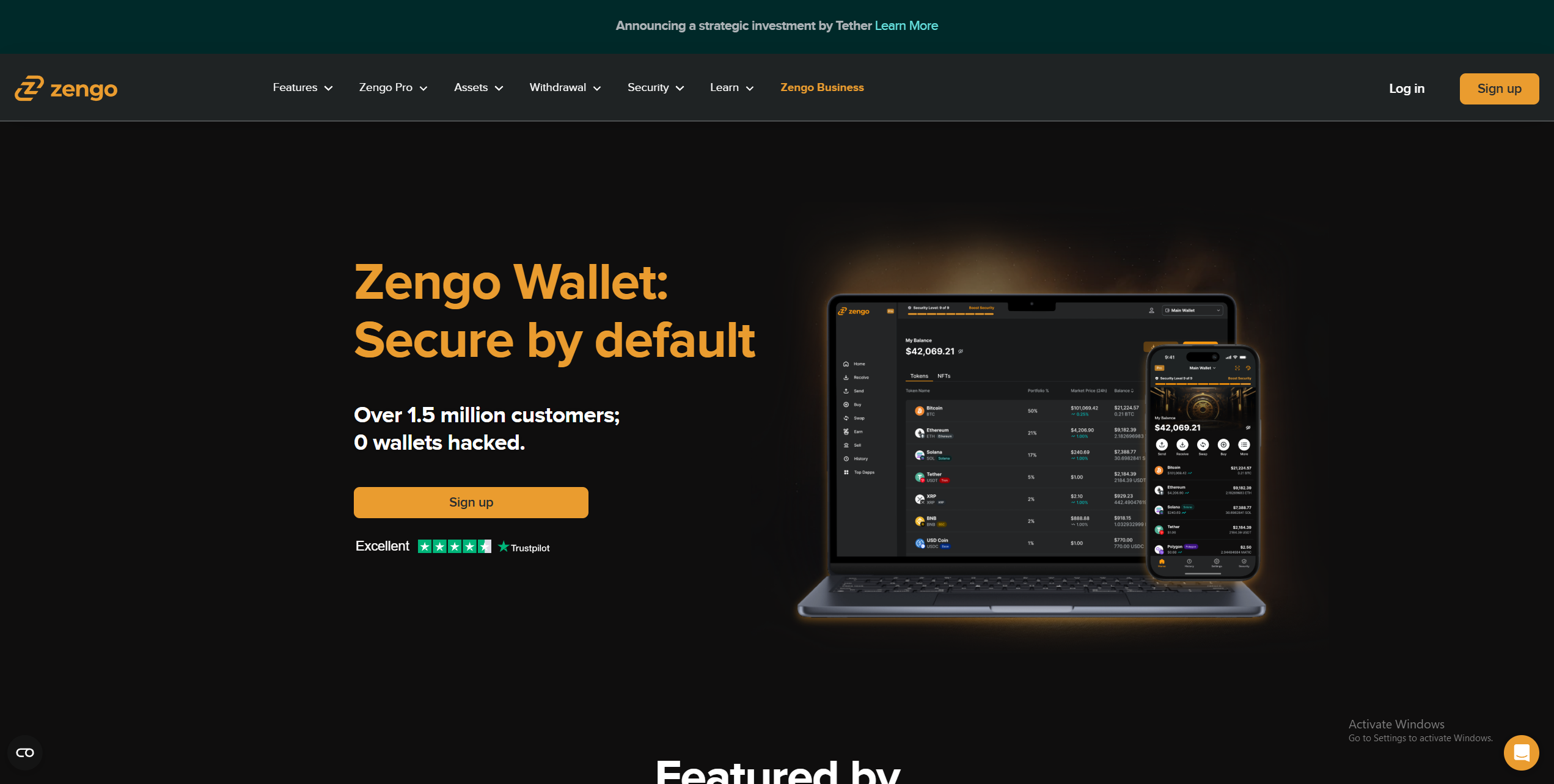
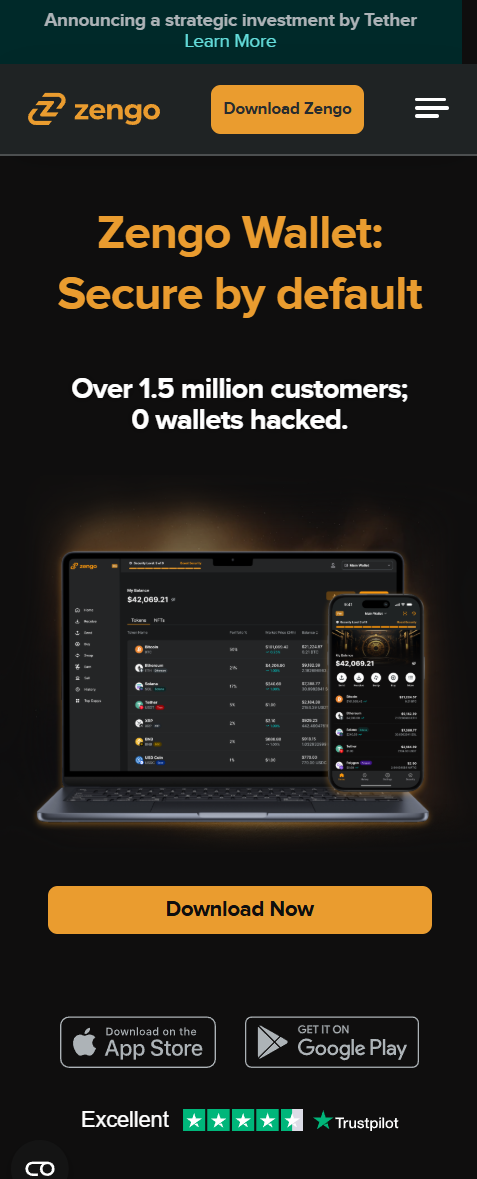
Year Founded
- 2019
Headquarters
- Israel
Licenses
- N/A - Not disclosed
Cryptocurrencies
- Bitcoin
- Ethereum
- Tether
-
+68
Available countries
- Afghanistan
- Albania
- Algeria
-
+245
Languages
- English
- German
- Portuguese (Brazil)
Features
- Swap
- Multi-Party Computation (MPC)
-
+15

Disclaimer
The information provided on this website is for informational purposes only and should not be considered as financial, investment, or legal advice. Cryptocurrency investments are volatile and high-risk in nature. Consult with a qualified financial advisor and/or tax professional before making any investment decisions. We are not responsible for any loss incurred due to the use of information on this website. Do your own research and exercise caution. Don’t invest unless you’re prepared to lose all the money you invest.
How We Determine the Best Dogecoin Wallets
Our evaluation process is rigorous and detached from marketing hype. We assess wallets based on how they perform under duress—during recovery attempts, during forced firmware updates, and under physical tampering. We prioritize long-term reliability; a wallet that works perfectly today but disappears during a bear market is a liability, not an asset.
Security Architecture
The “engine” of any wallet is its security architecture. We look deep into the hardware and software layers to see how well they actually protect your DOGE .
- Secure Element and Hardware Protection: We verify the presence of a Secure Element (SE) chip, ideally with a CC EAL5+ or higher certification. This is the same technology used in passports and credit cards. It is designed to resist physical attacks, such as “side-channel” analysis, where a hacker tries to measure power consumption or electromagnetic leaks to guess your private key .
- Private Key Isolation: A true cold wallet must ensure that your private keys are generated and stored in a completely isolated environment. We check that the seed phrase is never displayed on a computer screen or transmitted over a network. If a wallet’s “isolation” relies on software rather than dedicated hardware, it receives a lower security rating.
- Air-Gapped and Offline Signing Methods: In 2026, “air-gapped” wallets are more popular than ever. These devices use QR codes, microSD cards, or NFC to communicate with your phone or computer. Because there is no physical cable or Bluetooth connection, the attack surface for remote exploits is virtually zero.
- Firmware Integrity and Verification: We examine how companies handle firmware updates. Are the builds “reproducible,” meaning independent developers can verify that the code on the device matches the published source code? We also check for digital signatures that prevent the installation of malicious, modified firmware.
- Supply-Chain Protection: Hardware wallets are vulnerable before they even reach your door. We look for manufacturers that use tamper-evident packaging and “attestation” features—where the device runs a self-diagnostic on its first boot to prove it wasn’t modified in transit.
- Resistance to Physical and Side-Channel Attacks: We review public security audits and “red team” reports. If a wallet has been successfully hacked in a lab environment (e.g., via voltage glitching), we check whether the manufacturer has addressed the vulnerability in newer hardware revisions. To dive deeper into the mechanics of offline security, check out our comprehensive guide to top hardware wallets of 2026, which explains why "cold" storage is fundamentally different from “hot” storage.
Open-Source Transparency
In the world of crypto, “Don’t trust, verify” is the golden rule. Transparency ensures that a company isn’t hiding “backdoors” in its software.
- Open-Source Firmware Availability: When a wallet’s firmware is open source, the global security community serves as a massive, unpaid audit team. This transparency allows anyone to inspect the code for bugs or intentional vulnerabilities.
- Hardware Schematics and Documentation: Trust is earned when a manufacturer shares its hardware design. While some keep certain chips proprietary for security reasons, the most trusted brands provide enough documentation for experts to validate their security assumptions.
- Companion App Transparency: The app you use on your phone or desktop to manage your wallet is a critical link in the chain. We evaluate whether these apps are open-source. If the hardware is secure, but the companion app is “closed-source” and buggy, it creates a weak point in the user experience.
- Independent Security Audits: Marketing claims are cheap; third-party audits are expensive and essential. We prioritize wallets that hire firms like Kudelski Security or Donjon to perform regular, deep-dive inspections of their systems.
- Reproducible Build Support: This is the “final boss” of transparency. It allows a user to take the public source code, compile it themselves, and verify that it produces the exact same file the manufacturer is distributing. It’s the only way to be 100% sure that no “extra” code was added during the build process.
Usability & User Experience
A wallet could be the most secure in the world, but if it is too difficult to use, you are more likely to make a human error—the leading cause of lost crypto.
- Setup and Onboarding Clarity: The most dangerous moment for your Dogecoin is during the initial setup. We look for wallets that provide clear, high-stakes warnings about seed phrases. The onboarding should feel like a guided tutorial, not a confusing technical manual.
- Screen Quality and Input Method: When you send DOGE, you must verify the address on the wallet’s screen. If the screen is too small or the font is illegible, you might accidentally send funds to a “copy-paste” malware address. We prefer large, high-contrast screens and physical buttons or responsive touchscreens.
- Companion App Reliability: We test how well the software handles high network traffic. Does the balance update quickly? Are transaction histories clear? A laggy app can lead to “ghost” transactions or double-sending, which causes unnecessary stress.
- Beginner Error Prevention: The best wallets include “sanity checks.” For example, they might warn you if you’re trying to send DOGE to another address or provide a clear preview of the fees before you hit “confirm.”
- Firmware Update Simplicity: Updates shouldn’t feel like a high-wire act. We look for “one-click” update processes that don’t require you to wipe your device or enter your seed phrase unless absolutely necessary.
Backup, Recovery & Migration
What happens if you lose your wallet or it breaks? Your backup strategy is your ultimate safety net.
- BIP39 Seed Phrase Support: We only recommend wallets that follow the BIP39 standard. This ensures that if the company that made your wallet goes out of business, you can take your 12 or 24 words to almost any other wallet in the world and recover your Dogecoin instantly.
- Advanced Backup Options: For high-value holders, a single paper backup isn’t enough. We look for support for SLIP-39 (Shamir Backup): Splitting your recovery phrase into multiple parts (e.g., 3 of 5) to prevent a single point of failure. Metal Backups: Fireproof and waterproof steel plates that protect your words from physical disasters.
- Recovery Reliability Under Stress: We simulate “worst-case scenarios”—recovering funds from a destroyed device or a forgotten PIN. A good wallet should have a calm, logical recovery path that prevents user panic.
- Cross-Wallet Migration: We test how easy it is to move from one brand to another. If a wallet uses a “proprietary” derivation path that makes it hard to leave their ecosystem, it receives a significant penalty in our rankings.
Supported Coins & Chains
While this guide focuses on Dogecoin, most users hold multiple assets. A wallet’s versatility is a major factor in its long-term value.
- Native Dogecoin Support: We look for “first-class” support. This means the wallet handles Dogecoin’s specific address formats (like those starting with ‘D’) and calculates fees based on the Dogecoin network’s unique parameters, rather than treating it like a Bitcoin clone.
- Multi-Chain Asset Support: Managing five different wallets for five different coins is a security risk in itself. We prefer wallets that support DOGE alongside BTC, ETH, and Solana, enabling a unified security policy across your entire portfolio.
- Third-Party Integrations: The ability to connect your hardware wallet to advanced software like Electrum or Sparrow is a huge plus. This allows you to use your own node or access advanced privacy features while keeping your keys safely on the hardware.
- Update Frequency: The crypto world moves fast. We track how quickly manufacturers add support for new features (like Dogecoin “Ordinals” or “Doginals”) and how often they patch bugs. If you’re looking to put your assets to work, check out our guide on the best crypto staking platforms in 2026. While DOGE is Proof-of-Work and can’t be “staked” in the traditional sense, many platforms offer yield-bearing accounts for DOGE holders.
Transaction Functionality
Sending DOGE should be more than just “aim and fire.” You need control over the transaction’s technical details.
Multisignature Support: Multisig is like a bank vault that requires two keys to open. It is the gold standard for institutional-grade security. We look for wallets that allow you to set up “2-of-3” or “3-of-5” arrangements for your DOGE.
PSBT and Offline Workflows: Partially Signed Bitcoin Transactions (PSBT) are a technical standard that allows you to create a transaction on an internet-connected computer and sign it on an offline hardware wallet. This is the ultimate “air-gap” workflow for power users.
Fee Estimation Accuracy: Dogecoin fees are famous for being low, but during times of high network congestion, they can spike. We test whether wallets accurately predict the fee needed to get into the next block without overpaying.
Transaction Preview Integrity: What you see on the device screen must be transmitted to the network exactly as it appears. “What You See Is What You Sign” (WYSIWYS) is a critical security feature that prevents hackers from tricking you into signing a transaction for a much larger amount than you intended.
Firmware & Longevity
A wallet is a long-term investment. You want a device that will be supported for the next decade, not just the next six months.
- Update Responsiveness: How fast does the team react to a newly discovered vulnerability?
- Offline Update Capability: Can you update the device without ever connecting it to a computer?
- Historical Support: Brands like Ledger and Trezor have supported their early devices for over 10 years, which builds immense trust.
Reputation
In the crypto industry, reputation is everything. We look at the humans behind the hardware.
- Developer Background: Are they security experts or just entrepreneurs?
- Incident History: Every company has issues eventually. What matters is the transparency of their response. Did they hide the bug, or did they release a detailed post-mortem?
- Community Sentiment: We monitor GitHub issues and long-form Reddit discussions to see if users are reporting persistent hardware failures or software bugs.
Price Value
Security isn’t always about the most expensive device; it’s about the best protection for your specific budget.
- Security-to-Price Ratio: Does a $250 wallet offer $170 more security than an $80 wallet? Often, the extra cost goes toward screens or “premium” materials that don’t actually improve your safety.
- Included Accessories: Some wallets come with metal backup kits or high-quality cables, which add significant real-world value.
- The Cost of “Cheap”: We warn against generic or unbranded wallets. In crypto, a “deal” that compromises on a Secure Element or open-source code can result in the total loss of your funds.
 DON’T GET REKT
Curated drops, testnets and red flag alerts straight to your inbox ✌️
 You’re in. Thanks for joining our newsletter.

Final Tips
To wrap up, remember these “golden rules” for 2026:
HODL Offline: If you have more DOGE than you’re willing to lose in a day, move it to a hardware wallet.
Test Your Backups: Don’t wait for an emergency. Do a “test restore” once a year to make sure you can still read your recovery phrase and that the hardware still works.
Digital Silence: Never type your seed phrase into a computer, take a photo of it, or store it in the cloud. Physical paper or metal is the only safe storage.
Exchange Exit: Exchanges are for trading, not for storage. “Not your keys, not your coins” remains as true in 2026 as it was in 2013.
If you are looking for a way to swap your DOGE without jumping through hoops, our guide to the best no KYC crypto exchanges in 2026 provides a curated list of platforms that prioritize privacy and speed without sacrificing too much security.
Dogecoin Wallet FAQs
-
01.
What is the best Dogecoin wallet in [current year]?
There is no single “best” wallet, but for security, Ledger and Trezor lead the pack.
-
02.
Are hardware wallets essential for DOGE?
Yes. If you hold a significant amount of value, then hardware wallets are a better option. Software wallets are vulnerable to “keyloggers” and remote access trojans that can drain your funds in seconds.
-
03.
Can I use the same wallet for Dogecoin and Bitcoin?
Yes. Most modern wallets (both hardware and software) are multi-currency, allowing you to manage multiple assets under a single recovery phrase.
-
04.
Is Dogecoin "staking" a real thing?
Native staking does not exist for Dogecoin because it uses Proof-of-Work (mining). Any service offering “DOGE staking” is likely a centralized lending platform or a DeFi “wrapped” token service.
-
05.
What should I do if I lose my hardware wallet?
As long as you have your 12 or 24-word recovery phrase, your funds are safe. You can simply buy a new device and “restore” your wallet using those words.
What is the best Dogecoin wallet in [current year]?
There is no single “best” wallet, but for security, Ledger and Trezor lead the pack.
Are hardware wallets essential for DOGE?
Yes. If you hold a significant amount of value, then hardware wallets are a better option. Software wallets are vulnerable to “keyloggers” and remote access trojans that can drain your funds in seconds.
Can I use the same wallet for Dogecoin and Bitcoin?
Yes. Most modern wallets (both hardware and software) are multi-currency, allowing you to manage multiple assets under a single recovery phrase.
Is Dogecoin "staking" a real thing?
Native staking does not exist for Dogecoin because it uses Proof-of-Work (mining). Any service offering “DOGE staking” is likely a centralized lending platform or a DeFi “wrapped” token service.
What should I do if I lose my hardware wallet?
As long as you have your 12 or 24-word recovery phrase, your funds are safe. You can simply buy a new device and “restore” your wallet using those words.