


Managing Ripple wallets properly is essential if you want to store XRP safely in 2026. In this guide, we at CryptoManiaks review and rank the best XRP wallet options for beginners and experienced holders, covering security, chain support, ease of use, and how to choose the right Ripple wallet for your needs.
Our goal is to identify Ripple wallets that balance safety, usability, longevity, and real-world reliability, so that users can trust their XRP storage for years, not months.
Key Takeaways
- The best Ripple wallets in 2026 combine strong security (Secure Element chips, open-source firmware, and reliable recovery processes) with excellent mobile and desktop usability.
- A top Ripple wallet should support multiple chains, allow smooth XRP transactions, and protect your Ripple wallet address through offline signing or hardware-grade isolation.
- Whether you prefer hardware or software, storing XRP safely requires evaluating security, longevity, and the total value each wallet delivers, not just its price.
Best Ripple Wallets Listed & Ranked
-
 PromotionsCoins


-
 Coins
Coins

-
 Coins
Coins


-
 Coins
Coins

-
 PromotionsCoins



-
 PromotionsCoins
-
 PromotionsCoins
-
 Coins
Coins
Best Ripple Wallets Reviewed


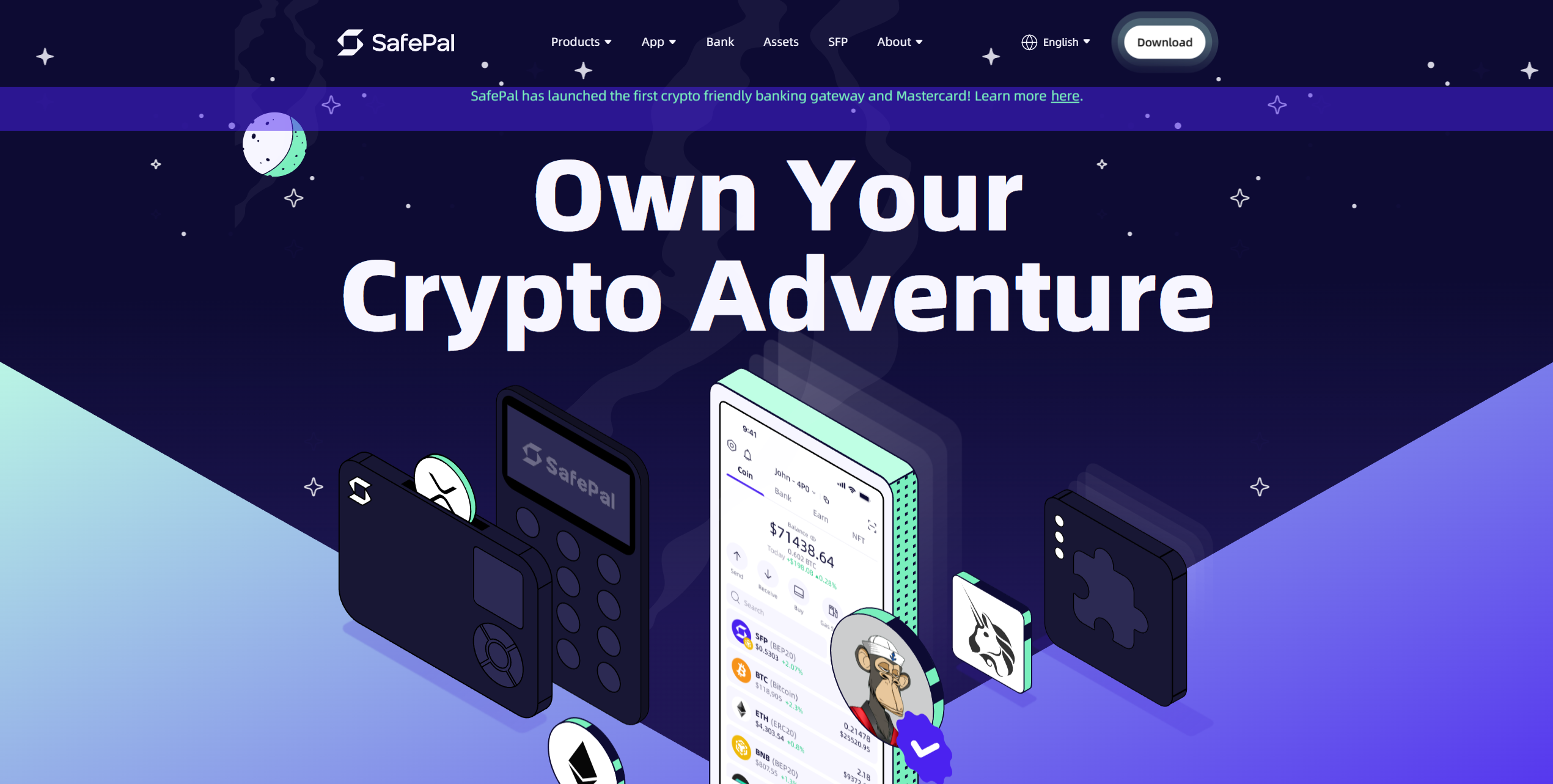
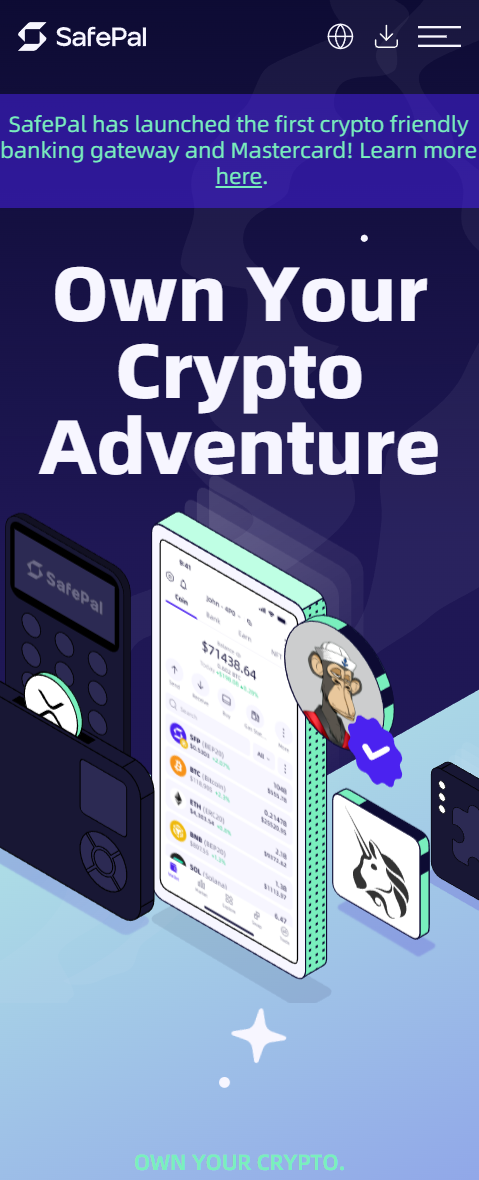
Safepal offers a complete suit of assets operations, with hardware and software wallets that are all multichain and multi-sig in nature. They do not just allow you to store and secure your assets, you can also swap, trade, buy and sell, and above all stake some of your assets to make profits. Safepal is fully anonymous and completely self-custodial, though its source is not 100% open. It supports assets across hundreds of chains and allows integration with lots of DEFIs and DAAPs. Above all, you are allowed to backup your almighty seeds both manually and on the cloud.
Year Founded
- 2018
Cryptocurrencies
- Bitcoin
- Ethereum
- Tether
-
+89
Available countries
- Afghanistan
- Albania
- Algeria
-
+246
Year Founded
- 2017
Headquarters
- Switzerland
Licenses
- N/A - Not disclosed
Cryptocurrencies
- Bitcoin
- Ethereum
- Tether
-
+70
Available countries
- Albania
- Algeria
- American Samoa
-
+228
Languages
- English
- German
- French
-
+6
Features
- Tangem Pay
- Tangem Academy
-
+11
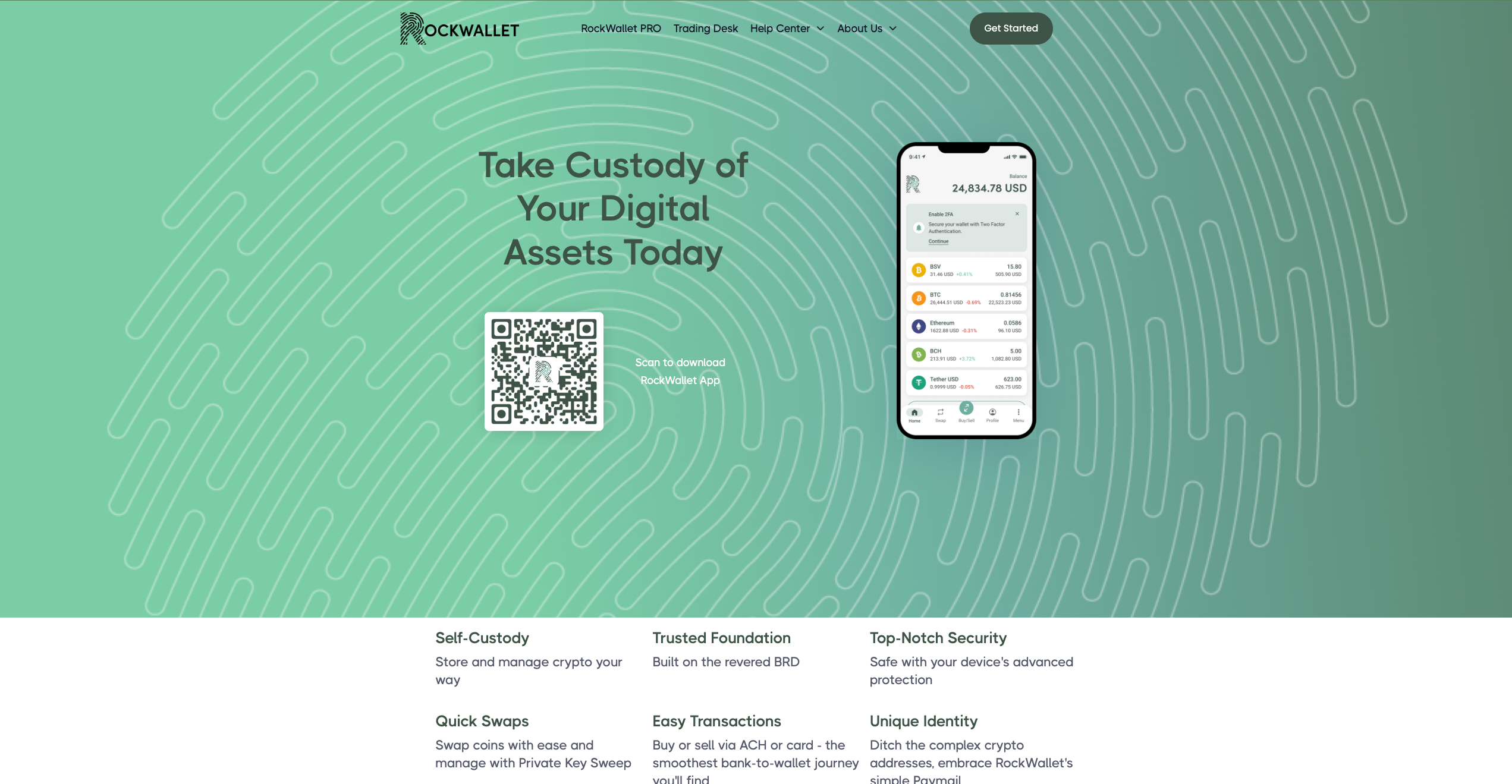
Year Founded
- 2023
Headquarters
- United States
Licenses
- United States (IRS)
Cryptocurrencies
- Bitcoin
- Ethereum
- Tether
-
+10
Available countries
- United States
Languages
- English
Features
- Swap
- Affiliate Program
-
+6
Get $10 in Bitcoin when you register through a referral link from an existing member.


Established in 2011, Kraken is a trusted cryptocurrency exchange renowned for its longevity and diverse trading interfaces, catering to a broad user base.
- Supports hundreds of coins
- High liquidity
- Simple and user-friendly interface
- Good customer support options
- Lots of advanced trading features like margin, futures, and indices trading
- No insurance fund for assets on the platform
- Doesn’t offer a crypto credit card
- No personal wallet service for traders
- Supports only a few fiat currencies
Year Founded
- 2011
Headquarters
- United States
Licenses
- United States (IRS)
- Canada (CRA)
- United Kingdom (HMRC)
-
+7
Cryptocurrencies
- Bitcoin
- Ethereum
- Tether
-
+83
Available countries
- Afghanistan
- Albania
- Algeria
-
+240
Languages
- Chinese (Mandarin)
- English
- French
-
+10
Features
- Cryptowatch
- Forks
-
+29


Uphold Crypto Exchange, founded in the United States in 2014, is a global digital money platform that enables users to buy, sell, and trade various cryptocurrencies.
Year Founded
- 2015
Headquarters
- Bahamas
Licenses
- United States (IRS)
- United Kingdom (HMRC)
- Lithuania
Cryptocurrencies
- Tether
- TrueUSD
- USD Coin
-
+144
Available countries
- Australia
- Canada
- France
-
+9
Languages
- English
- Spanish
Features
- Metals
- National Currencies (Forex)
-
+5
Don’t invest unless you’re prepared to lose all the money you invest.
Earn $10 in Ethereum (ETH) when you stake $100 in ETH for the first time, up to $30 in rewards


Coinbase, a major player since its inception in 2012, is a user-friendly cryptocurrency exchange offering a secure platform for buying, selling, and managing a variety of digital assets.
- Operating since 2012, listed on Nasdaq, and has a BitLicense from New York State Department of Financial Services.
- Offers a variety of assets
- Fast crypto withdrawals
- Lists smaller assets before other big exchanges
- User-friendly interface with intuitive design
- Coinbase Pro offers much better fees!
- This has been the main complaint against Coinbase, although they have committed to hiring more staff.
- Controls customers' private keys
- Restricted to many countries
- Doesn't offer many advanced services
Year Founded
- 2012
Headquarters
- United States
Licenses
- United States (IRS)
- Canada (CRA)
- United Kingdom (HMRC)
-
+4
Cryptocurrencies
- Bitcoin
- Ethereum
- Tether
-
+68
Available countries
- Canada
- France
- Netherlands
-
+6
Languages
- English
- German
- French
-
+9
Features
- Web3
- Borrow
-
+27
Year Founded
- 2013
Headquarters
- Czech Republic
Licenses
- N/A - Not disclosed
Cryptocurrencies
- Bitcoin
- Ethereum
- Tether
-
+204
Available countries
- Afghanistan
- Albania
- Algeria
-
+246
Languages
- English
- Czech
Features
- Trezor Keep
- Trezor Expert Onboarding Session
Year Founded
- 2019
Headquarters
- Israel
Licenses
- N/A - Not disclosed
Cryptocurrencies
- Bitcoin
- Ethereum
- Tether
-
+68
Available countries
- Afghanistan
- Albania
- Algeria
-
+245
Languages
- English
- German
- Portuguese (Brazil)
Features
- Swap
- Multi-Party Computation (MPC)
-
+15

Disclaimer
The information provided on this website is for informational purposes only and should not be considered as financial, investment, or legal advice. Cryptocurrency investments are volatile and high-risk in nature. Consult with a qualified financial advisor and/or tax professional before making any investment decisions. We are not responsible for any loss incurred due to the use of information on this website. Do your own research and exercise caution. Don’t invest unless you’re prepared to lose all the money you invest.
How We Determine the Best Ripple Wallets
Choosing the best XRP wallet is more than comparing features on a spec sheet. At CryptoManiaks, we evaluate Ripple wallets using a structured, security-first framework built from years of testing hardware devices, mobile apps, browser extensions, and institutional-grade custody systems.
Below are the criteria we use to rank every Ripple wallet and every Ripple wallet address management system.
Security Architecture
Security is the foundation of every ranking we publish at CryptoManiaks, especially when evaluating Ripple wallets, where private-key exposure is the only failure that truly matters.
- Use of a Secure Element (SE) chip, preferably CC EAL5+ or higher, to protect private keys against physical extraction.
- Isolation of private keys at all times, with verification that they never leave the device.
- Rejection of pseudo-cold designs that rely on cloud backups or companion-app key handling.
- Protection against side-channel attacks, voltage glitching, and fault injection.
We also evaluate how well each wallet reduces its digital attack surface.
- Support for air-gapped signing via QR codes or microSD workflows.
- Ability to load firmware offline rather than through live internet connections.
- Minimal reliance on Bluetooth or always-on connectivity.
User-controlled safety layers are scored as essential protections.
- Passphrase (25th-word) support.
- Duress or decoy PINs for coercion scenarios.
- Decoy accounts to protect real XRP balances.
Finally, we assess system-level integrity and external validation.
- Firmware signature verification and update authenticity.
- Supply-chain protections against tampering or interception.
- Availability of independent security audits.
Open-Source Transparency
Open-source transparency is a core trust signal at CryptoManiaks because it allows independent verification beyond marketing claims.
- Public availability of firmware, hardware schematics, and companion app code
- Clear licensing that permits auditing rather than restricted “view-only” access
- Absence of obfuscated or closed critical security modules
We look beyond surface-level openness to ensure transparency is meaningful.
- Support for reproducible builds that match published source code
- Ability for users or researchers to verify firmware hashes
- No artificial barriers to compiling or validating firmware
Independent audits are a major ranking factor.
- Third-party audits conducted by reputable security firms
- Full publication of audit reports rather than selective summaries
- Evidence that vulnerabilities were fixed and documented
Top-tier Ripple wallets demonstrate long-term openness.
- Active engagement with researchers and the open-source community
- Responsible vulnerability disclosure practices
- Ongoing maintenance of public repositories
Usability & User Experience
Even the most secure Ripple wallet becomes risky if users can’t operate it confidently.
- Clear onboarding flows for seed generation and wallet setup
- Well-written prompts that avoid confusing or unsafe defaults
- Guidance that reduces beginner mistakes during Ripple wallet address creation
Hardware design plays a crucial role in ensuring the security of XRP transaction signing.
- Large, readable screens that prevent mis-signing
- Intuitive touch or button controls
- Clear visibility of transaction details during approval
Software usability is tested under real-world conditions.
- Accurate transaction previews for XRP transfers
- Clear display of network fees and destination tags
- Stable behavior during firmware updates
Error handling is evaluated as part of overall UX quality.
- Understandable messages for invalid transactions or connection failures
- Guidance when seeds are entered incorrectly
- Safe recovery prompts without panic-inducing design
Advanced users are also considered.
- Easy management of multiple Ripple wallet addresses
- Offline signing support
- Efficient navigation between networks and accounts
Backup, Recovery & Migration
Backup and recovery determine whether a Ripple wallet is safe over decades, not just days.
- Support for widely accepted seed standards such as BIP-39
- Availability of advanced options like SLIP-39 or SeedQR
- Clear documentation for secure backup creation
We evaluate the durability and flexibility of backup methods.
- Paper, metal, and redundancy-based backups
- Encrypted microSD or QR-based recovery options
- Resistance to fire, water, and physical degradation
Recovery and migration testing ensure user sovereignty.
- Ability to restore funds on different devices
- Compatibility with other XRP and multi-chain wallets
- No proprietary lock-in or closed recovery formats
Emergency guidance is also reviewed.
- Clear instructions for device failure scenarios
- Protection against irreversible mistakes after PIN wipes
- Balance between user freedom and safety rails
Supported Coins & Chains
While this guide focuses on XRP, most users need broader ecosystem support.
- Native support for XRP and the Ripple ecosystem
- Compatibility with Bitcoin, Ethereum, stablecoins, and major L1s
- Ability to manage a diversified portfolio from one device
We assess how future-proof each wallet is.
- Frequency of asset and chain updates
- Support for emerging standards and networks
- Ongoing development rather than stagnant coin lists
Third-party integrations improve long-term usability.
- Compatibility with MetaMask, Xumm, Electrum, and other tools
- Support for custom Ripple wallet workflows
- Interoperability with external dApps and services
Extra features add value but don’t outweigh fundamentals.
- Native staking or NFT support
- Built-in DeFi dashboards
- Reduced reliance on centralized exchanges
Transaction Functionality
Transaction accuracy and clarity are non-negotiable for a high-quality Ripple wallet.
- Reliable handling of XRP transactions across multiple addresses
- Support for advanced signing schemes such as multi-sig
- Secure offline transaction verification
Multi-chain transaction handling is also evaluated.
- Bitcoin support for Taproot, SegWit, and Miniscript
- Ethereum compatibility including EIP-1559 and WalletConnect 2.0
- Consistent signing behavior across ecosystems
Offline signing accuracy is tested rigorously.
- Exact matching of amounts, addresses, and memos
- Correct handling of XRP destination tags
- No discrepancies between preview and signed output
Clear transaction previews are essential.
- Visible destination address and tag
- Explicit fee disclosure
- Human-readable confirmation screens
Firmware & Longevity
Long-term XRP security depends on consistent firmware maintenance.
- Frequency of security patches and feature updates
- Speed of response to newly discovered vulnerabilities
- Continued support for older hardware models
Update safety is assessed as part of overall risk.
- Offline update options via microSD or QR
- Minimal dependence on live internet connections
- Secure update verification processes
Transparency around development matters.
- Public release notes and version histories
- Clear communication of breaking changes
- Honest deprecation timelines
We also review historical support patterns.
- Lifespan of previous wallet models
- Willingness to maintain legacy devices
- Signals of long-term manufacturer commitment
Reputation
Reputation reflects how a Ripple wallet performs outside marketing pages.
- Transparency of the development team and company structure
- Public track record in the crypto space
- Engagement with security researchers and users
Past incidents are examined in detail.
- History of breaches, exploits, or recalls
- Speed and quality of incident response
- Clarity of public communication
Community trust is a strong indicator.
- Feedback on GitHub, Reddit, and BitcoinTalk
- Sentiment among power users and security professionals
- Consistency between marketing claims and real-world performance
Customer support also factors into reputation.
- Responsiveness to user issues
- Quality of documentation
- Transparency of bug reporting channels
Price & Value
Price is evaluated in terms of long-term value, not upfront cost.
- Base price relative to security and feature set
- Inclusion of essential accessories and recovery tools
- Hidden costs from required add-ons
Budget wallets are scrutinized for compromises.
- Missing Secure Elements or verification features
- Weak materials or build quality
- Short firmware support cycles
Competitive benchmarking determines final scores.
- Comparison with similarly priced alternatives
- Feature depth within each price tier
- Security-to-cost ratio
High-value Ripple wallets justify their price through durability, trust, and sustained support.
 DON’T GET REKT
Curated drops, testnets and red flag alerts straight to your inbox ✌️
 You’re in. Thanks for joining our newsletter.

Final Tips
Choosing the best XRP wallet involves balancing security, usability, and long-term goals.
- Hardware wallets offer the strongest protection for Ripple wallet addresses
- Software wallets prioritize speed but require disciplined security habits
- Large XRP balances should never remain on internet-connected devices
Plan your wallet choice around real usage.
- Transaction frequency
- Number of Ripple wallets you manage
- Need for multi-chain support
Adopt strong operational habits.
- Store backups offline in multiple locations
- Avoid screenshots or cloud-stored seed phrases
- Test recovery processes periodically
Ultimately, consistency matters more than perfection.
- Keep firmware updated
- Re-evaluate wallet support over time
- Choose tools that match your experience level
A well-chosen Ripple wallet protects not just your XRP, but your peace of mind for years to come.
Frequently Asked Questions
For beginners, a good Ripple wallet is typically a mobile or hardware wallet that is easy to set up, displays clear transaction details, and offers strong security by default. Choose a wallet that creates your Ripple address for you, guides you through backup steps, and keeps things simple. Hardware wallets are the safest option, but easy-to-use software wallets are suitable for small amounts or daily XRP transactions. You don’t have to use a hardware wallet, but it is the safest way to store Ripple for the long term. Hardware wallets keep your private keys safe from malware and online threats by storing them in a secure chip. If you want to keep XRP for an extended period or have a substantial amount, a hardware wallet is generally considered safer than a mobile or web wallet. A Ripple wallet address is a unique identifier (random alpha-numeric sequence) that allows other users to send XRP to your account. Some exchanges or platforms also ask for a “destination tag” to help sort transactions. If you use your own Ripple wallet, you usually don’t need a tag because you control the address. Always check both the address and tag before sending XRP, since mistakes can’t be undone. Yes. Many of the best XRP wallet options support multiple blockchains, including Bitcoin, Ethereum, stablecoins, and various altcoins. Multi-chain wallets are convenient because they enable you to manage your entire portfolio in one place, rather than juggling separate apps. Just make sure the wallet offers native or reliable support for XRP transactions, including memo/tag handling, before using it as your main Ripple wallet. If you lose your wallet device, you can recover your XRP using your 12–24-word recovery phrase, as long as you kept it safe. If you lose or forget the recovery phrase, you will be unable to access your Ripple wallets or funds. No one can recover a lost seed phrase for you. Create multiple offline backups in different secure locations and test your recovery process at least once.
What is the best Ripple wallet for beginners?
Do I need a hardware wallet to store XRP safely?
How do Ripple wallet addresses work?
Can I use the same wallet for XRP and other cryptocurrencies?
What happens if I lose my Ripple wallet or recovery phrase?