


Avalanche (AVAX) has cemented its place as a powerhouse in smart contracts, recently celebrating over 1 billion transactions. Thanks to upgrades like Avalanche-9000, a new wave of asset management tools is now at your fingertips.
Choosing the right AVAX wallet in 2026 is the key to unlocking secure DeFi adventures and effortless fund management. The wallet you pick shapes your Avalanche experience, from exploring new subnets to keeping your tokens safe and sound.
In this guide, we break down and compare the best Avalanche (AVAX) wallets, making it easy for you to find the perfect fit for your crypto journey.
Avalanche’s one-of-a-kind consensus and subnet design means wallet compatibility is crucial. With three distinct chains (X, P, and C), you need a wallet that can move assets between them seamlessly, so your funds always stay protected.
Still weighing whether Avalanche belongs in your portfolio? Dive into our in-depth AVAX guide, where we unpack the tech, real-world uses, and long-term promise of the network.
Key Takeaways
- The best AVAX wallets strike a balance between robust key security and seamless C-Chain support. Hardware wallets are the safest option for large AVAX holdings because they keep your private keys offline and protected from online threats.
- Wallets with WalletConnect, native staking support, and deep DeFi integrations offer the best real-world usability. Prioritizing software with open-source firmware and transparent audits is essential, as it allows the global developer community to verify that no backdoors exist in the code.
- Price alone should never outweigh security architecture when choosing an AVAX wallet. Long-term firmware support and a solid reputation for handling past vulnerabilities are far more valuable than flashy user interface features or a low entry cost.
Finally, if you are comparing AVAX wallets alongside other ecosystems, our roundup of the best crypto wallets in 2026 offers a broader comparison across hardware and software options.
Best AVAX Wallets Listed & Ranked
-
 PromotionsCoins


-
 Coins
Coins

-
 Coins
Coins
-
 PromotionsCoins



-
 PromotionsCoins
-
 PromotionsCoins
-
 Coins
Coins
Best AVAX Wallets Reviewed


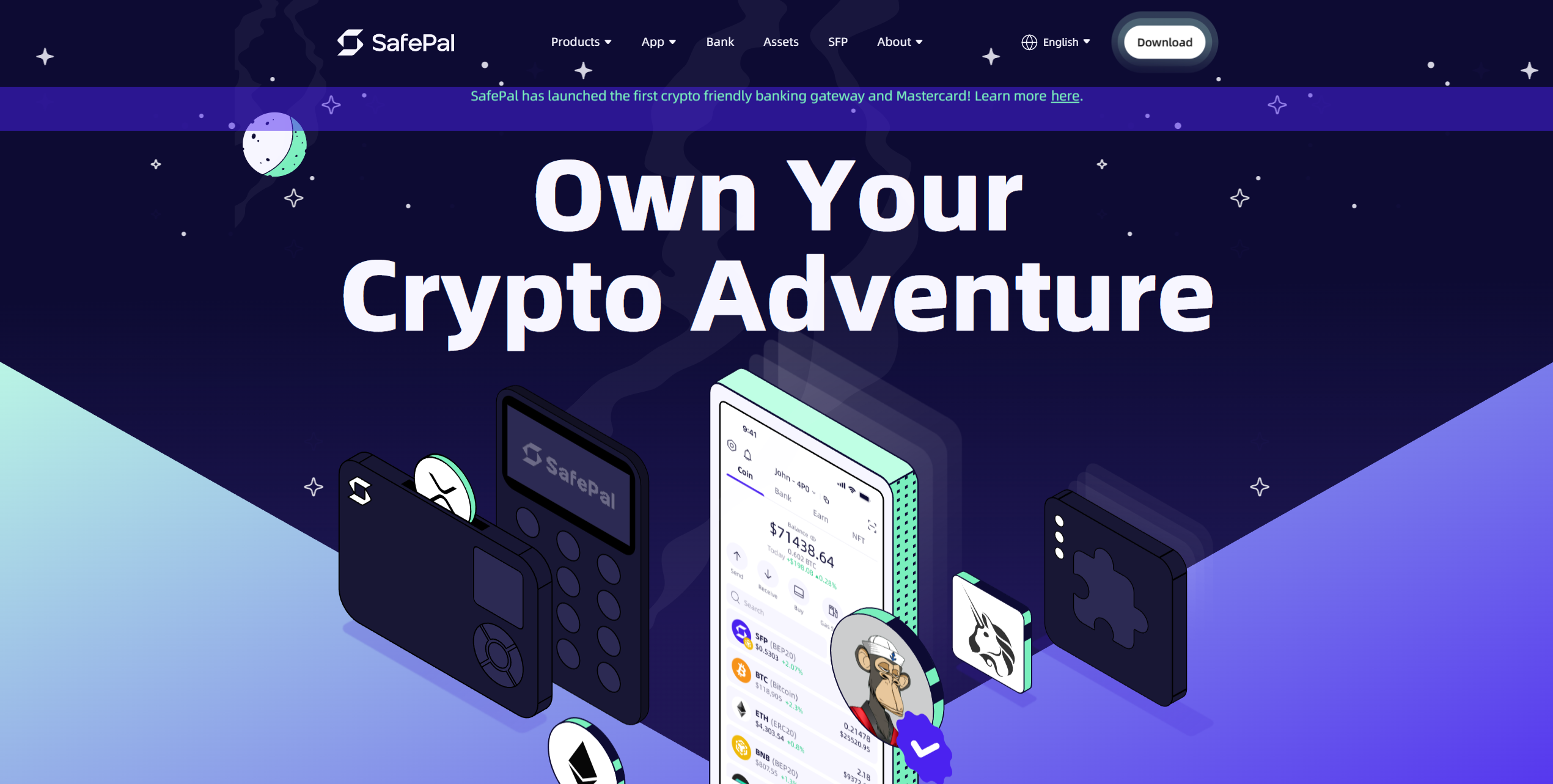
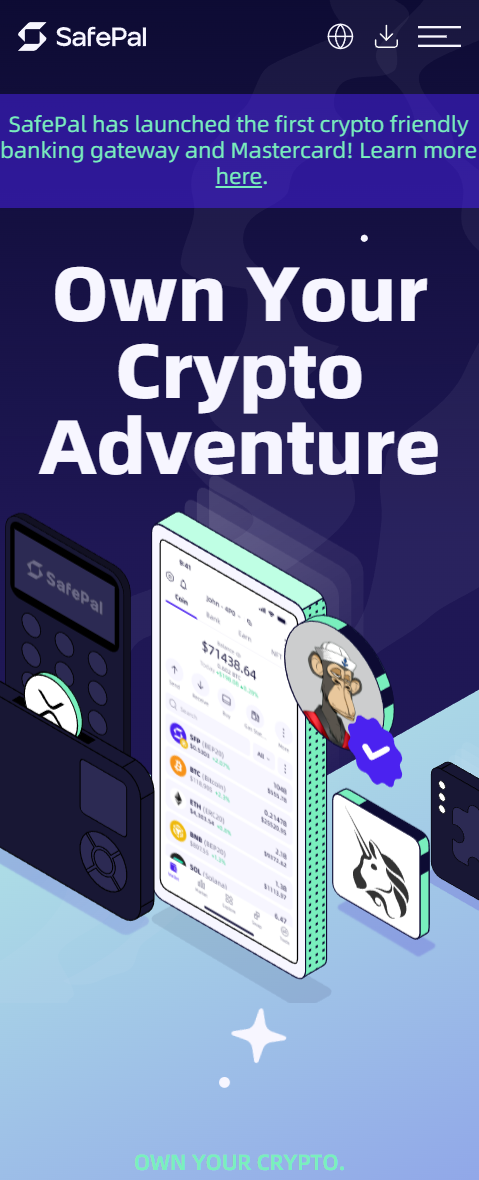
Safepal offers a complete suit of assets operations, with hardware and software wallets that are all multichain and multi-sig in nature. They do not just allow you to store and secure your assets, you can also swap, trade, buy and sell, and above all stake some of your assets to make profits. Safepal is fully anonymous and completely self-custodial, though its source is not 100% open. It supports assets across hundreds of chains and allows integration with lots of DEFIs and DAAPs. Above all, you are allowed to backup your almighty seeds both manually and on the cloud.
Year Founded
- 2018
Cryptocurrencies
- Bitcoin
- Ethereum
- Tether
-
+89
Available countries
- Afghanistan
- Albania
- Algeria
-
+246
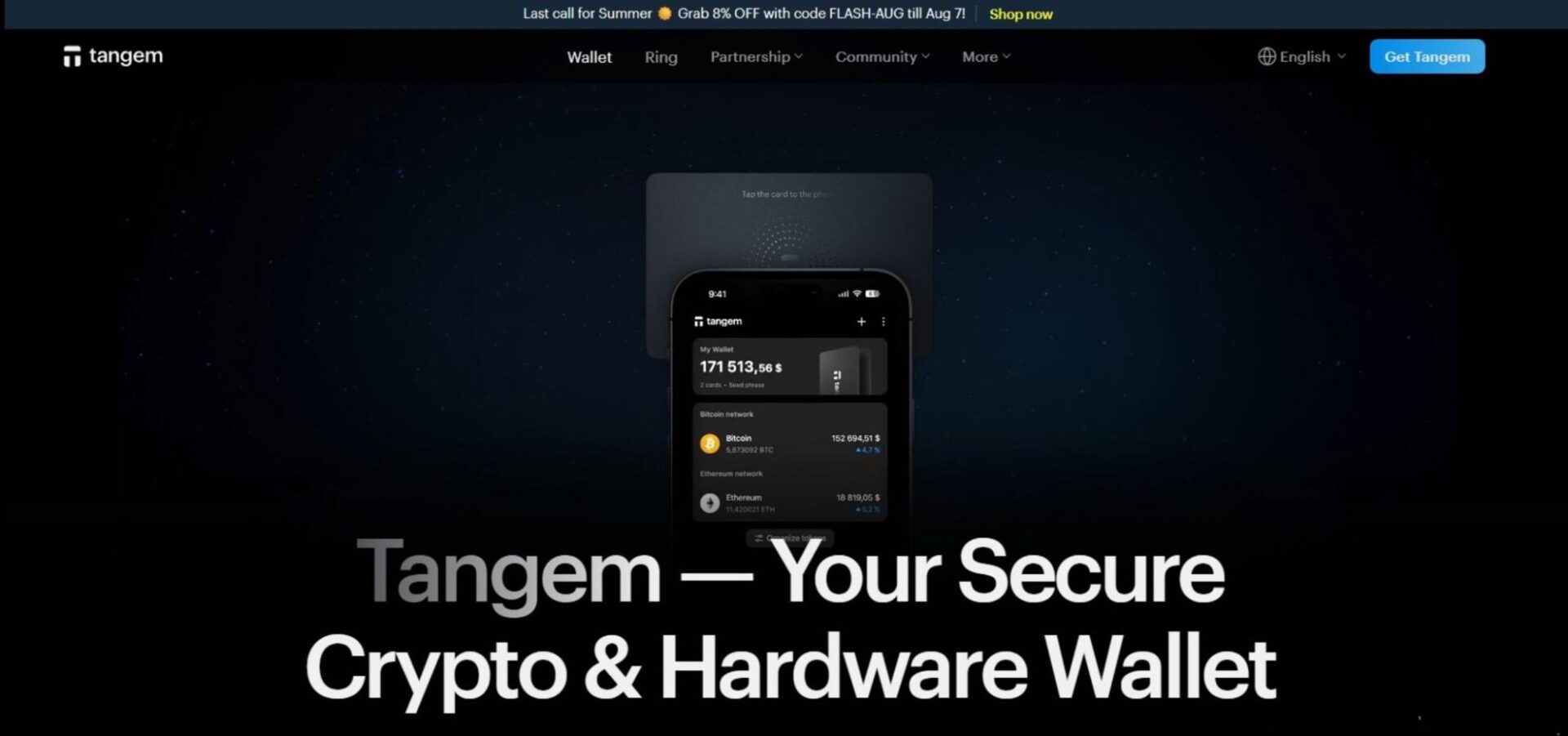
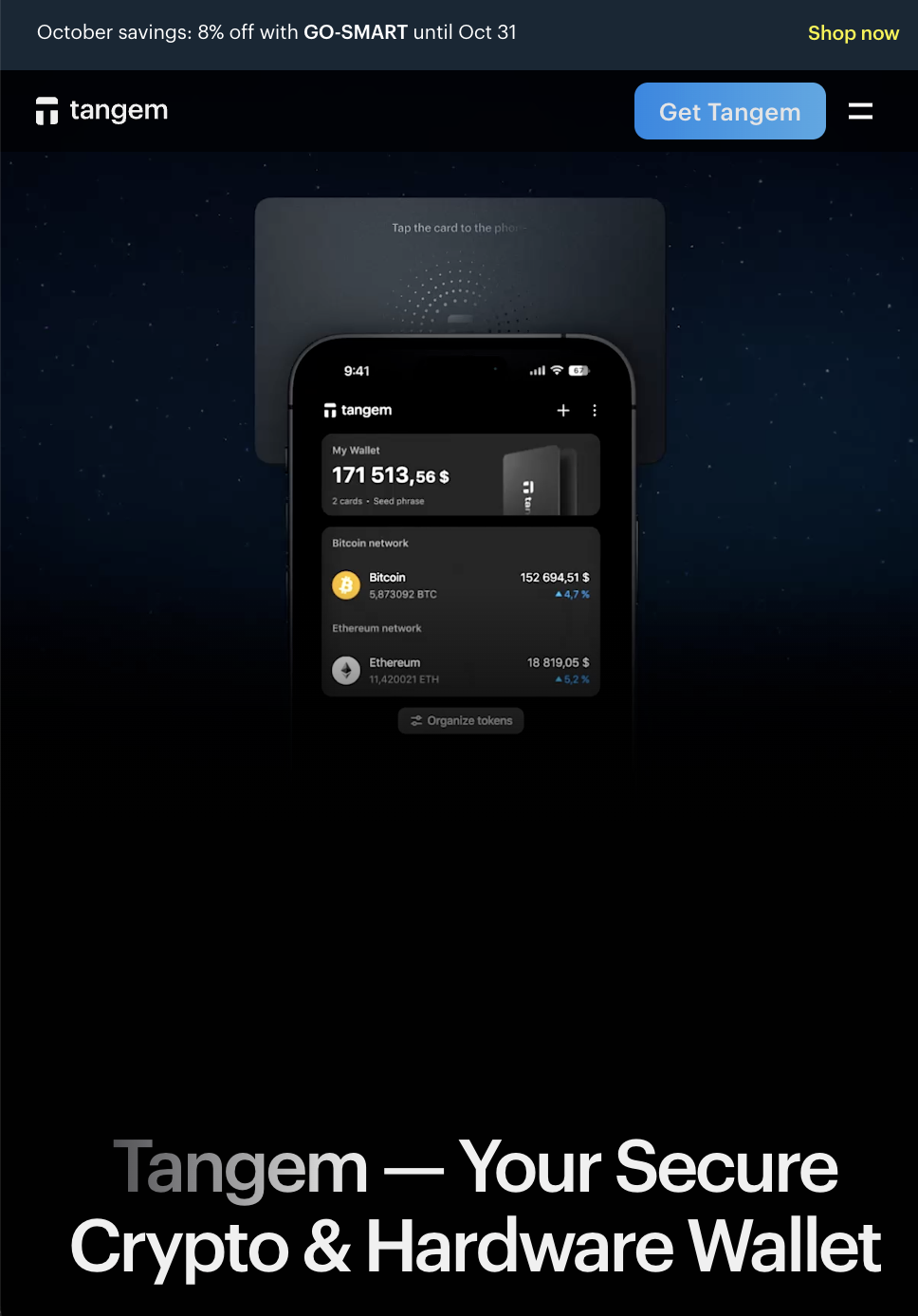
Year Founded
- 2017
Headquarters
- Switzerland
Licenses
- N/A - Not disclosed
Cryptocurrencies
- Bitcoin
- Ethereum
- Tether
-
+70
Available countries
- Albania
- Algeria
- American Samoa
-
+228
Languages
- English
- German
- French
-
+6
Features
- Tangem Pay
- Tangem Academy
-
+11
Get $10 in Bitcoin when you register through a referral link from an existing member.


Established in 2011, Kraken is a trusted cryptocurrency exchange renowned for its longevity and diverse trading interfaces, catering to a broad user base.
- Supports hundreds of coins
- High liquidity
- Simple and user-friendly interface
- Good customer support options
- Lots of advanced trading features like margin, futures, and indices trading
- No insurance fund for assets on the platform
- Doesn’t offer a crypto credit card
- No personal wallet service for traders
- Supports only a few fiat currencies
Year Founded
- 2011
Headquarters
- United States
Licenses
- United States (IRS)
- Canada (CRA)
- United Kingdom (HMRC)
-
+7
Cryptocurrencies
- Bitcoin
- Ethereum
- Tether
-
+83
Available countries
- Afghanistan
- Albania
- Algeria
-
+240
Languages
- Chinese (Mandarin)
- English
- French
-
+10
Features
- Cryptowatch
- Forks
-
+29


Uphold Crypto Exchange, founded in the United States in 2014, is a global digital money platform that enables users to buy, sell, and trade various cryptocurrencies.
Year Founded
- 2015
Headquarters
- Bahamas
Licenses
- United States (IRS)
- United Kingdom (HMRC)
- Lithuania
Cryptocurrencies
- Tether
- TrueUSD
- USD Coin
-
+144
Available countries
- Australia
- Canada
- France
-
+9
Languages
- English
- Spanish
Features
- Metals
- National Currencies (Forex)
-
+5
Don’t invest unless you’re prepared to lose all the money you invest.
Earn $10 in Ethereum (ETH) when you stake $100 in ETH for the first time, up to $30 in rewards


Coinbase, a major player since its inception in 2012, is a user-friendly cryptocurrency exchange offering a secure platform for buying, selling, and managing a variety of digital assets.
- Operating since 2012, listed on Nasdaq, and has a BitLicense from New York State Department of Financial Services.
- Offers a variety of assets
- Fast crypto withdrawals
- Lists smaller assets before other big exchanges
- User-friendly interface with intuitive design
- Coinbase Pro offers much better fees!
- This has been the main complaint against Coinbase, although they have committed to hiring more staff.
- Controls customers' private keys
- Restricted to many countries
- Doesn't offer many advanced services
Year Founded
- 2012
Headquarters
- United States
Licenses
- United States (IRS)
- Canada (CRA)
- United Kingdom (HMRC)
-
+4
Cryptocurrencies
- Bitcoin
- Ethereum
- Tether
-
+68
Available countries
- Canada
- France
- Netherlands
-
+6
Languages
- English
- German
- French
-
+9
Features
- Web3
- Borrow
-
+27
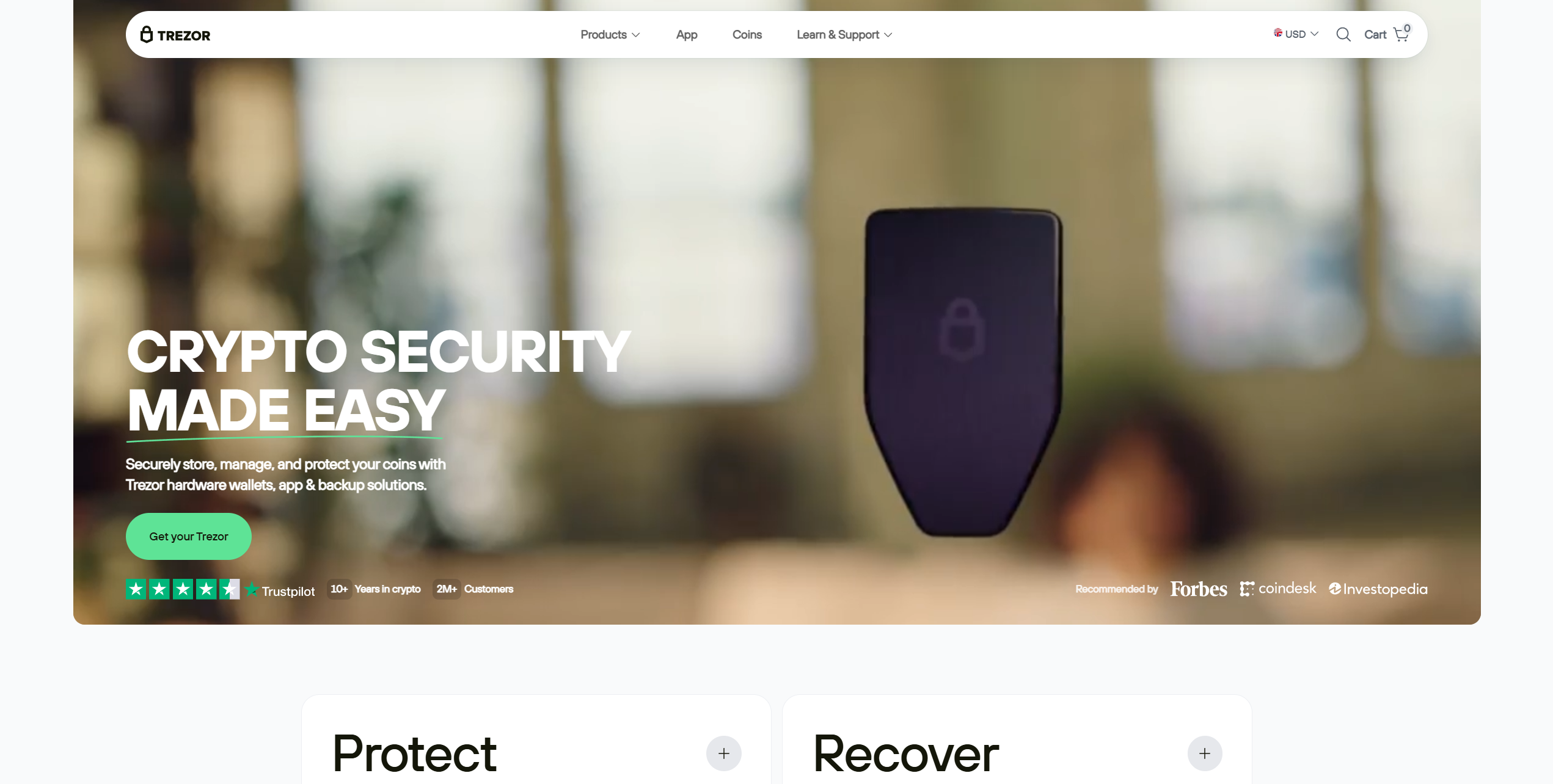
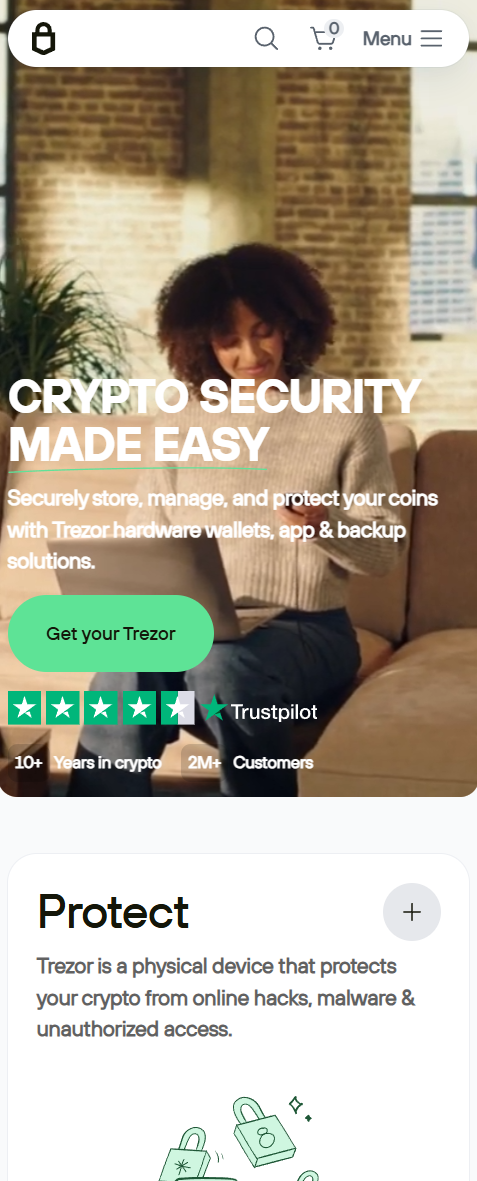
Year Founded
- 2013
Headquarters
- Czech Republic
Licenses
- N/A - Not disclosed
Cryptocurrencies
- Bitcoin
- Ethereum
- Tether
-
+204
Available countries
- Afghanistan
- Albania
- Algeria
-
+246
Languages
- English
- Czech
Features
- Trezor Keep
- Trezor Expert Onboarding Session
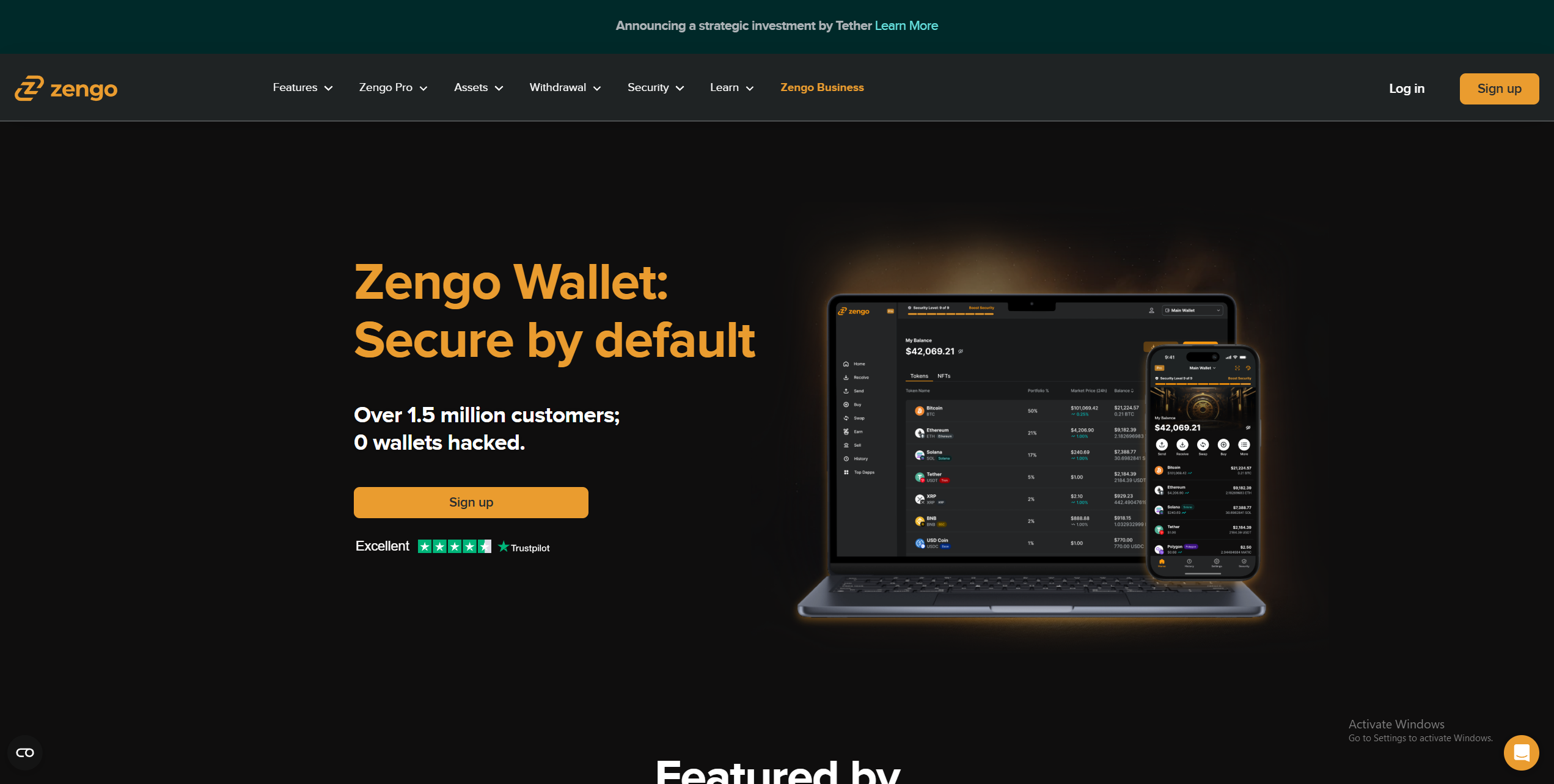
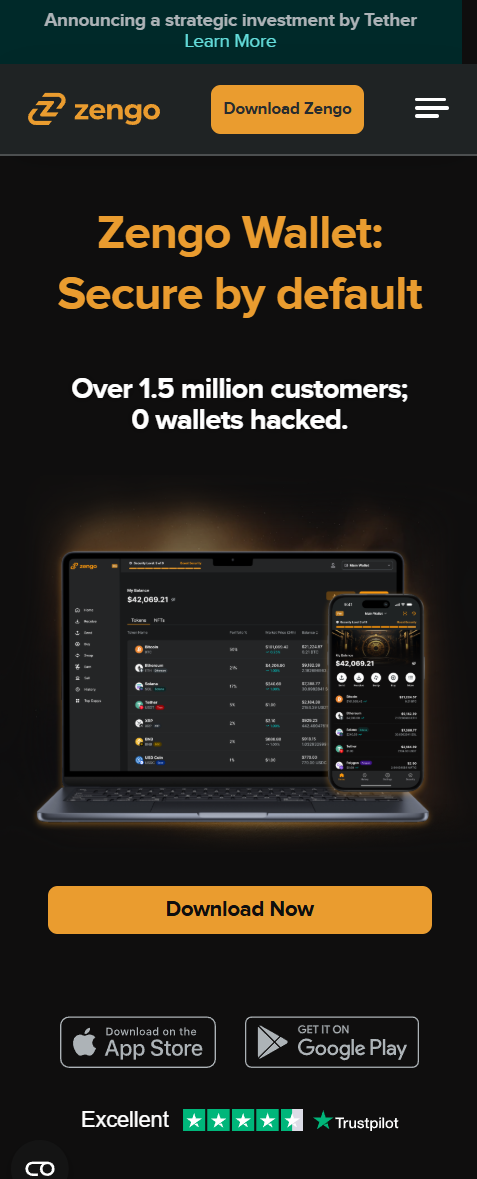
Year Founded
- 2019
Headquarters
- Israel
Licenses
- N/A - Not disclosed
Cryptocurrencies
- Bitcoin
- Ethereum
- Tether
-
+68
Available countries
- Afghanistan
- Albania
- Algeria
-
+245
Languages
- English
- German
- Portuguese (Brazil)
Features
- Swap
- Multi-Party Computation (MPC)
-
+15

Disclaimer
The information provided on this website is for informational purposes only and should not be considered as financial, investment, or legal advice. Cryptocurrency investments are volatile and high-risk in nature. Consult with a qualified financial advisor and/or tax professional before making any investment decisions. We are not responsible for any loss incurred due to the use of information on this website. Do your own research and exercise caution. Don’t invest unless you’re prepared to lose all the money you invest.
How We Determine the Best AVAX Wallets
Our reviews put long-term safety, transparency, and real-world usability front and center; not hype or flashy marketing. We put each wallet through its paces with hands-on DeFi tasks to see how it performs in practice.
We review each wallet using a practical checklist to see how it performs over time. We look at security, open-source code, ease of use, backup options, asset support, transaction features, update history, community reputation, and whether the price is fair for what you get.
Security Architecture
- Secure element standards: We evaluate whether a secure element is present and its certification level, with preference given to chips rated CC EAL5+ or higher. These specialized chips are designed specifically to resist “side-channel” attacks and physical extraction of keys.
- Private key isolation: We verify whether private keys are generated and stored entirely on the device and never leave it. This ensures that even if your computer is infected with a virus, your AVAX remains safe.
- Air-gapped signing methods: Offline signing mechanisms such as QR codes, microSD cards, or NFC are examined to ensure they function reliably. These methods are superior because they eliminate the need for a physical data connection that could be exploited by hackers.
- Passphrase and duress protections: Support for advanced passphrase options, including optional 25th-word protection and duress PINs, is treated as a core security requirement. A duress PIN can be used to open a “decoy” account with a small amount of funds to protect your main stash in case of physical coercion.
- Firmware integrity and verification: We review how firmware is signed and whether reproducible builds are supported. This allows third-party developers to prove that the software you are running matches the code the manufacturer promised to deliver.
- Supply-chain security measures: Protections against supply-chain tampering, such as tamper-evident packaging and device authentication checks, are assessed. Many modern wallets now perform a “genuine check” the first time they are plugged in to ensure they haven’t been modified.
- Physical and side-channel attack resistance: We evaluate the wallet’s resistance to physical extraction and tampering using publicly disclosed audits. This involves checking whether the device can withstand attempts to “shuck” the chip, or analyzing its power consumption to estimate it.
To learn more about cold storage, see our guide to the top hardware wallets of 2026. It explains how keeping your keys offline protects you from online hacks and malware.
Open-source Transparency
- Open-source availability: We assess whether the wallet’s firmware, hardware schematics, and companion software are fully open source. Open-source code is more secure over time because thousands of eyes can inspect it for bugs and vulnerabilities.
- Reproducible build support: Projects that support reproducible builds are rated more highly because they allow anyone to verify the software. This ensures that the binary file you download matches the source code published online exactly.
- Independent security audits: We review any third-party security audits the wallet has undergone, favoring detailed, public reports. A wallet that has been successfully stress-tested by a firm like Kudelski Security carries much more weight than one that has never been audited.
- Development model and vulnerability discovery: Open and active development processes are viewed favorably because they surface bugs quickly. We look for active GitHub repositories where the community is constantly suggesting improvements and reporting issues.
- Closed-source transparency trade-offs: Wallets built around closed-source designs receive lower transparency scores. While closed-source code can be secure, it forces users to rely entirely on the manufacturer’s word, which goes against the “don’t trust, verify” ethos of crypto.
Usability & User Experience
- Setup and onboarding clarity: We evaluate the initial setup experience in detail, focusing on how the wallet guides users through seed phrase generation. This is the most dangerous stage of wallet ownership, so clear instructions on why you should never store the phrase digitally are vital.
- Device interface and controls: Screen size, display quality, and input methods are assessed to determine how comfortable the wallet is for daily use. Large screens are a significant advantage for Avalanche users who need to verify long, complex subnet addresses.
- Companion application usability: We check how well companion apps like Ledger Live or Trezor Suite work. If an app is buggy, it can cause failed transactions or incorrect gas fees, which can be annoying and costly.
- Beginner safety and mistake prevention: Accessibility for new users is measured by how well the wallet prevents irreversible errors. We look for features like “whitelisting” addresses and automatic warnings if you try to send funds to a known scam address.
- Error handling and recovery support: We test how the wallet behaves in real-world failure scenarios, such as a dead battery during a firmware update. The best wallets have “failsafe” modes that allow you to resume the process without losing access to your funds.
Backup, Recovery & Migration
- Seed format support: We evaluate which recovery standards the wallet supports, with an emphasis on the universal BIP39 standard. This ensures that you aren’t “locked in” to a single brand; if one company goes bankrupt, you can recover your funds on any other standard wallet.
- Backup method options: We compare backup methods like metal seed storage and Shamir Secret Sharing. Shamir Secret Sharing lets you split your recovery phrase into several parts (e.g., 3 out of 5), so that even if one piece is stolen, your wallet won’t be at risk.
- Recovery speed and reliability: Recovery workflows are tested to determine how quickly funds can be restored under stress. A clear, step-by-step recovery wizard is essential for helping users navigate what is often a very high-stakes situation.
- Cross-wallet compatibility: We assess whether recovery data can be used with other reputable wallets. This prevents “vendor lock-in” and gives users the freedom to switch hardware providers without having to move all their funds on-chain.
Supported Coins & Chains
- Asset support: We assess how wide a range of assets the wallet can manage, including native AVAX and subnets. Since the Avalanche ecosystem relies heavily on “Subnets,” your wallet must be able to add custom RPC networks easily.
- Chain and token update frequency: The frequency with which new chains and tokens are added is reviewed. A development team that takes six months to add a popular new token is a major drawback for active traders.
- Third-party integrations: We evaluate how well the wallet integrates with external tools like MetaMask or WalletConnect. These connections are the lifeblood of DeFi, allowing you to use your secure hardware wallet to interact with decentralized exchanges.
- Native feature support: Built-in support for features such as staking and NFT management is reviewed. Native staking is much safer than connecting to a third-party website, as it reduces the number of “approvals” you have to sign.
For readers interested in earning passive income from their AVAX holdings, our comprehensive guide to the best crypto staking platforms in 2026 breaks down how to compare APYs, security, and staking terms.
Transaction Functionality
- Advanced custody features: We evaluate support for multisignature setups and PSBT workflows. Multisig is essential for business or “DAO” accounts, as it requires multiple people to sign a transaction before the funds can move.
- Bitcoin protocol compatibility: Native support for modern Bitcoin features like SegWit and Taproot is reviewed. Even if you are an Avalanche maximalist, having a wallet that handles BTC efficiently is a major value-add for any diversified portfolio.
- Ethereum transaction standards: We test Ethereum-specific functionality such as EIP-1559 fee handling. This ensures that your transactions on the Avalanche C-Chain (which is EVM-compatible) are always priced correctly, preventing them from getting stuck.
- Offline signing integrity: Offline signing is verified to confirm that the transaction details displayed on the device precisely match those broadcast. This prevents “man-in-the-middle” attacks where a hacker alters the recipient address on your computer screen.
Firmware & Longevity
- Updates and vulnerability response: We assess the frequency of firmware updates and the team’s bug handling. Companies that admit mistakes and fix them fast are more trustworthy than those that stay quiet.
- Offline update capabilities: Wallets that support offline or air-gapped update processes are rated more favorably. This allows you to patch your device’s security without ever exposing the internal operating system to a live internet connection.
- Transparency and long-term support commitments: We consider how openly manufacturers communicate about end-of-life timelines. You want to avoid buying a device that the manufacturer plans to stop supporting in 12 months.
Reputation
We consider how actively the team engages with bug reports and user feedback. A responsive team indicates that the product is actively maintained and will improve over time including:
- Developer background and company transparency: We examine who is building and maintaining the wallet, including their prior security experience. A team of seasoned cryptography experts is much more likely to produce a safe product than an anonymous startup.
- History of security incidents and responses: We review past security incidents and their responses. We don’t judge a company just for having a bug, but we do if they handle it badly or don’t protect users’ data.
- Community reputation and independent checks: We see what people say about the wallet on forums like Reddit and GitHub. If many users complain about the same problem, that’s a big warning sign.
Price Value
- Base pricing relative to security and features: We evaluate the wallet’s core price in the context of what it actually delivers. A high price is justified if the device includes high-end components like an E-ink screen or a biometric scanner.
- Accessories and upgrade options: Any included accessories, such as high-quality USB cables or protective cases, are included. Some wallets also offer “metal plate” backup kits bundled at a discount, which adds significant value.
- Security trade-offs at lower price points: For budget wallets, we closely examine whether cost savings come at the expense of essential protection. We look for “cheap” wallets that skip the secure element chip—a corner that should never be cut.
 DON’T GET REKT
Curated drops, testnets and red flag alerts straight to your inbox ✌️
 You’re in. Thanks for joining our newsletter.

Final Tips
Always prioritize wallets that keep private keys fully offline in a “cold” environment. Some best practises related to AVAX wallets are summarised below:
- Use hardware wallets for long-term AVAX storage whenever your balance exceeds the cost of the device.
- Never store your recovery phrase in a digital format, such as a photo, email, or cloud note.
- Only download wallet software and updates from the verified official manufacturer’s website to avoid “phishing” clones.
If you’re planning to trade or swap AVAX without submitting personal identity documents, our guide to the best no KYC crypto exchanges in 2026 offers a vetted shortlist of platforms and explains key security considerations so you can balance convenience with safety.
Frequently Asked Questions
-
01.
What is the best Avalanche wallet in 2026?
The best option depends on your needs; however, hardware wallets with native AVAX support, like those from Ledger or Trezor, are the standard recommendation for security.
-
02.
Can I stake AVAX directly from my wallet?
Yes. Most top-tier wallets (like Core or Ledger) allow you to delegate your AVAX to a validator directly within the app’s interface to earn passive rewards.
-
03.
Are software wallets safe for AVAX?
Software wallets are excellent for small amounts and daily DeFi use, but they are “hot” (connected to the internet), making them inherently more vulnerable to hackers than hardware wallets.
-
04.
Do AVAX wallets support NFTs and DeFi?
Most modern AVAX wallets offer full support for the C-Chain, allowing you to view your NFT collection and interact with decentralized exchanges (DEXs) like Trader Joe.
-
05.
Should I use multiple AVAX wallets?
Absolutely. Many experienced users use a “hot” wallet for small, daily transactions and a “cold” hardware wallet for their main long-term savings to minimize their overall risk.
What is the best Avalanche wallet in 2026?
The best option depends on your needs; however, hardware wallets with native AVAX support, like those from Ledger or Trezor, are the standard recommendation for security.
Can I stake AVAX directly from my wallet?
Yes. Most top-tier wallets (like Core or Ledger) allow you to delegate your AVAX to a validator directly within the app’s interface to earn passive rewards.
Are software wallets safe for AVAX?
Software wallets are excellent for small amounts and daily DeFi use, but they are “hot” (connected to the internet), making them inherently more vulnerable to hackers than hardware wallets.
Do AVAX wallets support NFTs and DeFi?
Most modern AVAX wallets offer full support for the C-Chain, allowing you to view your NFT collection and interact with decentralized exchanges (DEXs) like Trader Joe.
Should I use multiple AVAX wallets?
Absolutely. Many experienced users use a “hot” wallet for small, daily transactions and a “cold” hardware wallet for their main long-term savings to minimize their overall risk.