


Finding the best USDT wallet in 2026 doesn’t need to be complicated. In this guide, we break down the information clearly and straightforwardly, allowing you to see how each wallet protects your USDT, how it performs in real-world use, and what makes it stand out.
You will see the strengths, limits, and key features of every wallet we reviewed. From these insights, you will find the best Tether wallet among our recommendations and select an option that suits your needs.
Key Takeaways
- Security remains the topmost priority, making it the top factor in choosing a trusted USDT storage option.
- Price value focuses on fair cost, useful accessories, and features that give users a balance of quality, safety, and ease of use.
- Stable performance and robust build quality ensure each wallet maintains secure operation during extended use, travel, or physical impact.
Best USDT Wallets Listed & Ranked
-
 PromotionsCoins


-
 Coins
Coins

-
 Coins
Coins


-
 Coins
Coins

-
 PromotionsCoins



-
 PromotionsCoins
-
 PromotionsCoins
-
 Coins
Coins
Best USDT Wallets Listed & Reviewed


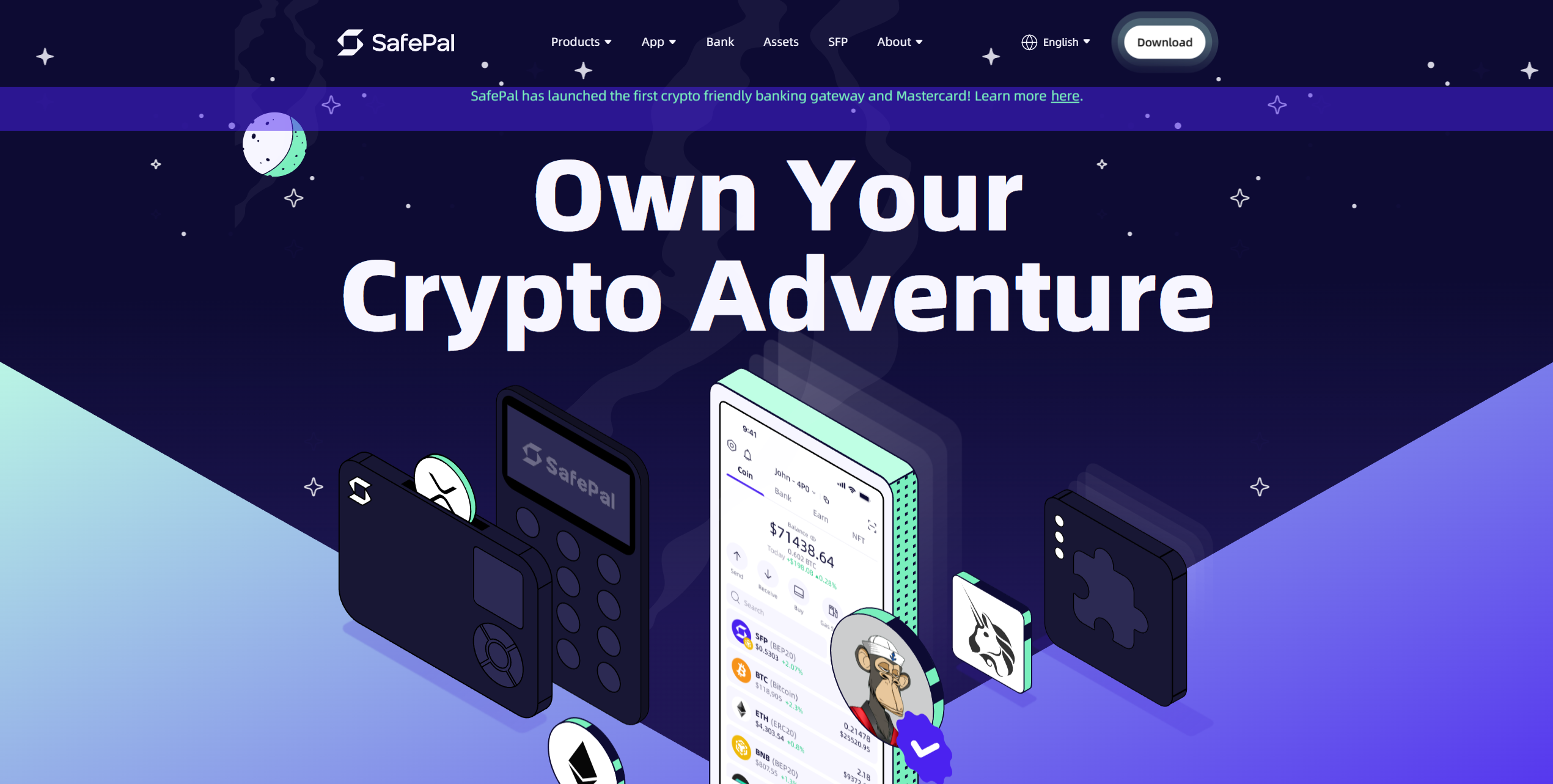
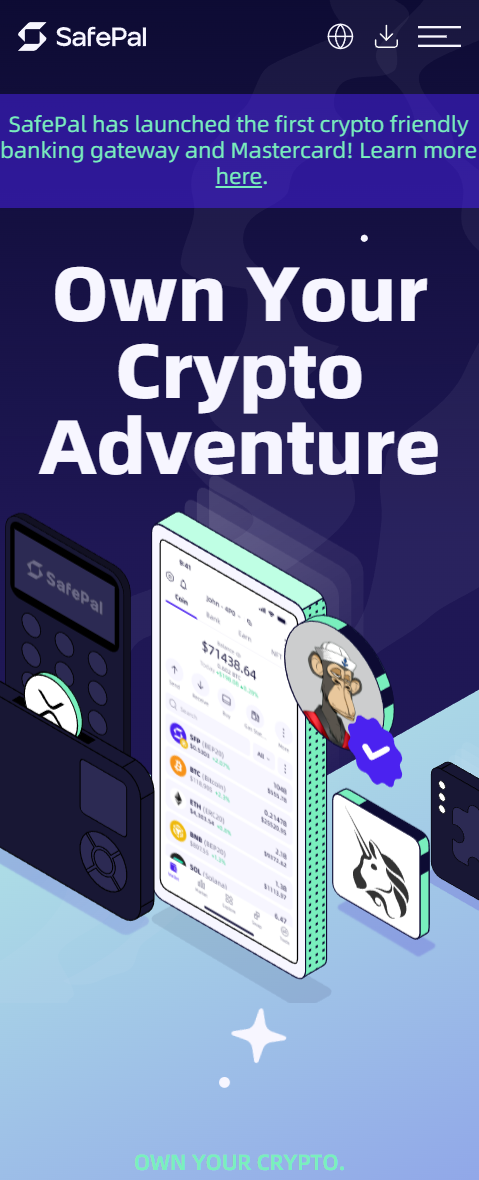
Safepal offers a complete suit of assets operations, with hardware and software wallets that are all multichain and multi-sig in nature. They do not just allow you to store and secure your assets, you can also swap, trade, buy and sell, and above all stake some of your assets to make profits. Safepal is fully anonymous and completely self-custodial, though its source is not 100% open. It supports assets across hundreds of chains and allows integration with lots of DEFIs and DAAPs. Above all, you are allowed to backup your almighty seeds both manually and on the cloud.
Year Founded
- 2018
Cryptocurrencies
- Bitcoin
- Ethereum
- Tether
-
+89
Available countries
- Afghanistan
- Albania
- Algeria
-
+246
Year Founded
- 2017
Headquarters
- Switzerland
Licenses
- N/A - Not disclosed
Cryptocurrencies
- Bitcoin
- Ethereum
- Tether
-
+70
Available countries
- Albania
- Algeria
- American Samoa
-
+228
Languages
- English
- German
- French
-
+6
Features
- Tangem Pay
- Tangem Academy
-
+11
Year Founded
- 2023
Headquarters
- United States
Licenses
- United States (IRS)
Cryptocurrencies
- Bitcoin
- Ethereum
- Tether
-
+10
Available countries
- United States
Languages
- English
Features
- Swap
- Affiliate Program
-
+6
Get $10 in Bitcoin when you register through a referral link from an existing member.


Established in 2011, Kraken is a trusted cryptocurrency exchange renowned for its longevity and diverse trading interfaces, catering to a broad user base.
- Supports hundreds of coins
- High liquidity
- Simple and user-friendly interface
- Good customer support options
- Lots of advanced trading features like margin, futures, and indices trading
- No insurance fund for assets on the platform
- Doesn’t offer a crypto credit card
- No personal wallet service for traders
- Supports only a few fiat currencies
Year Founded
- 2011
Headquarters
- United States
Licenses
- United States (IRS)
- Canada (CRA)
- United Kingdom (HMRC)
-
+7
Cryptocurrencies
- Bitcoin
- Ethereum
- Tether
-
+83
Available countries
- Afghanistan
- Albania
- Algeria
-
+240
Languages
- Chinese (Mandarin)
- English
- French
-
+10
Features
- Cryptowatch
- Forks
-
+29


Uphold Crypto Exchange, founded in the United States in 2014, is a global digital money platform that enables users to buy, sell, and trade various cryptocurrencies.
Year Founded
- 2015
Headquarters
- Bahamas
Licenses
- United States (IRS)
- United Kingdom (HMRC)
- Lithuania
Cryptocurrencies
- Tether
- TrueUSD
- USD Coin
-
+144
Available countries
- Australia
- Canada
- France
-
+9
Languages
- English
- Spanish
Features
- Metals
- National Currencies (Forex)
-
+5
Don’t invest unless you’re prepared to lose all the money you invest.
Earn $10 in Ethereum (ETH) when you stake $100 in ETH for the first time, up to $30 in rewards


Coinbase, a major player since its inception in 2012, is a user-friendly cryptocurrency exchange offering a secure platform for buying, selling, and managing a variety of digital assets.
- Operating since 2012, listed on Nasdaq, and has a BitLicense from New York State Department of Financial Services.
- Offers a variety of assets
- Fast crypto withdrawals
- Lists smaller assets before other big exchanges
- User-friendly interface with intuitive design
- Coinbase Pro offers much better fees!
- This has been the main complaint against Coinbase, although they have committed to hiring more staff.
- Controls customers' private keys
- Restricted to many countries
- Doesn't offer many advanced services
Year Founded
- 2012
Headquarters
- United States
Licenses
- United States (IRS)
- Canada (CRA)
- United Kingdom (HMRC)
-
+4
Cryptocurrencies
- Bitcoin
- Ethereum
- Tether
-
+68
Available countries
- Canada
- France
- Netherlands
-
+6
Languages
- English
- German
- French
-
+9
Features
- Web3
- Borrow
-
+27
Year Founded
- 2013
Headquarters
- Czech Republic
Licenses
- N/A - Not disclosed
Cryptocurrencies
- Bitcoin
- Ethereum
- Tether
-
+204
Available countries
- Afghanistan
- Albania
- Algeria
-
+246
Languages
- English
- Czech
Features
- Trezor Keep
- Trezor Expert Onboarding Session
Year Founded
- 2019
Headquarters
- Israel
Licenses
- N/A - Not disclosed
Cryptocurrencies
- Bitcoin
- Ethereum
- Tether
-
+68
Available countries
- Afghanistan
- Albania
- Algeria
-
+245
Languages
- English
- German
- Portuguese (Brazil)
Features
- Swap
- Multi-Party Computation (MPC)
-
+15

Disclaimer
The information provided on this website is for informational purposes only and should not be considered as financial, investment, or legal advice. Cryptocurrency investments are volatile and high-risk in nature. Consult with a qualified financial advisor and/or tax professional before making any investment decisions. We are not responsible for any loss incurred due to the use of information on this website. Do your own research and exercise caution. Don’t invest unless you’re prepared to lose all the money you invest.
How We Determine the Best USDT Wallets
To identify the best options for a USDT wallet, we focus on the following factors that show its safety, reliability, and ease of use:
- Security Architecture
- Open-source Transparency
- Usability & User Experience
- Backup, Recovery, & Migration
- Supported Coins & Chains
- Transaction Functionality
- Firmware & Longevity
- Reputation
- Price Value
Security Architecture
When we look for the best USDT wallet, we start with the security architecture, as it tells us how well a wallet can protect our money from hackers, damaged devices, or unsafe software. A wallet can offer smooth features, but it becomes useless when its basic security cannot keep your private keys safe. This is why we inspect how each wallet is constructed and the tools it utilizes to block real threats.
To understand a wallet’s security strength, we examine the following elements that reveal the strength of its protection:
- Secure Element (SE) grade, such as a CC EAL5+ certified chip that prevents the extraction of private keys even with advanced tools.
- Key isolation and confirmation that private keys never leave the device, which separates true cold storage from wallets that simulate offline protection.
- Air-gapped operation through QR codes, microSD cards, or NFC that removes any direct connection to the internet.
- Passphrase support, sometimes referred to as the 25th word, and duress PIN modes that protect users during high-pressure or forced access situations.
- Signed firmware and a build that allows independent verification, which ensures the device runs authentic software and not a modified version.
- Supply-chain safeguards, such as tamper-evident packaging and device authentication, prevent compromised hardware from reaching users.
- Defense against physical attacks, including resistance to side-channel extraction, fault injection, and other targeted attempts to capture secrets.
A USDT wallet that performs well in this area earns a higher ranking because its design keeps your coins safe in the long run.
Open-source Transparency
Open-source transparency means the technology behind a wallet is not hidden and can be reviewed by external experts, developers, and the crypto community. Transparency reduces assumptions about trust and allows for real verification.
- Tether wallets that value openness share the core parts of how they work.
- For hardware wallets , this can include the code that runs the device and the files that show how the hardware is built.
- It also consists of the code of the apps you use on your phone or computer to send and receive USDT.
- When code is public, the community can study it for security gaps, backdoors, or poor encryption practices.
- A deeper layer of transparency is reproducible build verification. It allows independent developers to compile the published firmware code themselves and confirm that the output matches the official release. If the generated hash is identical, it proves the firmware distributed by the wallet is the same code shared publicly. Community validation of the firmware’s hash prevents tampered updates from going unnoticed.
Independent security audits are also critical. A transparent wallet discloses:
- Which external cybersecurity or blockchain audit firm assessed the wallet
- The exact scope of the assessment (firmware, app, encryption, wallet key handling)
- The final results and risk severity
- Links to the complete published audit reports
Here’s how we measure open-source transparency:
- Wallet publishes code for firmware, core software, and supporting apps
- Build outputs can be recreated and checked by matching the firmware hash
- Third-party audits exist and are conducted by qualified independent firms
- Audit reports are publicly accessible without restrictions
- Community discussion confirms findings and reproducibility
Usability & User Experience
To determine the best USDT wallets, we evaluate usability and user experience as a key safety factor, in addition to convenience. A wallet should be simple to set up, easy to use, and straightforward in guiding users on how to fix mistakes. A wallet should be simple to set up, easy to use, and straightforward in guiding users on how to correct errors, especially for beginners sending USDT.
Here’s what we examine first:
- Fast and understandable onboarding with an easy step-by-step order
- Minimal confusion in securing wallet access
- Visual clarity when confirming actions
A strong wallet guides users through the initial setup without requiring them to guess steps. From generating a seed phrase to linking a hardware device or connecting an app, every stage must be explained clearly. Each step should be presented in short and direct sentences. We compare visibility and interaction type, including:
- Screen dimensions and brightness
- Tap-based interaction versus physical controls
- Button placement that prevents accidental approvals
Good wallet apps simplify:
- USDT transaction approval
- Security settings and wallet customization
- Update execution without overwhelming menus
Bullet-proof UX must also prevent failure states, so we analyze:
- How the wallet warns users before risky actions
- Whether errors show clear explanations instead of code
- If recovery steps are actionable, complete, and realistic
The best USDT wallet protects users through an innovative design. A wallet could be unsafe if it is confusing to set up, use, or recover. Usability failures lead to lost keys, failed USDT transfers, and avoidable security risks.
Backup, Recovery, & Migration
A strong backup and recovery model ensures that funds remain accessible even after device failure, loss, or a switch to a different platform.
A reliable USDT wallet must support seed formats that are widely recognized. This reduces friction when switching between devices or apps. Backup tools should also provide users with more than one option, which allows them to select a method that suits their risk tolerance.
Key elements we examine include:
- Seed format compatibility: Wallets that accept common standards such as BIP39, Shamir-based shares, or machine-readable seed systems tend to offer better long-term flexibility. These formats help users avoid being locked into a single vendor.
- Backup methods: The best wallets provide multiple ways to safeguard seed data. These may include printed backups, metal plates, or external storage options. More choices mean users can adapt their backup to their environment.
- Recovery workflow: We look at whether the wallet restores access without complications. A good wallet recreates the account without unexpected steps or extra interpretations of the seed phrase. This reduces the chance of mistakes during stressful situations.
- Migration and cross-wallet support: The ability to seamlessly move between hardware and software wallets is another key strength. Wallets that import or export seeds without custom formats make migration practical and less risky.
Supported Coins & Chains
The range of coins and chains a wallet handles plays a significant role in how well it supports USDT holders. A wallet that manages only a narrow set of assets limits users’ ability to grow or move their funds. Broader coverage creates more freedom, especially for those who hold USDT across multiple networks, such as Ethereum, Tron, or newer chains that are gaining adoption.
The following are the key areas of our assessment:
- Range of supported assets: A strong USDT wallet handles major coins like BTC and ETH, ERC-20 tokens, stablecoins, NFTs, and chain-specific assets from networks such as Solana or Tron. Broad support reduces friction when users diversify or adjust their portfolio.
- Update frequency for new tokens: We examine how quickly the wallet integrates emerging assets. Consistent updates reflect active development and long-term maintenance.
- Compatibility with third-party tools: Some users rely on external wallets to handle specific tasks. Support for commonly used apps such as MetaMask , Electrum, or Sparrow strengthens flexibility and offers more control without forcing users to switch platforms entirely.
- Extra on-chain functions: Native tools for staking, NFTs, DeFi interactions, or swaps add utility. These features reduce the need to move assets into external apps, which lowers friction and keeps the experience more cohesive.
Transaction Functionality
Transaction features shape how dependable a USDT wallet feels during everyday use. A strong wallet must handle signing, broadcasting, and coordination with consistent accuracy. This part of our evaluation focuses on how well a wallet manages advanced controls that protect users from errors, mismatches, or unwanted spending conditions.
Key areas we examine include:
- Shared approval options: A capable USDT wallet often supports multi-party authorization. This feature lets teams, families, or security-focused users require more than one signature before a transaction proceeds. It reduces the chance of unauthorized spending and creates stronger oversight.
- Advanced chain features: Some wallets include tools for modern Bitcoin spending rules such as Taproot, SegWit, or policy-driven scripts. These features provide structure and flexibility for users who require detailed transaction control.
- Offline signing consistency: We assess if the wallet produces accurate signing results when used through QR codes or partially signed transaction files. The signature shown on the device must match the one broadcast. This prevents spending errors and keeps users safe when they rely on offline processes. Strong transaction tools enable users to transfer USDT across networks with confidence, manage higher-stakes approvals, and coordinate activity across separate devices without compromising accuracy.
Firmware & Longevity
Firmware governs how the device behaves, how it defends against new threats, and how it remains compatible with evolving standards across multiple platforms. A wallet with consistent, transparent support gives users more confidence that their device will remain dependable for years.
Here are the key areas we assess:
- Update pace and security response: A strong USDT wallet receives updates at a steady rhythm. Teams that act quickly when vulnerabilities appear demonstrate that they take user protection seriously. This also shows that long-term maintenance is part of their roadmap.
- Connection requirements: Some wallets need an internet link during updates. This adds unnecessary exposure for devices meant to protect private keys. We examine how the wallet handles updates and if any step forces the device online.
- Offline update options: The strongest wallets offer updates through microSD cards, QR-based packages, or similar methods. This prevents the device from communicating with external servers, thereby reducing the risk.
- Track record and transparency: We also look at how long the manufacturer has supported past models. Clear version histories, readable changelogs, and stable development help users understand how the wallet evolves.
Reputation
Even a wallet with solid features may fall short if the people behind it lack credibility or fail to address problems responsibly. A clear track record helps show whether the wallet can be relied on during critical moments, mainly when users deal with large amounts of USDT or depend on the wallet for regular transactions.
The main points we review are:
- Team credibility and openness: A reliable USDT wallet typically originates from a developer group with a visible history, clear documentation, and established public communication channels. Teams that explain their design choices and publish verifiable details show stronger accountability.
- Incident record: We check for any past problems such as security flaws, recalls, or design failures. What matters is how the team handled the incident, took responsibility, issued fixes, and informed users.
- Community standing: Independent communities often provide honest impressions. Forums, code repositories, and long-standing discussion boards usually reveal patterns that are difficult to fake. Consistent positive feedback signals trust that has developed over time.
- Engagement with user reports: A wallet that listens to its users and addresses bugs or concerns creates a more dependable ecosystem. Teams that respond, publish fixes, and adapt based on feedback tend to maintain stronger reputations.
Price Value
Price value shows how well a USDT wallet balances cost and essential features. A low price may appear appealing at first glance, but a wallet still requires strong protection, dependable hardware, and long-term support. A higher price can make sense if the device includes durable materials or accessories that improve daily use. Our review focuses on how each wallet delivers value compared with its peers and how much users receive for the amount they spend.
Key points we consider include:
- Core package and accessories: The best Tether wallet offers a fair base price with helpful items included from the start. These can include cables, backup cards, or tools that help users set up the device without needing to purchase additional parts.
- Optional upgrades: Some wallets are available with stronger materials, touch displays, or additional backup tools. These upgrades can raise the price. We examine how much each upgrade enhances durability or usability.
- Feature alignment with competitors: A wallet should match or exceed the functions offered by others in the same tier. We compare transaction tools, security layers, and supported networks to determine if the asking price aligns with the feature set.
- Impact of low-cost build choices: A budget option may reduce essential elements such as housing quality, backup flexibility, or physical controls. We verify whether lower pricing leads to gaps that put users at risk.
 DON’T GET REKT
Curated drops, testnets and red flag alerts straight to your inbox ✌️
 You’re in. Thanks for joining our newsletter.

Final Tips
Choosing a Tether wallet becomes much easier when you focus on the features that protect your USDT and support your daily needs. Look for strong security, smooth recovery options, and precise transaction controls, as these elements help prevent common risks that can lead to loss or mistakes.
A wallet with a solid chain support also enables you to move USDT across networks without extra hassle. Before making a final choice, review the strengths and limits of each option we ranked. A balanced focus on safety, function, and long-term support helps you choose a wallet that keeps your USDT secure and ready for use.
Frequently Asked Questions
-
01.
Can I store USDT on multiple blockchains in the same wallet?
Yes. You can store USDT on multiple blockchains using the same wallet, but with conditions. USDT exists in various versions, including ERC-20 (Ethereum), TRC-20 (Tron), and BEP-20 (BNB Chain), among others. If your wallet supports multiple blockchains, you can hold USDT from different networks in one place.
-
02.
Can I store USDT on a hardware wallet and still use it for DeFi?
Yes. Hardware wallets, such as those from Ledger or Trezor, support USDT on various blockchains while keeping keys offline, thereby securing storage. However, to use USDT in DeFi, you may need to move it to a software wallet or platform that supports smart-contract interaction.
-
03.
Is it safe to keep USDT on an exchange?
Storing USDT on an exchange can be convenient, but it is not always a safe option. When you leave USDT on an exchange, you do not control the private keys; the platform does. If the exchange is hacked, goes bankrupt, or gets shut down, you could lose your funds. Exchanges can also suffer from security breaches or regulatory issues that freeze withdrawals.
-
04.
What happens if I send USDT to the wrong blockchain?
If you send USDT on blockchain A to a wallet expecting blockchain B (for example, ERC-20 to TRC-20), the coins may be lost or irretrievable. Once a blockchain transaction is confirmed, it cannot be undone.
-
05.
Can I earn passive income through staking on USDT directly through my wallet?
You cannot earn passive income by holding USDT in your wallet. USDT is a stablecoin, not a Proof-of-Stake token, and therefore does not generate staking rewards on its own. To earn income with USDT, you must deposit it into a yield-bearing platform. For example, by lending it on a centralized exchange, placing it in a DeFi lending pool, or contributing it to a liquidity-providing or yield-vault system.


