


Choosing the best Ethereum wallet depends on how well it protects your private keys, supports daily transactions, and adapts to different blockchain needs. This guide compares the top wallets in terms of security strength, usability, chain compatibility, long-term reliability, and overall value for money.
Key Takeaways
- A top Ethereum wallet provides an intuitive setup, straightforward navigation, and responsive interfaces, ensuring a secure experience for users of all skill levels.
- Major Ethereum wallets support multiple coins and blockchains, allowing users to manage diverse cryptocurrency portfolios, including ERC-20 tokens and NFTs, from a single interface.
- Ethereum wallets with open-source codebases promote transparency, allowing independent audits and community-level verifiable security.
Best Ethereum Wallets Listed & Ranked
-
 PromotionsCoins


-
 Coins
Coins

-
 Coins
Coins


-
 Coins
Coins

-
 PromotionsCoins



-
 PromotionsCoins
-
 PromotionsCoins
-
 Coins
Coins
Best Ethereum Wallets Reviewed


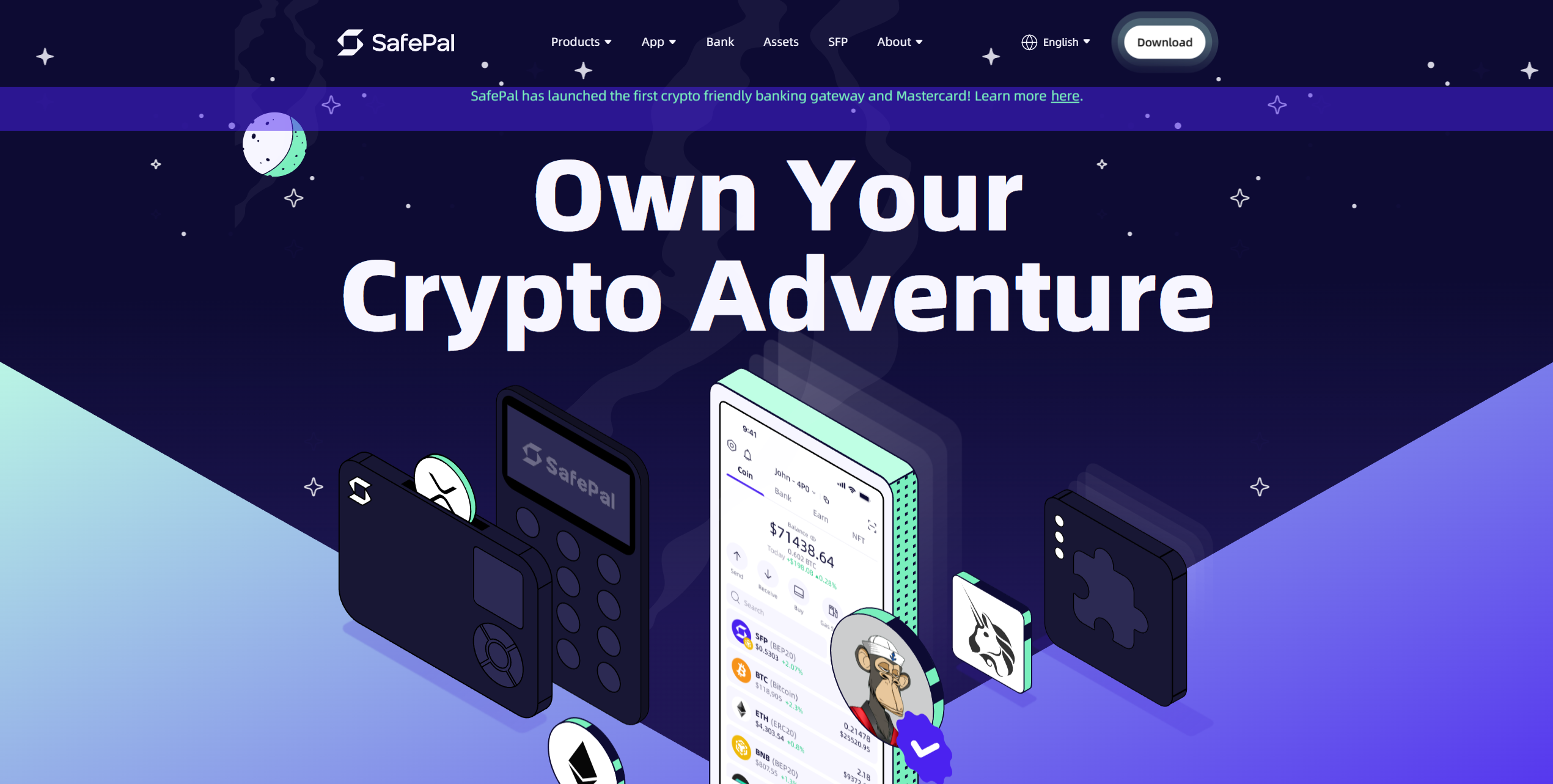
Safepal offers a complete suit of assets operations, with hardware and software wallets that are all multichain and multi-sig in nature. They do not just allow you to store and secure your assets, you can also swap, trade, buy and sell, and above all stake some of your assets to make profits. Safepal is fully anonymous and completely self-custodial, though its source is not 100% open. It supports assets across hundreds of chains and allows integration with lots of DEFIs and DAAPs. Above all, you are allowed to backup your almighty seeds both manually and on the cloud.
Year Founded
- 2018
Cryptocurrencies
- Bitcoin
- Ethereum
- Tether
-
+89
Available countries
- Afghanistan
- Albania
- Algeria
-
+246
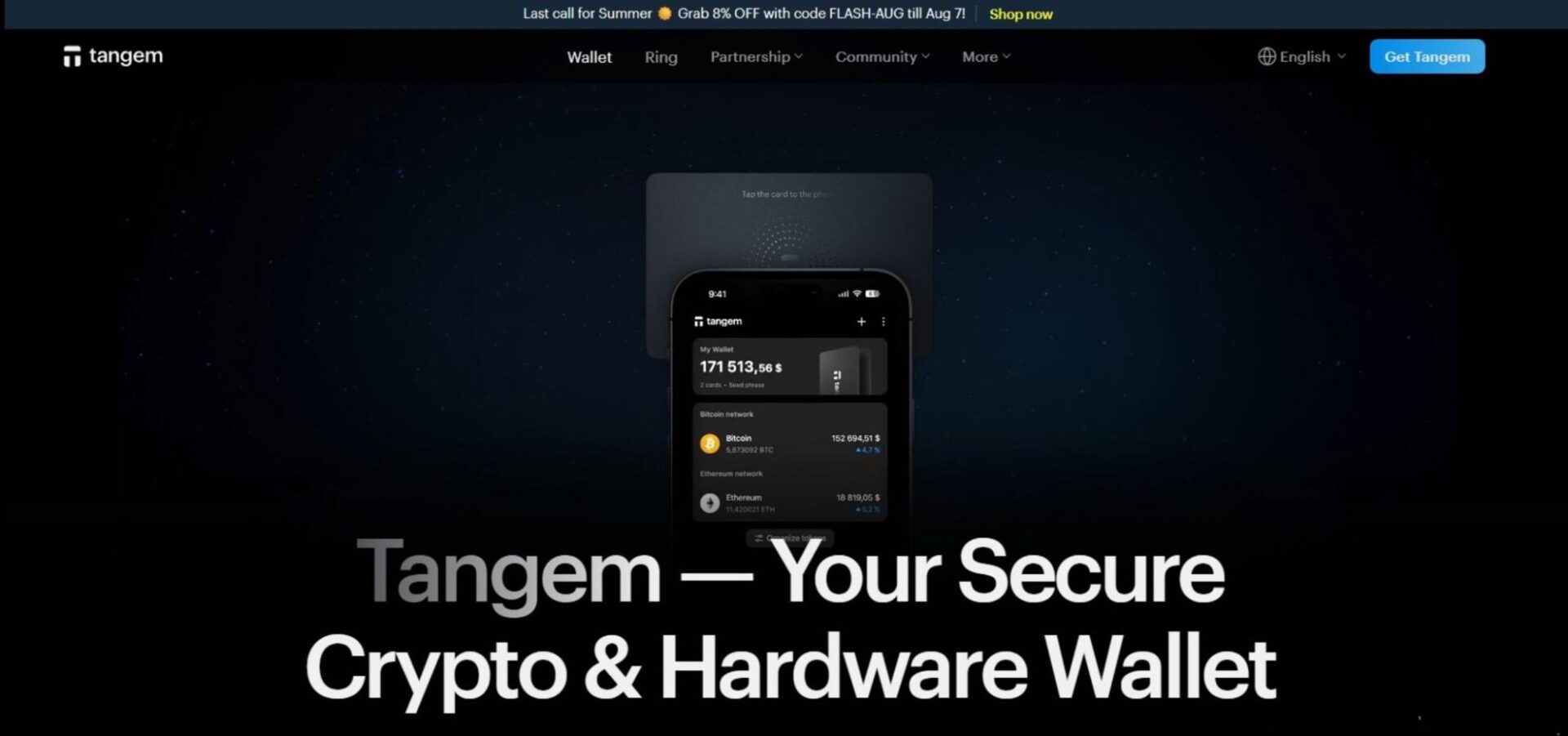
Year Founded
- 2017
Headquarters
- Switzerland
Licenses
- N/A - Not disclosed
Cryptocurrencies
- Bitcoin
- Ethereum
- Tether
-
+70
Available countries
- Albania
- Algeria
- American Samoa
-
+228
Languages
- English
- German
- French
-
+6
Features
- Tangem Pay
- Tangem Academy
-
+11
Year Founded
- 2023
Headquarters
- United States
Licenses
- United States (IRS)
Cryptocurrencies
- Bitcoin
- Ethereum
- Tether
-
+10
Available countries
- United States
Languages
- English
Features
- Swap
- Affiliate Program
-
+6
Get $10 in Bitcoin when you register through a referral link from an existing member.


Established in 2011, Kraken is a trusted cryptocurrency exchange renowned for its longevity and diverse trading interfaces, catering to a broad user base.
- Supports hundreds of coins
- High liquidity
- Simple and user-friendly interface
- Good customer support options
- Lots of advanced trading features like margin, futures, and indices trading
- No insurance fund for assets on the platform
- Doesn’t offer a crypto credit card
- No personal wallet service for traders
- Supports only a few fiat currencies
Year Founded
- 2011
Headquarters
- United States
Licenses
- United States (IRS)
- Canada (CRA)
- United Kingdom (HMRC)
-
+7
Cryptocurrencies
- Bitcoin
- Ethereum
- Tether
-
+83
Available countries
- Afghanistan
- Albania
- Algeria
-
+240
Languages
- Chinese (Mandarin)
- English
- French
-
+10
Features
- Cryptowatch
- Forks
-
+29


Uphold Crypto Exchange, founded in the United States in 2014, is a global digital money platform that enables users to buy, sell, and trade various cryptocurrencies.
Year Founded
- 2015
Headquarters
- Bahamas
Licenses
- United States (IRS)
- United Kingdom (HMRC)
- Lithuania
Cryptocurrencies
- Tether
- TrueUSD
- USD Coin
-
+144
Available countries
- Australia
- Canada
- France
-
+9
Languages
- English
- Spanish
Features
- Metals
- National Currencies (Forex)
-
+5
Don’t invest unless you’re prepared to lose all the money you invest.
Earn $10 in Ethereum (ETH) when you stake $100 in ETH for the first time, up to $30 in rewards


Coinbase, a major player since its inception in 2012, is a user-friendly cryptocurrency exchange offering a secure platform for buying, selling, and managing a variety of digital assets.
- Operating since 2012, listed on Nasdaq, and has a BitLicense from New York State Department of Financial Services.
- Offers a variety of assets
- Fast crypto withdrawals
- Lists smaller assets before other big exchanges
- User-friendly interface with intuitive design
- Coinbase Pro offers much better fees!
- This has been the main complaint against Coinbase, although they have committed to hiring more staff.
- Controls customers' private keys
- Restricted to many countries
- Doesn't offer many advanced services
Year Founded
- 2012
Headquarters
- United States
Licenses
- United States (IRS)
- Canada (CRA)
- United Kingdom (HMRC)
-
+4
Cryptocurrencies
- Bitcoin
- Ethereum
- Tether
-
+68
Available countries
- Canada
- France
- Netherlands
-
+6
Languages
- English
- German
- French
-
+9
Features
- Web3
- Borrow
-
+27
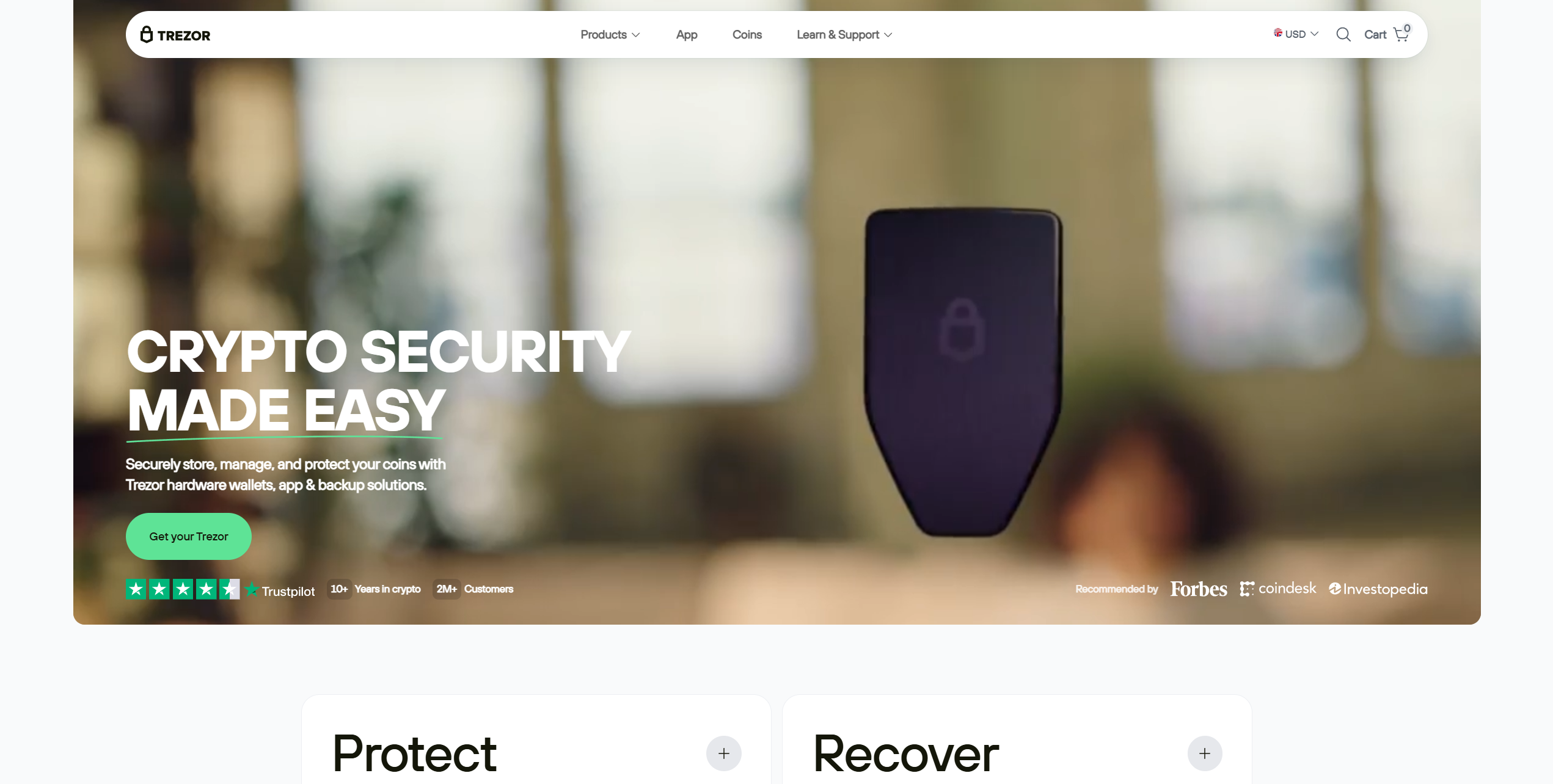
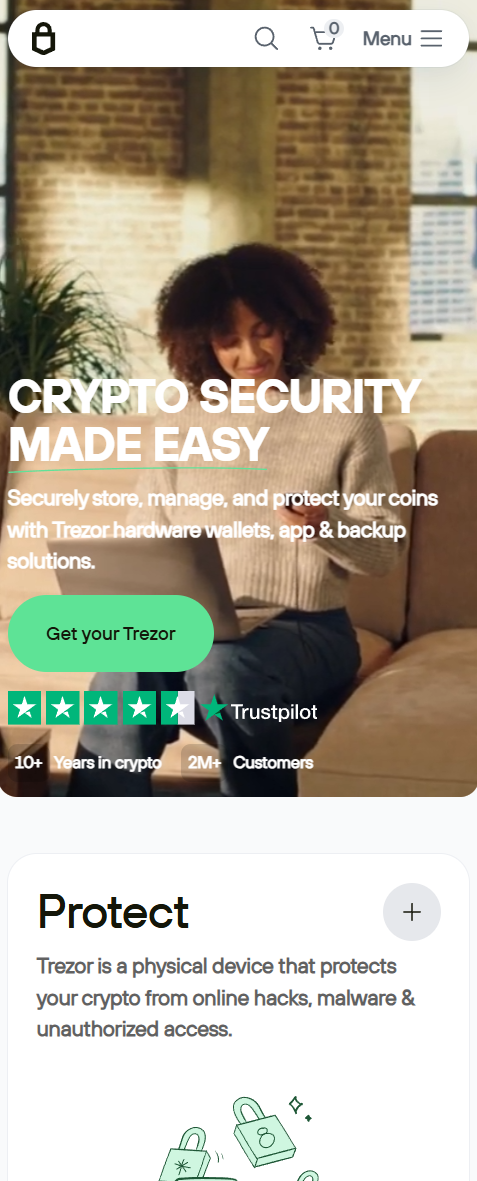
Year Founded
- 2013
Headquarters
- Czech Republic
Licenses
- N/A - Not disclosed
Cryptocurrencies
- Bitcoin
- Ethereum
- Tether
-
+204
Available countries
- Afghanistan
- Albania
- Algeria
-
+246
Languages
- English
- Czech
Features
- Trezor Keep
- Trezor Expert Onboarding Session
Year Founded
- 2019
Headquarters
- Israel
Licenses
- N/A - Not disclosed
Cryptocurrencies
- Bitcoin
- Ethereum
- Tether
-
+68
Available countries
- Afghanistan
- Albania
- Algeria
-
+245
Languages
- English
- German
- Portuguese (Brazil)
Features
- Swap
- Multi-Party Computation (MPC)
-
+15

Disclaimer
The information provided on this website is for informational purposes only and should not be considered as financial, investment, or legal advice. Cryptocurrency investments are volatile and high-risk in nature. Consult with a qualified financial advisor and/or tax professional before making any investment decisions. We are not responsible for any loss incurred due to the use of information on this website. Do your own research and exercise caution. Don’t invest unless you’re prepared to lose all the money you invest.
How We Determine the Best Ethereum Wallets
Finding the best Ethereum wallets involves evaluating the following qualities that contribute to long-term reliability and user confidence:
- Security Architecture
- Open-source Transparency
- Usability & User Experience
- Backup, Recovery, & Migration
- Supported Coins & Chains
- Transaction Functionality
- Firmware & Longevity
- Reputation
- Price Value
Security Architecture
When evaluating the security architecture of an Ethereum wallet, we consider the following factors:
- Presence and grade of a Secure Element (SE): A Secure Element is a hardened microcontroller designed to store private keys and resist extraction attempts. Consider wallets that include an SE with a strong certification level, such as CC EAL5+ or higher. A higher assurance rating means the chip has undergone extensive testing against physical tampering, fault injection, and side-channel attacks. This gives the device a stronger baseline defense against both casual and sophisticated attackers.
- Keeping private keys on the device: The best wallets ensure private keys remain on the hardware at all times. Signing must occur internally, with only the signed transaction data leaving the device. This prevents accidental exposure of the keys to malware-infected computers, networked systems, or insecure interfaces. When keys never leave the hardware, the device operates as a true cold wallet rather than a pseudo-cold one.
- Implementation of air-gapping: Air-gapped wallets avoid direct computer or network connections. Instead, they rely on QR codes, microSD cards, or NFC methods to transfer data. It helps to reduce the attack surface because the device never has a live communication channel that an attacker can exploit. Proper air-gapping is particularly valuable for users who want to eliminate risks associated with USB or Bluetooth connections.
- Support for passphrases and duress/decoy PINs: A passphrase , sometimes with an additional “25th word,” creates an additional layer of security as the wallet only unlocks when the passphrase is entered. Duress or decoy PINs add another layer by opening a harmless wallet if the user is forced to unlock the device. These features help to protect users against physical coercion or exposure to their seed phrase. This ensures that compromising one layer does not compromise all assets.
- Firmware signing and reproducibility: We assess whether firmware updates are digitally signed and whether the code can be independently verified. Signed firmware ensures that the device only installs authentic updates, preventing malicious code from being injected. Reproducibility or verifiable builds enable third parties to confirm that the published source code matches the firmware running on the device, and help to reduce supply-chain risk.
- Supply-chain protection: A strong security architecture accounts for threats that may occur before the device reaches the user. Consider performing authenticity checks on first boot, and not using a tampered device. These steps help guarantee that users receive genuine and uncompromised hardware.
- Attack surface testing and physical hardening: We also verify documented resistance to attacks, including side-channel analysis, glitching, and direct physical probing. This includes testing how the device responds when an attacker has physical access to it.
Open-source Transparency
A trustworthy Ethereum wallet allows its community to inspect how it works. Openness removes guesswork and replaces it with verifiable security. When evaluating wallets for transparency, we focus on several key elements that reveal a wallet’s commitment to open development and peer-driven security review.
- Open-source availability of firmware, hardware schematics, and companion apps: A wallet earns high marks when its firmware, hardware designs, and desktop or mobile apps are all openly published. This allows anyone with the necessary technical skills to inspect the code, review how private keys are handled, and ensure that no hidden data paths or undisclosed functions exist.
- Reproducible build verification: Reproducible builds allow the community to compile the wallet’s source code and check whether the resulting binary matches the official firmware. This removes the risk of a manufacturer publishing clean source code while distributing a different and potentially unsafe build. If users can independently verify the firmware’s hash and confirm that it matches, transparency becomes measurable rather than symbolic.
- Independent security audits with public reports: We examine who performed the audits, the reputation of the auditors, and whether the reports are available for public review. A strong audit history shows ongoing accountability. Public reports disclose the issues identified, the methods used to resolve them, and the project’s response to the vulnerabilities.
Usability & User Experience
A secure Ethereum wallet is only as good as its ability to be used effectively from the first setup to ongoing transactions. We examine every interaction a user has with their wallet to ensure that both beginners and experienced holders can navigate it effectively.
- Initial setup flow: We begin by reviewing the seamless onboarding process. This includes evaluating the clarity of seed phrase generation, the ease of device pairing, and the overall guidance provided during the setup process. The best Ethereum wallets make these steps intuitive to minimize confusion and reduce the risk of critical errors during the initialization process.
- Screen quality and navigation: We analyze the screen size, brightness, and readability, as well as whether a wallet uses a touchscreen or physical buttons. A high-quality display with responsive controls enhances usability, particularly when confirming transactions or verifying addresses.
- Companion app user experience: For wallets that pair with a mobile or desktop app, we test how fluidly users can sign transactions, update firmware, and navigate settings. The most user-friendly apps offer clear prompts, logical menus, and responsive interfaces that simplify complex actions.
- Accessibility for beginners: We pay close attention to how forgiving a wallet is for first-time users. The ideal wallet minimizes the chance of making irreversible mistakes, such as losing access or mismanaging funds, through step-by-step instructions and intuitive layouts.
- Error handling and recovery: Finally, we simulate real-world scenarios, ranging from lost devices to network interruptions, to assess how effectively the wallet guides users through the recovery process. A top-tier Ethereum wallet offers clear and reassuring recovery steps that help users regain control without panic.
Backup, Recovery & Migration
Our evaluation process places strong emphasis on how well an Ethereum wallet handles backup, recovery, and migration. We evaluated the following:
- Supported seed formats: We first assess the seed standards a wallet supports, such as BIP39, SLIP-39 (Shamir Backup), or SeedQR. Wallets that support multiple formats provide greater flexibility for users who may want to restore their assets using different systems or migrate between wallets over time.
- Backup methods: The method a wallet uses to back up private keys plays a significant role in both safety and convenience. We evaluate whether backups can be done through paper, metal plates, or encrypted microSD cards, and how clearly users are guided through each option. The best Ethereum wallets strike a balance between user-friendliness and long-term resilience against damage, theft, or loss.
- Recovery process: A sound recovery system should be straightforward and reliable. So, we test how easily a wallet can restore access to funds using its backup materials and whether that process works smoothly on other devices. Clear instructions and error-proof recovery flows are crucial for maintaining trust and minimizing panic in the event of data loss.
- Cross-compatibility: Finally, we examine the compatibility of each wallet with other hardware or software wallets. Seamless migration ensures that users are not locked into a single ecosystem, allowing them to transition between platforms easily. This offers freedom to switch providers or upgrade without technical obstacles.
Supported Coins & Chains
While Ethereum wallets are primarily designed for ETH and ERC-20 tokens, the best ones go far beyond that. In our evaluations, we focus on the breadth, depth, and versatility of the wallet’s multi-chain capabilities. Here are the factors we checked:
- Number and diversity of supported assets: We begin by reviewing the variety of supported coins and tokens, including Bitcoin (BTC), Ethereum (ETH), ERC-20 tokens, NFTs, and other popular chains such as Solana or Polygon. Wallets that support multiple networks enable users to consolidate their portfolios and simplify management, all while maintaining security and stability.
- Frequency of updates and token additions: The cryptocurrency landscape changes and evolves rapidly, so we assess how frequently wallets add new tokens or support new blockchains. Regular updates indicate that a wallet’s development team is active, responsive, and committed to staying current with emerging ecosystems. This is an essential factor for long-term usability.
- Integration with third-party wallets: We also consider how well each wallet integrates with third-party wallet software, such as MetaMask, Electrum, or Sparrow. Compatibility with these tools enhances flexibility, allowing users to interact with decentralized apps (dApps ) or utilize advanced features not natively built into the wallet.
- Native support for advanced features: Finally, we evaluate whether the wallet includes built-in support for staking , NFT storage and viewing, DeFi protocols, or token swaps. Having these features integrated reduces reliance on external platforms, creating a smoother and more all-in-one experience.
Transaction Functionality
An Ethereum wallet’s ability to handle complex, secure, and efficient transactions determines its practicality for both everyday users and advanced investors. We evaluated the following factors:
- Multisig and PSBT support: We start by examining whether the wallet supports multisignature transactions and Partially Signed Bitcoin Transactions (PSBTs). These features are essential for shared accounts, organizational use, or anyone seeking additional layers of security. Wallets that handle multisig setups intuitively and PSBT flows accurately provide both enhanced control and peace of mind during collaborative transactions.
- Bitcoin transaction features: We test the inclusion of Bitcoin-specific standards, such as Taproot, SegWit, and Miniscript, even for Ethereum-focused wallets. These functionalities reflect how well the wallet integrates cross-chain technologies and maintains compatibility with Bitcoin’s latest improvements in privacy, efficiency, and scripting flexibility.
- Ethereum transaction capabilities: For Ethereum itself, we focus on modern standards such as EIP-1559 (for dynamic gas fees), NFT signing, and WalletConnect 2.0 integration. Wallets that support these ensure users can interact smoothly with decentralized applications, sign NFT transactions securely, and experience predictable transaction fees.
- Offline signing and accuracy: Lastly, we test offline signing mechanisms, whether through QR codes, PSBTs, or air-gapped devices, to confirm that transactions match precisely between what’s shown and what’s signed. Any inconsistency in this process could expose users to risk; therefore, accuracy is crucial.
Firmware & Longevity
The long-term reliability of an Ethereum wallet depends heavily on how well its firmware is maintained and updated. Here are the factors we evaluated:
- Frequency of updates and vulnerability response: We assess how often firmware updates are released and how quickly the wallet’s development team responds to new security threats or discovered vulnerabilities. Timely updates indicate an active and responsible development team committed to keeping users’ assets safe as the crypto landscape changes.
- Security update (Online vs. Offline): Not all firmware updates are created equal. We review whether a wallet requires an internet connection to update, which can pose potential security risks. The most secure wallets use offline update mechanisms. This reduces exposure to malicious interference during the upgrade process.
- Offline update capability: Wallets that support firmware updates via microSD cards or QR codes receive higher ratings in this category. These methods enable users to securely install updates without ever connecting their wallet directly to a networked device, which preserves air-gapped integrity.
- Longevity and manufacturer transparency: Finally, we assess the manufacturer’s long-term support, including version transparency, changelog documentation, and historical reliability. An Ethereum wallet backed by a reputable company with clear communication and consistent firmware maintenance reassures users that their device will remain secure and functional in the future.
Reputation
A strong reputation reflects how well a wallet performs and how it has stood the test of time in real-world use and scrutiny from the crypto community. Here’s how we determine a wallet’s reputation:
- Developer background and transparency: We begin by evaluating the team behind the wallet, including their track record, transparency regarding company operations, and willingness to disclose development practices. Ethereum wallets backed by established and transparent developers inspire greater trust, especially when the codebase is open source and publicly auditable.
- Security history and incident response: A wallet’s past is a valuable indicator of its security culture. We review any security incidents, recalls, or breaches, as well as the company’s response to them. Honest communication and effective mitigation strategies show responsibility and professionalism, even in challenging situations.
- Community reputation: To get an unfiltered view, we analyze community discussions and reviews on platforms such as Reddit, GitHub, and BitcoinTalk. Feedback from long-term users helps reveal practical strengths and weaknesses.
- Responsiveness to user feedback: Finally, we evaluate how actively the development team engages with users, handles bug reports, and incorporates suggestions. An Ethereum wallet with responsive support channels and regular improvements demonstrates a commitment to continuous enhancement and user satisfaction.
Price Value
We evaluated what users actually receive for their money to ensure that the cost reflects quality, functionality, and long-term value. Our goal is to identify wallets that deliver the right balance between affordability and essential security without unnecessary compromises or inflated pricing. We assessed the following factors:
- Base price and included accessories: We start by comparing each wallet’s base cost alongside the included accessories, such as connection cables, seed phrase cards, or protective cases. Some devices may appear affordable at first glance but require additional purchases to function correctly, while others include everything needed right out of the box.
- Optional bundles and premium builds: Next, we examine optional bundles and material quality. Premium wallets may feature metal casings, color touchscreens, or enhanced displays, which contribute to both durability and usability. We assess whether these premium elements justify the higher price or simply serve as cosmetic upgrades.
- Feature parity vs. competitors: Our team evaluates how features compare to those of similarly priced alternatives. We examine whether a wallet’s price aligns with its capabilities, particularly in areas such as security features, connectivity options, and supported assets. A higher price should be backed by superior performance or innovation, not just branding.
- Budget options and security trade-offs: Lastly, we analyze budget wallets to determine if affordability comes at the expense of critical security features. The best low-cost wallets still maintain strong protection standards, even without the use of luxury materials.
 DON’T GET REKT
Curated drops, testnets and red flag alerts straight to your inbox ✌️
 You’re in. Thanks for joining our newsletter.

Final Tips
Choosing the right Ethereum wallet is a crucial step in securing your digital assets and ensuring seamless interaction with the blockchain ecosystem. Aside from storing your ETH tokens, a good Ethereum wallet also safeguards your private keys, simplifies transactions, and supports multiple networks for flexibility.
Here are some final tips to help you choose wisely:
- Prioritize security first: Always choose wallets with proven encryption, secure elements, and robust backup options to safeguard your funds.
- Check for transparency: Choose a wallet that offers open-source verification or publishes regular security audits.
- Consider usability: Opt for wallets that offer clear interfaces, straightforward recovery processes, and helpful customer support.
- Look for multi-chain support: Versatile wallets enable you to manage ETH, ERC-20 tokens, NFTs, and more within a single platform.
- Stay updated: Regular firmware or app updates ensure your wallet remains compatible and secure against new threats.
Frequently Asked Questions
-
01.
How do I choose the best Ethereum wallet for my needs?
To choose the best Ethereum wallet, consider your priorities. For maximum security, consider using a hardware wallet, such as Ledger or Trezor. For daily use or quick access, mobile or web wallets such as MetaMask are great options. Ensure the wallet supports your goals, such as staking, NFTs, or DeFi.
-
02.
Can I store other cryptocurrencies in an Ethereum wallet?
Most Ethereum wallets are primarily designed for Ethereum and ERC-20 tokens, which encompass thousands of assets built on the Ethereum network. If you want to store multiple types of cryptocurrency in one place, consider a multi-chain wallet that supports additional networks.
-
03.
Can I connect my Ethereum wallet to DeFi and NFT platforms?
Yes, most Ethereum wallets can easily connect to DeFi and NFT platforms. Wallets like MetaMask, Trust Wallet, and Coinbase Wallet allow you to link directly to apps such as Uniswap, OpenSea, and Aave. Always verify that you’re connecting to legitimate platforms and never approve unknown requests.
-
04.
What happens if I lose my Ethereum wallet or device?
If you lose access to your Ethereum wallet or device, you can recover your funds using your recovery phrase, also known as the seed phrase. Without it, your crypto can’t be recovered, as wallets are decentralized and no one else can reset them.
-
05.
Are Ethereum wallets free to use?
Yes. Most Ethereum wallets are free to download and use. You can create a wallet without paying any setup fees. However, these wallets require an upfront purchase for the physical device.


