


Want to know how to buy Ethereum safely and where to buy it in 2026? After testing dozens of cryptocurrency exchanges and wallets, we at CryptoManiaks have created a clear guide that explains where to buy Ethereum (ETH), the best places to purchase ETH, and how to invest in Ethereum smartly.
Whether you want to use a centralized exchange, a crypto wallet, or a decentralized platform, this guide covers the easiest ways to buy Ethereum and keep your investment secure.
Let’s dive in.
Key Takeaways
- Centralized exchanges (CEXs) remain the easiest way to buy Ethereum for beginners due to their simple interfaces and familiar payment methods.
- The safest long-term method to invest in Ethereum is to move it off an exchange into a non-custodial hardware wallet after purchase.
- Following ETF approvals and the transition to Proof-of-Stake, Ethereum is now seen as a high-utility, semi-stable long-term hold, but price volatility remains a reality.
- Staking ETH is one of the best ways to earn passive income, now available on major exchanges and through self-custody protocols.
Why Trust Us?
At CryptoManiaks, we combine real-world crypto experience with rigorous analysis. Our team personally tests every exchange, wallet, and purchase method mentioned here, verifying fees, user experience, and security features.
We cross-check each platform’s regulatory status, proof-of-reserves, and insurance coverage to ensure that our readers can confidently follow our recommendations.
We don’t accept paid placement or sponsorships that could bias our evaluations. Our goal is simple: to provide the most accurate, transparent, and trustworthy crypto education online.
What is ETH?
Ethereum (ETH) is a decentralized, open-source blockchain that enables developers to create and deploy smart contracts; self-executing pieces of code that automatically perform actions when certain conditions are met.
Launched in 2015 by Vitalik Buterin and a group of pioneering developers, Ethereum was designed to go beyond Bitcoin’s capabilities by offering programmable money and decentralized applications (dApps).
The native cryptocurrency, Ether (ETH), serves multiple purposes: it powers transactions, pays for computational work (“gas”), and acts as collateral within the growing world of decentralized finance (DeFi) . Ethereum effectively functions as the infrastructure layer of Web3, underpinning everything from decentralized exchanges and lending platforms to NFTs and gaming economies.
Since its inception, Ethereum has undergone numerous upgrades, most notably the “Merge” in 2022, which transitioned it from energy-intensive Proof-of-Work (PoW) to energy-efficient Proof-of-Stake (PoS) validation. These upgrades have made the network faster, greener, and more scalable.
In 2026, Ethereum continues to dominate as the second-largest blockchain network after Bitcoin, supporting over 60% of all active DeFi projects and the majority of NFT marketplaces. Its ongoing evolution, through layer-2 scaling, zk-rollups, and the Dencun upgrade, cements its role as the backbone of the decentralized internet.
Safety, Reliability, and Profitability of Ethereum
Ethereum’s Merge reduced energy consumption by over 99% and enabled native staking, allowing users to earn yield by locking their ETH to help secure the network.
This change made Ethereum not only more sustainable but also more economically efficient. With staking yields averaging 3–5% annually, ETH has become a legitimate yield-bearing digital asset, a rarity among major cryptocurrencies.
In terms of reliability, Ethereum boasts one of the longest operational histories. Security remains robust, thanks to thousands of validators and the ongoing development of layer-2 ecosystems that reduce congestion.
Profitability depends on market cycles, but Ethereum has consistently proven itself resilient across both bull and bear markets. Many long-term investors view ETH as a blue-chip crypto with high utility and steady institutional adoption.
What Are The Top Ethereum Exchanges in 2026
-
 Coins
Coins



 Deposit Methods
 Avg. Spread The difference between the buy (ask) and sell (bid) price for popular trading pairs. Lower spreads mean better pricing and less slippage for you.
 -
 Coins
Coins
 Deposit Methods

 Avg. Spread The difference between the buy (ask) and sell (bid) price for popular trading pairs. Lower spreads mean better pricing and less slippage for you.
 -
 Coins
Coins


 Deposit Methods
Avg. Spread The difference between the buy (ask) and sell (bid) price for popular trading pairs. Lower spreads mean better pricing and less slippage for you.
Deposit Methods
Avg. Spread The difference between the buy (ask) and sell (bid) price for popular trading pairs. Lower spreads mean better pricing and less slippage for you. -
 PromotionsCoins
 Deposit Methods
 Avg. Spread The difference between the buy (ask) and sell (bid) price for popular trading pairs. Lower spreads mean better pricing and less slippage for you.
 -
 Coins
Deposit Methods
Avg. Spread The difference between the buy (ask) and sell (bid) price for popular trading pairs. Lower spreads mean better pricing and less slippage for you.
Coins
Deposit Methods
Avg. Spread The difference between the buy (ask) and sell (bid) price for popular trading pairs. Lower spreads mean better pricing and less slippage for you. -
 Coins
Deposit Methods
Avg. Spread The difference between the buy (ask) and sell (bid) price for popular trading pairs. Lower spreads mean better pricing and less slippage for you.
Coins
Deposit Methods
Avg. Spread The difference between the buy (ask) and sell (bid) price for popular trading pairs. Lower spreads mean better pricing and less slippage for you. -
 PromotionsCoins
Deposit Methods
PromotionsCoins
Deposit Methods
 Avg. Spread The difference between the buy (ask) and sell (bid) price for popular trading pairs. Lower spreads mean better pricing and less slippage for you.
 -
 Coins
Coins

 Deposit Methods
Avg. Spread The difference between the buy (ask) and sell (bid) price for popular trading pairs. Lower spreads mean better pricing and less slippage for you.
Deposit Methods
Avg. Spread The difference between the buy (ask) and sell (bid) price for popular trading pairs. Lower spreads mean better pricing and less slippage for you. -
 Coins
Deposit Methods
Coins
Deposit Methods
 Avg. Spread The difference between the buy (ask) and sell (bid) price for popular trading pairs. Lower spreads mean better pricing and less slippage for you.
 -
 PromotionsCoins
Deposit Methods
Avg. Spread The difference between the buy (ask) and sell (bid) price for popular trading pairs. Lower spreads mean better pricing and less slippage for you.
PromotionsCoins
Deposit Methods
Avg. Spread The difference between the buy (ask) and sell (bid) price for popular trading pairs. Lower spreads mean better pricing and less slippage for you. -
 Coins
Deposit Methods
Avg. Spread The difference between the buy (ask) and sell (bid) price for popular trading pairs. Lower spreads mean better pricing and less slippage for you.
Coins
Deposit Methods
Avg. Spread The difference between the buy (ask) and sell (bid) price for popular trading pairs. Lower spreads mean better pricing and less slippage for you. -
 Coins
Coins
 Deposit Methods

 Avg. Spread The difference between the buy (ask) and sell (bid) price for popular trading pairs. Lower spreads mean better pricing and less slippage for you.
 -
 Coins
Deposit Methods
Avg. Spread The difference between the buy (ask) and sell (bid) price for popular trading pairs. Lower spreads mean better pricing and less slippage for you.
Coins
Deposit Methods
Avg. Spread The difference between the buy (ask) and sell (bid) price for popular trading pairs. Lower spreads mean better pricing and less slippage for you. -
 Coins
Deposit Methods
Avg. Spread The difference between the buy (ask) and sell (bid) price for popular trading pairs. Lower spreads mean better pricing and less slippage for you.
Coins
Deposit Methods
Avg. Spread The difference between the buy (ask) and sell (bid) price for popular trading pairs. Lower spreads mean better pricing and less slippage for you. -
 PromotionsCoins
 Deposit Methods
 Avg. Spread The difference between the buy (ask) and sell (bid) price for popular trading pairs. Lower spreads mean better pricing and less slippage for you.
 -
 Coins
Coins
 Deposit Methods
Avg. Spread The difference between the buy (ask) and sell (bid) price for popular trading pairs. Lower spreads mean better pricing and less slippage for you.
Deposit Methods
Avg. Spread The difference between the buy (ask) and sell (bid) price for popular trading pairs. Lower spreads mean better pricing and less slippage for you. -
 PromotionsCoins

 Avg. Spread The difference between the buy (ask) and sell (bid) price for popular trading pairs. Lower spreads mean better pricing and less slippage for you.
 -
 Coins
Coins

 Deposit Methods
 Avg. Spread The difference between the buy (ask) and sell (bid) price for popular trading pairs. Lower spreads mean better pricing and less slippage for you.
 -
 Coins
Deposit Methods
Coins
Deposit Methods

 Avg. Spread The difference between the buy (ask) and sell (bid) price for popular trading pairs. Lower spreads mean better pricing and less slippage for you.
 -
 Coins
Deposit Methods
Avg. Spread The difference between the buy (ask) and sell (bid) price for popular trading pairs. Lower spreads mean better pricing and less slippage for you.
Coins
Deposit Methods
Avg. Spread The difference between the buy (ask) and sell (bid) price for popular trading pairs. Lower spreads mean better pricing and less slippage for you.
Top Ethereum Exchanges in 2026 Reviewed

Get $10 in Bitcoin when you register through a referral link from an existing member.


Established in 2011, Kraken is a trusted cryptocurrency exchange renowned for its longevity and diverse trading interfaces, catering to a broad user base. With one of the best reputations in the industry, Kraken holds the distinction of being the only crypto company worldwide to secure an SPDI banking license.
- Supports hundreds of coins
- High liquidity
- Simple and user-friendly interface
- Good customer support options
- Lots of advanced trading features like margin, futures, and indices trading
- No insurance fund for assets on the platform
- Doesn’t offer a crypto credit card
- No personal wallet service for traders
- Supports only a few fiat currencies
Year Founded
- 2011
Headquarters
- United States
Licenses
- United States (IRS)
- Canada (CRA)
- United Kingdom (HMRC)
-
+7
Cryptocurrencies
- Bitcoin
- Ethereum
- Tether
-
+83
Available countries
- Afghanistan
- Albania
- Algeria
-
+240
Languages
- Chinese (Mandarin)
- English
- French
-
+10
Features
- Cryptowatch
- Forks
-
+29
Receive up to $100,000 worth of exclusive gifts for newcomers upon registration.
Bitunix was founded in Hong Kong in 2021. It was designed to bring a breadth of crypto features to beginner and intermediate traders.
It supports over 700 cryptocurrency trading pairs in more than 100 countries. It offers spot, P2P, and derivatives trading. With copy trading, new traders can copy the trades of successful users, with them earning a cut.
The exchange offers a myriad of new user bonuses and lotteries, letting new traders jumpstart their experience.
Rewards and tournaments are also available for existing users. Bitunix Splash gives rewards for investing in new tokens, while regular competitions in categories like trading volume or monthly profits carry up to USDT 675,000 in rewards.
Licenses
- United States (IRS)
- Canada (CRA)
- Phillipines
Cryptocurrencies
- Bitcoin
- Ethereum
- Tether
-
+78
Available countries
- Albania
- Algeria
- American Samoa
-
+233
Languages
- English
- Uzbek
- Polish
-
+12
Enjoy US$50 worth of CRO as sign-up bonus when you sign up with a referral link.


- Extensive list of supported cryptocurrencies
- Hardware wallet support
- With its Visa cards, you can spend your crypto and earn rewards
- Easy to purchase NFTs on the platform using either fiat or certain cryptos
- Higher fees for those who don't hold and use CRO
- Poor customer service
- Lack of educational resources
- Slow in-app live support
Year Founded
- 2016
Headquarters
- Singapore
Licenses
- United Arab Emirates
- Brazil
- United Kingdom (HMRC)
-
+19
Cryptocurrencies
- Bitcoin
- Holo
- Litecoin
-
+157
Available countries
- Afghanistan
- Algeria
- American Samoa
-
+200
Languages
- Danish
- Spanish
- French
-
+13
Features
- Supercharger
- Trading Arena
-
+2


- An advanced trading platform
- Low fees and high liquidity
- Supports lots of different payment options
- Efficient and dedicated phone and email support
- Lots of charting tools
- No live chat customer support
- Slow verification process
- International wire transfer takes 2 to 5 days to clear
- A few number of coins on offer
- Was hacked in 2015
Year Founded
- 2011
Headquarters
- Virgin Islands, British
Licenses
- Luxembourg
- United States (IRS)
- Spain
-
+1
Cryptocurrencies
- Bitcoin
- Ethereum
- Tether
-
+52
Available countries
- Afghanistan
- Albania
- Algeria
-
+244
Languages
- English
Features
- Institutions
- Pro Traders
-
+4
Enjoy up to 30,000 USDT Bonus when you sign up and complete tasks. Get a 10 USDT coupon when you sign up, and link your phone number and email.


Year Founded
- 2018
Headquarters
- Singapore
Licenses
- United States (IRS)
- Canada (CRA)
Cryptocurrencies
- Bitcoin
- Ethereum
- Tether
-
+96
Available countries
- Philippines
- United Kingdom
- United States
Languages
- English
- Simplified Chinese
- Chinese (Traditional)
-
+15
Features
- Futures Demo
- Copy Trading
-
+18
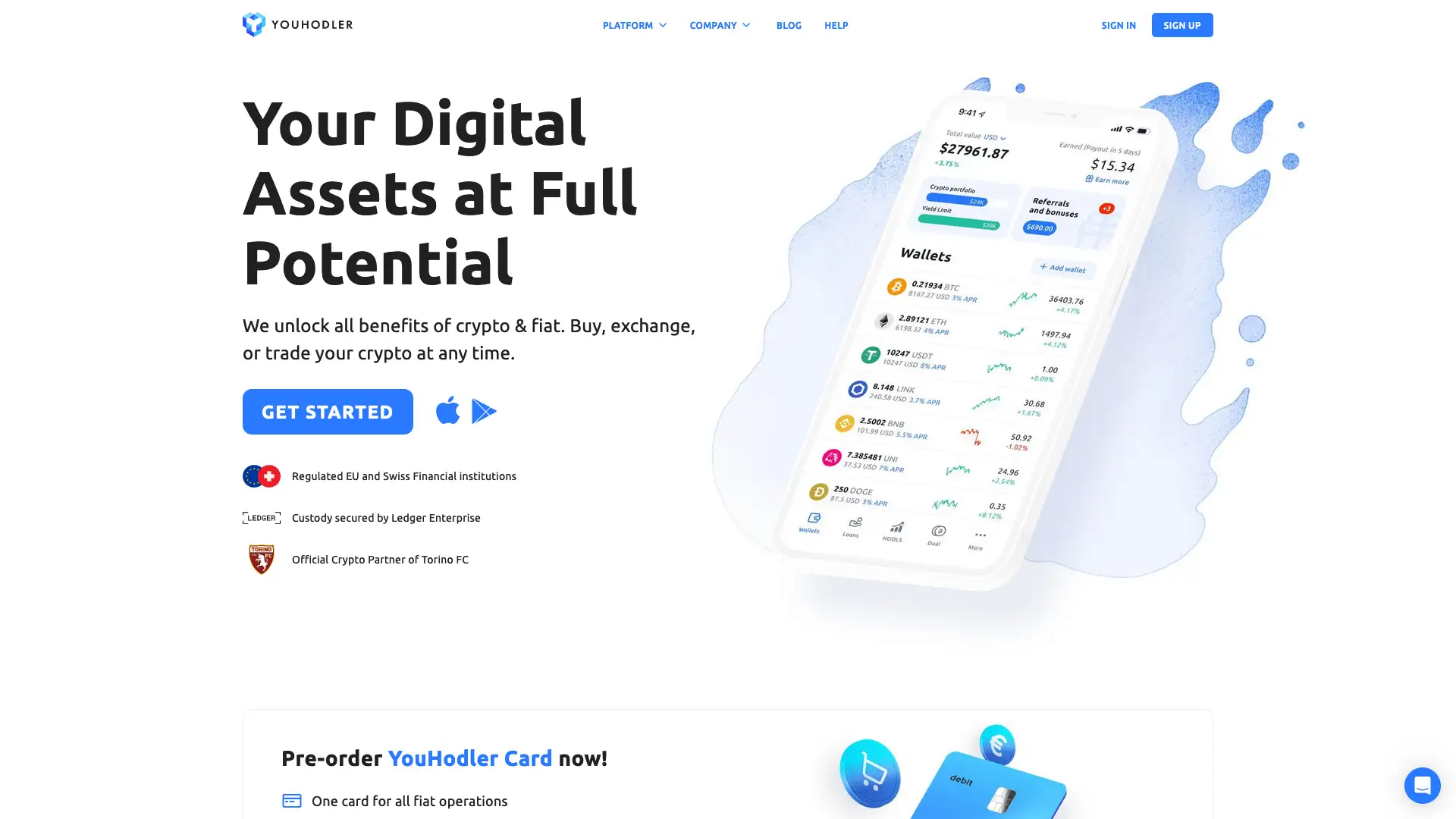
YouHodler Crypto Exchange, launched in Cyprus in 2018, stands as a versatile platform offering a plethora of crypto-fiat financial services including lending, trading, and savings accounts.
Year Founded
- 2017
Headquarters
- Cyprus
Licenses
- Italy
- Switzerland
- European Gaming and Betting Association (EGBA)
-
+2
Cryptocurrencies
- Bitcoin
- Ethereum
- Tether
-
+57
Available countries
- Belgium
- Canada
- Germany
-
+12
Languages
- English
- French
- Italian
-
+3
Features
- Conversion
- Turbocharge
-
+10
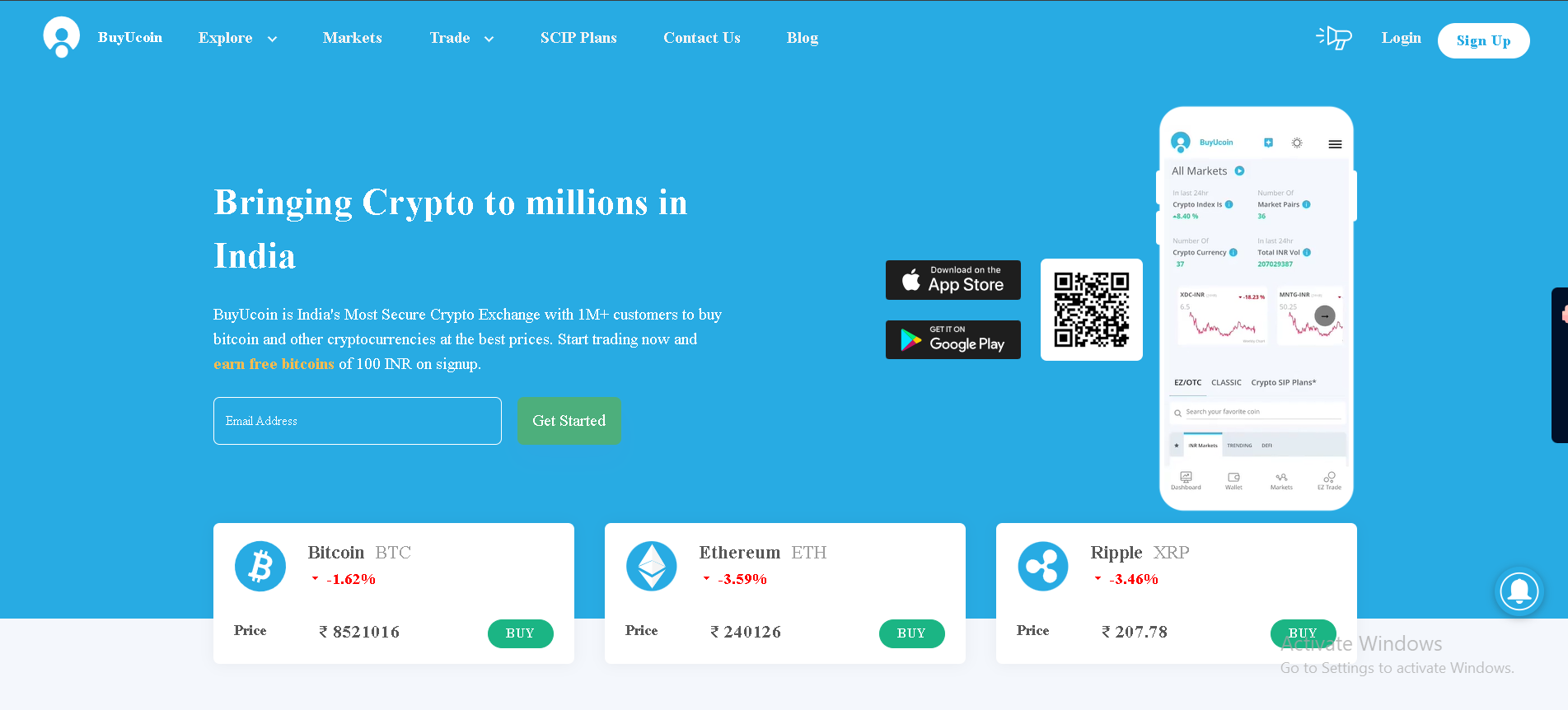
Get Free Bitcoin everyday upto Rs2000 INR on Sign Up, Referral, Deposit & Bitcoin Trading.
Year Founded
- 2025
Headquarters
- India
Licenses
- India
- Estonia
Cryptocurrencies
- Bitcoin
- Ethereum
- Tether
-
+77
Available countries
- China
- India
- Kenya
-
+5
Languages
- English
Features
- Free Bitcoin
- APIs
-
+9

Year Founded
- 2018
Headquarters
- Seychelles
Licenses
- Seychelles
- Estonia
- Switzerland
-
+2
Cryptocurrencies
- Shiba Inu
- Bitcoin
- PAX Gold
-
+72
Available countries
- Afghanistan
- Albania
- Algeria
-
+246
Languages
- English
- Russian
- Turkish
-
+14
Features
- Leveraged ETFs
- Copy Trading
-
+8
Get up to 1,000 USDC on your Trading Fee Balance when you register, complete identity verification, and place your first spot trade.


CEX.IO is a reputable cryptocurrency exchange known for its user-friendly interface and extensive range of supported cryptocurrencies.
Year Founded
- 2013
Headquarters
- United Kingdom
Licenses
- United States (IRS)
- Lithuania
- Spain
Cryptocurrencies
- Bitcoin
- Ethereum
- Tether
-
+81
Available countries
- Australia
- France
- India
-
+5
Languages
- English
- Spanish
Features
- Exchange Plus
- API
-
+9
Earn $10 in Ethereum (ETH) when you stake $100 in ETH for the first time, up to $30 in rewards


Coinbase, a major player since its inception in 2012, is a user-friendly cryptocurrency exchange offering a secure platform for buying, selling, and managing a variety of digital assets.
- Operating since 2012, listed on Nasdaq, and has a BitLicense from New York State Department of Financial Services.
- Offers a variety of assets
- Fast crypto withdrawals
- Lists smaller assets before other big exchanges
- User-friendly interface with intuitive design
- Coinbase Pro offers much better fees!
- This has been the main complaint against Coinbase, although they have committed to hiring more staff.
- Controls customers' private keys
- Restricted to many countries
- Doesn't offer many advanced services
Year Founded
- 2012
Headquarters
- United States
Licenses
- United States (IRS)
- Canada (CRA)
- United Kingdom (HMRC)
-
+4
Cryptocurrencies
- Bitcoin
- Ethereum
- Tether
-
+68
Available countries
- Canada
- France
- Netherlands
-
+6
Languages
- English
- German
- French
-
+9
Features
- Web3
- Borrow
-
+27
Disclaimer: The information provided on this website is for informational purposes only and should not be considered as financial, investment, or legal advice. Cryptocurrency investments are volatile and high-risk in nature. Consult with a qualified financial advisor and/or tax professional before making any investment decisions. We are not responsible for any loss incurred due to the use of information on this website. Do your own research and exercise caution. Don’t invest unless you’re prepared to lose all the money you invest.
Ethereum vs Bitcoin

While Bitcoin is often described as “digital gold,” Ethereum serves more as a digital infrastructure blockchain layer. Bitcoin’s primary use is as a store of value or an inflation hedge, while Ethereum’s value lies in its versatility: it powers DeFi, NFTs, decentralized applications (dApps), and smart contracts.
Bitcoin is slowly transitioning into the decentralized finance (DeFi) space through innovative staking and economic sharing layers through the BTCFI ecosystem, but Ethereum is already established as the market leader in DeFi.
Here are a few major distinctions:
| Feature | Bitcoin (BTC) | Ethereum (ETH) |
| Purpose | Digital money, store of value | Smart contracts, decentralized apps |
| Consensus Mechanism | Proof-of-Work (energy-intensive mining) | Proof-of-Stake (energy-efficient validation) |
| Supply Cap | 21 million BTC | No fixed cap, but supply is often deflationary due to token burns |
| Speed | ~10 minutes per block | ~12 seconds per block |
| Utility | Primarily investment | Foundation for Web3, NFTs, and DeFi |
Both coins are considered “blue-chip” cryptocurrencies, but their economic models and user bases differ sharply.
Bitcoin’s strength lies in its simplicity and predictability: it’s scarce, censorship-resistant, and has historically been the safest entry point for crypto newcomers and institutions. Ethereum, by contrast, thrives on innovation and composability. It serves as the engine for thousands of decentralized apps, layer-2 networks, and new asset classes like NFTs and tokenized real-world assets (RWAs).
Another key difference is monetary policy. Bitcoin’s fixed 21-million supply ensures long-term scarcity. Ethereum, however, uses a dynamic burn mechanism that permanently removes a portion of transaction fees from circulation. When network activity is high, this often makes ETH deflationary, a trait that enhances its investment appeal.
Finally, institutional interest has begun to shift toward Ethereum due to its yield potential via staking and its utility in enterprise blockchain solutions. With ETH ETFs now approved in several major markets, Ethereum is emerging as a bridge between traditional finance (TradFi) and decentralized finance (DeFi), offering both capital efficiency and programmability.
In essence, Bitcoin is value storage; Ethereum is value creation. Many investors now view owning both as a balanced, long-term crypto strategy.
Trading vs Buying vs Investing in Ethereum
Trading Ethereum
Trading Ethereum involves actively buying and selling ETH to profit from price movements, often over short timeframes ranging from minutes to weeks. It requires technical analysis, discipline, and awareness of market trends, news, and Ethereum upgrades, but comes with higher risk than holding.
Trading involves:
- Using indicators like RSI, MACD, and moving averages
- Trading derivatives (ETH futures/options) to speculate
- Monitoring on-chain data and macro trends
- Managing risk with stop-losses
- Starting small and avoiding emotional decisions
Buying Ethereum
Buying Ethereum means purchasing ETH to hold long-term, offering a simple entry into crypto without trading stress. You can use fiat or swap other cryptocurrencies on reputable exchanges, then store ETH on an exchange or private wallet for security.
For buying Ethereum:
- Use fiat (USD, EUR, GBP) or crypto swaps
- Complete Know Your Customer (KYC) and choose a payment method (bank, card, PayPal)
- Consider dollar-cost averaging (DCA)
- Enable 2FA and verify wallet addresses
- Store ETH safely for long-term growth
Investing in Ethereum
Investing in Ethereum focuses on long-term holding, viewing ETH as digital infrastructure powering DeFi, smart contracts, and dApps. Investors can earn passive income through staking, ETFs, or DeFi yield strategies while benefiting from Ethereum’s growth.
Investing in Ethereum involves:
- Staking: Yields ~3–5% annually
- Participating in DeFi lending, liquidity provision, or yield farming
- Diversifying storage: cold wallets for security, staking/yield platforms for returns
- Patience, discipline, and conviction in Ethereum’s future
How to Buy Ethereum – Step by Step

Buying Ethereum is straightforward once you choose the right platform and understand the process.
Step 1: Choose a verified exchange
Select an exchange with transparent fees, positive reviews, and local compliance (e.g., MiCA in the EU or FinCEN in the U.S.). Complete KYC by submitting identification to meet anti-money laundering standards. This also unlocks higher withdrawal limits.
Step 2: Fund your account
Deposit funds via bank transfer, debit/credit card, or PayPal. Many platforms also allow crypto deposits if you already own another coin. Be aware of processing times and fees. Bank transfers are cheaper but slower; card payments are instant but costlier.
Step 3: Place an order
You can choose between a market order (buy instantly at the current price) or a limit order (set your own price target). Once executed, your ETH will appear in your exchange wallet balance.
Step 4: Secure Your Investment
For long-term safety, move your ETH to a non-custodial wallet. Hardware wallets (like Ledger or Trezor) are best for cold storage. Always double-check wallet addresses before transferring to prevent loss.
Where to Buy Ethereum – Best Places

Wondering where to buy Ethereum safely in 2026? The best places to buy ETH depend on your goals, whether you prioritize convenience, privacy, or earning yield opportunities.
Below are the main methods used to purchase ETH today:
Centralized Crypto Exchanges (CEXs)
Centralized exchanges are still the most common and convenient way to buy Ethereum. These platforms handle everything, from onboarding to secure custody, and allow purchases using credit/debit cards or bank transfers. Many also support staking directly on the platform, so you can earn rewards without leaving your account.
The trade-off: CEXs require KYC and will usually place your funds under custody temporarily. Always enable two-factor authentication for safety.
Crypto Wallets
Several mobile and hardware wallets now allow direct ETH purchases through integrated fiat ramps. Examples include MetaMask, Ledger Live, and Trust Wallet.
Buying ETH directly within your wallet ensures instant self-custody, but fees can be slightly higher due to third-party payment providers. It’s best for users who prioritize independence over convenience.
Peer-to-Peer (P2P) Platforms
P2P platforms connect buyers and sellers directly, often allowing custom payment methods such as bank transfers, PayPal, or even gift cards. They’re a solid choice if you want to maintain privacy or access markets where traditional exchanges are unavailable. However, always use escrow-protected services and check counterpart reputations to avoid fraud or scams.
Cryptocurrency ATMs
Crypto ATMs are physical machines located in major cities that let you buy ETH using cash or a debit card. You simply scan your wallet QR code and insert cash to receive ETH directly.
While fees are higher (typically 5–10%), ATMs offer unmatched convenience for small purchases or quick onboarding. You can locate nearby ATMs via services like CoinATMRadar.
Comparison Table: Ways to Buy Ethereum
| Method | Ideal For | Key Benefits |
| Centralized Exchanges | Beginners | Easy setup, fiat deposits, staking features |
| Crypto Wallets | Intermediate users | Direct ownership, self-custody |
| Peer-to-Peer (P2P) | Privacy-focused buyers | No middleman, local payment options |
| Cryptocurrency ATMs | Cash buyers | Instant purchase with cash |
You May Also Like
Alternative Ways to Buy Ethereum
Besides exchanges and wallets, you can purchase Ethereum using alternative payment methods that suit different user needs.
- PayPal: You can now buy Ethereum via PayPal in many regions—easy through CEXs or PayPal’s crypto service—but some jurisdictions restrict withdrawals to external wallets.
- Credit/Debit Cards: Buying ETH with a credit or debit card is fast and widely available, ideal for beginners, but fees are higher (2–4%) and daily limits apply. Avoid high-interest cards for speculation.
- Bank Transfers: Slower but cheaper and ideal for large transactions.
 DON’T GET REKT
Curated drops, testnets and red flag alerts straight to your inbox ✌️
 You’re in. Thanks for joining our newsletter.

Final Thoughts
Buying Ethereum in 2026 is easier, safer, and more diverse than ever. Whether you prefer centralized exchanges, wallet apps, P2P trades, or even ETFs, there’s an option tailored to your comfort level.
Remember:
- Do your research.
- Use regulated platforms.
- Always secure your ETH in a private wallet for long-term storage.
By following this guide, you’ll not only understand how to purchase Ethereum, but also how to invest in Ethereum responsibly and confidently in 2026.
Frequently Asked Questions
-
01.
Is it safe to leave my Ethereum on a Centralized Exchange (CEX)?
No. Exchanges are convenient for short-term storage, but hacks and insolvencies can occur. For long-term safety, always transfer your ETH to a non-custodial wallet where you control the private keys.
-
02.
What are the fees for buying Ethereum?
Fees vary by platform and payment method. Expect 0.1–1% trading fees on exchanges and 2–4% if using a debit or credit card. Additional network (“gas”) fees apply when transferring ETH.
-
03.
Can I buy a fraction of an ETH coin, or do I need to buy a whole one?
Yes. You can buy fractions of Ethereum—down to 0.000000000000000001 ETH (1 wei). This makes it easy for beginners to start with as little as $10–$20.
-
04.
Is buying Ethereum considered a taxable event?
Yes. In most jurisdictions, purchasing ETH may not be taxed immediately, but selling or converting it later typically triggers capital gains tax. Check your local laws or consult a crypto-savvy tax professional.
-
05.
What is ETH staking, and can I stake ETH if I buy ETH on an exchange?
ETH staking allows you to lock your Ethereum to help secure the network in exchange for rewards (usually 3–5% APY). Most major exchanges offer ETH staking directly, though self-custody staking via a hardware wallet or liquid staking protocol (like Lido) gives you more control.


