


Web3 wallets remain essential tools for managing digital assets and interacting with decentralized platforms in 2026. This guide explains how these wallets work, what defines a secure and reliable option, and which features are most important for long-term use. It also outlines the criteria used to evaluate each model.
Based on these factors, we recommend the top Web3 wallets to provide users with clear guidance on options that offer strong protection, smooth performance, and broad blockchain network support.
Key Takeaways
- A reliable Web3 wallet provides robust security, clear controls, and dependable protection for assets across multiple chains, without introducing unnecessary complexity for users.
- Top-performing wallets consistently release updates, maintain transparent development practices, and promptly address security vulnerabilities to ensure the long-term safety of users digital assets.
- Reliable backup and recovery systems ensure users maintain control of assets during device loss, damage, or migration to new wallet hardware or software.
Best Web3 Wallets Listed & Ranked
-
 PromotionsCoins


-
 Coins
Coins

-
 Promotions
 -
 Promotions
 -
 Coins
Coins
-
 Coins
Coins


-
 Coins
Coins

-
 Coins
Coins
-
 PromotionsCoins



-
 PromotionsCoins
Best Web3 Wallets Reviewed


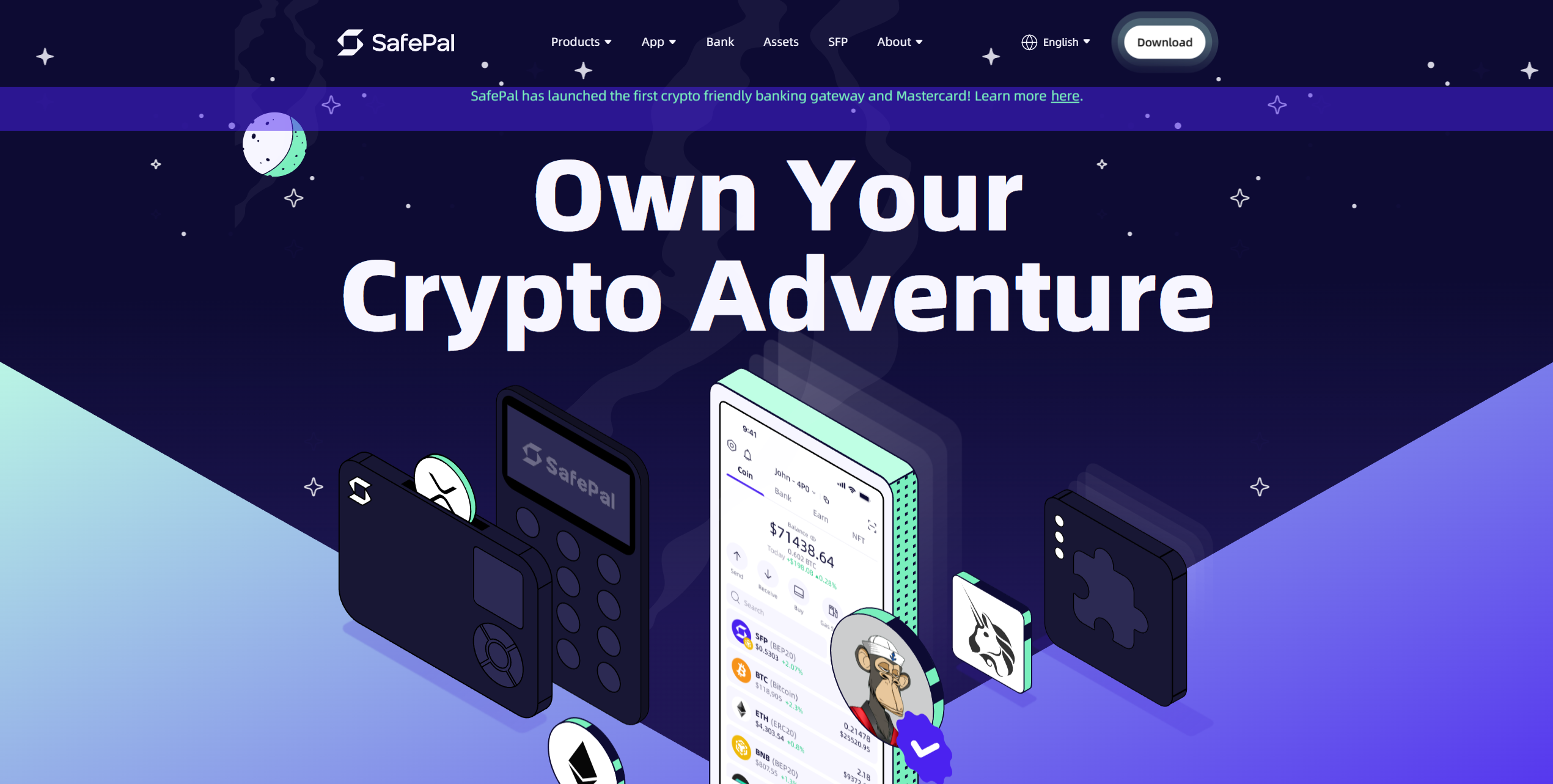
Safepal offers a complete suit of assets operations, with hardware and software wallets that are all multichain and multi-sig in nature. They do not just allow you to store and secure your assets, you can also swap, trade, buy and sell, and above all stake some of your assets to make profits. Safepal is fully anonymous and completely self-custodial, though its source is not 100% open. It supports assets across hundreds of chains and allows integration with lots of DEFIs and DAAPs. Above all, you are allowed to backup your almighty seeds both manually and on the cloud.
Year Founded
- 2018
Cryptocurrencies
- Bitcoin
- Ethereum
- Tether
-
+89
Available countries
- Afghanistan
- Albania
- Algeria
-
+246
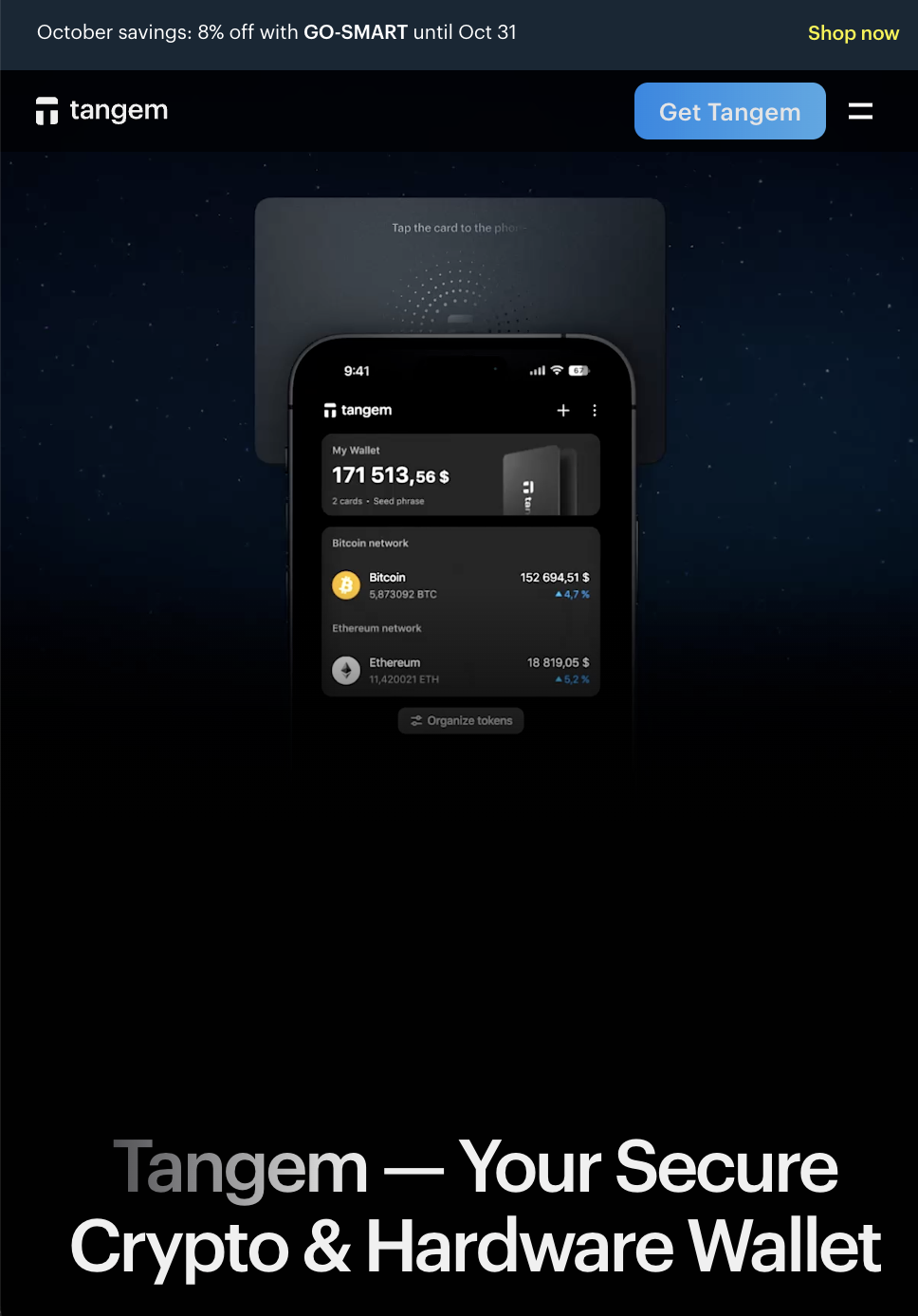
Year Founded
- 2017
Headquarters
- Switzerland
Licenses
- N/A - Not disclosed
Cryptocurrencies
- Bitcoin
- Ethereum
- Tether
-
+70
Available countries
- Albania
- Algeria
- American Samoa
-
+228
Languages
- English
- German
- French
-
+6
Features
- Tangem Pay
- Tangem Academy
-
+11
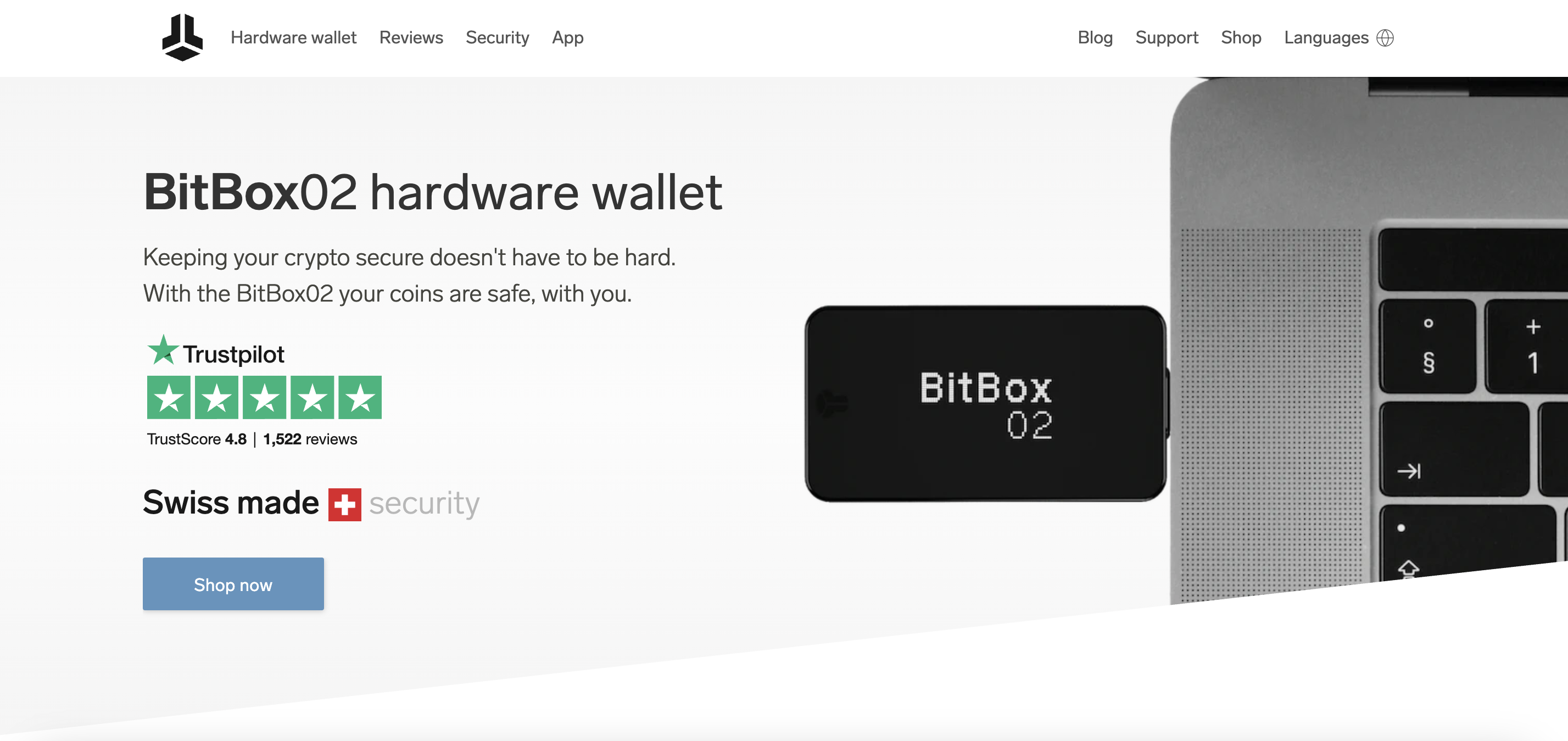
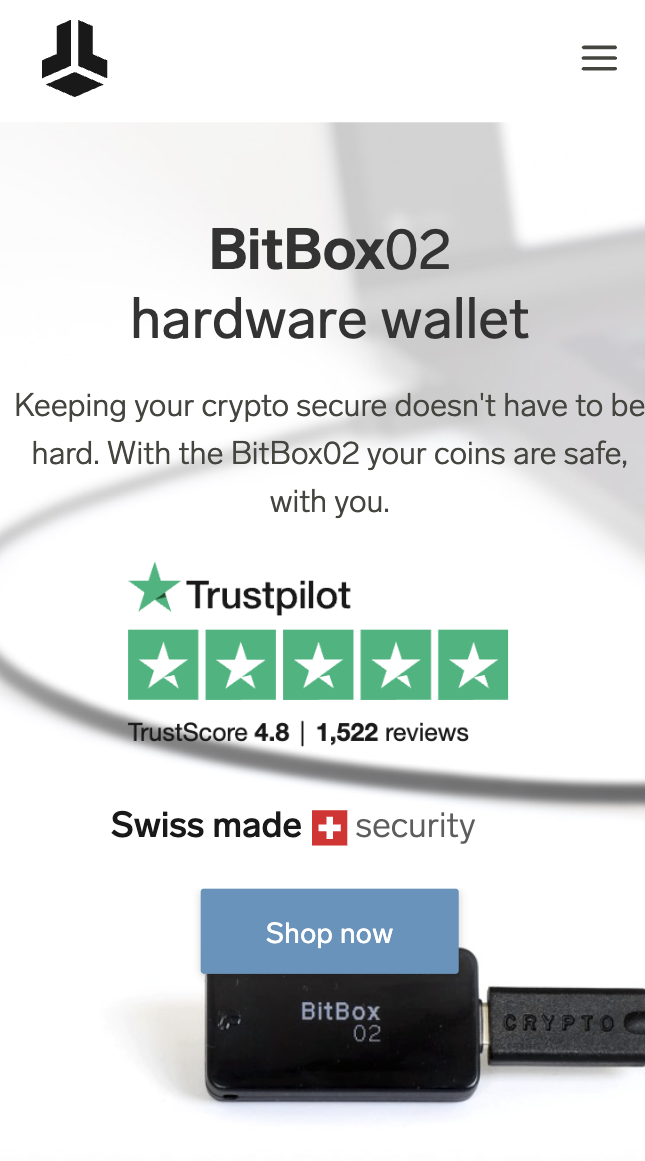
Available countries
- Afghanistan
- Albania
- Algeria
-
+246
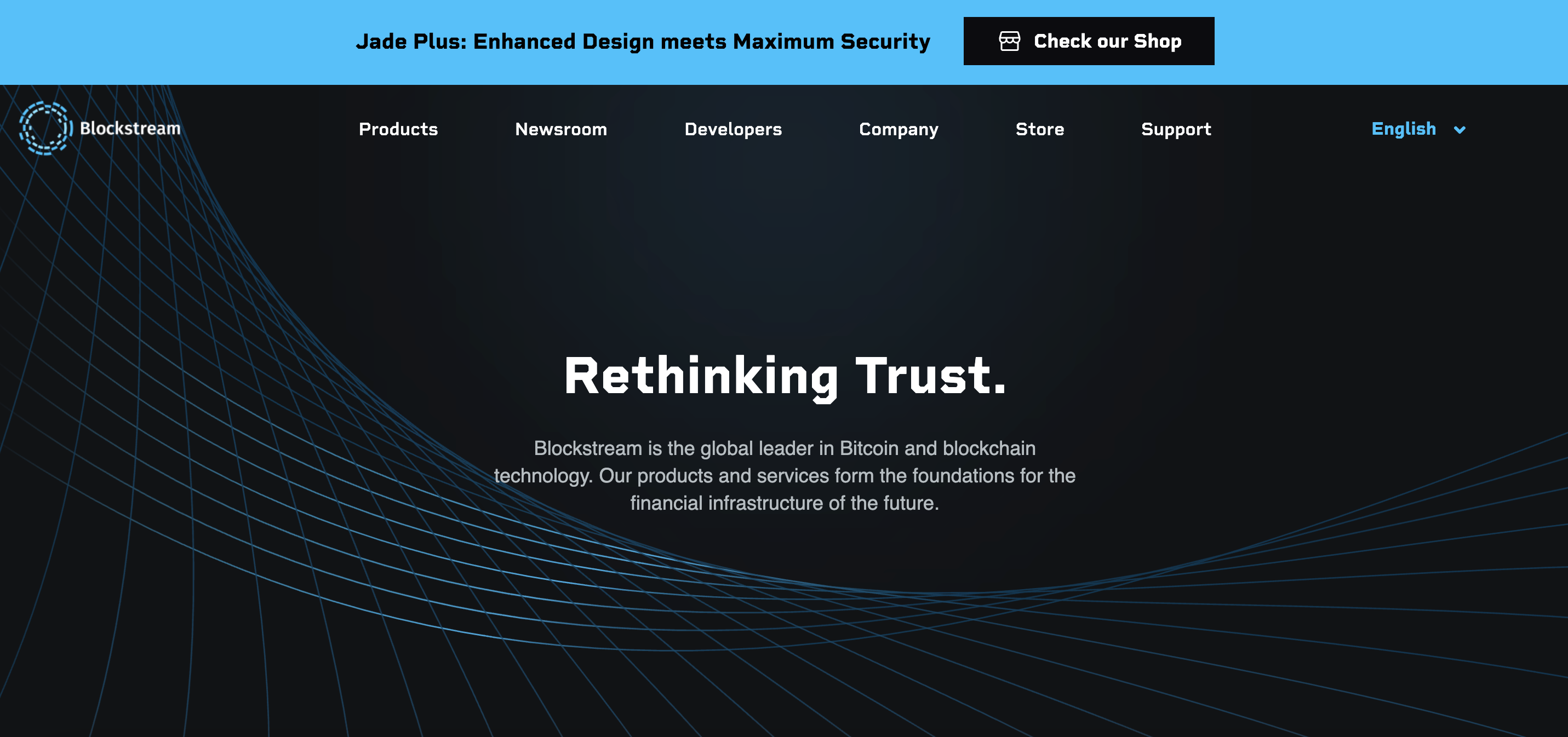
Available countries
- Afghanistan
- Albania
- Algeria
-
+246
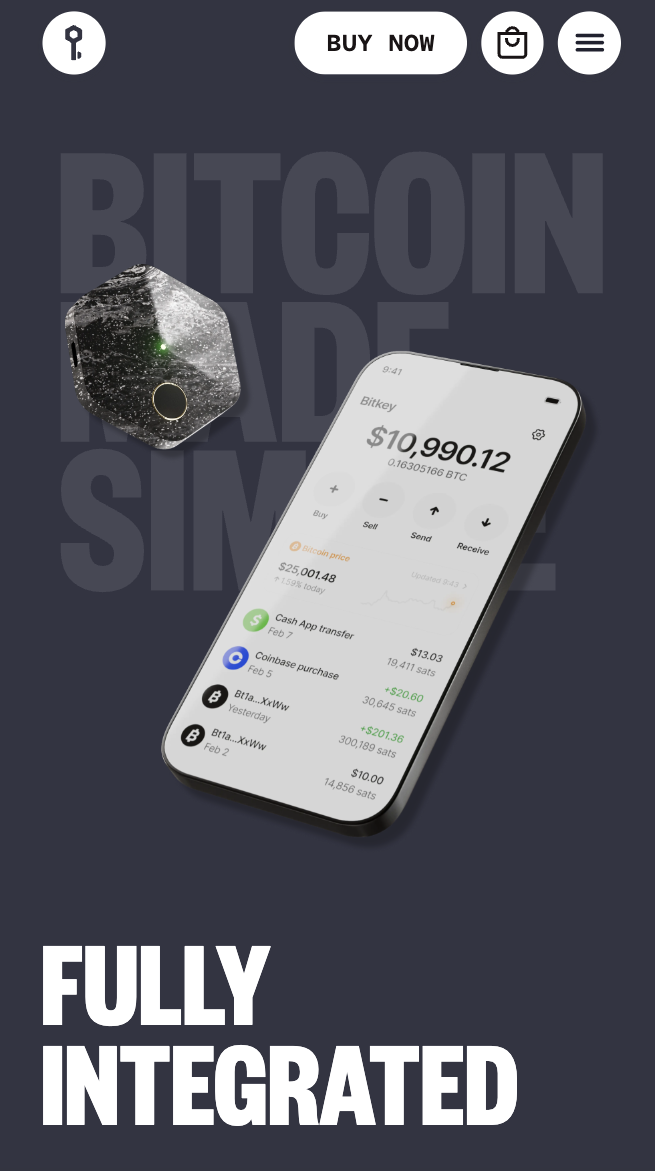
Bitkey is a Bitcoin only non custodial wallet where users can store and exchange their Bitcoins. Bitkey offers a mobile wallet and hardware counterpart to users. On these wallets, you will enjoy a multi signature secure system that allows you full access and custody of your coin, with full anonymity. Here, you will have no issues with 2FA and aboslutely nothing to do with KYC verifications. While the code for the site is open source, you can only trade BTC here through the Bitcoin Network, and cannot enjoy any form of DeFi integration and staking support. You can also enjoy a basic level of portfolio tracking on the app, but there is no profit and loss statement and tax report.
Year Founded
- 2022
Licenses
- MIT License
- Commons Clause
Cryptocurrencies
- Bitcoin
Available countries
- Afghanistan
- Albania
- Algeria
-
+246
Languages
- N/A - Not disclosed
Year Founded
- 2023
Headquarters
- United States
Licenses
- United States (IRS)
Cryptocurrencies
- Bitcoin
- Ethereum
- Tether
-
+10
Available countries
- United States
Languages
- English
Features
- Swap
- Affiliate Program
-
+6
Get $10 in Bitcoin when you register through a referral link from an existing member.


Established in 2011, Kraken is a trusted cryptocurrency exchange renowned for its longevity and diverse trading interfaces, catering to a broad user base.
- Supports hundreds of coins
- High liquidity
- Simple and user-friendly interface
- Good customer support options
- Lots of advanced trading features like margin, futures, and indices trading
- No insurance fund for assets on the platform
- Doesn’t offer a crypto credit card
- No personal wallet service for traders
- Supports only a few fiat currencies
Year Founded
- 2011
Headquarters
- United States
Licenses
- United States (IRS)
- Canada (CRA)
- United Kingdom (HMRC)
-
+7
Cryptocurrencies
- Bitcoin
- Ethereum
- Tether
-
+83
Available countries
- Afghanistan
- Albania
- Algeria
-
+240
Languages
- Chinese (Mandarin)
- English
- French
-
+10
Features
- Cryptowatch
- Forks
-
+29
Year Founded
- 2019
Headquarters
- Israel
Licenses
- N/A - Not disclosed
Cryptocurrencies
- Bitcoin
- Ethereum
- Tether
-
+68
Available countries
- Afghanistan
- Albania
- Algeria
-
+245
Languages
- English
- German
- Portuguese (Brazil)
Features
- Swap
- Multi-Party Computation (MPC)
-
+15


Uphold Crypto Exchange, founded in the United States in 2014, is a global digital money platform that enables users to buy, sell, and trade various cryptocurrencies.
Year Founded
- 2015
Headquarters
- Bahamas
Licenses
- United States (IRS)
- United Kingdom (HMRC)
- Lithuania
Cryptocurrencies
- Tether
- TrueUSD
- USD Coin
-
+144
Available countries
- Australia
- Canada
- France
-
+9
Languages
- English
- Spanish
Features
- Metals
- National Currencies (Forex)
-
+5
Don’t invest unless you’re prepared to lose all the money you invest.
Earn $10 in Ethereum (ETH) when you stake $100 in ETH for the first time, up to $30 in rewards


Coinbase, a major player since its inception in 2012, is a user-friendly cryptocurrency exchange offering a secure platform for buying, selling, and managing a variety of digital assets.
- Operating since 2012, listed on Nasdaq, and has a BitLicense from New York State Department of Financial Services.
- Offers a variety of assets
- Fast crypto withdrawals
- Lists smaller assets before other big exchanges
- User-friendly interface with intuitive design
- Coinbase Pro offers much better fees!
- This has been the main complaint against Coinbase, although they have committed to hiring more staff.
- Controls customers' private keys
- Restricted to many countries
- Doesn't offer many advanced services
Year Founded
- 2012
Headquarters
- United States
Licenses
- United States (IRS)
- Canada (CRA)
- United Kingdom (HMRC)
-
+4
Cryptocurrencies
- Bitcoin
- Ethereum
- Tether
-
+68
Available countries
- Canada
- France
- Netherlands
-
+6
Languages
- English
- German
- French
-
+9
Features
- Web3
- Borrow
-
+27

Disclaimer
The information provided on this website is for informational purposes only and should not be considered as financial, investment, or legal advice. Cryptocurrency investments are volatile and high-risk in nature. Consult with a qualified financial advisor and/or tax professional before making any investment decisions. We are not responsible for any loss incurred due to the use of information on this website. Do your own research and exercise caution. Don’t invest unless you’re prepared to lose all the money you invest.
How We Determine the Best Web3 Wallets
We look at what makes a Web3 wallet safe, simple to use, and trustworthy. To do that, we examine the following factors:
- Security Architecture
- Open-source Transparency
- Usability & User Experience
- Backup, Recovery & Migration
- Supported Coins & Chains
- Transaction Functionality
- Firmware & Longevity
- Reputation
- Price Value
Security Architecture
Every device or software wallet follows its own approach to protecting private keys , so we examine how the wallet shields these keys from exposure, hardware flaws, and real-world attacks.
A major part of this evaluation involves the type of secure element used. Some Web3 wallets include dedicated chips designed to keep sensitive data isolated from the rest of the system. Higher-grade secure elements offer stronger resistance against extraction attempts, especially when a device falls into the wrong hands.
We also look at how the Web3 wallet handles key storage. A true Web3 cold wallet device never allows private keys to come into contact with a networked component, while others only mimic this behavior. Any Web3 wallet that connects keys to the internet at any point introduces additional risk.
Another key area is how the device moves unsigned and signed transactions. Air-gapped models utilize QR codes, microSD cards, or NFC to facilitate transfers without establishing a live communication channel. This design reduces the attack surface by keeping the wallet disconnected while still allowing for normal activity.
Extra layers of protection also matter, especially for users who want deeper control:
- Passphrase capability, which adds a hidden layer to seed phrases
- Alternate or “decoy” PINs that trigger a safe mode during threats
- Verification systems that confirm firmware authenticity before installation
- The ability for independent parties to review or reproduce the firmware
- Packaging and hardware checks that show evidence of tampering before first use
We also assess how the Web3 wallet behaves under stress. Physical probing, side-channel data leaks, and voltage glitch attacks remain real risks. A good Web3 wallet uses protective measures that reduce exposure in these scenarios.
By examining these elements together, we can determine which Web3 wallets offer dependable long-term protection and which ones fall short.
Open-source Transparency
Open-source transparency helps demonstrate the level of control users have over the tools that manage their assets. A strong Web3 wallet gives users and developers clear insight into its codebase, build process, and independent reviews. This level of openness reduces guesswork, helps the community verify important security claims, and limits the chance of hidden functions that could harm users. Our assessment focuses on how open the wallet is and how much of its design can be inspected, reproduced, or audited.
Key areas we look at include:
- Code availability: We check if the wallet releases its core components as open source. This includes firmware for hardware wallets, hardware layouts when available, and companion apps used for setup or daily transactions. This makes it easier for the public to analyze how the wallet functions.
- Build verification: Community members should have the ability to reproduce the software build and confirm that the published firmware matches the code in the repository. This process helps rule out undisclosed or hidden modifications.
- Independent auditing: A transparent Web3 wallet often works with external researchers or firms that review its code and security design. Public audit reports help show how the project handles findings and implements improvements.
By reviewing these elements, we identify Web3 wallets that follow open development practices, welcome external review, and offer clear insight into their security model. Projects that maintain this level of transparency tend to provide stronger user protection and earn higher long-term trust.
Usability & User Experience
A Web3 wallet can have strong security features, yet still feel unreliable if the user experience creates confusion. Clear navigation, readable screens, and reliable onboarding steps help users avoid mistakes during setup or regular activity.
Our evaluation assesses the wallet’s ease of use from the moment it is first unboxed, its smooth handling of core tasks, and its ability to guide users effectively when unexpected issues arise.
Here are the key points we consider:
- Set up flow: The initial process should explain seed creation, pairing steps, and onboarding in a clear sequence. Each stage needs to reduce confusion and prevent missteps.
- Screen clarity: Screen size, visibility, and input style (touch or buttons) shape how well users can confirm actions before signing.
- Companion app design: The app should present transaction prompts, updates, and settings in a clear and organized layout. This includes well-structured signing windows and menus that feel easy to follow.
- Beginner accessibility: A strong wallet lowers the chance of accidental mistakes. Good design supports new users by breaking tasks into manageable steps.
- Guidance during errors: The wallet should provide clear instructions when a step fails, helping users recover without confusion.
We highlight Web3 wallets that deliver a smooth experience. The best ones guide users through every stage with clarity, offer tools that reduce mistakes, and create an environment that feels dependable for both new and experienced users.
Backup, Recovery & Migration
Strong backup, recovery, and migration features ensure your funds stay safe even if a device gets damaged, lost, or replaced. This part of the evaluation focuses on how reliably a wallet helps users secure their keys today and regain access in the future.
We review the following factors:
- Types of seed formats available: We seek support for widely recognized standards, as these formats help ensure that your keys can be restored in many apps or devices over time.
- Backup choices offered: A good Web3 wallet allows users to store their recovery details in different ways. This may include writing them down, storing them in durable materials, or saving them in a digital medium that can be kept offline.
- How simple the recovery steps are: We test whether users can regain access without having to go through a confusing process. A smooth, predictable flow matters, especially during urgent situations like device loss.
- Whether the wallet works well with others: Cross-wallet compatibility is essential. We check if your backup can be restored not only within the same brand but also in wallets from other companies or platforms.
By examining these areas together, we identify wallets that offer reliable long-term access, smooth migration between devices, and a safety net that holds up even under worst-case scenarios.
Supported Coins & Chains
A robust Web3 wallet should provide users with the freedom to manage a diverse range of coins, tokens, and chains without requiring multiple apps. This ensures convenience, flexibility, and long-term usability as the crypto landscape changes.
The key points we examine include:
- Range of supported assets: Rapid growth in both Layer 1s and Layer 2s means users expect their wallets to adapt and integrate consistently. Therefore, we check the availability of major cryptocurrencies, along with tokens from various blockchain families. Wallets that handle both mainstream and emerging networks offer better value to users who want a single place to manage everything from standard coins to NFTs.
- How quickly new assets are added: Active development is a strong sign of a wallet’s reliability. We look at update frequency and how often the team integrates new networks or token standards, which reflects their responsiveness to market trends.
- Ability to connect with other wallets: Some wallets work closely with well-known third-party tools, allowing users to tap into specialized features. Seamless connections with popular desktop or browser wallets help expand functionality and smooth out the overall experience.
- Extra features for specific networks or assets: Native options for activities such as staking, trading within the app, handling NFTs, or interacting with decentralized apps enhance the wallet’s usefulness.
By combining these criteria, we identify wallets that offer broad coverage, strong expansion potential, and support for advanced on-chain activities. This helps us find wallets that are easy for beginners and still strong enough for users who manage many networks.
Transaction Functionality
A wallet’s transaction capabilities play a major role in determining whether it deserves a top spot. Users require seamless, secure, and flexible methods to send and approve transactions across various networks. Strong transaction features also demonstrate how well a wallet aligns with modern standards, both in Bitcoin and the broader Web3 space.
The main areas we evaluate include:
- Tools for shared or advanced transaction control
We verify that the support allows more than one participant to approve a transaction or prepare it in stages before broadcasting it. These features provide users with increased safety and flexibility. - Capabilities for key Bitcoin upgrades
A strong wallet should be able to handle modern Bitcoin improvements and scripting options. These upgrades help reduce fees, improve privacy, and support more complex spending conditions. - Support for essential Web3 standards
Wallets that keep up with recent Ethereum and Web3 updates stand out. This includes smooth handling of cost-efficient transactions, clear approval for digital collectibles, and stable connections to decentralized apps or services. - Accuracy during offline signing
Many users prefer authorizing transactions without connecting their wallet to the internet. We test whether the wallet can display or scan signing data correctly each time so that the final transaction matches what the user approved.
By reviewing these points, we identify wallets that deliver dependable signing, modern network support, and a smoother on-chain experience. This helps highlight options that feel trustworthy and efficient for both everyday transfers and more advanced operations across multiple chains.
Firmware & Longevity
A Web3 wallet stays dependable only if its firmware receives ongoing care. Strong hardware alone is not enough. Continuous updates, clear communication from the developer, and secure update methods shape how well a wallet adapts to new threats. Our evaluation focuses on long-term support, update quality, and the level of risk introduced during the update process.
Key elements we consider include:
- Update rhythm and security response: A strong wallet receives updates on a steady schedule. Teams that address weaknesses quickly demonstrate that user protection remains at the center of their work.
- Connection requirements during updates: Some devices force an internet link during the update process. This can increase exposure to hardware designed to protect private keys. We review how each wallet manages updates and if safer paths exist.
- Offline update paths: The most secure wallets allow firmware upgrades through microSD cards, QR packages, or similar offline tools. This avoids direct contact with external servers and reduces the risk of attack.
- Long-term support and clear version history: A dependable project maintains older devices, publishes readable changelogs, and documents each release. This transparency helps users understand how the wallet improves and how long they can expect support.
By reviewing these factors, we identify Web3 wallets that pair strong engineering with long-term stability. Wallets that maintain consistent updates, provide safe upgrade paths, and offer clear communication create a foundation that users can trust across years of use.
Reputation
A wallet’s reputation reflects its long-term reliability. A reliable Web3 wallet typically originates from developers with a proven track record. Users benefit when the team explains design choices, publishes documentation, and engages with the community in ways that show accountability. Transparency makes it easier to assess if the project stands on a solid foundation rather than temporary hype.
Here are the key points we consider:
- Team background and openness: We examine the individuals behind the wallet, their clear introductions, and the accessibility of their communication channels. A trustworthy project shares information that helps users understand its goals.
- Past issues and team response: We review any previous security flaws, recalls, or design problems. The focus remains on the team’s actions during those events, their responsibilities, fixes, and communication with users.
- Community perception: Feedback from long-standing forums and development spaces often reveals consistent patterns. These communities tend to highlight strengths, weaknesses, and real-world experiences that are hard to replicate through marketing.
- User feedback and issue handling: A strong wallet project listens to its users. Teams that acknowledge reports, publish fixes, and improve features based on community input show commitment to long-term dependability.
We highlight Web3 wallets supported by teams that maintain trustworthy behavior, clear communication, and steady engagement with the ecosystem.
Price Value
Price value indicates how effectively a Web3 wallet balances its cost with the features and protection it provides. A wallet does not need to be expensive to be effective; yet, its cost should reflect durability, essential functions, and long-term support. Our evaluation assesses what the user receives for the price, how optional upgrades impact the total cost, and how each model compares to others within the same price range.
The following are the key points we consider:
- Base package and accessories: We examine what is included. Some wallets arrive with cables, seed cards, or setup tools that reduce the need for extra purchases. A fair base package helps users begin without added expenses.
- Optional versions and materials: Certain wallets offer metal bodies, touchscreens, or reinforced casings as part of higher-tier bundles. These upgrades can strengthen durability and usability, so we compare the added cost with the benefits.
- Feature comparison with similar models: A wallet should match the abilities of others in its price range. We compare transaction features, supported networks, and security functions to determine if the price reflects the wallet’s capabilities.
- Impact of lower-cost builds: Budget models often compromise durability or eliminate essential features. We examine whether cost savings create gaps that weaken key protections or limit long-term use.
Through this balance of price, function, and reliability, we identify Web3 wallets that deliver strong value. The best ones offer essential protections, fair pricing, and upgrade options that make sense for different budgets and user needs.
 DON’T GET REKT
Curated drops, testnets and red flag alerts straight to your inbox ✌️
 You’re in. Thanks for joining our newsletter.

Final Tips
Choosing the right Web3 wallet in 2026 requires focusing on security, usability, recovery options, and long-term reliability. Always prioritize wallets with transparent development, consistent updates, and proven protection for private keys. Before committing to a wallet, test its interface, confirm it supports the networks you use, and review its backup process.
Keep firmware and apps updated, store seed phrases securely offline, and refrain from sharing sensitive information with anyone. For broader flexibility, consider keeping both a hardware wallet and a software wallet. By following these tips, you can maintain stronger security and experience smoother on-chain activity across all platforms you rely on.
Frequently Asked Questions
-
01.
Which Web3 wallets support the most blockchains in 2026?
In 2026, the wallets that support the most blockchains are multi-chain options, such as browser extensions and mobile wallets designed for broad compatibility. These wallets handle major Layer 1 and Layer 2 networks. They also support NFTs, tokens, and dApps across several chains.
-
02.
What is the best Web3 wallet for beginners in 2026?
The best Web3 wallet for beginners in 2026 is one that offers a simple setup, straightforward navigation, and strong built-in security features. Beginner-friendly wallets offer guided onboarding, clear seed-phrase instructions, intuitive transaction prompts, and reliable customer support. They also integrate smoothly with common dApps so that new users can explore without confusion.
-
03.
Do Web3 wallets work across multiple devices?
Yes. Most Web3 wallets are compatible across multiple devices, as long as users import the exact seed phrase or synchronize through their chosen wallet’s system. Mobile and browser versions often pair together, which allows access from different platforms. However, users must secure their recovery information properly because anyone with the seed phrase can access the wallet on any device. Some wallets also offer optional cloud syncing or passkey support; however, users should still prioritize offline backups for long-term security.
-
04.
Are Web3 wallets compatible with hardware wallets?
Yes. Many Web3 wallets are compatible with hardware wallets. This setup enables users to interact with dApps while keeping their private keys stored securely inside dedicated hardware. Browser wallets and desktop interfaces often include direct connections to popular hardware models, which enable safer transaction signing. Compatibility provides strong protection because sensitive keys are never transmitted outside the device, even when interacting online. However, users should verify that their preferred Web3 wallet supports their specific hardware model before connecting.
-
05.
Can I use Web3 wallets without KYC?
Yes. Most Web3 wallets do not require KYC because they function as self-custodial tools where users control their own keys. Creating a wallet typically involves generating a seed phrase rather than submitting personal information. However, KYC may be required when connecting the wallet to certain services such as centralized exchanges, regulated platforms, or fiat on-ramps. As long as users stay within decentralized apps and self-custodial environments, they can use Web3 wallets freely without identity verification.


