


 5 min read
SpacePay Presale: Is SPY Token Legit Or A Crypto Scam?



 AI Overview
Evaluates SpacePay’s crypto-to-fiat presale: a public founder, polished marketing and reported presale funds, but missing audits, no verifiable product or partnerships, and opaque token controls that create significant investor risk.
- Visible team, limited delivery track record: Public founder and advisors provide surface credibility, but little payments experience or proven merchant deployments.
- Security & transparency gaps: No smart-contract audit, no public code, and reports of censorship in chats are major red flags for token safety.
- Speculative token economics: SPY isn’t used for payments, vesting is unclear, and aggressive presale marketing raises risk of dumps or rug-like outcomes.
The crypto industry continues to attract fresh ideas promising to revolutionize payments. One such project making waves is SpacePay, a self-described ‘next-gen’ fintech aiming to bring crypto-to-fiat payments to any store using existing point-of-sale (POS) terminals.
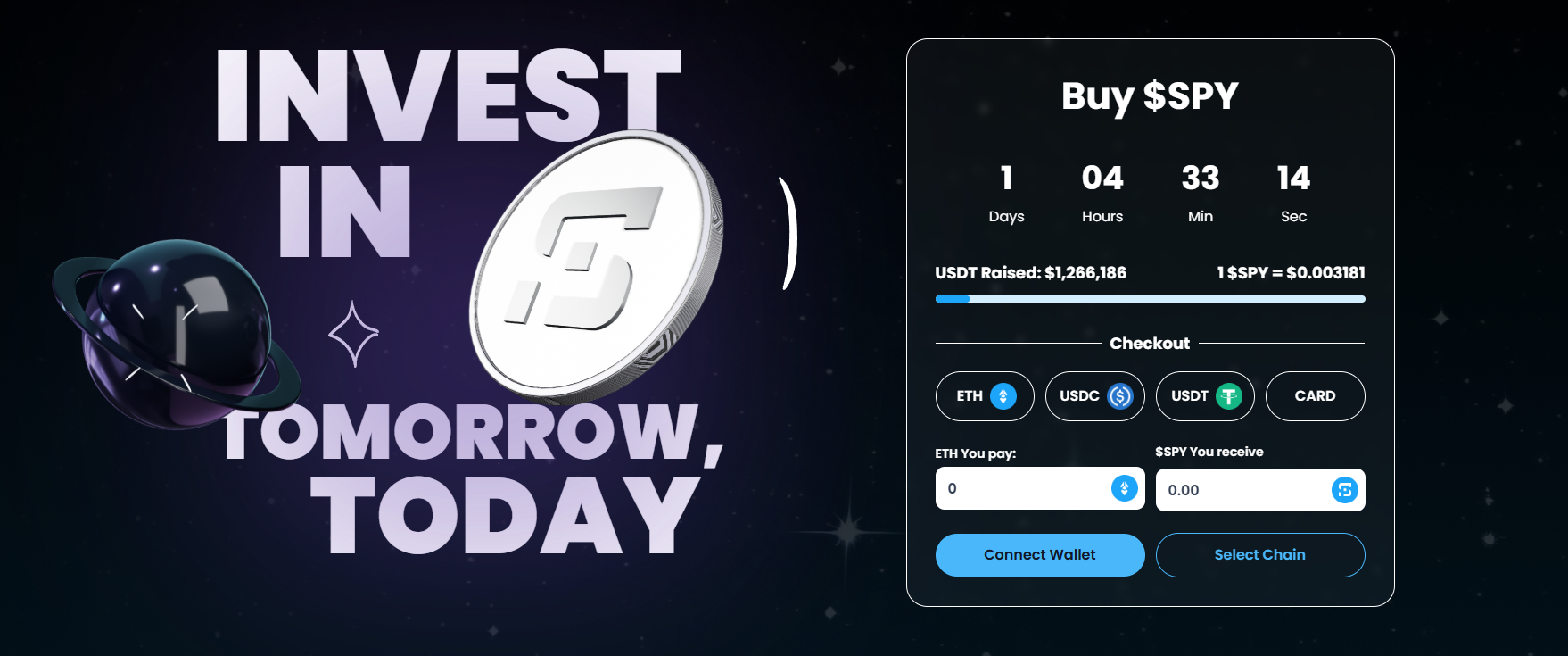
With a sleek website, a public CEO, and an ongoing presale of its SPY token, SpacePay appears to be a serious contender. As of early August, the project claims to have raised over $1.2million in presale funds. But a closer look reveals red flags that demand scrutiny.
Here’s a breakdown of the facts — what checks out, what doesn’t, and whether this project can be trusted.
Public team, young leadership
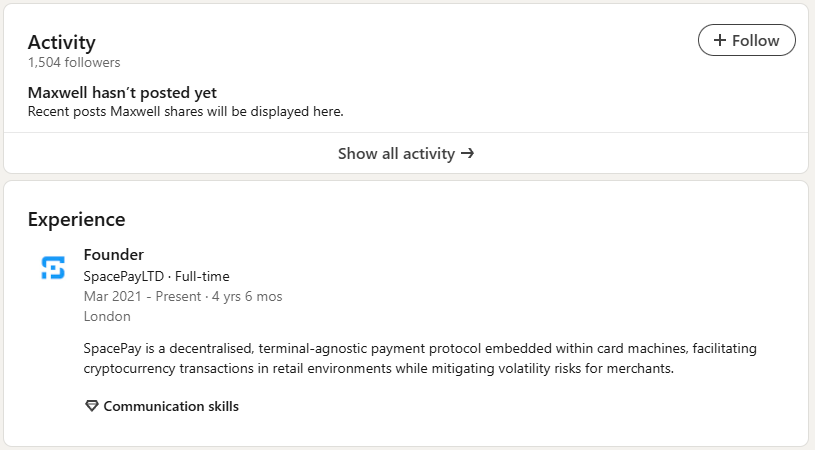
One positive element in SpacePay’s favor is that the team isn’t anonymous. The project is led by Maxwell Bunting, a London-based entrepreneur who started SpacePay at 19. His story — being unable to spend crypto in shops and deciding to solve that problem — is both relatable and well-documented in interviews. He also claims to have taken the project through Barclays’ fintech accelerator.

Supporting Bunting is a listed team that includes a Chief Marketing Officer, Karen Nunn, and a few known crypto advisors, including Ian Scarffe and Giacomo Arcaro. Their LinkedIn profiles and past involvement in the space are verifiable.
However, Bunting has no prior record in payments or fintech, and most of the team appears relatively junior. While transparency is a good sign, lack of proven delivery experience on complex payment systems is a notable risk for a startup trying to disrupt the global retail payment infrastructure.
A glossy pitch, but light on substance
The SpacePay website and white paper are polished. The presale site offers tokenomics, a roadmap, and FAQs. The white paper outlines a system where crypto payments (BTC, ETH, USDT) are instantly converted into fiat for merchants, who don’t need to touch crypto at all. This is a well-defined need in the market.
However, the roadmap is vague, offering no timelines, deliverables, or partner details. While the site claims that the MVP is complete and in beta, there’s no public demo or verifiable use by merchants. Statements like “global expansion” and “decentralized payment architecture” lack technical depth or evidence.
One positive is that SpacePay reportedly won a fintech award (‘New Payment Platform of the Year 2022/23’), but these awards can be pay-to-enter, so investors should weigh that carefully.
Tokenomics look reasonable – But control stays central
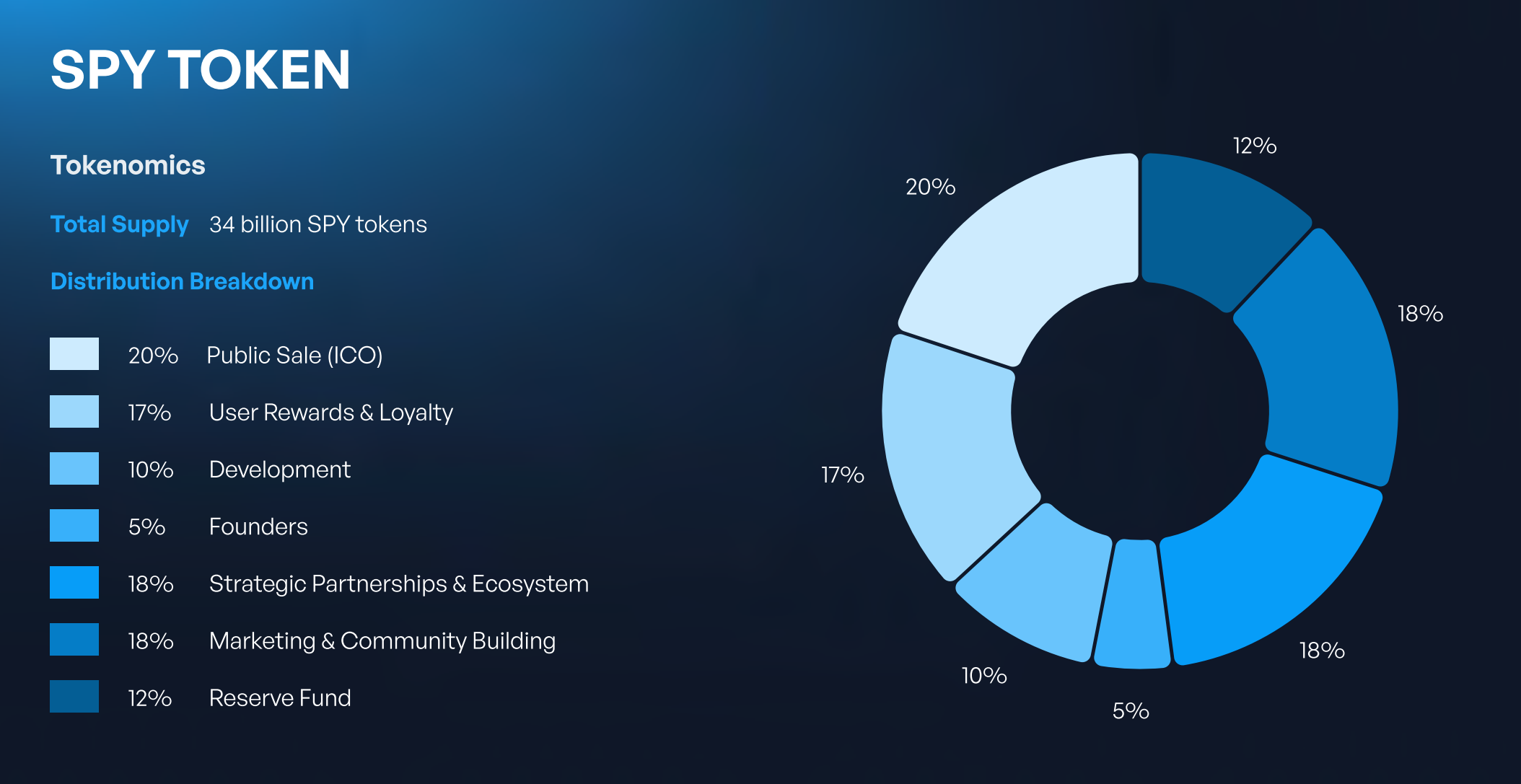
SpacePay is selling $SPY, a rewards and governance token. The total supply is 34 billion, with 20% sold to the public and just 5% reserved for the team — a modest allocation by crypto standards.
The rest is split among rewards, marketing, partnerships, and reserves. While this structure isn’t unusual, the lack of clarity on token lock-ups and vesting schedules means a significant portion of tokens remain under team control. That raises risk of price dumps post-launch.
Importantly, SPY is not used for payments. It offers perks like voting rights, quarterly revenue shares, and monthly airdrops. However, this turns it into a speculative loyalty token, dependent entirely on the platform’s future usage — which hasn’t yet materialized.
No smart contract audit – A major risk
One of the clearest red flags: no published smart contract audit.
SpacePay has not listed any third-party auditor, such as CertiK or SlowMist. No GitHub codebase is available for review, and no verification of token contract safety has been shared publicly.
In one Reddit thread, a user claimed they were banned from SpacePay’s Telegram for asking about an audit certificate. That’s concerning. In a legitimate presale, transparency on security and contract functionality is critical. Without an audit, users have no guarantee that the token contract doesn’t include malicious functions or backdoors.
Social presence is big, but possibly artificial
SpacePay has an active presence on X (Twitter), with over 70,000 followers, and a Telegram group with several thousand members. However, social engagement seems inorganic — with high impressions but low likes or comments, a common sign of bot followers or incentivized traffic.
Worse, there are multiple reports of censorship in the Telegram group. Users who raise doubts or technical questions claim to be quickly muted or banned.
Meanwhile, the project has been aggressively promoted through sponsored content on Yahoo Finance, Cointelegraph (Market Release section), Coinpedia, and others. While this is a common marketing tactic, nearly all of these articles are paid placements, not independent journalism.
Several analysts and community members have grouped SpacePay into a network of questionable presale promotions, alongside other projects with similar setups that eventually disappeared.
Company registration and operations
Digging deeper, we found the original SpacePay Ltd company in the UK was dissolved in 2023, and a new company, SpacePay Group Ltd, was registered in 2024. The reason isn’t explained. This restructuring could be harmless, but dissolving one entity and launching a presale under a new one — with no explanation — raises questions about continuity and liability.
Also worth noting: while the website claims global investors and private fundraising, no backers are named, and no VC funding announcements have been made.
Is SpacePay a scam?
SpacePay has a bold idea and a slick public image. It ticks several surface-level boxes: a non-anonymous founder, a clear problem to solve, and a marketing push that makes it look like the next big thing.
But when you go beyond the surface, the cracks start to show:
- No audit
- No code
- No working product demonstrated
- No exchange listings confirmed
- No public token locks
- No third-party partnerships
- No evidence of merchant adoption.
Combine that with aggressive presale marketing, censorship in communities, and unverified hype, and you get a project that’s raising significant funds with little accountability.
SpacePay may not be an outright scam, but it shares too many traits with past presale rug-pulls to ignore. Until the team proves otherwise — with a public audit, a working product in the wild, and genuine community engagement — investors should treat this as a high-risk speculative project.
Disclaimer: This article is not investment advice. Readers should conduct their own due diligence and never invest more than they can afford to lose.



 Thank you for your feedback! We’re glad you found this article helpful.
 An error occurred while sending the form, please try again.
 We are sorry. You've already sent a message within the last 60 seconds. Please wait before sending another.
 Thank you for letting us know! Our team will review your feedback to help improve our content.
We're sorry you did not find what you were looking for. Please select the reason this article was not helpful.

 You’re in. Thanks for joining our newsletter.
