


As a trusted voice in crypto, CryptoManiaks presents a detailed analysis of the best decentralized exchanges (DEXs).
These DEXs, at the forefront of the DeFi revolution, offer investors a secure and censorship-resistant platform for trading digital assets. In 2026, decentralized exchanges are no longer limited to Ethereum. From Solana and Base to cross-chain aggregators, today’s DEXs offer faster execution, lower fees, and deeper liquidity.
In 2026, decentralized exchanges are no longer just swap platforms. Modern DEXs now support intent-based trading, gas abstraction, MEV protection, cross-chain liquidity routing, and seamless wallet-native execution.
Our team has thoroughly evaluated the top DEX exchanges to help investors make informed decisions about what is best for their needs.
Dive into the guide to explore the top crypto exchanges in the best decentralized exchange category; the best way to buy Bitcoin, other altcoins, and much more.
Why Trust Us?
CryptoManiaks has established itself as a reliable source in the cryptocurrency community.
Our team consists of experienced analysts who have an in-depth understanding of the intricacies of DEXs and the ecosystem as a whole.
We prioritize objectivity and transparency in our evaluations, providing unbiased insights based on extensive research and hands-on testing.
Our commitment to staying ahead of the curve ensures that our readers have access to the most up-to-date and accurate information about the best decentralized crypto exchanges and DeFi products available on the market.
Best Decentralized Exchanges Listed
Below, you’ll find the best selection of exchanges currently available. Check out these top options for quick access to a variety of cryptocurrencies.
-
-
 PromotionsCoins


-
 Coins
Coins


-
 PromotionsCoins


-
 PromotionsCoins


Best Decentralized Exchanges Reviewed

Earn 15% commission when you invite friends, and they register and trade.

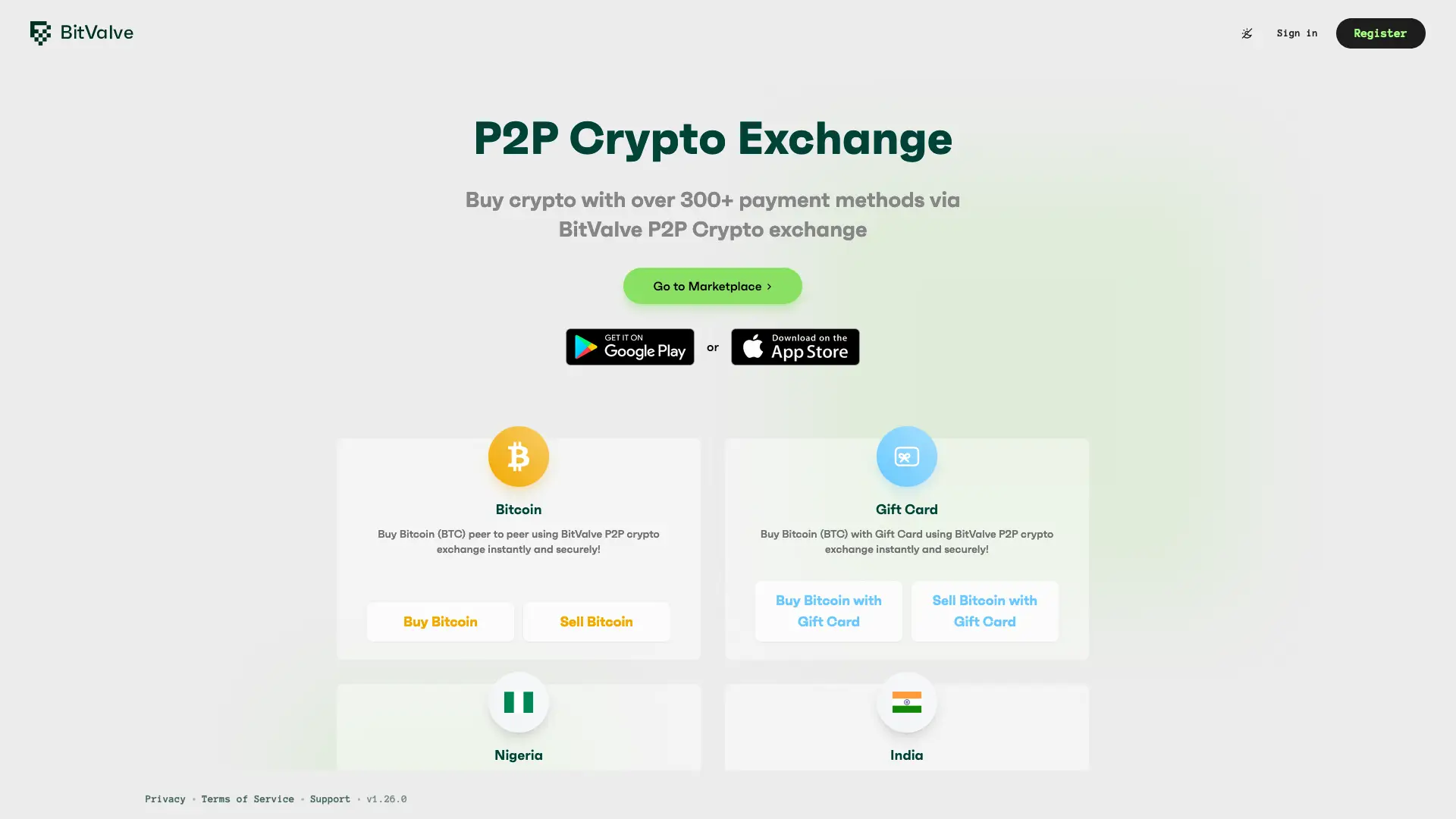
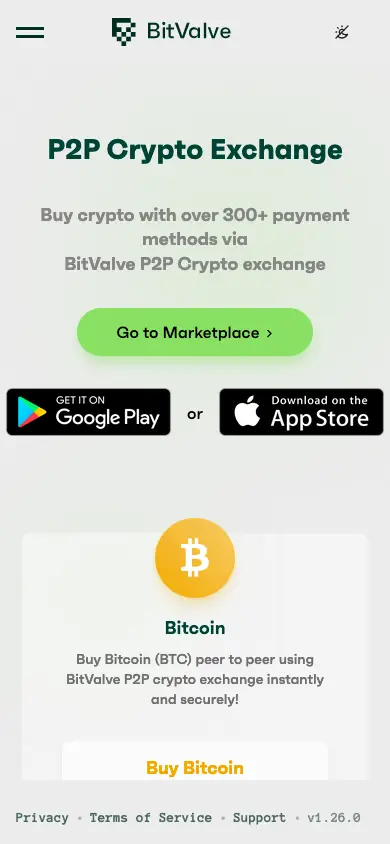
- Supports the most popular cryptocurrencies.
- Users can buy and sell with more than 100 fiat currencies.
- Fully decentralized, and therefore no encumbrances.
- Competitive trading fees when compared with other exchanges.
- Properly secured with industry standard encryptions.
- Properly registered in Greece.
- Commendable Android and iOS apps.
- Supports only a few numbers of cryptocurrencies.
- No info about insurance cover for users’ assets.
- Mediocre support with email address only.
- No tangible info about the strength of the company that operates the exchange .
- No investment offers or advanced trading features.
Year Founded
- 2015
Headquarters
- Greece
Licenses
- Greece
Cryptocurrencies
- Bitcoin
- Litecoin
- Ethereum
-
+10
Available countries
- Afghanistan
- Albania
- Algeria
-
+246
Languages
- English
Features
- Forks
Year Founded
- 2019
Headquarters
- Lithuania
Licenses
- Singapore
- Puerto Rico
Cryptocurrencies
- Bitcoin
- Ethereum
- Bitcoin Cash
-
+24
Available countries
- Afghanistan
- Albania
- American Samoa
-
+172
Languages
- English
- Spanish
- Portuguese
-
+2
Features
- Explorer
- Institutional
-
+8
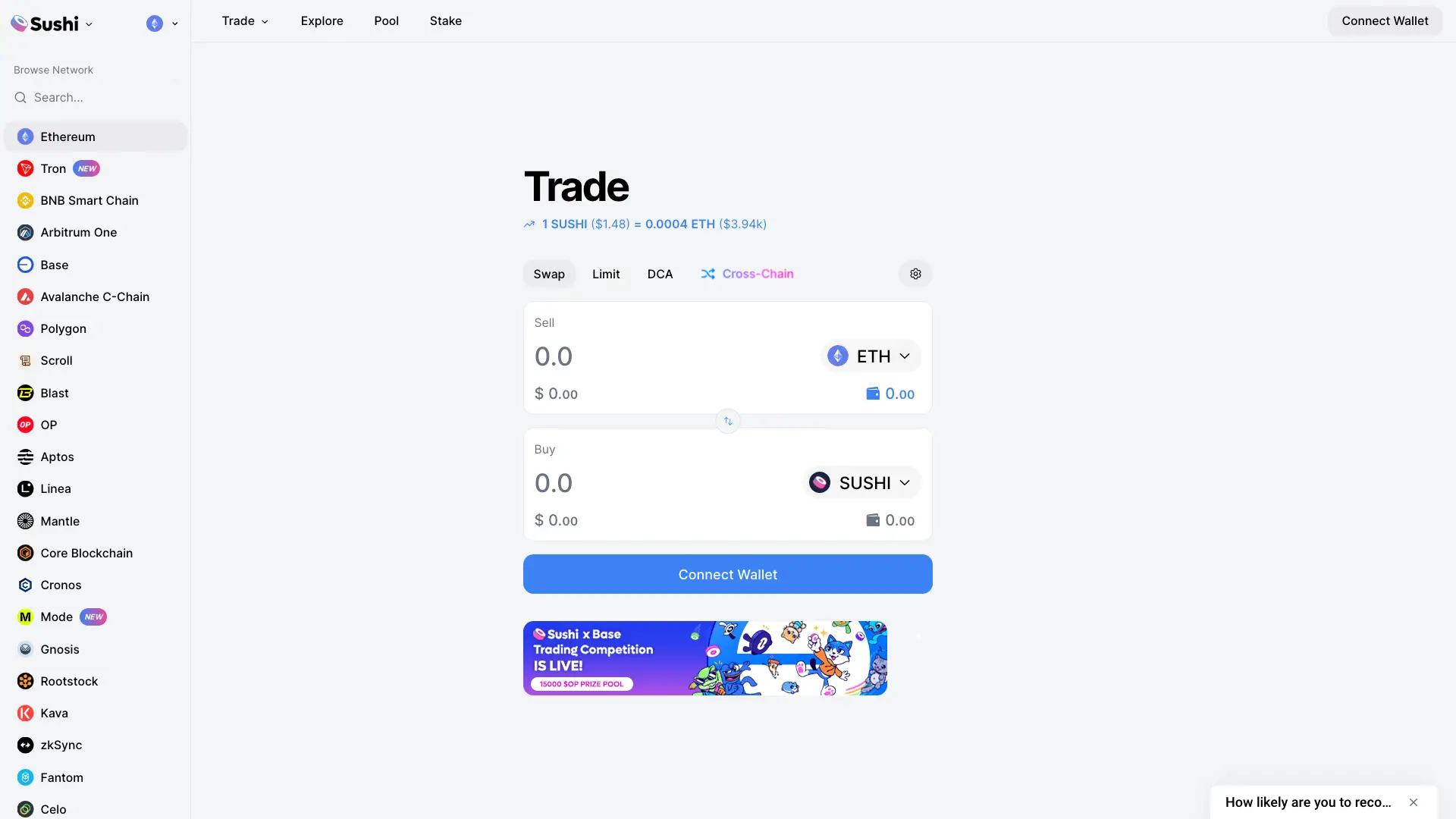
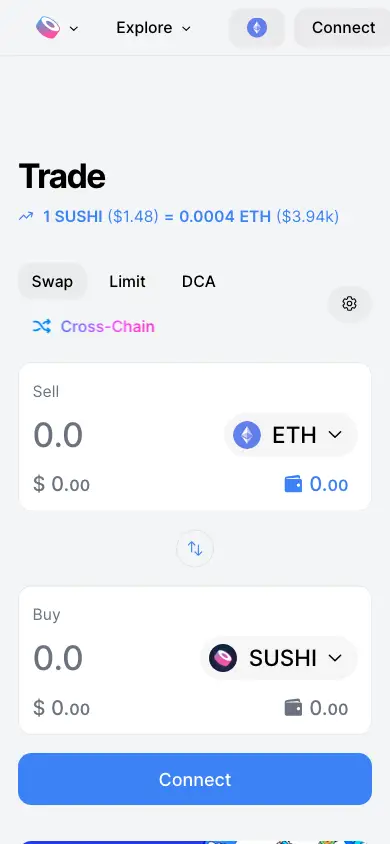
Year Founded
- 2020
Licenses
- N/A - Not disclosed
Cryptocurrencies
- Tether
- TRON
- Binance USD
-
+120
Available countries
- Afghanistan
- Albania
- Algeria
-
+246
Languages
- English
Features
- Swap
- Pool
-
+5
Year Founded
- 2021
Headquarters
- Singapore
Licenses
- N/A - Not disclosed
Cryptocurrencies
- Ethereum
- Polygon Matic
- Hedera Hashgraph
-
+3
Available countries
- Afghanistan
- Albania
- Algeria
-
+246
Languages
- English
Features
- Networks
- Governance
-
+2
Year Founded
- 2017
Headquarters
- Brazil
Licenses
- N/A - Not disclosed
Cryptocurrencies
- Tether
- Polygon Matic
- Dogecoin
-
+12
Available countries
- Afghanistan
- Albania
- Algeria
-
+206
Languages
- English
Features
- Klever Swap
- Audit
-
+4
Disclaimer: The information provided on this website is for informational purposes only and should not be considered as financial, investment, or legal advice. Cryptocurrency investments are volatile and high-risk in nature. Consult with a qualified financial advisor and/or tax professional before making any investment decisions. We are not responsible for any loss incurred due to the use of information on this website. Do your own research and exercise caution. Don’t invest unless you’re prepared to lose all the money you invest.
What is a Decentralized Exchange (DEX)?
DEX is a peer-to-peer (P2P) marketplace that allows users to buy cryptocurrencies without a centralized third party or intermediary.
DEXs operate on blockchain networks, enabling users to retain control over their assets and maintain anonymity.
These platforms use smart contracts to facilitate trades directly between crypto wallets, providing increased security and transparency compared to traditional centralized exchanges (CEXs).
Types of Decentralized Exchanges
There are three main types of decentralized exchanges. The table below summarizes and compares these three types of DEXs.
| Type of DEX | Description | Key Features | Examples of Mechanism |
| Automated Market Maker (AMM) | Uses smart contracts and liquidity pools instead of matching buyers and sellers. Orders are executed against the pool. | – Smart contract-based
– Community-funded liquidity pools – Prices determined by token ratios in pools – Arbitrage opportunities between pools |
– Token A/B pool example: changing ratios affect prices
– Arbitrageurs balance price differences across exchanges |
| Order Book (On-chain and Off-chain) | Similar to centralized exchanges but without custodianship. Buyers and sellers place bids and asks in a digital ledger. | – On-chain or off-chain matching
– Traders retain custody of assets – Orders matched manually or algorithmically – Leverage often available (higher profit/loss potential) |
– Traders specify buy/sell prices
– Matched with corresponding counter orders |
| DEX Aggregator | Aggregates data and liquidity across multiple DEXs to find the best price and execution for a trade. | – Compares prices across DEXs
– Minimizes slippage on large orders – Reduces trading fees – Finds optimal trade execution paths |
– Functions like a search engine for DEXs
– Routes trade through the best pricing/fee paths automatically |
| Intent-Based DEX | Users sign an “intent” instead of executing an on-chain swap. | – MEV protection
– Better pricing – Gasless or sponsored transactions |
Third-party solvers compete to deliver best execution. |
Selecting Your Decentralized Exchanges – Factors To Consider

When choosing a decentralized exchange, investors and traders should consider various factors to ensure a secure and efficient experience. In the image above, you can see the six main factors we’ve taken into account when compiling our list of recommended DEXs. We’ll go into more detail on each factor below.
Restricted Countries
Many DEXs have limitations on the countries they can serve due to regulation and/or compliance with local laws. DEX protocols are permissionless, but front-end interfaces may restrict access based on jurisdiction.
While certain countries, such as the US and China, have strict regulations around cryptocurrency trading, DEXs have fewer restrictions and may accept users from a wider range of countries than some centralized exchanges.
It’s essential to thoroughly research each DEX’s policies and check the restricted county list to ensure that you are not violating any laws or regulations in your country by using a specific exchange.
- DEX front-ends increasingly geo-block certain regions
- Smart contracts remain permissionless
- UI ≠ protocol (important legal distinction)
- Check if aggregators routing through compliant vs non-compliant pools
Reputation and Trust
Since crypto DEXs operate in a largely unregulated space, it’s crucial to thoroughly evaluate the credibility and trustworthiness of your chosen exchange.
A poor reputation can indicate potential risks, such as security vulnerabilities, unfair practices, or even outright scams.
To assess a DEX’s reputation, we conduct extensive research by examining various sources, including user reviews, community forums, and online complaints.
We look for red flags such as:
- Accounts being closed without reason.
- Poor investor experiences.
- Deposit or withdrawal problems.
- Ineffective ID verification processes.
- Unhelpful or unresponsive support.
- Withdrawal delays.
Additionally, we investigate whether the decentralized crypto exchange holds any relevant licenses or certifications from reputable authorities, which can serve as a testament to its commitment to adhering to industry standards and best practices.
Deposit and Payout Speed & Terms
Deposit and withdrawal speed can directly impact user experience and the overall efficiency of trading operations.
When evaluating deposit options, we look for a wide range of accepted deposit methods, including various cryptocurrencies and, in some cases, fiat currencies.
- We consider credit/debit cards as deposit methods, as well as PayPal, MoonPay, Cash App, Venmo, and more on the top DEXs.
- We also assess the minimum deposit requirements, both in terms of the amount and the accepted currencies, to ensure they align with user preferences and trading goals.
- We prioritize crypto exchanges that offer fast and reliable wallet withdrawals.
- Additionally, we thoroughly review the withdrawal terms and conditions, including fees, limits, or processing times, to ensure transparency and fair practices.
- DEXs usually do not support direct deposits, but support is provided through on-ramp third-party service providers listed above.
- DEXs never custody funds
- Fiat to crypto conversion happens outside the DEX
- KYC applies to on-ramps and not the DEX protocol
Mobile User Experience
Mobile experience is vital when selecting the best decentralized exchange for your needs, as an increasing number of users prefer the convenience and accessibility of trading on the go.
A well-designed mobile interface can significantly enhance the overall trading experience, making it more user-friendly and efficient.
To rate the mobile user experience, we investigate various aspects, such as:
- Registration process, interface accessibility, and UI design.
- We also assess whether the DEX has a dedicated mobile app, as this can often provide a more streamlined and optimized experience compared to a mobile-friendly website.
- The existence of an active community surrounding a mobile platform is also taken into consideration, as it can indicate both popularity and the availability of support resources.
- Wallet apps are now the primary DEX interface
- Browser-based mobile DEX usage is declining
- Native wallet swaps outperform standalone DEX apps. Native wallet swaps outperform standalone DEX apps. Wallets like MetaMask and Trust Wallet offer swaps with a single click.
Furthermore, we examine available security features implemented for mobile users, such as biometric authentication and secure storage of sensitive information, to ensure the utmost protection of user funds and personal data.
Security and Anonymity
Security and anonymity are crucial when selecting a DEX, as they directly impact the safety of users’ funds and personal information.
In the DEX market, robust security measures and anonymity features are essential to mitigate the risks of hacking, theft, and privacy breaches.
Common Risks:
- Front-end hijacks (DNS/UI exploits)
- MEV and Sandwich attacks
- Cross-chain bridge attacks
- Oracle manipulation
- Approval drain attacks via malicious signatures
- Fake DEX clones promoted via search ads
- Wallet-draining phishing contracts
- Malicious Permit2 approvals
- Wallet-draining approval simulators (malicious “preview” transactions)
- Fake wallet popups injected via compromised RPCs
- Supply-chain UI attacks (front-end updates compromised)
- Cross-chain message exploits
To rate the top DEXs in terms of security and anonymity, we evaluate several critical factors such as:
- The exchange’s security protocols including encryption methods,two-factor authentication (2FA), and other security measures.
- The platform’s track record in handling security incidents and its responsiveness to addressing vulnerabilities.
- Anonymity is another crucial aspect we consider. We evaluate the DEX’s privacy policies, data collection practices, and the level of personal information required during the registration and verification processes, if applicable.
- We also review the exchange’s adherence to industry standards and best practices, such as regular security audits by reputable third-party firms and the implementation of secure coding practices.
Support
Reliable and responsive support is essential when selecting a decentralized exchange.
In the fast-paced and complex world of cryptocurrency trading, users may encounter various issues or have questions that require prompt assistance from knowledgeable support staff.
To rate the top DEXs in terms of support, we evaluate several key factors as listed below.
- Availability and accessibility of support channels, (includes live chat, email, and community forums.).
- Depth and quality of support (includes FAQs, user guides, and educational materials, if they are available on the platform).
- Effectiveness of support resources (helps users troubleshoot common issues, and understand platform features and functionalities).
- Level of community engagement (presence of active developer teams).
- Value of a vibrant and supportive community (can provide valuable insights, troubleshooting help, and fosters collaboration).
 DON’T GET REKT
Curated drops, testnets and red flag alerts straight to your inbox ✌️
 You’re in. Thanks for joining our newsletter.

New to Decentralized Exchanges? Here’s How to Use One

To register on a decentralized exchange, there are typically four steps:
- Visit the DEX’s website or download its app
- Prepare the wallet you’ll connect to the DEX app
- Decide which coin you want to exchange
- If depositing fiat, use the best available third-party app, and complete KYC (if required)
- Swap the coins
- Wait for the cryptocurrencies to reach your wallet
Step 1: Visit the DEX’s website or download its app
Before registering, research DEX platforms based on your trading needs—low fees, security, token support, or ease of use. Compare features such as transaction speed, volume, fees, and DeFi integration.
User reviews and community support can also guide your choice. Choosing the right DEX ensures a smooth, efficient trading experience aligned with your goals. Ensure the DEX is compatible with your operating system and download its app.
Step 2: Prepare the wallet you’ll connect to the DEX app
Make sure your cryptocurrency wallet supports the tokens you plan to trade on the DEX. Top choices include MetaMask, Trust Wallet, and Coinbase Wallet. Want to learn more about crypto wallets? Visit our Crypto Wallets guide.
Step 3: Decide which coin you want to exchange
To choose the right cryptocurrency to exchange, consider market cap, liquidity, trading volume, and technology. Also, research the coin’s fundamentals—network security, adoption, and growth potential. Fees are usually paid in the same cryptocurrency you’re exchanging, so ensure you have enough funds to cover the transaction.
Step 4: If depositing fiat, use the best available third-party app, and complete KYC (if required)
Most DEXs don’t require KYC for transactions. However, if you’re using a credit card or depositing fiat via a third-party on-ramp like MoonPay, KYC may be required. Complete this process beforehand to ensure smooth fund deposits on the DEX.
- DEXs do not provide native support for fiat currencies
- Fiat access happens via third-party on-ramps
While DEX platforms remain permissionless and do not impose strict KYC measures, many intermediaries and fiat on-ramps have introduced KYC recently.
Step 5: Swap the coins
Go to the trading interface of the DEX and select your desired crypto trading pairs. Enter the amount, gas fees, and confirm the transaction. Then, wait for it to be processed on the blockchain.
Ethereum offers deep liquidity but has higher gas fees. Layer 2 Networks such as Arbitrum, Optimism, and Base provide lower fees and faster confirmations. If the gas fees are unusually high during times of network congestion, consider switching to a Layer 2 network.
Slippage Control: Slippage is the difference between the expected price and the final executed price:
- Low slippage (0.1%–0.5%) is safer but may result in failed transactions during periods of high volatility.
- Higher slippage (1%–3% or more) increases the chance of execution but exposes you to price manipulation and front-running. Increase slippage only when necessary.
Gas Abstraction in Modern DEXs
DEX users increasingly don’t pay for gas manually, and fees are deducted in the swapped token itself with support for wallet-native swaps.
- Pay gas in any token
- Sponsored transactions
- Account abstraction wallets
Step 6: Wait for the cryptocurrencies to reach your wallet
Track your open orders and check your wallet to confirm coin delivery. If there’s a delay, check the transaction status on a blockchain explorer to verify its progress and troubleshoot issues.
- Periodically revoke unused or unlimited approvals using trusted tools like Etherscan’s Token Approval Checker or similar dashboards on L2 networks.
- Keep approvals limited to only the tokens and platforms you actively use.
Advantages and Disadvantages of Decentralized Exchanges
Advantages
- Full control of funds – Assets remain in your wallet; unlike centralized exchanges, they’re not held by the platform. DEX provides permissionless global access.
- Enhanced security – No central server means reduced risk of hacks; only smart contract vulnerabilities can be exploited.
- Transparent and immutable transactions – All trades are permanently recorded on the blockchain, preventing manipulation.
- No intermediaries – DEXs operate without banks or centralized entities, allowing open access to anyone.
- Privacy and anonymity – Most DEXs don’t require KYC, appealing to privacy-focused users.
- Yield Opportunities – DEX protocols can open the possibility for earning passive income through yield generation and liquidity mining.
Disadvantages
- Challenging for beginners – Requires knowledge of blockchain, smart contracts, and wallet setup. It is complex to track transactions for tax purposes.
- Lower liquidity – Some DEXs have lower trading volumes, which can cause slippage during large trades.
- No fiat support – Only crypto is supported; users must buy assets via CEXs or P2P platforms.
- Smart contract risks – Bugs or vulnerabilities in contract code can lead to a loss of funds.
- Limited legal protection – Lack of clear regulations may hinder user rights and recourse.
- No trade reversals.
- Responsibility for key management is 100% on the user.
Conclusion: Top Decentralized Exchanges
CryptoManiaks has extensively evaluated the DEX market, taking into account various factors that can impact the overall user experience and security. After considering these elements, we recommend checking out our list of the best decentralized exchanges.
However, we will continually review our rankings to ensure that we recommend the most reliable and efficient decentralized crypto exchanges to our readers in the future.
Frequently Asked Questions
-
01.
What are the benefits of using a decentralized exchange?
Decentralized exchanges operate on blockchain technology, providing enhanced security, ensuring transparency, and immutability of transactions. This eliminates the risk of hacks or manipulation by centralized entities. DEXs promote financial inclusivity by allowing users to trade directly with each other without the need for intermediaries or third parties.
-
02.
Are decentralized exchanges more secure than centralized ones?
Several factors contribute to the perception of increased security in DEXs, although it may be difficult to give a definitive answer. Firstly, DEXs operate on blockchain technology, which inherently provides transparency and immutability to transactions. This reduces the risk of manipulation or fraud by any central authority.
-
03.
How does liquidity work on decentralized exchanges?
On DEXs, liquidity is facilitated through a combination of automated market makers (AMMs) and liquidity pools. AMMs are smart contracts that algorithmically determine the price of assets based on the available liquidity in the pool. Liquidity providers deposit their assets into these pools, which are then used to facilitate trades.
-
04.
What are the risks associated with using decentralized exchanges?
One of the primary concerns with using a DEX is the potential for smart contract vulnerabilities, which can be exploited by hackers to manipulate transactions or steal funds. Since DEXs operate on a P2P basis without a central authority overseeing transactions, users may face a higher risk of encountering fraudulent or malicious actors. Additionally, the lack of regulatory oversight and investor protection mechanisms may expose users to market manipulation and scams.
-
05.
Are decentralized exchanges legal in 2026?
Decentralized exchanges themselves do not operate as registered companies in the traditional sense. Most DEXs are permissionless smart contracts deployed on blockchains, which means they are not illegal by default in most countries. However, DEX front-end interfaces may restrict access in certain jurisdictions due to local regulations. Users are responsible for understanding and complying with their country’s crypto laws when interacting with DEX platforms.


