


To protect your crypto assets, choosing the best crypto cold wallet is essential to keep your private keys offline and away from online threats.
In this guide, we’ve evaluated and ranked the top cold wallets based on their security, usability, supported assets, and overall value. Continue reading to discover the most reliable option for safeguarding your cryptocurrency investments in 2026.
Key Takeaways
- Cold wallets provide protection against hacks, phishing, and malware, making them ideal for long-term digital asset storage.
- Using a cold wallet provides peace of mind, as it keeps your funds safe even if your computer or an exchange gets hacked.
- Regular firmware updates, transparent audits, and community trust are among the key indicators that a cold wallet brand values user safety.
- A high-quality cold wallet offers robust security, a straightforward setup, and broad coin support, allowing users to manage multiple assets within a single, reliable device securely.
- Crypto cold wallets provide users with complete control and flexibility through open-source transparency and cross-device recovery options.
Best Cold Wallets for Crypto Listed & Ranked
-
 PromotionsCoins


-
 Coins
Coins

-
 Promotions
 -
 Promotions
 -
 Coins
Coins
-
 Coins
Coins


-
 Coins
Coins

-
 Coins
Coins
-
 PromotionsCoins



-
 PromotionsCoins
Best Cold Wallets for Crypto Reviewed


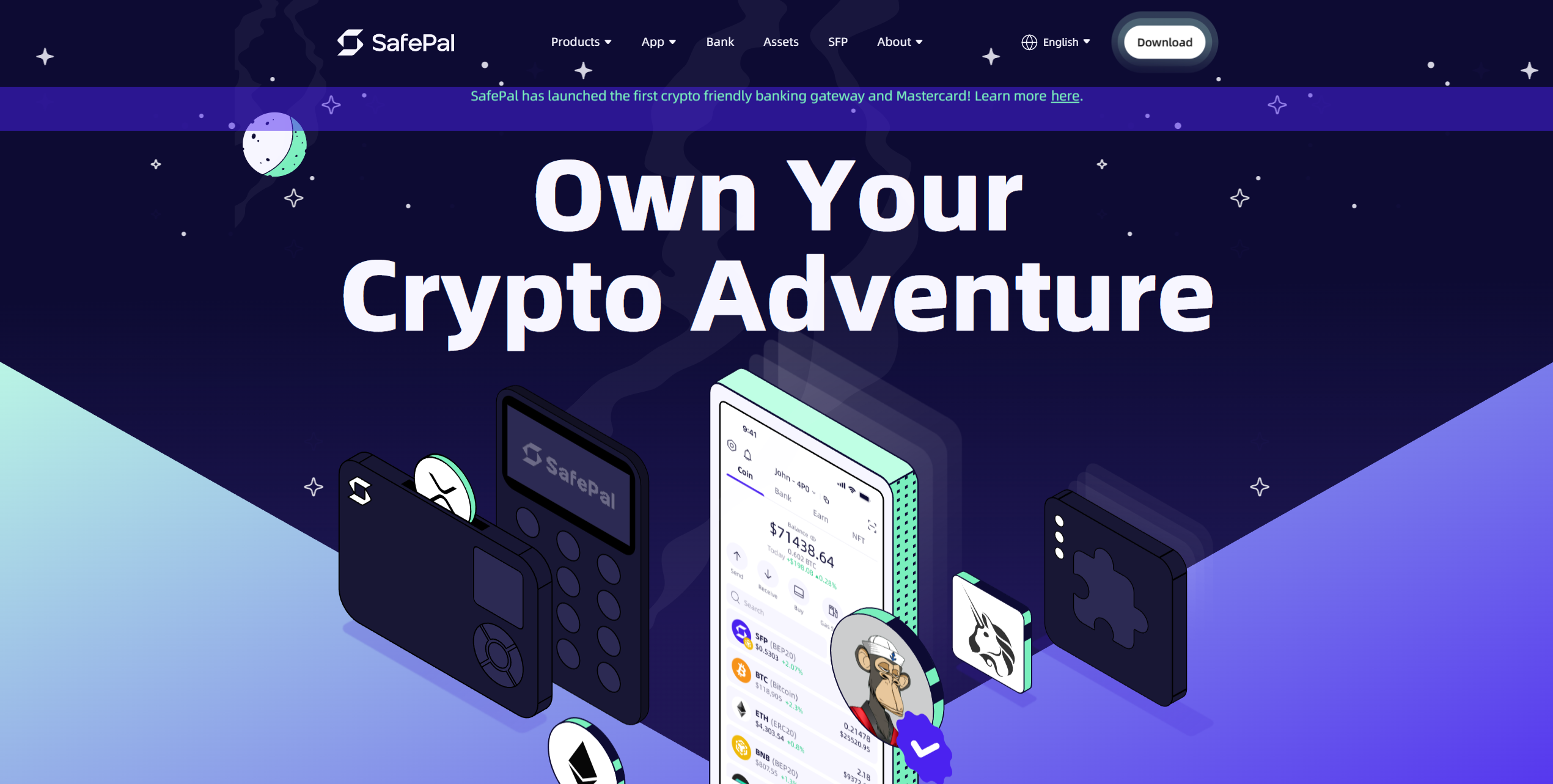
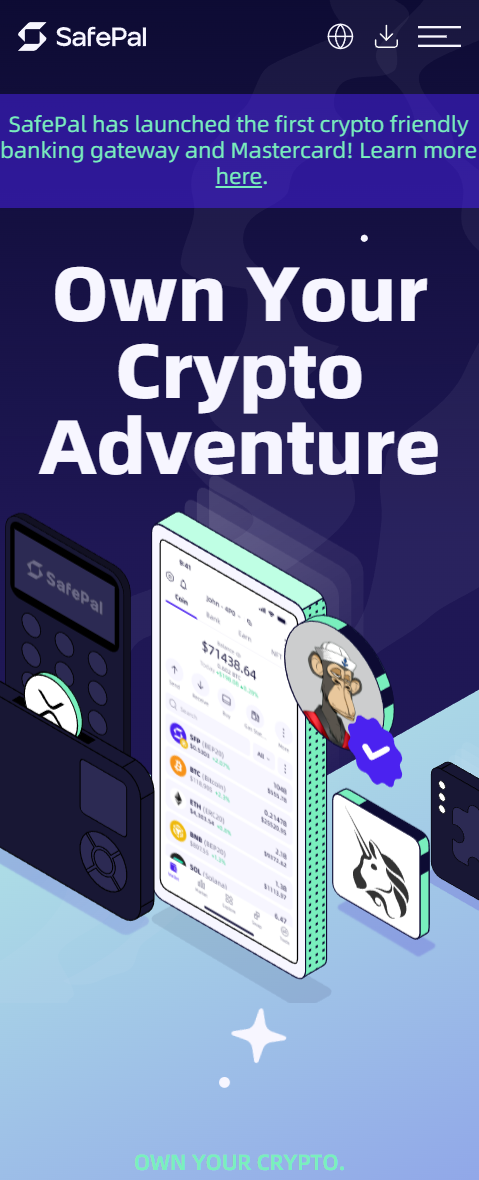
Safepal offers a complete suit of assets operations, with hardware and software wallets that are all multichain and multi-sig in nature. They do not just allow you to store and secure your assets, you can also swap, trade, buy and sell, and above all stake some of your assets to make profits. Safepal is fully anonymous and completely self-custodial, though its source is not 100% open. It supports assets across hundreds of chains and allows integration with lots of DEFIs and DAAPs. Above all, you are allowed to backup your almighty seeds both manually and on the cloud.
Year Founded
- 2018
Cryptocurrencies
- Bitcoin
- Ethereum
- Tether
-
+89
Available countries
- Afghanistan
- Albania
- Algeria
-
+246
Year Founded
- 2017
Headquarters
- Switzerland
Licenses
- N/A - Not disclosed
Cryptocurrencies
- Bitcoin
- Ethereum
- Tether
-
+70
Available countries
- Albania
- Algeria
- American Samoa
-
+228
Languages
- English
- German
- French
-
+6
Features
- Tangem Pay
- Tangem Academy
-
+11
Available countries
- Afghanistan
- Albania
- Algeria
-
+246
Available countries
- Afghanistan
- Albania
- Algeria
-
+246
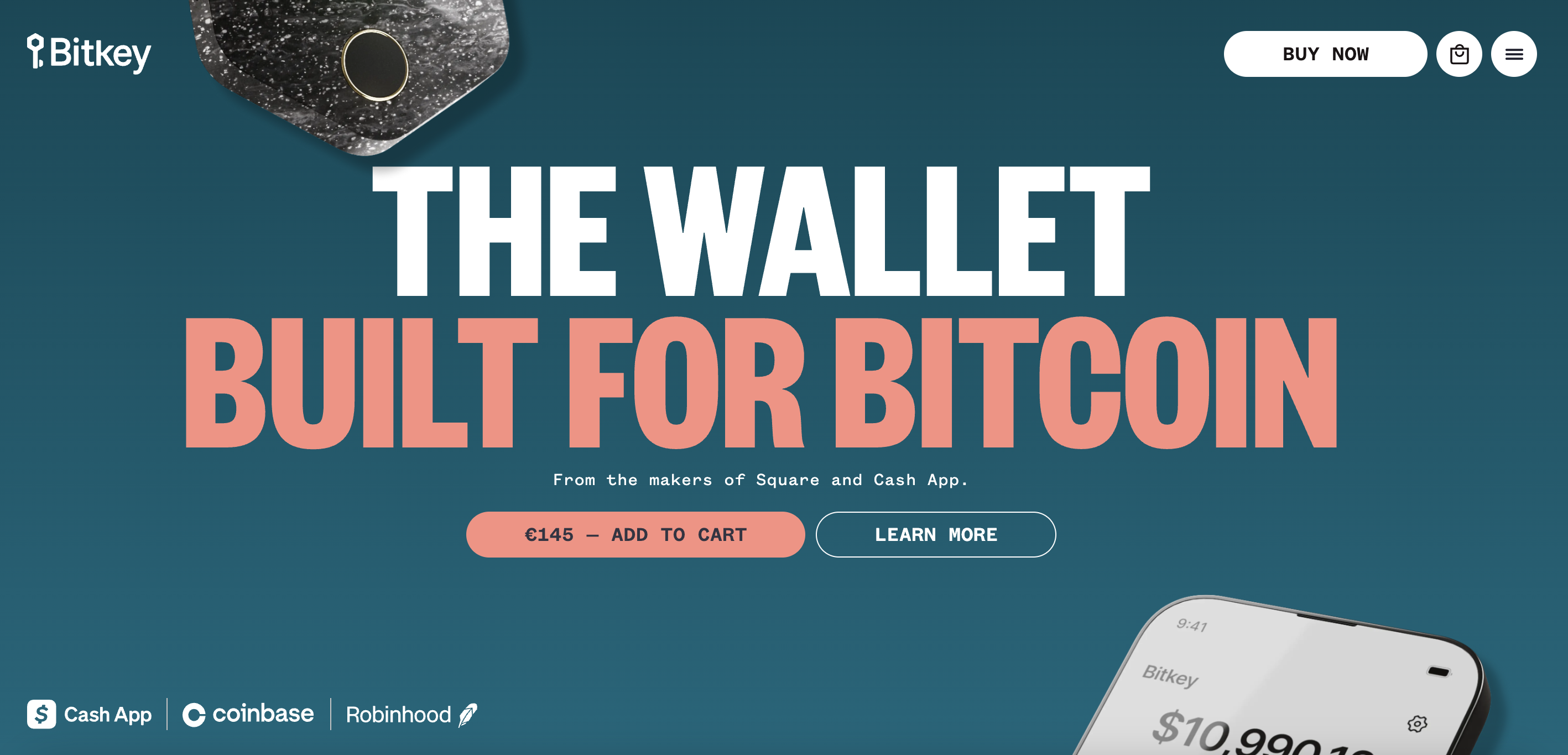
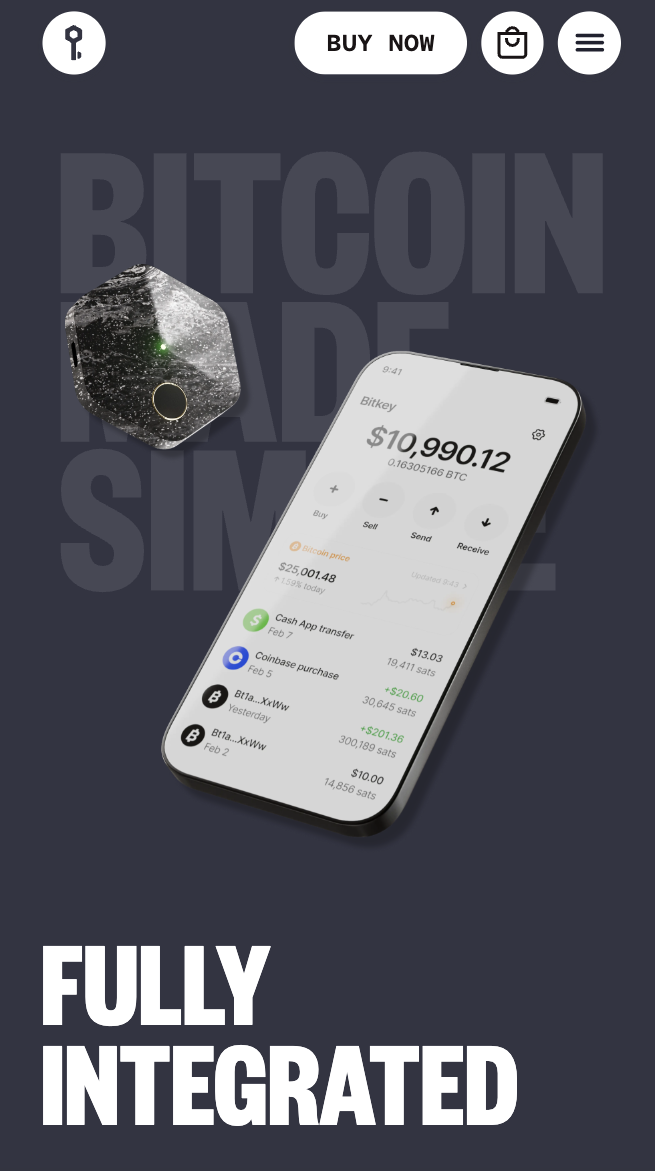
Bitkey is a Bitcoin only non custodial wallet where users can store and exchange their Bitcoins. Bitkey offers a mobile wallet and hardware counterpart to users. On these wallets, you will enjoy a multi signature secure system that allows you full access and custody of your coin, with full anonymity. Here, you will have no issues with 2FA and aboslutely nothing to do with KYC verifications. While the code for the site is open source, you can only trade BTC here through the Bitcoin Network, and cannot enjoy any form of DeFi integration and staking support. You can also enjoy a basic level of portfolio tracking on the app, but there is no profit and loss statement and tax report.
Year Founded
- 2022
Licenses
- MIT License
- Commons Clause
Cryptocurrencies
- Bitcoin
Available countries
- Afghanistan
- Albania
- Algeria
-
+246
Languages
- N/A - Not disclosed
Year Founded
- 2023
Headquarters
- United States
Licenses
- United States (IRS)
Cryptocurrencies
- Bitcoin
- Ethereum
- Tether
-
+10
Available countries
- United States
Languages
- English
Features
- Swap
- Affiliate Program
-
+6
Get $10 in Bitcoin when you register through a referral link from an existing member.


Established in 2011, Kraken is a trusted cryptocurrency exchange renowned for its longevity and diverse trading interfaces, catering to a broad user base.
- Supports hundreds of coins
- High liquidity
- Simple and user-friendly interface
- Good customer support options
- Lots of advanced trading features like margin, futures, and indices trading
- No insurance fund for assets on the platform
- Doesn’t offer a crypto credit card
- No personal wallet service for traders
- Supports only a few fiat currencies
Year Founded
- 2011
Headquarters
- United States
Licenses
- United States (IRS)
- Canada (CRA)
- United Kingdom (HMRC)
-
+7
Cryptocurrencies
- Bitcoin
- Ethereum
- Tether
-
+83
Available countries
- Afghanistan
- Albania
- Algeria
-
+240
Languages
- Chinese (Mandarin)
- English
- French
-
+10
Features
- Cryptowatch
- Forks
-
+29
Year Founded
- 2019
Headquarters
- Israel
Licenses
- N/A - Not disclosed
Cryptocurrencies
- Bitcoin
- Ethereum
- Tether
-
+68
Available countries
- Afghanistan
- Albania
- Algeria
-
+245
Languages
- English
- German
- Portuguese (Brazil)
Features
- Swap
- Multi-Party Computation (MPC)
-
+15


Uphold Crypto Exchange, founded in the United States in 2014, is a global digital money platform that enables users to buy, sell, and trade various cryptocurrencies.
Year Founded
- 2015
Headquarters
- Bahamas
Licenses
- United States (IRS)
- United Kingdom (HMRC)
- Lithuania
Cryptocurrencies
- Tether
- TrueUSD
- USD Coin
-
+144
Available countries
- Australia
- Canada
- France
-
+9
Languages
- English
- Spanish
Features
- Metals
- National Currencies (Forex)
-
+5
Don’t invest unless you’re prepared to lose all the money you invest.
Earn $10 in Ethereum (ETH) when you stake $100 in ETH for the first time, up to $30 in rewards


Coinbase, a major player since its inception in 2012, is a user-friendly cryptocurrency exchange offering a secure platform for buying, selling, and managing a variety of digital assets.
- Operating since 2012, listed on Nasdaq, and has a BitLicense from New York State Department of Financial Services.
- Offers a variety of assets
- Fast crypto withdrawals
- Lists smaller assets before other big exchanges
- User-friendly interface with intuitive design
- Coinbase Pro offers much better fees!
- This has been the main complaint against Coinbase, although they have committed to hiring more staff.
- Controls customers' private keys
- Restricted to many countries
- Doesn't offer many advanced services
Year Founded
- 2012
Headquarters
- United States
Licenses
- United States (IRS)
- Canada (CRA)
- United Kingdom (HMRC)
-
+4
Cryptocurrencies
- Bitcoin
- Ethereum
- Tether
-
+68
Available countries
- Canada
- France
- Netherlands
-
+6
Languages
- English
- German
- French
-
+9
Features
- Web3
- Borrow
-
+27

Disclaimer
The information provided on this website is for informational purposes only and should not be considered as financial, investment, or legal advice. Cryptocurrency investments are volatile and high-risk in nature. Consult with a qualified financial advisor and/or tax professional before making any investment decisions. We are not responsible for any loss incurred due to the use of information on this website. Do your own research and exercise caution. Don’t invest unless you’re prepared to lose all the money you invest.
How We Determine the Best Cold Wallets
Choosing the best cold storage wallet requires analyzing multiple factors, including:
- Security Architecture
- Open-source Transparency
- Usability & User Experience
- Backup, Recovery & Migration
- Supported Coins & Chains
- Transaction Functionality
- Firmware & Longevity
- Reputation
- Price Value
Let’s explore these aspects in detail below!
Security Architecture
A cold wallet’s security architecture protects your digital assets against hacking, tampering, and data leaks. It employs the following security measures:
- Secure Element (SE): A high-grade chip certification, like CC EAL5+, which stores private keys in an isolated environment that has been tested against physical and software attacks.
- Passphrases and duress/decoy PINs: This additional security layer protects stored assets if the wallet is stolen or accessed under duress.
- Supply-chain protection: This includes tamper-evident seals, device authentication, and packaging integrity checks that ensure users that the wallet has not been compromised before shipping.
- Attack surface testing: Quality checks performed against physical access attacks, side-channel leaks, and glitch-based exploits.
- Air-gapping implementation: This involves applying methods such as QR codes, microSD cards, and NFC to prevent remote attackers from compromising the device.
- Firmware signing and reproducibility: This ensures that only verified firmwares can be installed with updates. It also allows independent parties to confirm the firmware hasn’t been tampered with.
- Prevents private key exposure: Unlike pseudo-cold wallets, true cold wallets never expose private keys outside the device, even during transactions, thereby preventing them from being copied or intercepted.
Open-source Transparency
Open-source transparency means a cold wallet’s security can be independently verified. Its key aspects include:
- Open-source firmware, hardware, and apps: This openness allows independent developers and security experts to examine the code for flaws or malicious behavior.
- Reproducible build verification: This means that anyone can compile publicly available source code and confirm it matches the device’s firmware hash.
- Independent audits: Provide an added layer of assurance for users.
Usability & User Experience
A well-designed wallet minimizes user error by providing an intuitive experience and clear instructions. Here’s what defines its ease of use:
- Initial setup flow: The best cold wallet offers a seamless onboarding process, including seed generation and device pairing. This helps users set up the wallet without confusion or mistakes.
- Screen quality: We evaluate the device’s size, clarity, and ease of use, including touch input and button functionality. A clear screen helps prevent signing mistakes.
- Companion app UX: Standout cold storage wallets simplify transaction signing, firmware updates, and setting navigation.
- Beginner accessibility: Good design lowers the risks for mistakes, such as losing the seed phrase or misconfirming transactions.
- Error handling and recovery guidance: This includes clear instructions and prompts that help users identify and resolve issues, as well as recover safely.
Backup, Recovery & Migration
A cold wallet with a recovery system provides users with peace of mind. Here’s what makes backup and recovery reliable:
- Supported seed formats: Compatibility with BIP39, SLIP-39 (Shamir backup), or SeedQR helps wallet recovery across different devices and brands.
- Backup methods: Options such as paper, metal plates, or microSD cards allow for secure data recovery.
- Recovery process: The best cold wallet provides an easy recovery process, which reduces stress and errors.
- Cross-compatibility: The wallet’s restore feature provides flexibility and long-term access to user funds.
Supported Coins & Chains
A versatile and future-proof cold wallet is determined by the coins and chains it supports. Here’s what we look for when evaluating supported coins and chains:
- Number and diversity of supported coins: It’s more convenient for users to manage their holdings on a wallet that supports a broader range of coins and token types, such as BTC, ETH, ERC-20 tokens, NFTs, and Solana based assets.
- Frequency of new coin additions: Our team prefers wallets that regularly update their list of supported assets.
- Integration with third-party wallets: Wallets compatible with platforms like MetaMask, Electrum, or Sparrow allow users to manage funds more easily.
- Native support for staking, NFTs, DeFi, or swaps: Cold storage wallets with these built-in features offer more functionality, allowing users to earn rewards or manage NFTs.
Transaction Functionality
Transaction functionality enables users to send, sign, and verify transactions accurately without exposing their private keys. Key things we check include:
- Multisig and Partially Signed Bitcoin Transaction (PSBT) support: These features add flexibility and an extra layer of security for shared or advanced setups.
- Bitcoin features: Wallets that support Taproot, SegWit, and Miniscript are compatible with the latest Bitcoin standards.
- Ethereum features: Integration with EIP-1559, NFT signing, and WalletConnect 2.0 allows secure interaction with Ethereum-based apps, tokens, and collectibles directly from cold storage.
- Offline signing accuracy: Accurate QR or PSBT signing ensures that transaction details always match. This prevents errors or tampering during offline operations.
Firmware & Longevity
Firmware and longevity reflect how well a cold wallet can stay secure and functional over time. We evaluate factors such as:
- Update frequency and response to threats: Regular updates show strong and ongoing security support.
- Update method: Wallets that update offline via microSD or QR codes reduce exposure to online risks.
- Internet dependency: Updates that require an internet connection can introduce vulnerabilities.
- Long-term support: Clear firmware history and consistent manufacturer maintenance help ensure reliability for years.
Reputation
A reputable cold wallet earns trust through proven reliability and transparency. We evaluate this using the following criteria:
- Developer background and transparency: Trust grows when teams are public, credible, and open about their work.
- Security history: No major breaches or recalls indicate a reliable track record.
- Community feedback: A positive reputation across Reddit, GitHub, and BitcoinTalk demonstrates strong user trust.
- Responsiveness: The prompt handling of feedback and bug reports reflects an ongoing commitment to security and user satisfaction.
Price Value
The following factors help determine if a wallet is worth it:
- Base price vs. included accessories: Wallets that include essentials like cables or seed cards stood out in our evaluation compared to those that require an extra charge.
- Optional bundles or premium materials: Features such as metal casing or touch displays can justify higher prices when they enhance durability or usability.
- Real cost vs. feature parity with competitors: We compare price points against similar wallets to see which offers the best balance of features and security.
- Security trade-offs in budget models: Most low-cost wallets do not provide strong security measures, which exposes users to risks.
Why Should You Use Cold (and Not) Hot Wallets?
- Reduced exposure from online attacks: A cold wallet offers higher protection than a hot wallet, as it keeps your private keys offline and disconnected from the internet. This reduces your exposure to cyberattacks, such as hacking, malware, and phishing.
- Best suited for long-term storage: A cold wallet offers peace of mind, especially when storing a large amount of cryptocurrency for months or years without requiring frequent transactions.
- Keeps you less vulnerable to exchange failure: Storing your assets on an exchange’s hot custodial wallet exposes you to the risks of hacking, service insolvency, platform failure, or withdrawal restrictions. You can reduce these risks by transferring your assets to a cold wallet.
- Safeguards your main asset while you store some on a hot wallet for trading: This hybrid strategy involves keeping your core holdings in cold storage while maintaining a small amount in a hot wallet for regular use, thereby minimizing your risk exposure.
- Reduced traceability and enhanced privacy: Storing your assets in a cold wallet lets you avoid frequent transactions with online services, exchanges, or dApps. This limits your exposure to data leaks, metadata tracking, and platform monitoring.
Cold vs Hot Wallets
| Feature | Cold Wallet | Hot Wallet |
| Internet Connection | No internet connection required | Requires an internet connection |
| Security Level | Very high because keys are offline | Lower because keys are online |
| Private Key Control | You fully control your private keys | You control keys, but the risk is higher |
| Access Speed | Slower due to extra steps | High-speed access |
| Backup & Recovery | Needs physical backup of the seed/device | Usually has software backup options |
| Supported Devices | Hardware device, paper wallet, offline PC | Mobile apps, desktop software, browser extension |
| Setup Difficulty | Moderate to high | Fewer steps, easier to set up |
| Cost | Often paid device | Usually free or very low cost |
| Transaction Process | Extra step to sign offline, then send | Direct send/receive online |
| Supported Assets | Many supported, but may need manual steps | Broad support, including many tokens |
| Third-party Integrations | Fewer integrations with exchanges/apps | Strong support with exchanges and apps |
| Risk of Loss | Physical loss or damage is the main risk | Online theft, hacking, and phishing are the main risks |
| Physical Security | Device and backup must be physically safe | Focus more on digital security |
| Maintenance | Device firmware updates, secure storage | Software updates, strong passwords, vigilance |
How to Set Up a Cold Wallet
Below is a step-by-step guide to buy, set up, and maintain your cold wallet for long-term crypto storage:
Step 1 – Purchase the Wallet
- Visit the official website of your chosen brand or an authorized reseller to ensure you’re buying a genuine device.
- Keep your purchase receipt and packaging until you are sure that everything works fine.
Step 2 – Verify Authenticity
- Upon receiving the device, verify its authenticity by checking the seals or packaging to ensure that they are intact.
- Ensure the cold wallet is new and not pre-initialized.
- Confirm the device’s model and firmware version to ensure they match the ones listed by the manufacturer.
Step 3 – Install Companion Software
- To avoid fake apps when installing the companion software, download only from the official website.
- For instance, Ledger has “Ledger Live”.
- Ensure your computer is secure and up to date before installation to prevent malicious software, such as malware.
Step 4 – Initialize the Device
- Next, connect your cold wallet by following the on-screen instructions.
- Select a language and agree to the terms.
- The device will generate a new wallet or private keys, so that the keys never leave the device.
Step 5 – Store Your Recovery Seed
- During the setup, you will receive a 12- or 24-word recovery seed phrase, which will allow you to recover your assets if the device is lost.
- Write this phrase on paper or metal.
- Ensure that you do not store it in plaintext on a computer or online storage, as this will make it vulnerable to hacking.
- After writing it offline, keep it in a safe and secure place, such as a fireproof safe or a locked box.
- Make multiple copies and store them in separate locations.
Step 6 – Set Up a Strong PIN or Passphrase
- To prevent unauthorized physical use, set up a four- to eight-digit PIN on the device, depending on the model. Some brands allow an additional passphrase, often referred to as the “25th word”.
- This provides an extra layer of security, so you should treat it like part of your seed phrase.
- Do not reuse easily guessed PINs and avoid writing your PIN alongside your seed phrase.
Step 7 – Update the Firmware
- After setting up the device, check the companion software to see if it offers a firmware update and install it if available.
- These updates often patch security vulnerabilities. During this process, make sure that your device remains connected and powered.
- Update only via the official software and device interface.
Step 8 – Connect & Add Accounts
- You must add the networks for the cryptocurrencies you plan to store on the device.
- Do this inside the companion software.
- Ensure that your wallet recognizes those accounts and displays the correct addresses.
- Double-check that you have the proper network, so you avoid sending to the wrong one. Do this especially for tokens that exist on multiple chains.
Step 9 – Test with a Small Transaction
- To test your device, send a small amount of token from your current wallet or exchange to your new wallet address to verify that everything works as expected.
Step 10 – Keep the Wallet Offline & Updated
- When not in use, it is best to disconnect the device from the internet and store it in a safe place.
- The security of cold wallets comes from keeping your keys offline.
- Still, continue to monitor for firmware or software updates, and apply them when needed.
- Verify periodically that your backup seed phrases remain safe and readable.
 DON’T GET REKT
Curated drops, testnets and red flag alerts straight to your inbox ✌️
 You’re in. Thanks for joining our newsletter.

Final Tips
The safest way to protect your digital assets in the long term is to use a cold wallet. These storage keep private keys offline and provide complete fund control.
Before buying, keep these tips in mind:
- Buy only from official stores to avoid fake or tampered devices.
- Set up the wallet offline and never store recovery phrases on your online-connected devices.
- Use metal backups instead of paper for greater durability.
- Update firmware regularly to fix bugs and improve security.
- Test the wallet with a small transfer before moving large amounts.
The best cold wallets for crypto offer strong security, simple recovery, and lasting reliability. These devices are the most dependable choice for keeping crypto safe and accessible without relying on online services.
Frequently Asked Questions
-
01.
How long can I use a cold wallet?
A cold wallet can last between five and ten years or even longer if maintained properly. Its lifespan depends on factors such as hardware quality, ongoing firmware updates, and the extent to which it is protected from physical damage. Regularly updating the firmware helps prevent compatibility issues and security risks as technology evolves. When a wallet becomes outdated or no longer supported, it is recommended to transfer assets to a newer model. Even if the hardware fails over time, funds remain safe as long as the recovery seed phrase is securely stored and kept away from unauthorized access or environmental hazards.
-
02.
What are the disadvantages of using a cold wallet?
The disadvantages of using a cold wallet for digital asset storage include reduced convenience and accessibility, physical risks, complex setup and maintenance, increased physical security costs, and potential obsolescence. Cold wallets require manual steps in accessing funds, which provides less convenience compared to hot wallets’ quick online transactions. Since cold wallets are physical devices, they can be damaged by fire, water, theft, or physical wear and tear. Setting up and maintaining this device requires technical knowledge and secure handling of private keys. Securing a cold wallet can be expensive, as it involves purchasing safes and vaults. Over time, they can be outdated, so migration to a newer device is needed.
-
03.
Are cold wallets 100% safe?
Cold wallets offer the highest level of protection for cryptocurrencies, but are not entirely risk-free. They can still be exposed to physical theft, loss, or damage, as well as firmware vulnerabilities and supply chain tampering. Human errors, such as mishandling recovery phrases or falling victim to phishing scams, also pose significant threats. While cold wallets minimize online risks by keeping private keys offline, their overall safety depends on careful use and maintenance. Buying only from official sources, regularly updating firmware, and securely storing recovery seeds are essential steps to ensure that funds remain protected and accessible in the long run.
-
04.
What if I lose my cold wallet?
If the physical device is lost, the key to accessing your funds remains intact as long as the recovery seed phrase is securely backed up. Without that phrase, access to the cryptocurrency is effectively gone. To restore access, obtain a new compatible wallet, choose the restore option, and enter the seed words. If you suspect the old device has been compromised, immediately transfer your assets to a new address after restoring. The device itself is replaceable, but the seed phrase is not.


