


Choosing the best hardware wallet is crucial for safeguarding your cryptocurrencies against online threats and unauthorized access. Hardware wallets store your private keys offline. This gives you complete control over your assets and reduces the risk from hacks or exchange failures.
In this guide, we review and rank the top wallets in 2026 based on security, usability, supported coins, and overall value. Continue reading to discover a secure and reliable hardware wallet that meets your storage needs and supports your long-term cryptocurrency strategy.
Key Takeaways
- Hardware wallets store private keys offline to protect users from online hacking, malware, and phishing attacks.
- Users gain full ownership and independence by directly controlling their private keys and verifying transactions on the device.
- Using a hardware wallet eliminates the need to trust exchanges or third-party custodial services.
- Compared to software wallets, hardware wallets offer higher security and offline protection, although they are more expensive and require physical confirmation for every cryptocurrency transaction.
- Choosing the right hardware wallet depends on balancing security, usability, blockchain support, reliability, and price.
Best Hardware Wallets for Crypto Listed & Ranked
-
 PromotionsCoins


-
 Coins
Coins

-
 Promotions
 -
 Promotions
 -
 Coins
Coins
-
 Coins
Coins


-
 Coins
Coins

-
 Coins
Coins
-
 PromotionsCoins



-
 PromotionsCoins
Best Hardware Wallets for Crypto Reviewed


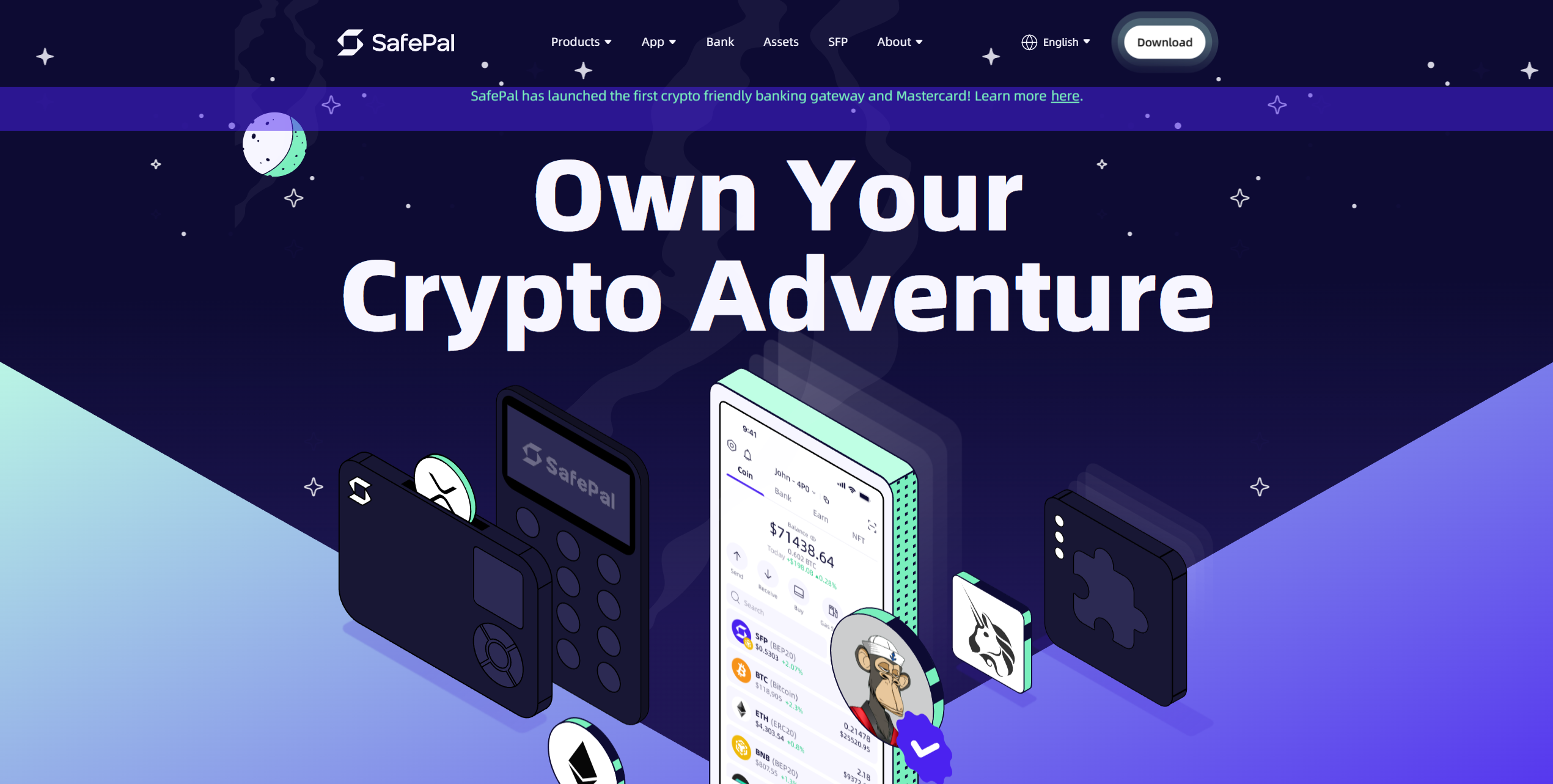
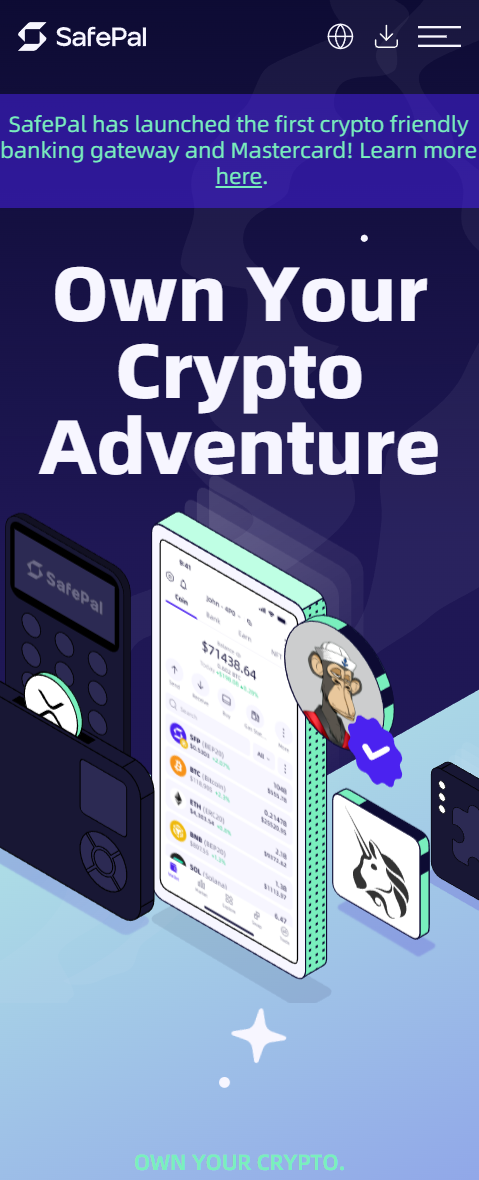
Safepal offers a complete suit of assets operations, with hardware and software wallets that are all multichain and multi-sig in nature. They do not just allow you to store and secure your assets, you can also swap, trade, buy and sell, and above all stake some of your assets to make profits. Safepal is fully anonymous and completely self-custodial, though its source is not 100% open. It supports assets across hundreds of chains and allows integration with lots of DEFIs and DAAPs. Above all, you are allowed to backup your almighty seeds both manually and on the cloud.
Year Founded
- 2018
Cryptocurrencies
- Bitcoin
- Ethereum
- Tether
-
+89
Available countries
- Afghanistan
- Albania
- Algeria
-
+246
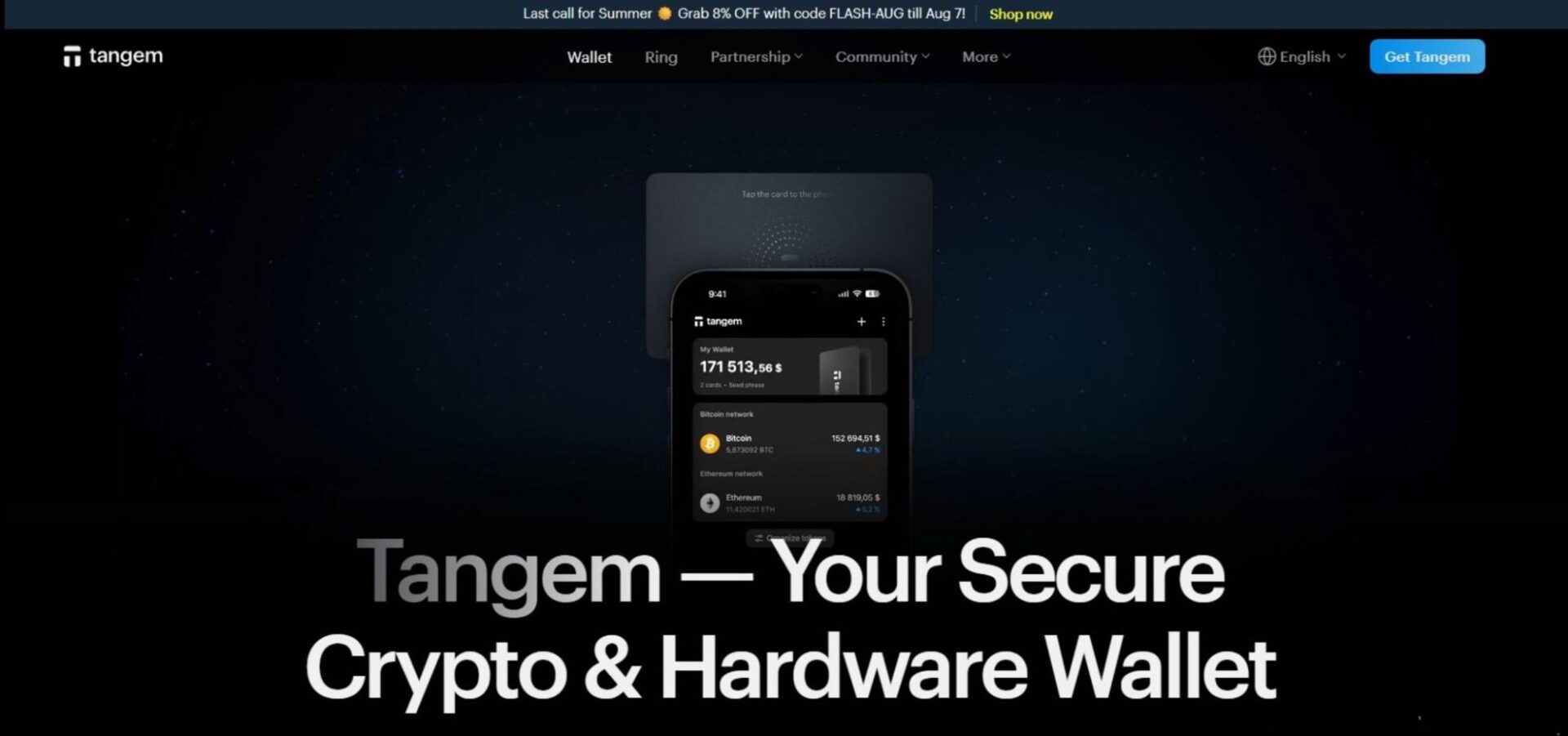
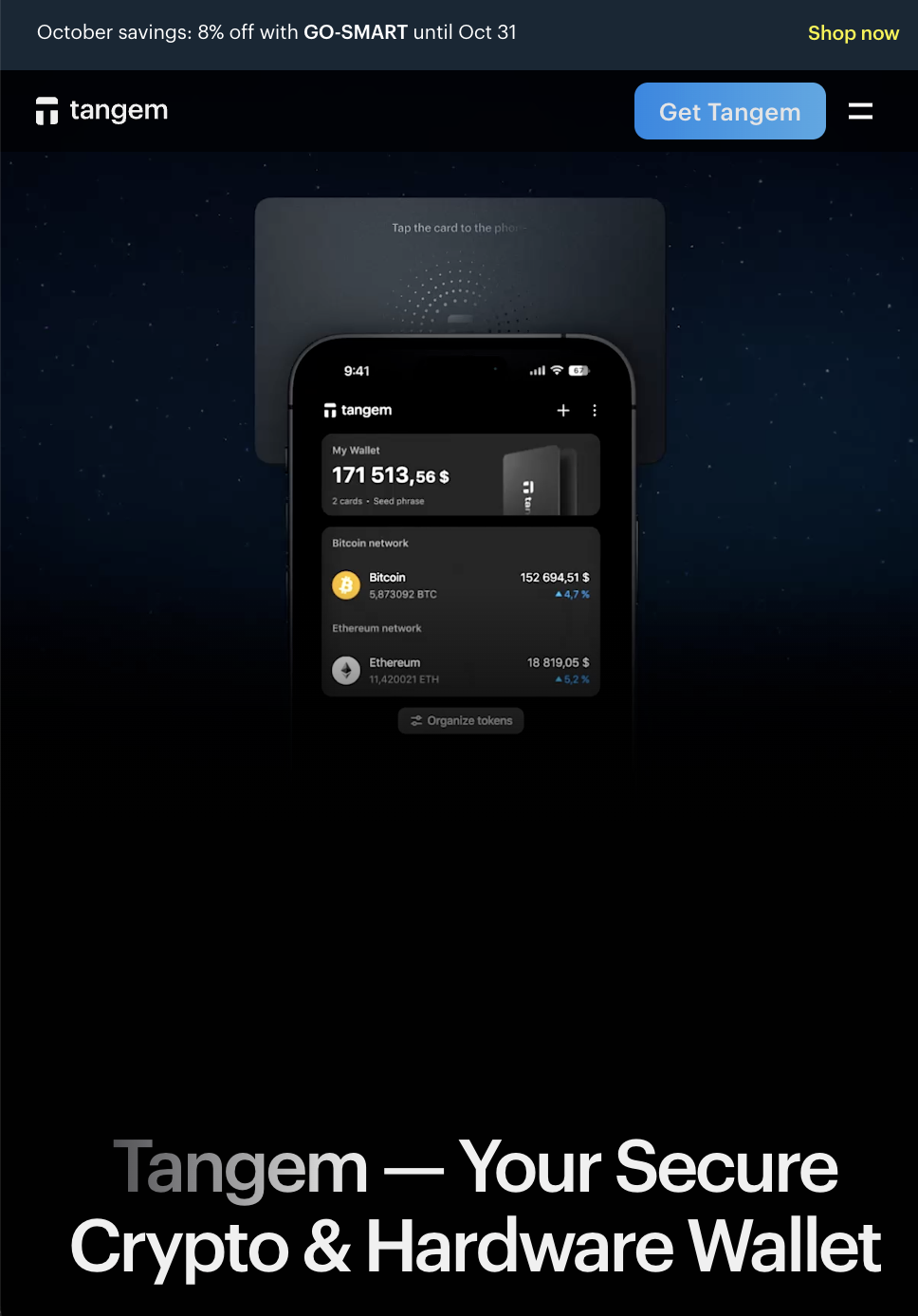
Year Founded
- 2017
Headquarters
- Switzerland
Licenses
- N/A - Not disclosed
Cryptocurrencies
- Bitcoin
- Ethereum
- Tether
-
+70
Available countries
- Albania
- Algeria
- American Samoa
-
+228
Languages
- English
- German
- French
-
+6
Features
- Tangem Pay
- Tangem Academy
-
+11
Available countries
- Afghanistan
- Albania
- Algeria
-
+246
Available countries
- Afghanistan
- Albania
- Algeria
-
+246
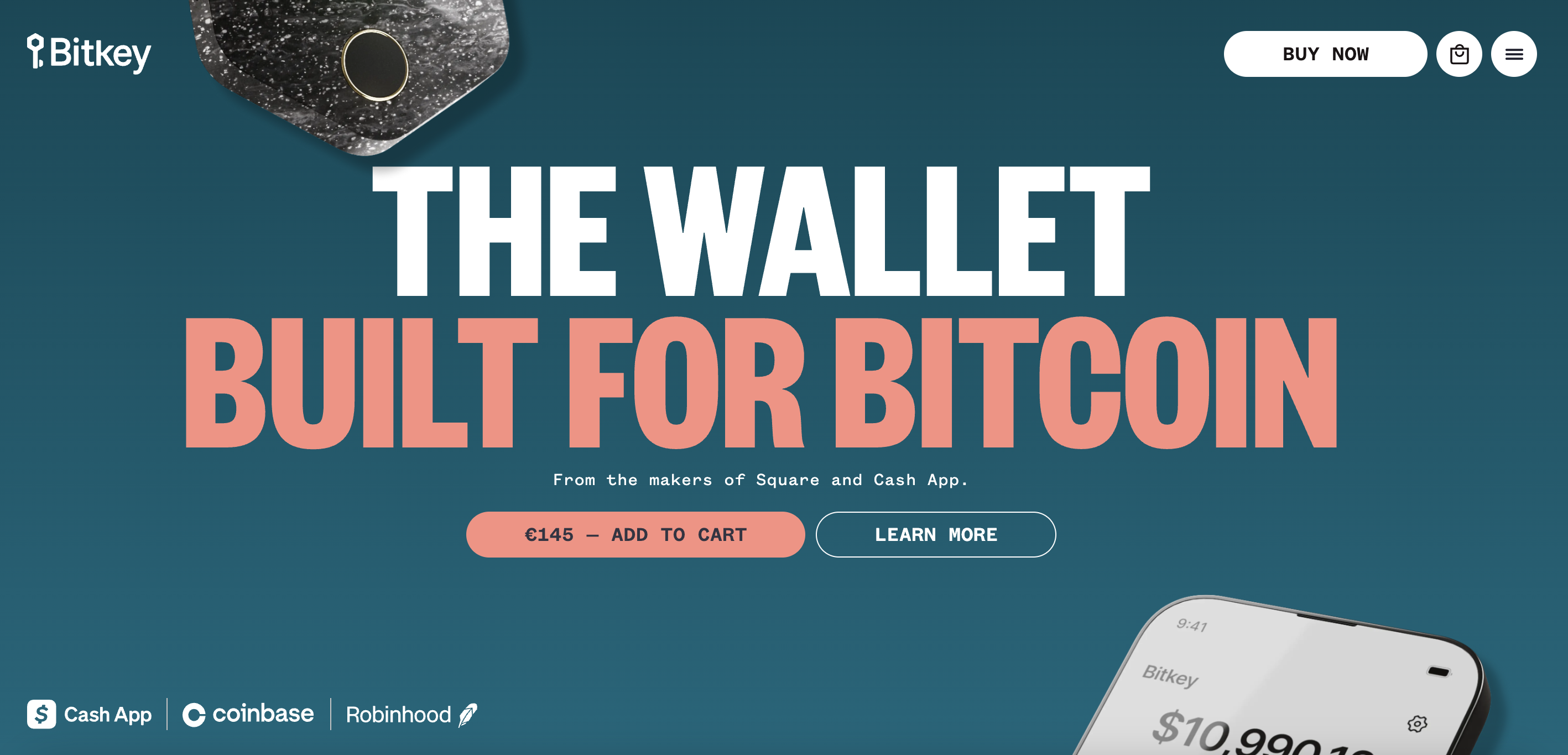
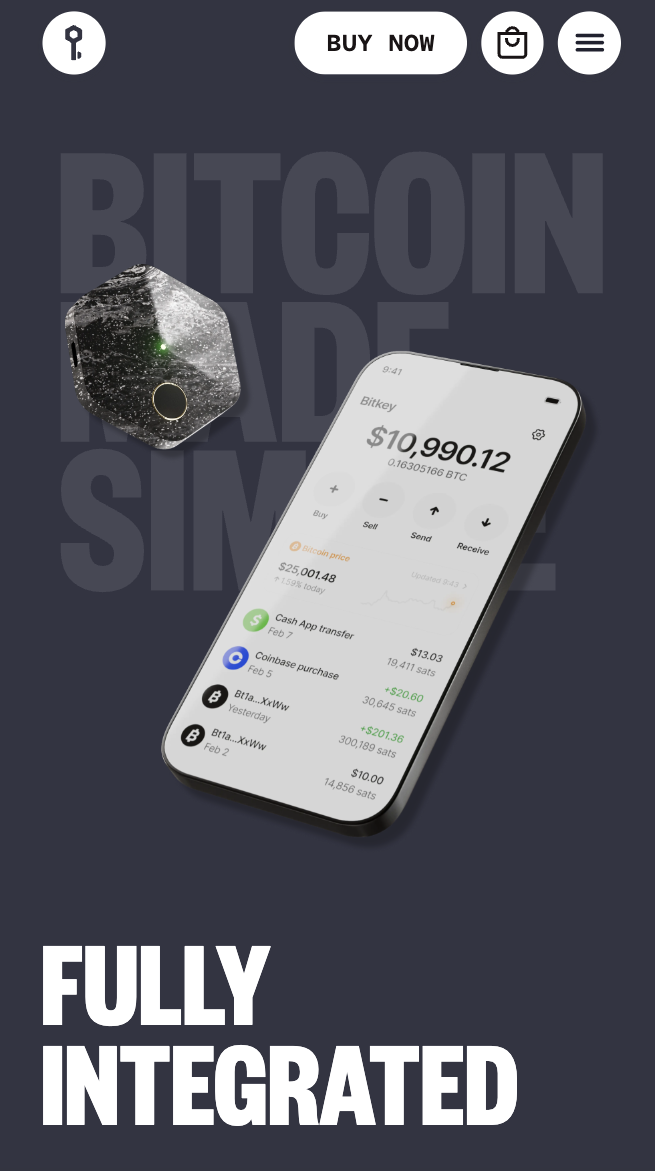
Bitkey is a Bitcoin only non custodial wallet where users can store and exchange their Bitcoins. Bitkey offers a mobile wallet and hardware counterpart to users. On these wallets, you will enjoy a multi signature secure system that allows you full access and custody of your coin, with full anonymity. Here, you will have no issues with 2FA and aboslutely nothing to do with KYC verifications. While the code for the site is open source, you can only trade BTC here through the Bitcoin Network, and cannot enjoy any form of DeFi integration and staking support. You can also enjoy a basic level of portfolio tracking on the app, but there is no profit and loss statement and tax report.
Year Founded
- 2022
Licenses
- MIT License
- Commons Clause
Cryptocurrencies
- Bitcoin
Available countries
- Afghanistan
- Albania
- Algeria
-
+246
Languages
- N/A - Not disclosed
Year Founded
- 2023
Headquarters
- United States
Licenses
- United States (IRS)
Cryptocurrencies
- Bitcoin
- Ethereum
- Tether
-
+10
Available countries
- United States
Languages
- English
Features
- Swap
- Affiliate Program
-
+6
Get $10 in Bitcoin when you register through a referral link from an existing member.


Established in 2011, Kraken is a trusted cryptocurrency exchange renowned for its longevity and diverse trading interfaces, catering to a broad user base.
- Supports hundreds of coins
- High liquidity
- Simple and user-friendly interface
- Good customer support options
- Lots of advanced trading features like margin, futures, and indices trading
- No insurance fund for assets on the platform
- Doesn’t offer a crypto credit card
- No personal wallet service for traders
- Supports only a few fiat currencies
Year Founded
- 2011
Headquarters
- United States
Licenses
- United States (IRS)
- Canada (CRA)
- United Kingdom (HMRC)
-
+7
Cryptocurrencies
- Bitcoin
- Ethereum
- Tether
-
+83
Available countries
- Afghanistan
- Albania
- Algeria
-
+240
Languages
- Chinese (Mandarin)
- English
- French
-
+10
Features
- Cryptowatch
- Forks
-
+29
Year Founded
- 2019
Headquarters
- Israel
Licenses
- N/A - Not disclosed
Cryptocurrencies
- Bitcoin
- Ethereum
- Tether
-
+68
Available countries
- Afghanistan
- Albania
- Algeria
-
+245
Languages
- English
- German
- Portuguese (Brazil)
Features
- Swap
- Multi-Party Computation (MPC)
-
+15


Uphold Crypto Exchange, founded in the United States in 2014, is a global digital money platform that enables users to buy, sell, and trade various cryptocurrencies.
Year Founded
- 2015
Headquarters
- Bahamas
Licenses
- United States (IRS)
- United Kingdom (HMRC)
- Lithuania
Cryptocurrencies
- Tether
- TrueUSD
- USD Coin
-
+144
Available countries
- Australia
- Canada
- France
-
+9
Languages
- English
- Spanish
Features
- Metals
- National Currencies (Forex)
-
+5
Don’t invest unless you’re prepared to lose all the money you invest.
Earn $10 in Ethereum (ETH) when you stake $100 in ETH for the first time, up to $30 in rewards


Coinbase, a major player since its inception in 2012, is a user-friendly cryptocurrency exchange offering a secure platform for buying, selling, and managing a variety of digital assets.
- Operating since 2012, listed on Nasdaq, and has a BitLicense from New York State Department of Financial Services.
- Offers a variety of assets
- Fast crypto withdrawals
- Lists smaller assets before other big exchanges
- User-friendly interface with intuitive design
- Coinbase Pro offers much better fees!
- This has been the main complaint against Coinbase, although they have committed to hiring more staff.
- Controls customers' private keys
- Restricted to many countries
- Doesn't offer many advanced services
Year Founded
- 2012
Headquarters
- United States
Licenses
- United States (IRS)
- Canada (CRA)
- United Kingdom (HMRC)
-
+4
Cryptocurrencies
- Bitcoin
- Ethereum
- Tether
-
+68
Available countries
- Canada
- France
- Netherlands
-
+6
Languages
- English
- German
- French
-
+9
Features
- Web3
- Borrow
-
+27

Disclaimer
The information provided on this website is for informational purposes only and should not be considered as financial, investment, or legal advice. Cryptocurrency investments are volatile and high-risk in nature. Consult with a qualified financial advisor and/or tax professional before making any investment decisions. We are not responsible for any loss incurred due to the use of information on this website. Do your own research and exercise caution. Don’t invest unless you’re prepared to lose all the money you invest.
How We Determine the Best Hardware Wallets
When choosing the best crypto hardware wallet, we look beyond simple security claims. Our evaluation focuses on how easy it is to use and how well it protects your crypto over time. Below are the key factors we check before giving our recommendation.
- Security Architecture
- Open-source Transparency
- Usability & User Experience
- Backup, Recovery & Migration
- Supported Coins & Chains
- Transaction Functionality
- Maintenance & Longevity
- Reputation
- Price Value
Let’s evaluate each of these in detail!
Security Architecture
When reviewing the security architecture of each hardware wallet, we assess how effectively it protects your private keys against both online and physical attacks. Here’s what we check:
- Secure Element (SE) chip quality – We look for wallets that use certified security chips, such as CC EAL5+ or higher, to protect sensitive data.
- Private key isolation – We confirm that private keys never leave the device, ensuring the wallet remains truly offline (cold storage) rather than partially connected (pseudo-cold).
- Air-gapping methods – We examine how the wallet prevents internet connections through the use of QR codes, microSD cards, or NFC to facilitate safer transactions.
- Extra passphrase options – We verify if the wallet supports a 25-word recovery passphrase and duress or decoy PINs for added protection.
- Firmware verification – We ensure the firmware is digitally signed and reproducible, allowing users to verify that it hasn’t been tampered with.
- Supply-chain protection – We look for tamper-evident packaging and device authentication to ensure the wallet isn’t compromised before it reaches the user.
- Attack resistance – We assess how well the wallet defends against physical access attacks, side-channel leaks, and hardware glitches.
Open-source Transparency
Open-source transparency reveals the level of openness and verifiability in a hardware wallet’s technology. This helps users trust that the device works as advertised and contains no hidden backdoors or vulnerabilities. Here’s what we look for:
- Open-source access – We verify that the wallet’s firmware, hardware design, and companion apps are open-source and available for public review.
- Reproducible builds – We verify whether users or developers can rebuild the firmware themselves and match its hash to confirm its authenticity.
- Independent audits – We check if trusted third-party security firms have audited the wallet and whether the audit reports are publicly available.
Usability & User Experience
A great hardware wallet should be easy to set up and use, even for beginners. To evaluate this, we assess the following factors:
- Setup process – We look at how easy it is to create a recovery seed phrase, pair the device, and follow the onboarding steps.
- Screen quality – We assess the screen’s size, clarity, and whether it uses touch controls or buttons for enhanced navigation.
- Companion app design – We review the user-friendliness of the app for sending transactions, updating firmware, and adjusting settings.
- Beginner accessibility – We assess how easy the wallet is for beginners to use.
- Error handling – We test how the wallet guides users through problems, such as failed transactions or setup errors, in real-life situations.
Backup, Recovery & Migration
Reliable backup and recovery options are essential for safeguarding your cryptocurrency if your device is lost or damaged. Here’s what we check:
- Seed format support – We look for wallets that use standard seed formats, such as BIP39, SLIP-39 (Shamir), or SeedQR, for flexible recovery.
- Backup options – We verify the supported backup methods, including paper, metal plates, and microSD cards.
- Recovery process – We test how easy it is to restore funds on the same wallet or a new one using the backup.
- Cross-compatibility – We verify that the backup can be imported into other hardware or software wallets without issues.
Supported Coins & Chains
A hardware wallet’s value depends on the number of cryptocurrencies and networks it can support. To measure this, we review the following criteria:
- Variety of supported coins – We examine the number and types of assets the wallet supports, including BTC, ETH, ERC-20 tokens, NFTs, and emerging chains such as Solana.
- Update frequency – We monitor the wallet’s update frequency to ensure it remains current with the latest market upgrades.
- Third-party integration – We review whether it works smoothly with popular external wallets, such as MetaMask, Electrum, or Sparrow.
- Built-in features – We look for native support for staking, NFTs, DeFi tools, or swaps within the wallet interface.
Transaction Functionality
Transaction features determine how flexible and reliable a hardware wallet is when sending or managing crypto. Here’s what we check:
- Multisig and PSBT support – We see if the wallet supports multi-signature setups and Partially Signed Bitcoin Transactions (PSBT) for added security.
- Bitcoin compatibility – We verify whether the wallet supports advanced Bitcoin features, such as Taproot, SegWit, and Miniscript.
- Ethereum compatibility – We look for support for EIP-1559 transactions, NFT signing, and WalletConnect 2.0 for DApp access.
- Offline signing accuracy – We assess if offline transactions, whether executed through QR codes or PSBT, always match correctly without errors.
Firmware & Longevity
A good hardware wallet should stay secure and reliable for years. To measure this, we assess the following factors:
- Update frequency – We review how regularly the wallet receives updates and how quickly security issues are addressed.
- Internet dependency – We check if firmware updates require an internet connection, which can increase security risks.
- Offline updates – We look for wallets that allow firmware updates via microSD cards or QR codes, enabling them to stay fully offline during updates.
- Long-term support – We assess whether the manufacturer continues to provide updates, version details, and security improvements over time.
Reputation
A hardware wallet’s reputation reflects the trust it has earned from users and the broader crypto community. Here’s what we check:
- Developer and company background – We look into who created the wallet and how transparent the company is regarding its team and operations.
- Security history – We verify the absence of past security issues, product recalls, or unresolved vulnerabilities.
- Community feedback – We review what users and developers say on platforms like Reddit, GitHub, and BitcoinTalk.
- Customer responsiveness – We assess how quickly the company responds to feedback, bug reports, and security concerns.
Price Value
Price value indicates the actual worth you receive for your investment. To measure this, we review the following factors:
- Base price and accessories – We examine the contents of the box, including cables, seed cards, or adapters, and determine whether they justify the cost.
- Optional upgrades – We examine available bundles or premium versions that offer additional features, such as metal casings or touchscreens.
- Value for money – We compare the price with similar wallets to determine whether the features are comparable to those provided by competitors.
- Security trade-offs – We verify whether cheaper wallets compromise key protections, such as secure elements or firmware verification.
Why Should You Use Hardware Wallets?
Keeps your private keys offline and away from online threats
A hardware wallet stores your private keys inside a secure physical device that is not directly connected to the internet. This protects you from hacking, malware, and phishing attempts that target online wallets. Your crypto remains protected even if your computer or phone is compromised, because the private keys are securely stored inside the hardware wallet and are never exposed online.
Gives you complete control over your digital assets
When you use a hardware wallet, you control your own private keys, rather than relying on an exchange or online service. This means that only you can approve each transaction, and no one can freeze, block, or access your funds without your permission. This gives you true ownership of your crypto.
Reduces risks from exchange failures and custodial services
Exchanges and online wallets can be hacked, shut down, or face financial difficulties. If your crypto is stored with these platforms, you could lose access. A hardware wallet removes that risk because your assets stay under your control, not on someone else’s platform.
Ideal for long-term storage or “set and forget” holdings
If you plan to hold your crypto for months or years, a hardware wallet is perfect for keeping it safe over time. It offers protection against digital attacks while allowing you to store your assets securely without the need for constant maintenance or worry.
Transaction verification happens physically on the device
Hardware wallets add another layer of protection by requiring you to confirm each transaction directly on the device. Even if your computer or phone is compromised, hackers cannot send transactions without your physical approval. This helps keep your assets secure from hidden or fraudulent transfers.
Software vs Hardware Wallets
Understanding the difference between software and hardware wallets is essential when deciding how to store and protect your cryptocurrency. Both types serve as tools for managing your crypto, but they differ in how they handle security, convenience, and control over your private keys.
Both wallets utilize recovery seed phrases to restore access in the event of an issue, but hardware wallets provide an additional layer of physical security. For everyday use, a software wallet is generally more convenient. However, a hardware wallet offers far stronger protection and peace of mind for long-term storage and large amounts of crypto.
This comparison highlights the key differences between software and hardware wallets, helping you understand how each option compares in terms of security, accessibility, and overall convenience.
| Feature | Software Wallet | Hardware Wallet |
| Internet Connection | Requires internet | Does not require internet. Device remains offline; requires companion device for broadcasting transactions. |
| Security Level | Moderate | High |
| Private Key Control | You or a third party | You only |
| Access Speed | Very fast | Slower and needs the device |
| Backup & Recovery | Seed phrase or file | Seed phrase and physical device backup |
| Supported Devices | PC, smartphone, browser | Dedicated device with a compatible app |
| Setup Difficulty | Easy | More steps required |
| Cost | Usually free | One-time purchase |
| Transaction Process | Done through the app | Needs device confirmation |
| Supported Assets | Very broad | Broad but slightly fewer |
| Third-party Integrations | Many integrations | Limited integrations |
| Risk of Loss | Hacking, malware, and device theft | Device loss or forgotten seed |
| Physical Security | Depends on your device | Must keep the device safe |
| Maintenance | Regular updates and security checks | Occasional firmware updates |
Catch The Good Stuff, Dodge The Rugs
Don’t Get Rekt delivers curated drops, testnets, and red flag alerts straight to your inbox. No hype, no spam, and it will always be free. We respect your inbox 🤞
 You’re in. Thanks for joining our newsletter.
 By submitting your email, you agree to our Terms and Privacy Policy. You can unsubscribe at any time using the link in our emails.


Final Tips
Choosing a hardware wallet is one of the most critical steps in protecting your cryptocurrency. It keeps your private keys offline, giving you complete control over your assets and protecting them from hacking or exchange failures. The best hardware wallet for cryptocurrency should fit your needs, whether you plan to hold it for the long term or use it regularly. Simplicity, strong security, and reliability should always be your top priorities when choosing a hardware wallet.
To keep your wallet safe and working correctly, remember these tips:
- Update the firmware regularly using only the official website or app.
- Write down your recovery seed and store copies in secure, separate locations.
- Never take photos or share your seed phrase, even with trusted individuals.
- Do a test transaction when setting up or after updates to guarantee that it works correctly.
- Buy only from official stores or verified sellers to avoid tampered devices.
Always take the time to learn how your device works and stay alert to scams pretending to offer updates or support. A hardware wallet is a one-time investment to ensure the safety of your funds.
Frequently Asked Questions
-
01.
How long can I use a hardware wallet?
A hardware wallet can last for many years if it’s used and stored correctly. Most devices are expected to work well for around 4 to 6 years, while their main security components can usually last up to 10 years with minimal use. If you use it often, the battery may weaken sooner, but if it’s mostly kept in storage, it can last much longer. Even if your device stops working, your crypto is still safe as long as you have your recovery seed phrase backed up securely. You can always restore your assets on a new wallet using that seed.
-
02.
Is a hardware wallet better than a software wallet?
Yes, hardware wallets are better and safer than software wallets. Private keys remain completely offline, which makes hardware wallets less prone to hacks. However, that does not mean hardware wallets are always the better choice for everyone. If you trade often or only store small amounts of crypto, a software wallet might be more practical. But if you hold large amounts or plan to store your crypto long-term, a hardware wallet gives you stronger protection and full control over your assets.
-
03.
Are hardware wallets worth it?
Yes, hardware wallets are worth it if you own a significant amount of cryptocurrency and want stronger protection. Their biggest advantage is security, since your private keys stay offline and safe from hackers, malware, and scams. The main downsides are the cost of the device, the setup process, and the risk of loss or physical damage.
If you only hold small amounts or trade often, a software wallet might be more practical and affordable. However, if you plan to store your crypto for the long term, a hardware wallet gives you peace of mind and reliable, long-term protection.
-
04.
What happens if I lose my hardware wallet?
If you lose your hardware wallet, your cryptocurrency is not gone as long as you still have your recovery seed phrase written down and stored securely offline. This recovery seed is a series of 12, 18, or 24 words that allows you to restore your wallet. However, if you lose both your hardware wallet and your recovery seed, you will permanently lose access to your crypto because there is no recovery method available.
-
05.
Can I use a hardware wallet with DeFi platforms?
Yes, you can use a hardware wallet with DeFi platforms, but you need to connect it through compatible applications or browser extensions. Many wallets support DeFi, and your private keys remain offline, but you must sign transactions directly on the device for added security.


