


 6 min read
Why Smart Investors Are Moving From Stablecoins to Tokenized RWAs




 AI Overview
Real-world assets (RWAs) are shifting DeFi’s passive-income model from speculative stablecoin rewards to asset-backed yield. Tokenized Treasuries, private credit and real estate—now backed by major institutions—offer predictable, tradable on-chain cash flows and new composable products.
- Asset-backed yields: Tokenized Treasuries, private credit and real estate deliver predictable cash flows and higher, non-emission yields versus traditional stablecoin lending.
- Institutional validation: BlackRock, Franklin Templeton and leading protocols are scaling RWAs, bringing regulated capital and broader market access on-chain.
- Key risks: Regulatory uncertainty, custodial centralization and liquidity fragmentation remain challenges, mitigated partly by SPVs, audits and cross-chain infrastructure.
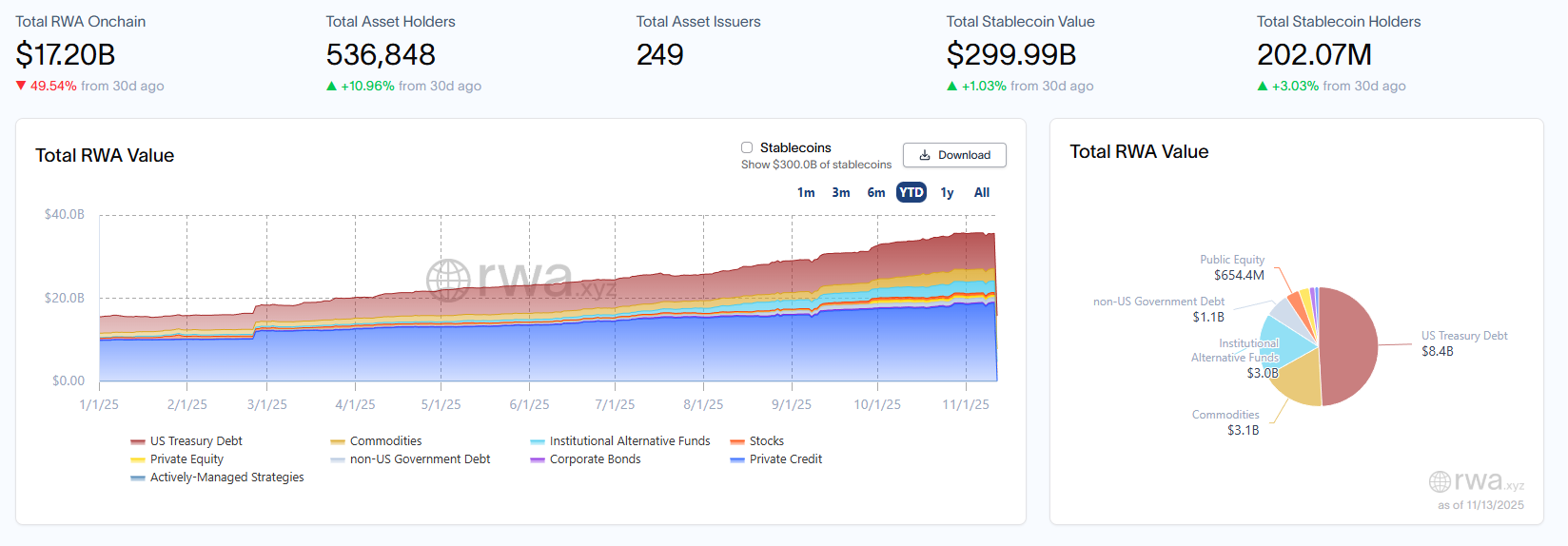
Real-world assets (RWAs) are reshaping how investors think about yield and passive income in crypto. Once a niche concept, tokenized RWAs have now crossed $23 billion in value, surging 260% in H1 2025 alone.
Their rise comes as stablecoin yields fade and investors seek sustainable, diversified income sources that link directly to real-world cash flows. In short, the future of passive income in DeFi now runs through RWAs.
The end of the stablecoin yield era
During the 2020 “DeFi Summer,” stablecoins powered the first wave of yield farming. Protocols like Compound, Aave, and Curve rewarded users heavily for liquidity. But those returns were largely speculative and unsustainable.
By 2022, stablecoin yields had collapsed to 1–3%, while rising interest rates made traditional lending more appealing. The model of circular token rewards — where protocols minted new tokens instead of generating real revenue — eroded investor confidence.
The collapse of Anchor Protocol’s UST in 2022 was the turning point. Its 20% yields were not backed by tangible assets, and when TerraUSD lost its peg, billions were wiped out. Since then, investors have been looking for real, asset-backed yield.
RWAs: Turning real assets into on-chain income
Real-world assets (RWAs) bring tangible, income-producing assets — such as Treasuries, real estate, and private credit — onto the blockchain through tokenization. Each token represents a fractional share of an asset, creating opportunities for passive income that are transparent and regulated.
The process starts with creating a special purpose vehicle (SPV) to legally hold the underlying asset. Smart contracts then distribute ownership and income to investors. This structure provides legal clarity and mitigates custody risks.
RWAs also support fractional ownership, letting small investors access markets that were once limited to institutions. On-chain records provide transparency, while blockchain automation reduces administrative costs.
 DON’T GET REKT
Curated drops, testnets and red flag alerts straight to your inbox ✌️
 You’re in. Thanks for joining our newsletter.

The rise of tokenized treasuries and private credit
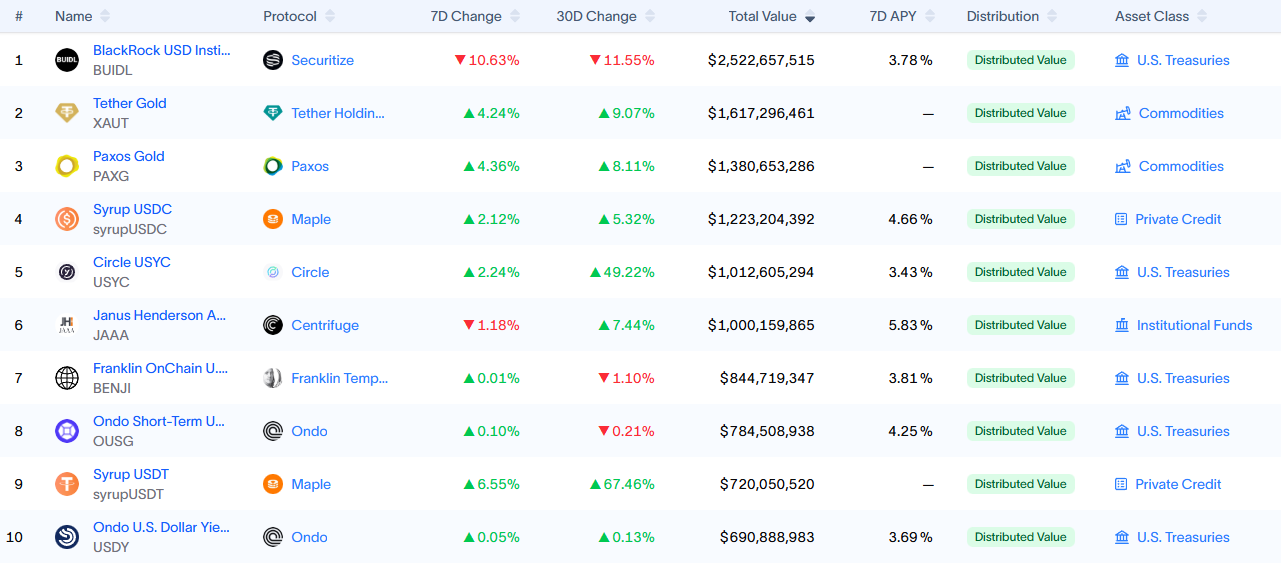
Among the most popular RWA categories, tokenized US Treasuries lead the pack. Their market capitalization crossed $5 billion in June 2025, offering 5–6% annual yields with minimal risk. Platforms like Ondo Finance, Maple, Backed, and Superstate now let investors buy blockchain-based representations of Treasury assets.
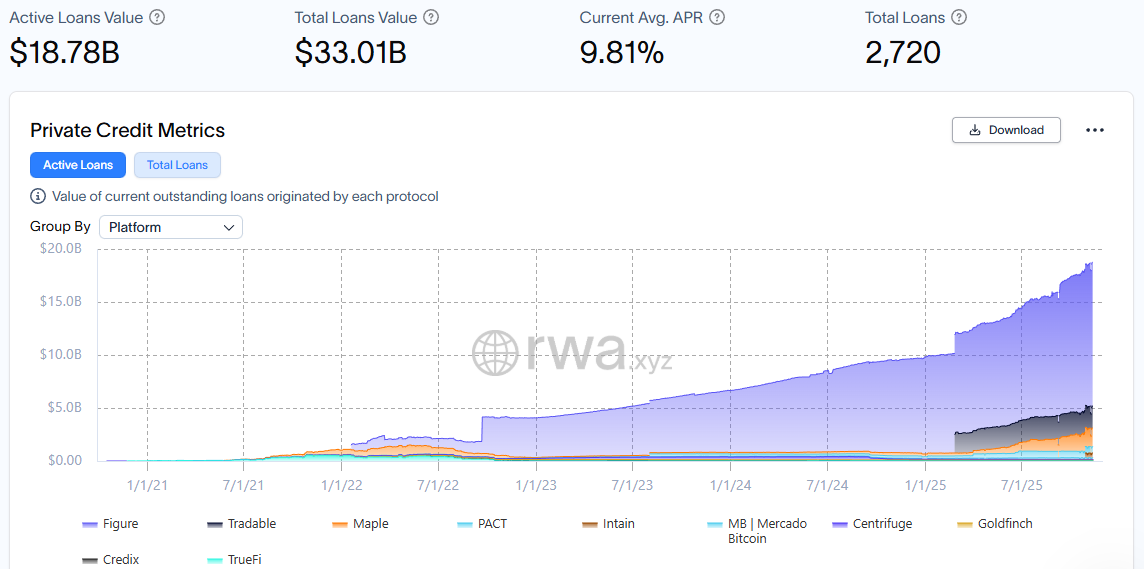
Private credit is another fast-growing category, accounting for over $16 billion of the tokenized RWA market by late 2025. Platforms such as Centrifuge, Goldfinch, and Credix open up institutional-grade lending opportunities to everyday investors — providing double-digit yields backed by real business loans.
Meanwhile, real-estate tokenization is turning illiquid assets into tradable tokens. Analysts estimate tokenized property funds could expand by $1 trillion by 2035, allowing investors to earn rental income or capital gains through blockchain-recorded shares.
Big finance backs the RWA trend
Institutional adoption validates this shift toward real yield. BlackRock’s $BUIDL Fund, launched in 2024, lets investors earn on-chain U.S. dollar yields from tokenized Treasuries. Franklin Templeton’s $BENJI, built on Stellar, applies similar principles to government money markets.
These products mark a fundamental shift — from speculative rewards to real, risk-adjusted returns that align with traditional finance standards. For passive-income seekers, they blend crypto’s accessibility with conventional yield predictability.
Why RWAs are replacing stablecoins as a passive income tool
Stablecoins are designed for stability, not profit. Their role has been to bridge fiat and crypto, not to generate yield. In contrast, RWAs are yield-bearing by design, offering exposure to the underlying cash flow of real assets.
Tokenized Treasuries, for instance, provide predictable 5–6% yields, far above what stablecoin lending protocols offer today. More importantly, these yields come from real economic activity, not speculative incentives.
Protocols like Aave, MakerDAO, and Morpho are already integrating RWAs as collateral for borrowing and lending. MakerDAO’s RWA vaults now account for about 60% of its total revenue, generating over $23 million annually from tokenized debt and credit assets.
Real yield vs synthetic yield
Traditional DeFi protocols relied on “synthetic yield” — token emissions that inflated returns without generating real profit. The new wave of real yield derives from productive off-chain assets, creating passive income backed by genuine value.
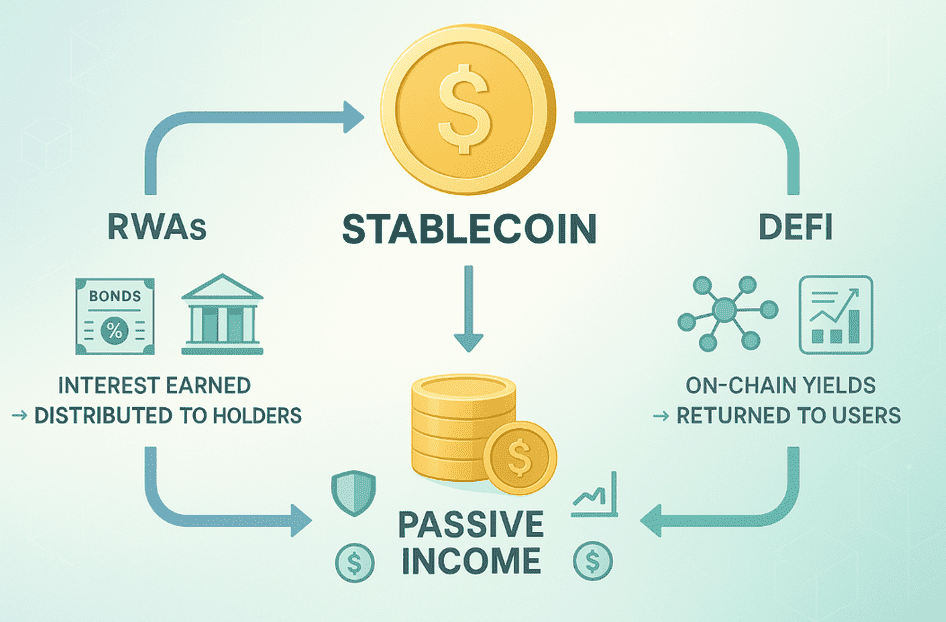
RWAs distribute this income transparently through smart contracts, automating revenue sharing among investors. Every transaction is on-chain, ensuring traceability and reducing reliance on intermediaries.
This model aligns DeFi with traditional investment principles: steady returns, lower risk, and asset-backed transparency. It appeals not just to crypto natives but also to long-term investors seeking portfolio diversification and consistent yield.
Composability: Building new passive income products
RWAs also unlock composability — the ability to combine assets into new investment products. By integrating RWA-backed stablecoins or yield-bearing tokens, platforms can create structured portfolios with multiple revenue streams.
For instance, investors can pool tokenized Treasuries and real-estate tokens to balance stability with growth. This flexibility enables passive-income strategies tailored to individual risk appetites, similar to diversified ETFs but entirely on-chain.
Composability also supports liquidity stacking, where one asset’s yield feeds another’s. These layered DeFi products can magnify returns while maintaining real-world backing — a sustainable evolution of yield farming.
Key protocols driving RWA income opportunities
- MakerDAO: Accepts RWAs as collateral for DAI loans, accounting for 60% of protocol revenue.
- Centrifuge: Offers decentralized marketplaces for structured credit through its Tinlake pools, backed by tokenized debt.
- Ondo Finance: Tokenizes Treasury and bond funds into tradeable “fund tokens.”
- Backed Finance: Converts equities and ETFs into blockchain-based instruments for transparent on-chain trading.
- Superstate: Issues tokens tied to U.S. Treasury bills and recently tokenized SharpLink Gaming’s SEC-registered stock.
Together, these platforms are defining the infrastructure of on-chain passive income — blending traditional yield assets with blockchain’s efficiency.
Challenges: Regulation, centralization, and liquidity
Despite the momentum, RWA investing faces hurdles. Regulatory uncertainty remains the biggest. In the U.S., determining whether a tokenized asset qualifies as a security depends on the Howey Test, complicating compliance.
Centralization risk is another issue — since underlying assets are often held by custodians, investors depend on those entities’ trustworthiness. Meanwhile, liquidity fragmentation between on-chain and off-chain markets limits accessibility and scalability.
Technical risks persist too. Smart contracts and price oracles can fail if not properly audited. However, the sector is addressing this through third-party audits, legal SPVs, and transparency dashboards to strengthen investor confidence.
The future of on-chain income
RWAs are now at the heart of DeFi’s next growth cycle. Analysts project the sector to exceed $1 trillion by 2030, as tokenized Treasuries, credit, and real estate become mainstream.
Institutional players are also exploring RWA ETFs, potentially merging DeFi yields with the familiarity of traditional funds. As infrastructure evolves, investors could soon build tokenized portfolios offering diversified, auto-compounding returns.
Layer-2 networks and cross-chain bridges are set to make RWA trading faster and cheaper. That will increase liquidity, reduce costs, and bring more retail investors into the fold.
The shift marks a structural change — away from unsustainable, synthetic rewards toward real-world, yield-bearing investments.
Real yield is the future of passive income
For passive-income investors, RWAs represent crypto’s most credible bridge to real-world value. By generating yield from tangible assets like Treasuries, loans, and property, they offer steady, low-risk returns that outshine stablecoin farming.
Even banks acknowledge the trend. JP Morgan recently called trillion-dollar stablecoin projections “too optimistic,” forecasting a $500 billion ceiling by 2028. Meanwhile, RWAs are scaling faster and delivering stronger fundamentals.
As DeFi matures, tokenized assets will form the backbone of sustainable, predictable yield. Investors won’t chase emissions anymore — they’ll earn from real economic activity, transparently and on-chain.



 Thank you for your feedback! We’re glad you found this article helpful.
 An error occurred while sending the form, please try again.
 We are sorry. You've already sent a message within the last 60 seconds. Please wait before sending another.
 Thank you for letting us know! Our team will review your feedback to help improve our content.
We're sorry you did not find what you were looking for. Please select the reason this article was not helpful.