


 5 min read
Five Ways to Earn Passive Income With RWA Tokenized Assets



 AI Overview
Tokenization has made real-world assets—real estate, treasuries, private credit, commodities, and funds—fractional, tradable, and yield-bearing on‑chain, unlocking passive income previously restricted to institutions while combining traditional returns with blockchain efficiency.
- Accessible yields: Tokenized treasuries and real estate deliver liquid, stable income (≈4–12% APY) and are the most practical entry points for retail investors.
- Higher returns, higher risk: Private credit and tokenized funds can offer double‑digit yields but carry borrower/default, liquidity, and accreditation constraints.
- Operational & regulatory risks: Custody, KYC, smart‑contract security, and asset‑backing standards vary by platform; diversify and verify custodians, redemption terms, and legal status.
Tokenization of real-world assets (RWAs) has become one of the most practical applications of blockchain in 2025. Investors can now hold fractionalized real estate, bonds, treasuries, and even institutional credit on-chain.
These assets open up passive income opportunities that previously required large capital, specialized access, or intermediaries.
This guide explains five proven ways that individuals can utilize to earn passive income from RWAs today. It covers how each method works, the yields available, and the risks to consider.

1. Real estate tokenization
One of the earliest use cases for RWAs was in the real estate sector. Platforms such as RealT let investors buy fractions of US rental properties as tokens.
Each property has its own token, and holders receive their share of rental income weekly in stablecoins.
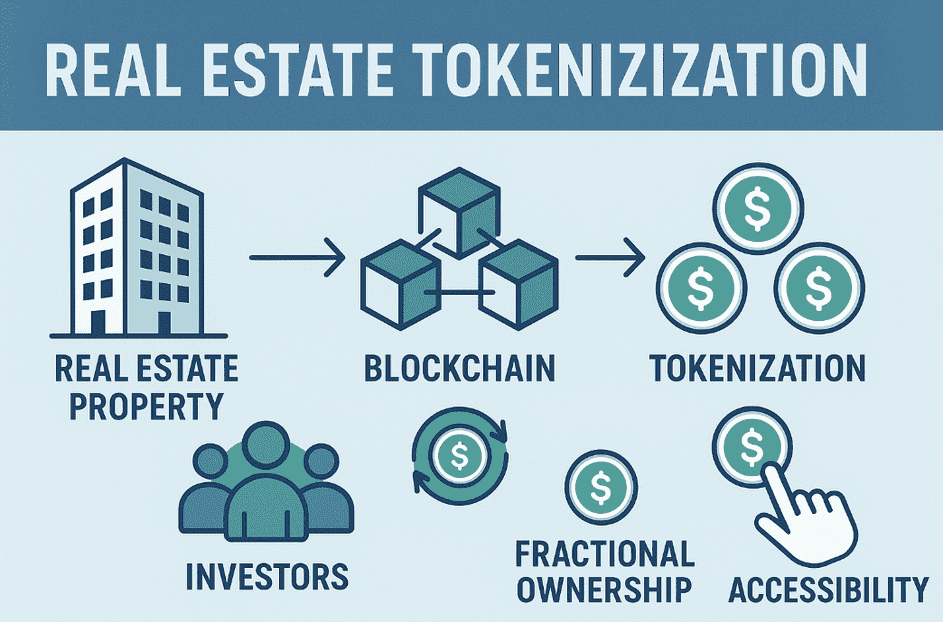
Yields average around 7–12% annually, though some properties have returned closer to 20%. Investors can also benefit from property appreciation if the value of the underlying home rises.
The tokens trade on secondary markets, so liquidity is available without waiting for a tenant’s lease to end.
The risks include property-market downturns, vacancies, and management fees. Regulatory barriers also matter: many platforms restrict US investors for compliance reasons.
2. Tokenized treasuries and money-market funds
The fastest-growing sector in RWA tokenization is on-chain treasuries and money-market funds. These products let investors earn yields similar to traditional finance but with blockchain’s accessibility and settlement efficiency.
Examples include:
- Franklin Templeton’s OnChain US Government Money Fund, yielding ~5.2% APY.
- Ondo Finance’s OUSG and USDY tokens, returning ~5.3% and 5.1%.
- MatrixDock’s STBT short-term Treasury token, yielding ~4.9%.
- Hashnote’s USYC fund, around 4.7%.
- OpenEden’s TBILL vault, at ~5.3%.
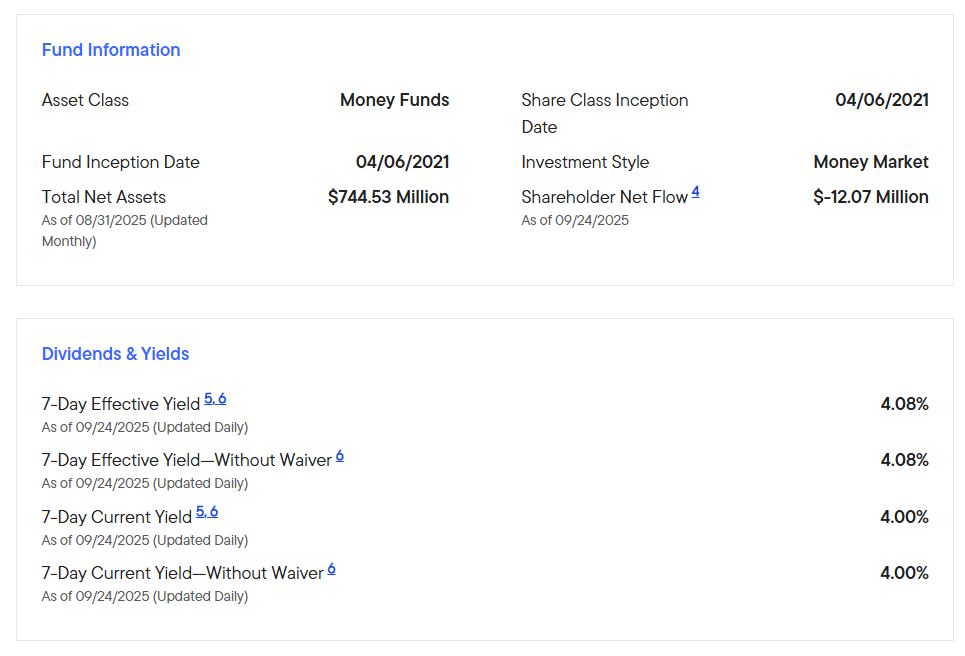
These tokens distribute interest directly on-chain, often daily. They remain liquid, with redemption windows similar to stablecoins. Returns are stable but tied to interest rates.
Most require KYC, and some are limited to accredited investors.
 DON’T GET REKT
Curated drops, testnets and red flag alerts straight to your inbox ✌️
 You’re in. Thanks for joining our newsletter.

3. Private credit lending
Protocols like Maple Finance bring institutional credit markets on-chain. Investors supply stablecoins into lending pools, which are then deployed as loans to vetted institutions.
In return, they earn interest from borrowers.
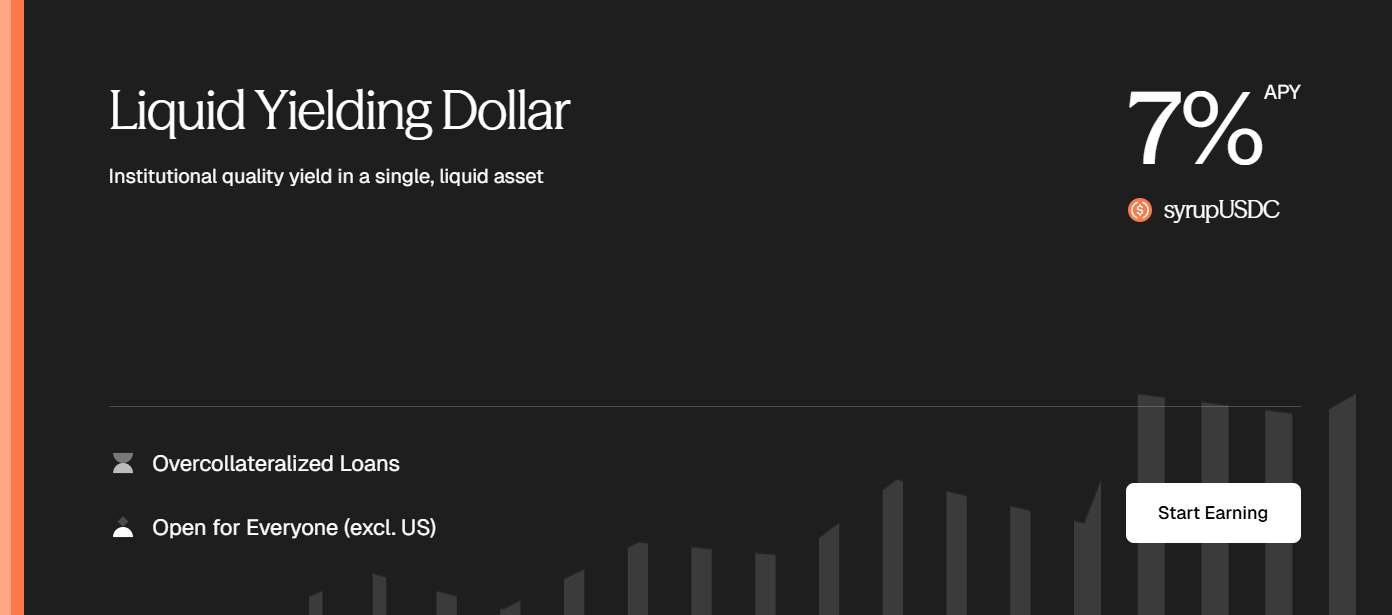
Maple’s SyrupUSDC pool delivered yields of over 20% APY in 2024, combining base interest with reward incentives. Withdrawals are usually on-demand, but liquidity depends on pool utilization.
The main risks are borrower defaults and credit events. Unlike treasuries, these are not risk-free. Investors must also consider regulatory access: many private-credit pools exclude US retail users.
4. Commodities and collectibles
Gold, silver, and even fine art are also entering tokenization. PAX Gold (PAXG) and Tether Gold (XAUt) are popular examples, pegged to physical gold stored in vaults. These tokens track market prices directly.
While they do not pay interest, some investors lend them on DeFi platforms to earn small yields, typically 1–3% annually.
Collectibles such as art or wine are also fractionalized on-chain, but income is uncertain and relies mostly on price appreciation.
This strategy suits investors seeking diversification or inflation hedges, but it offers less consistent passive income than treasuries or real estate.
5. Tokenized funds and structured products
Beyond single assets, entire funds are now being tokenized. For instance, ParaFi Capital tokenized part of its venture fund on Avalanche in 2024.
Similarly, BlackRock’s BUIDL token gives exposure to institutional-grade liquidity products.
These fund tokens deliver returns tied to dividends or capital gains. They are often illiquid and restricted to accredited investors only. Lock-up periods can span years, reflecting the underlying fund strategy.
While riskier and less accessible, these products broaden investor exposure to professional strategies that were once out of reach for individuals.
Risks and considerations
Passive income from RWAs is real but not risk-free. Key points to weigh include:
- Regulation: Many RWA tokens are treated as securities and require KYC or accreditation.
- Custody: Always check whether tokens are backed 1:1 by real assets and held with reputable custodians.
- Market risk: Real estate prices, credit events, or rate cuts can reduce returns.
- Liquidity: While some tokens trade freely, others have redemption limits or long lock-ups.
- Smart-contract security: Even tokenized RWAs rely on code. Exploits remain a risk.
Diversification across multiple RWA types helps balance these risks.
Comparison of key RWA passive income opportunities
| Platform / token | Asset class | Chain | Passive mechanism | ~APY / yield | Lock-up / Liquidity | Notes / Risks |
| RealT (RealTokens) | US rental real estate | Ethereum/Gnosis | Rental payouts in stablecoins | ~7–20% | Liquid (tradable tokens) | Property risk, fees, US investors excluded |
| Franklin OnChain US Gov’t (FOBXX) | Money-market fund (UST) | Ethereum | Fund dividends (rebasing) | ~5.2% | Liquid | Requires KYC/accreditation |
| Ondo OUSG / USDY | US Treasuries | Ethereum | Fund dividends (rebasing) | ~5.3% / 5.1% | Liquid | Accredited-only in many regions |
| MatrixDock STBT | Short-term T-bills | Ethereum | Daily interest | ~4.9% | Liquid | Large minimums, peg risk |
| Hashnote USYC | Short-duration bond fund | Ethereum | Daily rebasing | ~4.7% | Liquid | Custodian BNY Mellon, fees apply |
| OpenEden TBILL Vault | Treasury bills | Ethereum | Daily interest | ~5.3% | Liquid | Management and mint fees |
| Ethena USDtb / sUSDe | Money-market / synthetic | Ethereum | USDtb: fund yield; sUSDe: staking yield | ~4–6% / ~9–10% | USDtb liquid, sUSDe 7-day | Smart-contract risk, evolving regulation |
| Maple Finance SyrupUSDC | Institutional loans | Ethereum, others | Lending interest | ~21% | Liquid (on-demand) | Credit risk, excludes US retail |
| PAX Gold (PAXG) | Physical gold | Multi-chain | Price tracking, optional lending | 0–3% | Highly liquid | Gold volatility, custodian risk |
| Tokenized fund shares (ParaFi, etc.) | Venture or hedge funds | Avalanche, others | Dividends or capital gains | Varies | Illiquid (fund terms) | High risk, long lock-ups |
Final thoughts
RWA tokenization is reshaping how individuals earn passive income. From rental yields on tokenized homes to daily interest on Treasury-backed stablecoins, these opportunities combine traditional finance with blockchain efficiency.
For retail investors, tokenized treasuries and real estate are the most accessible starting points. Private credit and structured funds offer higher yields but also carry higher risks. Commodities provide diversification, though with lower income potential.
As regulation matures and liquidity deepens, tokenized assets are likely to become a standard component of diversified passive-income strategies in the coming years.



 Thank you for your feedback! We’re glad you found this article helpful.
 An error occurred while sending the form, please try again.
 We are sorry. You've already sent a message within the last 60 seconds. Please wait before sending another.
 Thank you for letting us know! Our team will review your feedback to help improve our content.
We're sorry you did not find what you were looking for. Please select the reason this article was not helpful.