


 5 min read
5 XRP Passive Income Strategies to Explore in 2026




 AI Overview
Practical 2026 guide for XRP holders to earn passive income without selling: covers custodial interest accounts, XRPL AMMs, Flare and multi‑chain wrapped‑XRP DeFi, tokenized real‑world assets and airdrops, with clear custody and protocol risk guidance.
- Diversify yield sources: Use CeFi interest, XRPL AMMs, Flare and wrapped‑XRP across chains to balance returns and risks; yields range widely (≈1–50% depending on strategy).
- Mind custody & bridge risk: Custodial platforms and wrapped tokens add counterparty/bridge exposure; native XRPL AMMs avoid custody but carry impermanent‑loss risk.
- Practical steps: Start small, verify providers, monitor incentives and airdrops, and rebalance between on‑ledger and cross‑chain positions to protect capital.
Ripple (XRP) has long been known for its speed and utility in cross-border remittance payments. But in 2026, holders are discovering more ways to put their XRP to work without selling or actively trading.
While XRP doesn’t offer native staking like proof-of-stake tokens, several legitimate platforms and technologies now allow holders to earn passive income from their idle Ripple holdings.
This guide walks through five practical, verified strategies XRP holders can explore in 2026 to earn passive income.
These strategies range from conservative interest-bearing CeFi accounts, airdrops to advanced on-chain liquidity and RAW assets. Long-term XRP holders can benefit from extra passive yield without selling their tokens.
Why Crypto Passive Income Is Different with XRP
Most passive income strategies in crypto, such as staking or yield farming, are built around proof-of-stake blockchains. XRP doesn’t follow that model. The XRP Ledger (XRPL) uses a unique consensus mechanism that doesn’t reward validators with block rewards, and therefore doesn’t have built-in staking. This makes earning passive income on XRP slightly more complex.
However, with the rise of DeFi, cross-chain bridges, and new ledger-native features, XRP holders now have practical and verified ways to earn yield.
)
 DON’T GET REKT
Curated drops, testnets and red flag alerts straight to your inbox ✌️
 You’re in. Thanks for joining our newsletter.

1. Centralized Platforms: Interest Accounts and Lending
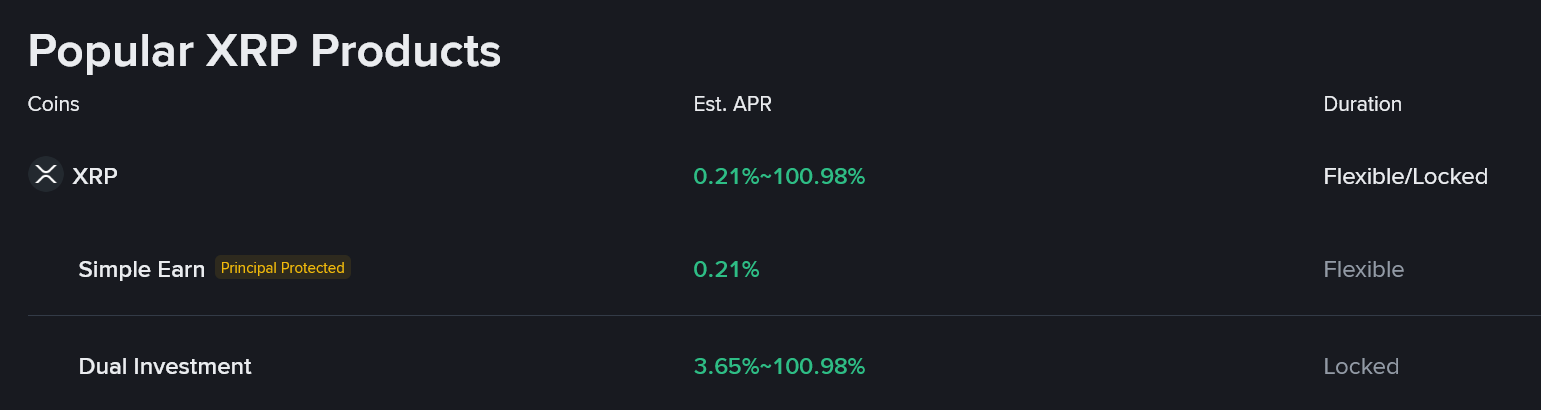
Centralized platforms like exchanges or lending services allow users to earn yield by depositing XRP into interest-bearing accounts. The platform typically lends the deposited XRP to margin traders or institutional borrowers, sharing a portion of the interest revenue with depositors.
Well-known exchanges and crypto lending platforms offer interest-bearing accounts for XRP. These are custodial services. You deposit XRP, and they use it (typically for margin lending) and pay you a yield in return.
Key platforms:
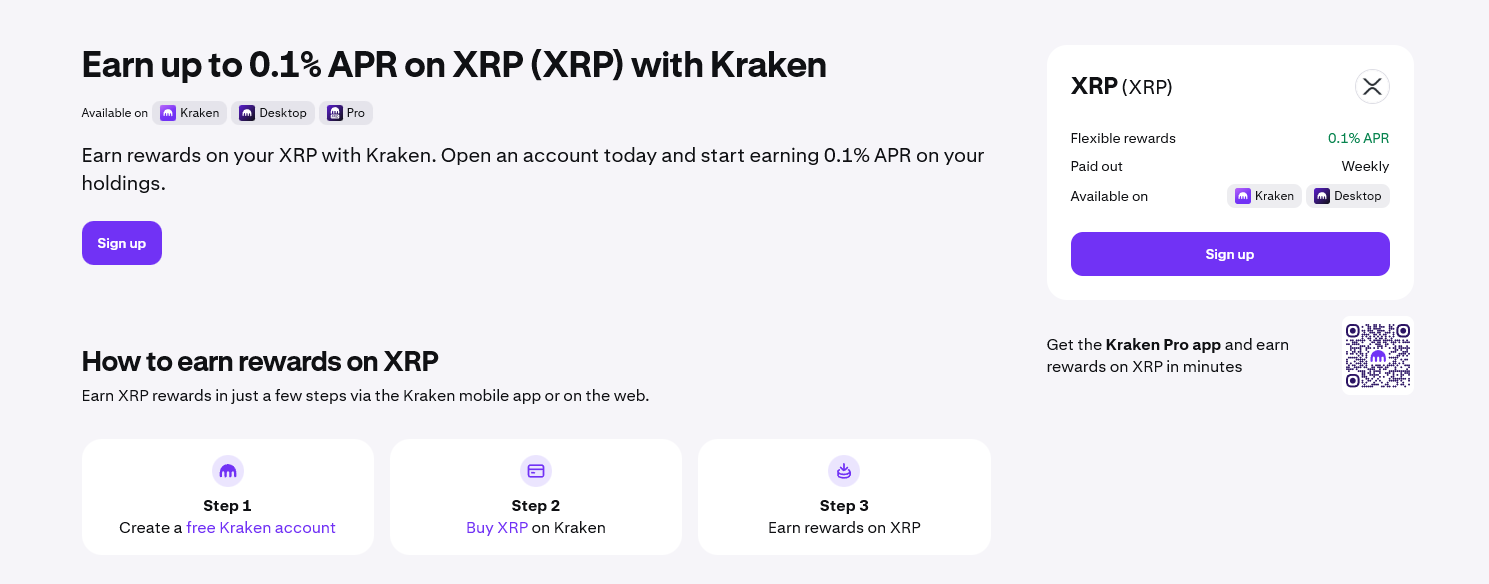
- Kraken: ~1.2% APY on XRP lending
- Nexo: Up to ~8% APR, depending on loyalty tier
- Crypto.com: ~4% APR with optional lock-ups
- Binance Earn: 0.5%–2% APY depending on duration
These platforms are popular due to their ease of use. However, yields vary based on market conditions, loyalty requirements, or platform tokens. XRP yield returns are linked to margin trading and institutional liquidity demand, so it can be extremely volatile during different market cycles.
The primary risk is custodial. Your XRP is held by the platform, so due diligence on the provider is essential.
2. XRP Ledger AMM: Provide Liquidity On-Chain
XRP Ledger’s native Automated Market Maker (AMM) lets users provide liquidity directly on the network. By depositing XRP into liquidity pools, users earn a share of trading fees and protocol-level rewards every time someone trades against the pool.
The XRP Ledger introduced its native Automated Market Maker (AMM) feature in 2024. This allows users to become liquidity providers (LPs) on-chain, earning fees when other users trade through their liquidity pools.
How it works:
- Deposit XRP (and optionally another asset like a stablecoin) into an AMM pool.
- Earn a share of trading fees and auction rewards.
- Manage positions via XRPL-compatible wallets like Xumm.
Returns depend on trading volume and pool composition. In active pools like XRP/RLUSD (Ripple’s stablecoin), returns can reach low double-digit APYs. Since this is native to XRPL, there’s no third-party custodian involved.
Risks: Impermanent loss if one asset in the pool changes in value, and there’s always a risk of low liquidity. There’s no smart contract risk since it’s built into the XRPL protocol.
3. Flare Network: Wrapped XRP, Staking and DeFi
Flare allows XRP holders to wrap their tokens as FXRP and participate in DeFi activities like liquidity mining, lending, and insurance staking. These strategies are non-custodial and use smart contracts to generate yield in FXRP, FLR, or XRP.
The Flare Network enables a wide range of passive income opportunities for XRP through a wrapped token called FXRP.
Options on Flare:
- FXRP liquidity provision: Earn trading fees and FLR rewards.
- Lending platforms: Lend FXRP on platforms like Kinetic for interest.
- Firelight staking: Stake FXRP to receive stXRP and earn insurance fees.
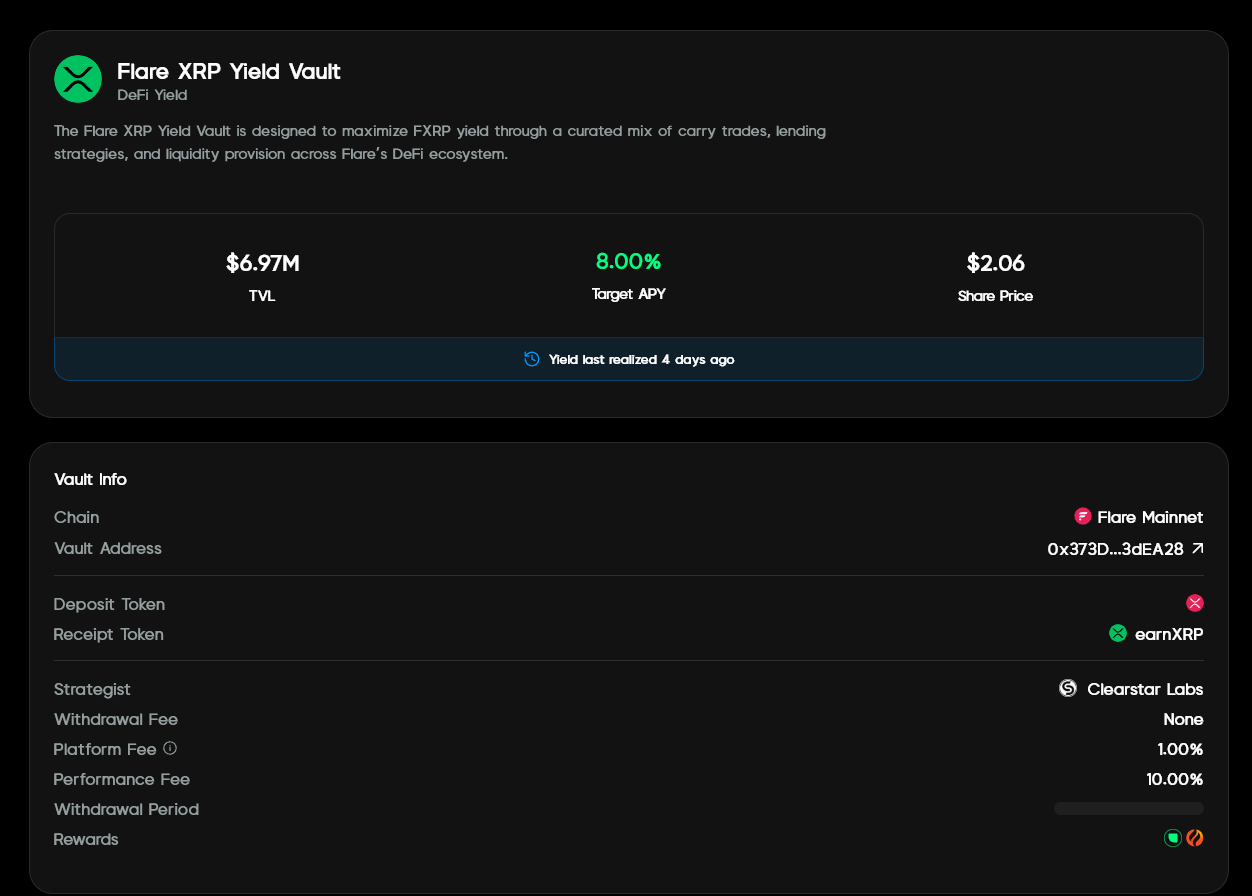
- earnXRP vaults: Deposit FXRP and earn yield paid back in XRP.
Yields vary. FXRP liquidity pools have seen 5–50% APR (with incentives). Firelight staking offers real yield based on DeFi insurance usage. These are non-custodial but do carry smart contract and protocol risk.
4. Multi-Chain DeFi: Use Wrapped XRP Across Ecosystems
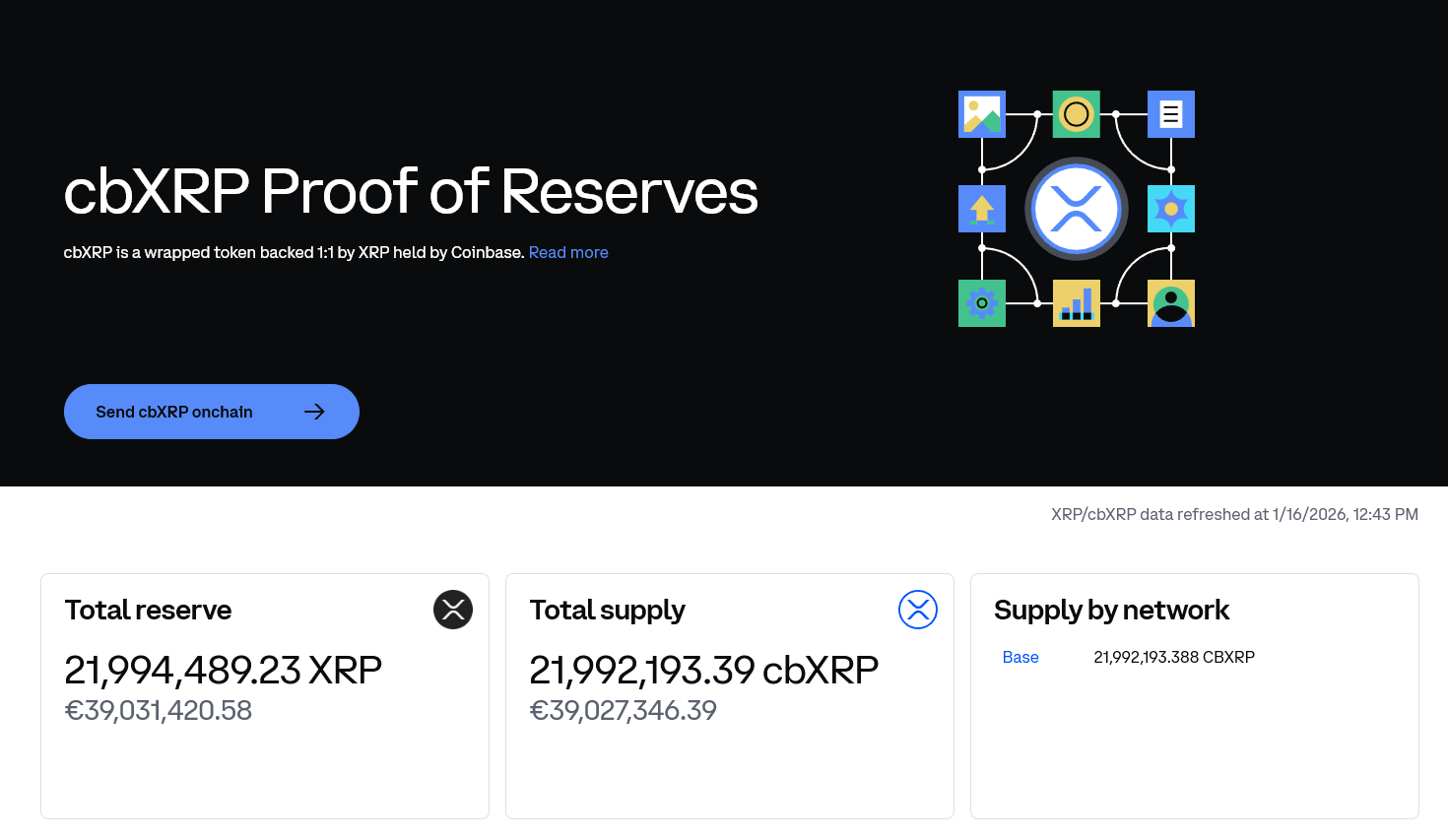
Wrapped XRP (wXRP or cbXRP) allows XRP to be used on other blockchains like Ethereum or Solana. Users can participate in lending protocols, liquidity pools, or yield farms, earning returns in native tokens or stablecoins.
Through regulated providers like Hex Trust or Coinbase, XRP can be wrapped and used on other blockchains like Ethereum, Solana, or Base.
Wrapped XRP Options:
- wXRP (Hex Trust): Available on Ethereum, Solana, and more
- cbXRP (Coinbase): Used on Base network
You can:
- Provide liquidity on DEXs (for example: Uniswap, Raydium)
- Supply wrapped XRP to lending protocols
Yields depend on platform and activity. Liquidity pools or lending on newer chains like Base may offer 5–10% APY or more. However, wrapped tokens introduce custodial and bridge risks.
5. Real-World Assets and Airdrops
XRP holders can gain exposure to real-world income by converting XRP into tokenized real estate assets or by receiving airdropped tokens from ecosystem projects. These opportunities can generate rental income or offer added token value over time.
XRP holders can earn passive income by participating in tokenized real estate projects or holding XRP during airdrop events.
Real-world tokenization:
- Platforms like Zoniqx or RealT offer real estate tokens on XRPL.
- XRP holders can convert some XRP into property-backed tokens.
- These can generate 5–10% yields through rental income.
Airdrops:
- Flare (FLR): Final airdrop installments run through January 2026.
- Other XRPL-based airdrops (e.g., Sologenic, Coreum) occasionally reward XRP holders.
Airrops don’t always yield consistent income, but can add value for active participants or long-term holders.
Comparing the XRP Passive Income Strategies
| Method | Platform | Type | Estimated Yield | Custodial | Risk Level |
| CeFi Lending | Kraken, Nexo, Binance | Lending / Interest | 1%–8% APY | Yes | Moderate |
| XRPL AMM | XRPL DEX via Xumm | Trading Fees (On-Chain AMM) | 2%–10%+ APY | No | Low–Moderate |
| Flare FXRP DeFi | Flare, Kinetic, Firelight | Lending, Staking, Vaults | 5%–20% APY+ | No | Moderate |
| Wrapped XRP on EVM/Solana | wXRP, cbXRP | Lending / Liquidity | 5%–15% APY | Yes | High |
| Tokenized Real Estate | Zoniqx, RealT on XRPL | Rental Income | 5%–10% Yield | Mixed | Moderate |
| Airdrops | Flare, Ecosystem Projects | Token Drops | Varies | No | Low |
Final Thoughts
XRP holders now have a growing menu of ways to earn passive income in 2026. From exchange lending and on-ledger liquidity to DeFi staking and real-world assets, there’s flexibility to match different risk profiles. The key is to balance yield opportunities with custody and platform risks. Start small, verify platforms, and keep security a priority.
XRP is rapidly evolving from a simple payment network to a comprehensive financial ecosystem, and holders can now benefit from passive yields rather than relying solely on price appreciation.



 Thank you for your feedback! We’re glad you found this article helpful.
 An error occurred while sending the form, please try again.
 We are sorry. You've already sent a message within the last 60 seconds. Please wait before sending another.
 Thank you for letting us know! Our team will review your feedback to help improve our content.
We're sorry you did not find what you were looking for. Please select the reason this article was not helpful.