


The best crypto wallet options can do far more than just store your coins. They can be your gateway to everything, from trading to earning passive income.
With the right wallet, you maintain full control over your assets and can quickly respond to market changes. Features like built-in exchanges and staking can add a whole new dimension to the idea of a play to store your crypto.
At CryptoManiaks, we combine over two decades of expertise in digital security, finance, and blockchain to evaluate crypto wallets. Our team has used a rigorous, multi-layered review process involving cybersecurity, UX, and blockchain experts. We assess key pillars like private key control, non-custodial design, encryption, DeFi compatibility, and hardware integration, while tracking reputation and any incident history.
With hundreds of detailed evaluations, we identify wallets that truly excel in safety, usability, and innovation, offering reliable recommendations for both newcomers and seasoned traders.
Keep reading this guide to find out about most reliable and feature-rich options in 2026, to help you pick the top crypto wallet for your needs.
Best Bitcoin Wallets in 2026 Listed
-
 PromotionsTrusted, Secure & Crypto FriendlyCoins




-
 PromotionsReceive Up to $10 in BTC when you buy and activate a Tangem Wallet.Coins


-
 PromotionsTrusted, Secure & Crypto Friendly
 -
 PromotionsTrusted, Secure & Crypto Friendly
 -
 PromotionsTrusted, Secure and Crypto Friendly
Best Bitcoin Wallets in 2026 Reviewed


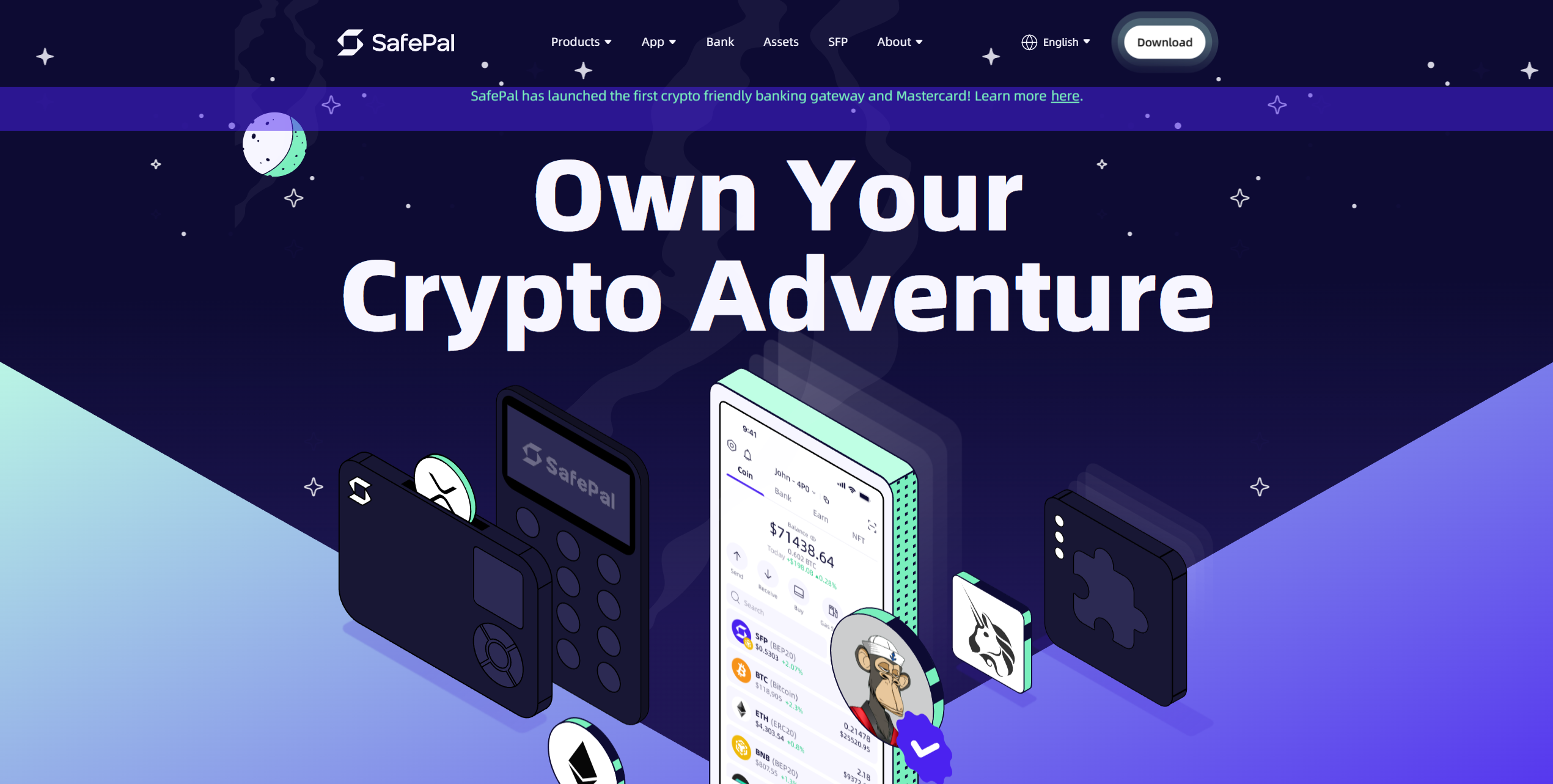
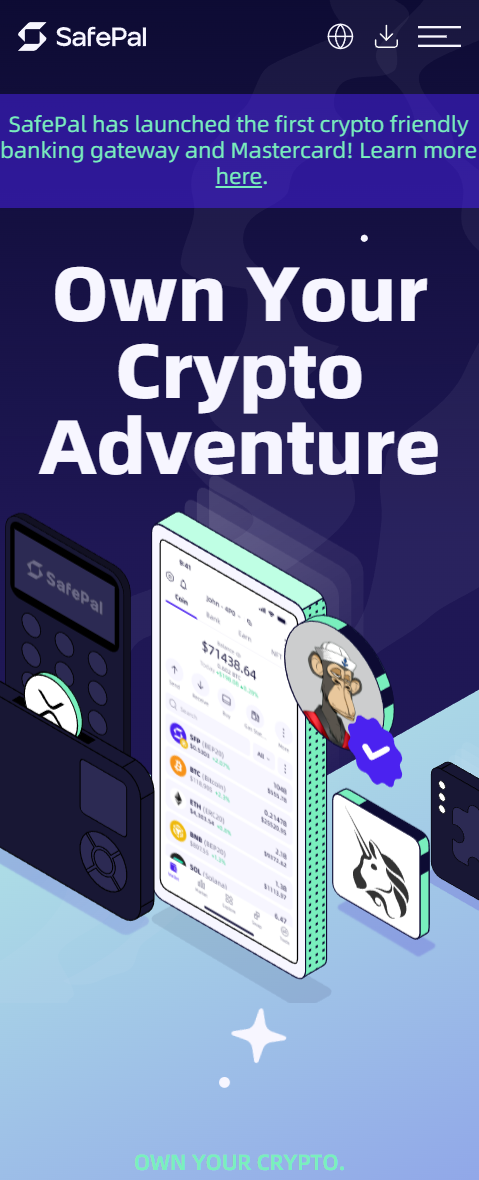
SafePal Wallet offers a powerful, multi-platform solution for self-custody, catering to both crypto newcomers and seasoned investors. With support for mobile, browser extension, and hardware wallets, SafePal enables seamless interaction across DeFi, NFTs, and multi-chain ecosystems.
Choose the SafePal S1 for fully cold storage, or opt for the open-source Bluetooth X1 for secure wireless access. The SafePal Chrome extension turns your browser into a non-custodial, multi-chain dashboard—ideal for managing assets, signing transactions, and accessing dApps.
This hybrid wallet infrastructure—hardware + mobile + extension—offers flexibility without compromising on security. Whether you’re yield farming on the go or storing long-term bags offline, SafePal puts complete control of your keys and crypto in your hands.
Year Founded
- 2018
Cryptocurrencies
- Bitcoin
- Ethereum
- Tether
-
+218
Available countries
- Afghanistan
- Albania
- Algeria
-
+246
Year Founded
- 2017
Headquarters
- Switzerland
Licenses
- N/A - Not disclosed
Cryptocurrencies
- Bitcoin
- Ethereum
- Tether
-
+70
Available countries
- Albania
- Algeria
- American Samoa
-
+228
Languages
- English
- German
- French
-
+6
Features
- Tangem Pay
- Tangem Academy
-
+11
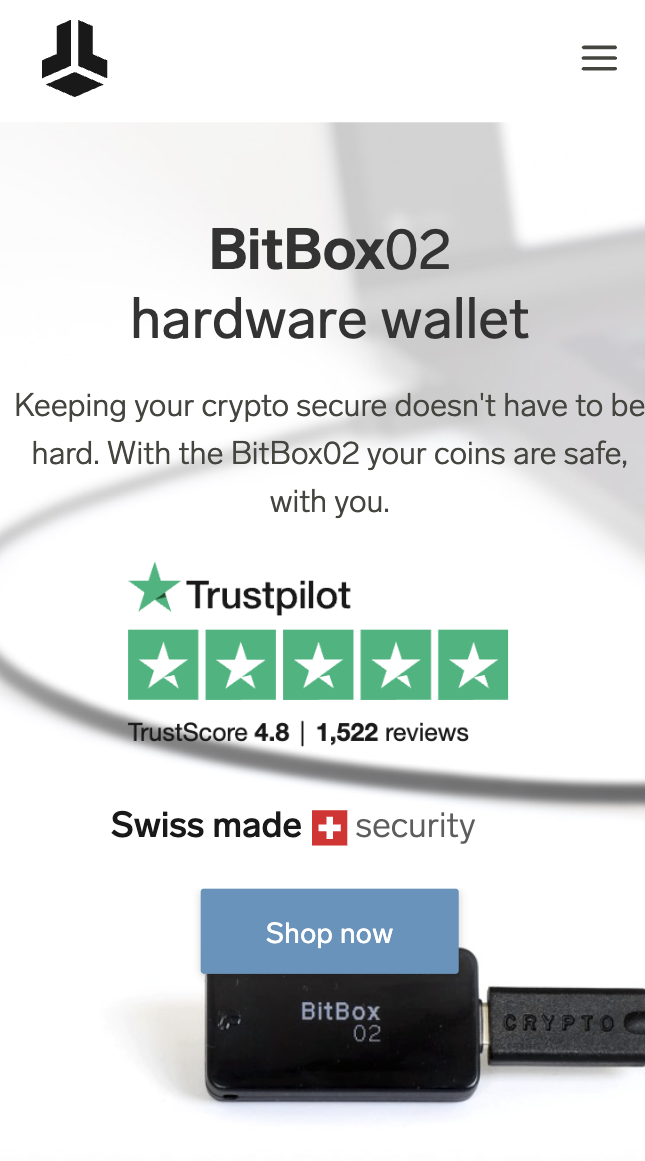
BitBox is a cold wallet developed by Shift Crypto AG (Zurich, Switzerland).
There are two versions available: the BTC-only edition, plus the multi-asset version that supports major tokens such as ETH, LTC, ADA (and other ERC-20 tokens).
BitBox is fully offline through USB-connection, and has a secure chip (ATECC608A), and microSD backup.
The cold wallet uses open-source (full transparency) software, allowing users to self-audit.
Available on desktop only (Windows, macOS, Linux). The interface is user-friendly and intuitive, thanks to portfolio overviews, device management, and transaction support. This makes BitBox attractive for both newcomers and seasoned crypto traders.
Available countries
- Afghanistan
- Albania
- Algeria
-
+246
Blockstream is a blockchain company founded in 2014, offering both hot and cold wallets.
Blockstream Green is a multi-platform BTC wallet that supports both Bitcoin and Liquid Network assets (L-BTC included).
This allows users to integrate the Blockstream Green with companion cold wallets, including Blockstream Jade, helping to streamline and facilitate transactions.
Blockstream Green is available on both iOS/Android and desktop, and offers fee control with SegWit support, as well as Kughning Network integration. In terms of security, it offers Tor Support, 2FA, and multisig support, plus it doesn’t require users’ personal information or KYC on setup.
Available countries
- Afghanistan
- Albania
- Algeria
-
+246
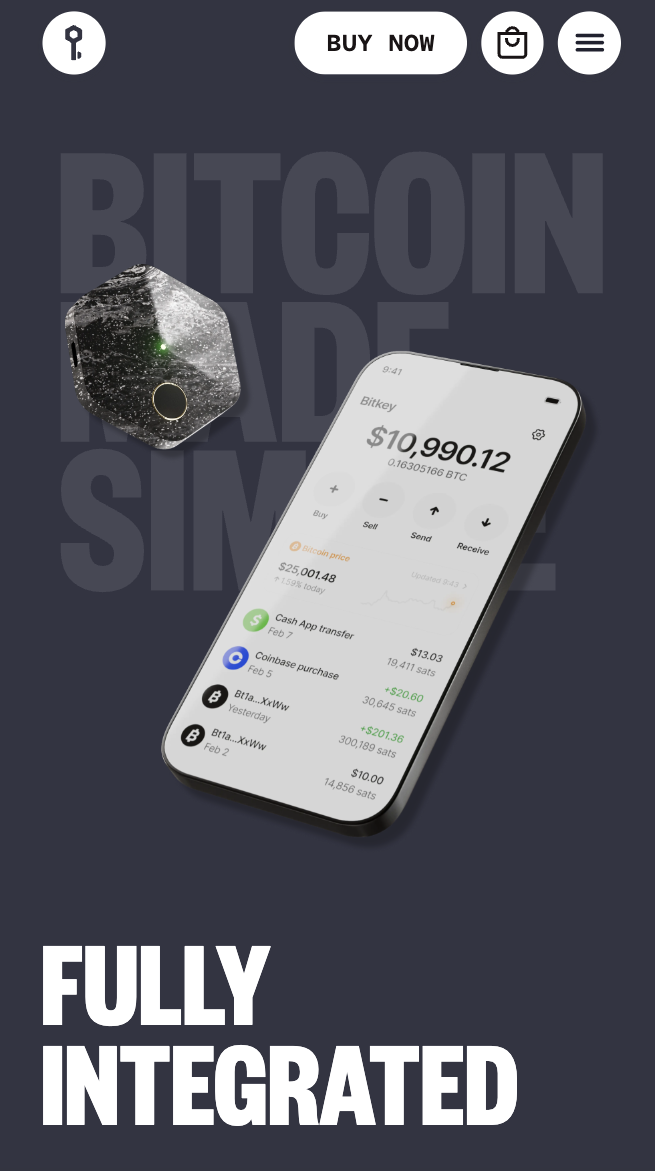
Bitkey is a self-custodial cold+hot combo BTC wallet developed by Block, Inc. (formerly known as Square).
Bitkey’s mobile app (hot wallet) is used for daily access, viewing balances, and initiating transactions, while the hardware wallet (cold) is used to securely approve all transactions.
Since it’s self-custodial, Bitkey doesn’t hold user funds but instead gives its users full control over their Bitcoin via a 2-of-3 multisig setup, with the server key being managed by Bitkey.
As for security features, the hardware Bitkey wallet is air-gapped and has tamper-resistant hardware, plus the mobile app supports biometrics and remote lockout.
Available countries
- Afghanistan
- Albania
- Algeria
-
+246

Disclaimer
The information provided on this website is for informational purposes only and should not be considered as financial, investment, or legal advice. Cryptocurrency investments are volatile and high-risk in nature. Consult with a qualified financial advisor and/or tax professional before making any investment decisions. We are not responsible for any loss incurred due to the use of information on this website. Do your own research and exercise caution. Don’t invest unless you’re prepared to lose all the money you invest.
How to Know if a Crypto Wallet is Good
When choosing a crypto wallet, several critical factors determine whether it’s right for your needs. Listed below are the features that separate good wallets from mediocre ones:
- Security
- Supported cryptocurrencies
- UX and UI
- Transaction speed and fees
- Privacy features
- Customer support
- Staking and DeFi integration
- Backup and recovery options
- Wallet ecosystem and integrations
1. Security
- Private Key Control: Not your keys, not your coins” principle: You should have complete ownership of your private keys, which ensures no third party can access your funds without your authorization.
- Two-factor authentication (2FA): The best wallets support app-based authentication (e.g., Google Authenticator) rather than SMS-based 2FA alone.
- Multi-signature functionality: Transactions require multiple approvals, adding another layer of security.
- Backup and recovery options: Good wallets provide straightforward recovery through a seed phrase.
- Encryption: Ensure the wallet uses advanced encryption standards to protect your data, both at rest and in transit.
-
Transaction simulation & security previews: (now standard in wallets like Rabby, Trust Wallet, MetaMask Snaps, Safe)
-
Wallet firewalls / dApp permission controls.
-
Revocation tools for token approvals.
2. Supported Cryptocurrencies
- Wide Coin Support: Ensure the wallet supports the coins you currently hold as well as the ones you plan to buy in the future.
- NFT Support: Modern wallets offer direct NFT storage and display, allowing you to view and manage your digital collectibles within the wallet interface.
3. User Experience and User Interface
- Ease of Use: A good wallet balances powerful features with simplicity, avoiding cluttered or overwhelming screens.
- Multi-device Syncing: A good wallet should include auto-syncing feature across devices (desktop, app, and hardware wallet).
- Customizability: Hide unused tokens: Keep your wallet organized by concealing assets you do not use. Good wallets should also allow users to tailor the interface to highlight what matters most.
4. Transaction Speed and Fees
- Transaction Speed: Network optimizations ensure smooth performance, even during high volatility or congestion.
- Customizable Fees: Control transaction costs with options to set custom gas fees or choose from different fee tiers based on urgency.
5. Privacy Features
- Anonymous Transactions: Some wallets provide full anonymity.
- No KYC requirement: This preserves privacy, enables instant setup, and appeals to users seeking anonymous, hassle-free crypto management.
- Coin-mixing technologies: Helps to break the link between sending and receiving addresses by combining transactions with others, enhancing anonymity and making funds harder to trace. Coin-mixing tools are restricted or illegal in some jurisdictions. Several wallets have removed native support due to regulations.
6. Customer Support
- Responsive Support Team: Reliable wallets provide chat, email, and ticket-based support with fast response times.
- Community and Documentation: Connect with team members and experienced users to discover solutions to common issues.Access detailed guides, FAQs, and tutorials for self-help.
7. Staking and DeFi Support
- Built-in Staking: Earn passive income by staking PoS coins, with clear reward displays and an easy delegation process.
- DeFi Compatibility: Participate in lending, borrowing, yield farming, and liquidity provision directly through your wallet in a secure environment.
- Liquid Staking Tokens (LSTs) (ETH, SOL, ATOM ecosystems) and staking support are becoming common in 2026.
- Read-only mode for DeFi monitoring.
- Gas abstraction / sponsored transactions (becoming common).
8. Backup and Recovery Options
- Seed phrase: A 12–24-word phrase generated during setup allows you to fully restore your wallet on any compatible device if it is lost or damaged.
- Cloud Backup: Secure backups can be stored on Google Drive or iCloud with additional authentication for safe and convenient recovery.
9. Wallet Ecosystem and Integrations
- Hardware Wallet Integration: Seamlessly connect with devices like Ledger or Trezor, allowing in-app coin management while keeping keys securely offline.
- dApp and Web3 Support: Access decentralized exchanges, NFT marketplaces, and other blockchain applications directly within the wallet, without switching platforms.
What Types of Crypto Wallets Are There?
Crypto wallets come in several distinct types, each with unique security levels and convenience factors. I’ll examine the main wallet categories available in 2026:
- Cold Storage Wallets
- Hot Wallets
- Hardware Wallets
- Browser Wallets
- Paper Wallets
- Custodial Wallets
- Non-Custodial Wallets
- Multisignature Wallets
1. Cold Storage Wallets
- Cold storage security: These wallets store crypto offline, fully disconnected from the internet to safeguard it against hackers, malware, and phishing attacks.
- Minimal online exposure: Connects only when making transactions, reducing risks and making it ideal for long-term storage of significant holdings.
2. Hot Wallets
- Constant connectivity: Hot wallets stay online, ensuring quick access for frequent trading or payments.
- Device-based storage: Private keys are stored on internet-connected devices (mobile apps or desktop programs), which increases exposure to online threats.
- Best use case: They are ideal for holding smaller amounts of crypto intended for regular use.
3. Hardware Wallets
- Physical device security: Hardware wallets resemble USB drives and store private keys offline.
- Transaction confirmation: They require physical approval by pressing buttons on the device.
- Offline protection: These wallets keep keys isolated from internet-connected devices, safeguarding against remote attacks.
4. Browser Wallets
- Browser integration: These wallets function as extensions in Chrome, Firefox, and other browsers for quick access to holdings.
- Direct dApp connectivity: They enable seamless transactions with websites and Web3 applications without switching apps.
- Convenience vs. security: Such wallets offer easy interaction with Web3 but pose higher security risks compared to dedicated hardware wallets.
5. Paper Wallets
- Physical document format: Paper wallets contain printed public and private keys, often displayed as QR codes. They are secure from online threats like hacking.
- Physical vulnerabilities: However, they are susceptible to fire, water damage, or loss.
- Declining use: They are rarely recommended today, as hardware wallets offer comparable security with greater convenience and usability.
6. Custodial Wallets
- Third-party control: Custodial wallets are managed by exchanges or financial service providers that hold your private keys.
- Account-based access: Users log in with usernames and passwords instead of seed phrases.
- Convenience and ease: These wallets are beginner-friendly and simple to use.
- Trust requirement: Rely on the company for full control and security of your holdings.
7. Non-custodial Wallets
- Full ownership: Non-custodial wallets provide complete control over private keys and funds.
- No third-party access: Assets cannot be accessed, frozen, or managed without users’ authorization.
- Wide variety: Available as mobile apps, desktop software, or hardware devices.
- Core principle: Users retain control of their crypto.
8. Multi-signature Wallets
- Multiple key requirement: Multi-signature wallets require approval from more than one private key to complete transactions.
- Configurable setups: Common formats include “2-of-3” or “3-of-5,” requiring authorization from a set number of key holders.
- Use cases: Ideal for business accounts, family savings, or setups where eliminating single points of failure is crucial.
Best Wallet Security Practices in 2026
As crypto threats evolve, wallet security in 2026 goes beyond simply protecting private keys. Today’s risks increasingly come from smart contract exploits, malicious approvals, deceptive transaction signatures, and user error. To stay safe, users must adopt proactive security habits that reduce exposure before an attack, not after.
- Token approval hygiene (regularly revoke unused approvals).
- Wallet compartmentalization (One wallet for regular use, such as DeFi/trading, and another for long-term storage).
- Test transactions before large transfers.
- Simulation warnings (don’t blindly sign transactions).
How to Maximize the Security of Your Crypto Wallet
Protecting your crypto requires a multi-layered approach to security that addresses both digital and physical vulnerabilities. By implementing several key safeguards, you can significantly reduce the risk of theft or loss while still maintaining access to your holdings. Here are the most effective strategies to keep your wallet secure in 2026:
- Opt for hardware wallets
- Enable two-factor authentication
- Use a backup (seed phrase)
- Use a strong and complicated password
- Enable multi-signature
- Store your private keys well
- Avoid storing any wallet-related info online
- Avoid public Wi-Fi and insecure connections
- Spot phishing scams fast
- Monitor your wallets regularly
- Pay extra attention to smart contracts
- Set withdrawal whitelists
- Encrypt all of your devices
- Diversify your storage
Opt for a Hardware Wallet
- Maximum security: Hardware wallets keep private keys fully offline and isolated from internet-connected devices.
- Safe transactions: Keys never leave the device, protecting funds even if your computer is compromised.
- Trusted purchase: Buy directly from official manufacturers (e.g., Ledger, Trezor, or KeepKey) to avoid tempered third-party devices.
Enable Two-Factor Authentication
- Two-factor authentication (2FA): Adds an essential second layer of security beyond a password.
- Preferred methods: Use authentication apps like Google Authenticator or Authy instead of SMS, as SMS is vulnerable to SIM-swapping. For maximum protection, use a dedicated hardware authentication key (e.g., YubiKey) for critical accounts.
Use a Backup (Seed Phrase)
- Master recovery key: Seed phrases restore your entire wallet (addresses and balances) on any compatible device if it is lost, stolen, or damaged. They are typically 12–24 words generated during wallet setup.
- Safe storage: Write them on paper or use metal backup plates for durability.
- Security warning: Never store seed phrases digitally, in the cloud, or as photos on internet-connected devices.
Use a Strong and Complicated Password
- First line of defense: Passwords protect your crypto wallet from unauthorized access.
- Risks of weak passwords: Simple passwords can be cracked quickly using brute-force attacks.
- Best practices: Use unique passwords for each wallet, with a mix of uppercase and lowercase letters, numbers, and special characters.
- Recommended length: Aim for at least 16 characters.
Enable Multi-Signature
- Eliminates single points of failure: Multi-signature wallets require multiple keys to authorize transactions.
- Configurable setups: They allow you to choose a balance between security and convenience, e.g., a 2-of-3 configuration where any two of three keys can approve transactions.
Store Your Private Keys Well
- Direct access: Private keys control your crypto without additional verification.
- Irrecoverable if lost: There is no customer service that can restore lost keys.
- Irreversible if stolen: Transactions made with stolen keys cannot be undone.
Avoid Storing Any Wallet-Related Info Online
- Online exposure risks: Storing wallet information online increases vulnerability to data breaches, malware, and targeted hacks.
- Digital storage is unsafe: Cloud services, email accounts, and note apps can be compromised despite security measures.
- Safe practices: Never save seed phrases, private keys, or passwords digitally, including in cloud storage, emails, note apps, or documents.
- Avoid photos: Do not take pictures of paper backups with your smartphone.
Avoid Public Wi-Fi and Insecure Connections
- Public network risks: Hackers can intercept data, and even legitimate networks may be compromised or spoofed. Refrain from accessing wallets or exchanges on public networks whenever possible.
- Safety measures: If using public Wi-Fi, ensure websites use HTTPS (look for the lock icon).
- Alternative connection: Consider using mobile data instead of public Wi-Fi for added security.
Spot and Avoid Phishing Scams
- Phishing risks: Scammers use fake websites, emails, or messages to steal sensitive crypto information.
- Be cautious: Treat unexpected messages about account issues with suspicion, even if they seem urgent. Legitimate companies will never ask for your seed phrase or private keys.
Monitor Your Wallets Regularly
- Regular monitoring: Helps detect unauthorized transactions or suspicious activity early.
- Early detection benefits: Enables a quicker response to potential attacks before theft becomes irreversible.
- Transaction alerts: Set up notifications for any movement of funds.
- Scheduled checks: Regularly review account activity across all wallets and exchanges.
Pay Extra Attention to Smart Contracts
- Autonomous execution: Smart contracts run automatically once deployed, executing exactly as coded.
- Vulnerability risks: Flaws or exploits in smart contracts can result in irreversible loss of funds.
- Wallet limitations: Even the most secure crypto wallet cannot protect you from risks that are inherent in smart contracts after authorization.
Set Withdrawal Whitelists
- Restricted withdrawals: Whitelisting allows transfers only to pre-approved addresses, protecting funds even if your account is compromised.
- Enable whitelisting: Activate this feature on all supported exchanges and wallets.
- Verify addresses: Add only thoroughly checked addresses, double-checking every character.
- Cooling-off period: Implement a waiting period for adding new addresses, whenever possible.
Encrypt All of Your Devices
- Comprehensive protection: Full device encryption secures data on computers, phones, and tablets from unauthorized access.
- Use built-in tools: Enable FileVault (Mac), BitLocker (Windows), or device encryption on iOS and Android.
- Strong authentication: Use robust passwords for device login and encryption keys.
- Automatic locking: Set devices to lock after short periods of inactivity.
- Encrypted backups: Consider using encrypted USB drives to store wallet backups.
Diversify Your Storage
- Diversify storage: Spread crypto across multiple wallets and storage methods to reduce risk from a single point of failure.
- Limit potential damage: Protect against security breaches, technical failures, or access issues.
- Distribute holdings: Use hardware wallets for long-term storage and mobile wallets for everyday transactions.
- Mitigate vendor risk: Consider multiple hardware wallet brands to avoid brand-specific vulnerabilities.
- Purpose-specific wallets: Create separate wallets for routine transactions and long-term investments.
 DON’T GET REKT
Curated drops, testnets and red flag alerts straight to your inbox ✌️
 You’re in. Thanks for joining our newsletter.

Conclusion
The best crypto wallet balances security, convenience, and features tailored to your needs. Whether you are choosing a hardware device for robust protection, a mobile app for accessibility, or a browser extension for versatility, prioritize security without sacrificing usability.
In 2026, as you explore new blockchains or DeFi opportunities, your wallet requirements may evolve, and today’s best option may not be suitable tomorrow.
No wallet is truly “set it and forget it” and it is important to stay updated on security practices, keep software current, and regularly review your storage strategy. The ideal wallet offers peace of mind while enabling full participation in the digital asset ecosystem.
Frequently Asked Questions
-
01.
What is the best wallet for crypto?
The best crypto wallet depends on your specific needs. Hardware wallets offer maximum security for large holdings while mobile wallets provide convenience for daily transactions. Consider factors like the cryptocurrencies you hold, how frequently you need access, and your technical comfort level when choosing the best crypto wallet for your situation. Check out our list of the best crypto wallets to help you make your choice.
-
02.
What is the safest crypto wallet?
Hardware wallets provide the highest security level by keeping private keys offline and requiring physical verification for transactions. Ledger and Trezor are industry standards in this category and often considered the best crypto wallet options for security.
-
03.
How can I get a BTC wallet?
Getting a Bitcoin wallet is straightforward. For software options, download a reputable best crypto wallet app from your device’s app store (such as Trust Wallet, Exodus) or install a browser extension (for example, Electrum). For hardware wallets, purchase directly from manufacturers like Ledger or Trezor.
-
04.
Can I create a Bitcoin wallet for free?
Creating a Bitcoin wallet is free. Software options that qualify as the best crypto wallet for many users such as Trust Wallet, Electrum, and Coinbase Wallet cost nothing to download and set up. Hardware wallets require purchasing physical devices ($59-$100+), but this is a one-time cost.
-
05.
Can I buy Bitcoin without a wallet?
You can buy Bitcoin without your own wallet by using custodial services like cryptocurrency exchanges. Platforms such as Coinbase, Binance, and Kraken allow you to purchase and hold Bitcoin in their managed wallets. This approach is convenient for beginners but gives you less control over your assets.


