


Non-custodial wallets give users full control over their private keys. This removes reliance on crypto exchanges that can lead to access freezes, breaches, or restrictions. Therefore, selecting the best non-custodial wallet should focus on security, transparency, recovery options, and long-term reliability rather than hype or popularity.
At CryptoManiaks, we’ve already done the analysis, so you can choose the non-custodial wallet that best suits you. Continue reading to find out what our top picks are for 2026!
Key Takeaways
- A non-custodial wallet promotes independence from third parties by enabling users to own their own private keys.
- Having reliable backup and restore options protects users from loss and human error.
- Advanced transaction features, such as multisig and offline signing, enhance security.
Best Non-Custodial Wallets Listed & Ranked
-
 PromotionsCoins


-
 Coins
Coins

-
 Promotions
 -
 Promotions
 -
 Coins
Coins
-
 Coins
Coins


-
 Coins
Coins

-
 Coins
Coins
Best Non-Custodial Wallets Reviewed


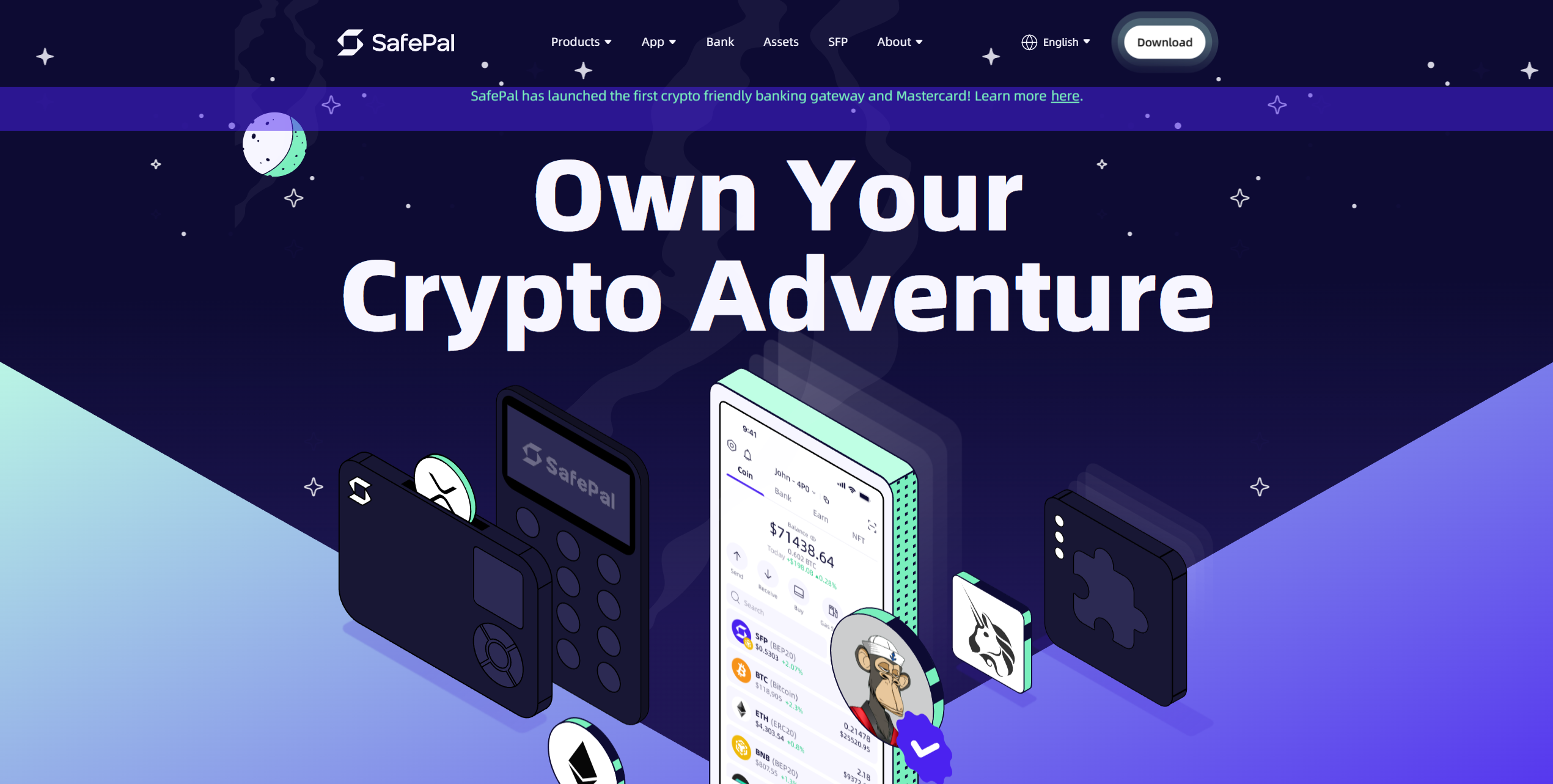
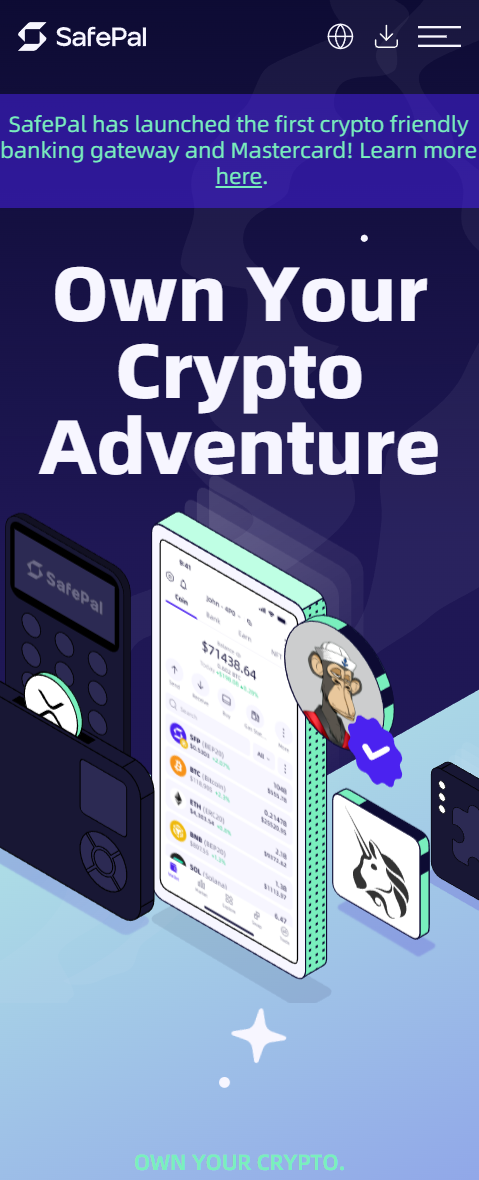
Safepal offers a complete suit of assets operations, with hardware and software wallets that are all multichain and multi-sig in nature. They do not just allow you to store and secure your assets, you can also swap, trade, buy and sell, and above all stake some of your assets to make profits. Safepal is fully anonymous and completely self-custodial, though its source is not 100% open. It supports assets across hundreds of chains and allows integration with lots of DEFIs and DAAPs. Above all, you are allowed to backup your almighty seeds both manually and on the cloud.
Year Founded
- 2018
Cryptocurrencies
- Bitcoin
- Ethereum
- Tether
-
+89
Available countries
- Afghanistan
- Albania
- Algeria
-
+246
Year Founded
- 2017
Headquarters
- Switzerland
Licenses
- N/A - Not disclosed
Cryptocurrencies
- Bitcoin
- Ethereum
- Tether
-
+70
Available countries
- Albania
- Algeria
- American Samoa
-
+228
Languages
- English
- German
- French
-
+6
Features
- Tangem Pay
- Tangem Academy
-
+11
Available countries
- Afghanistan
- Albania
- Algeria
-
+246
Available countries
- Afghanistan
- Albania
- Algeria
-
+246
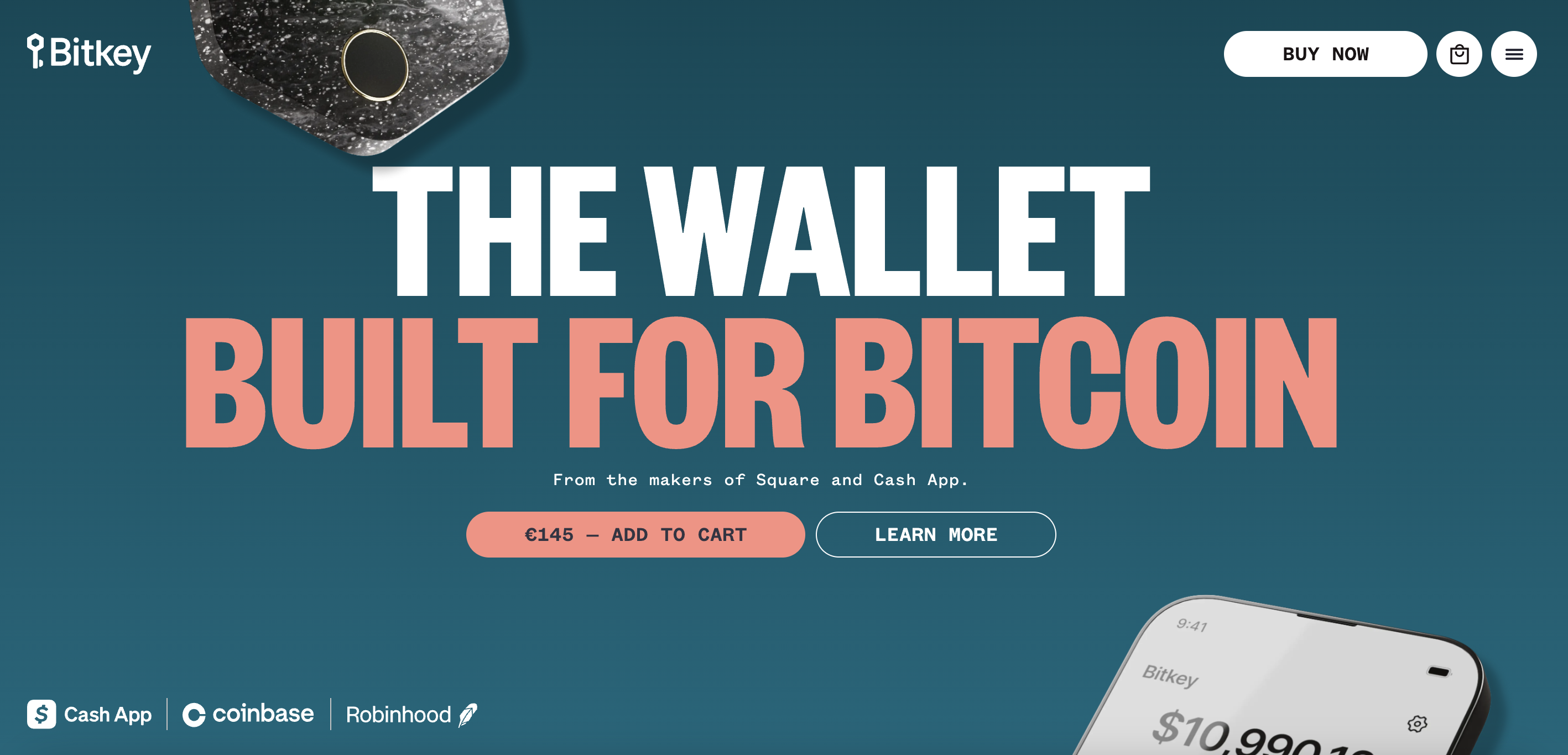
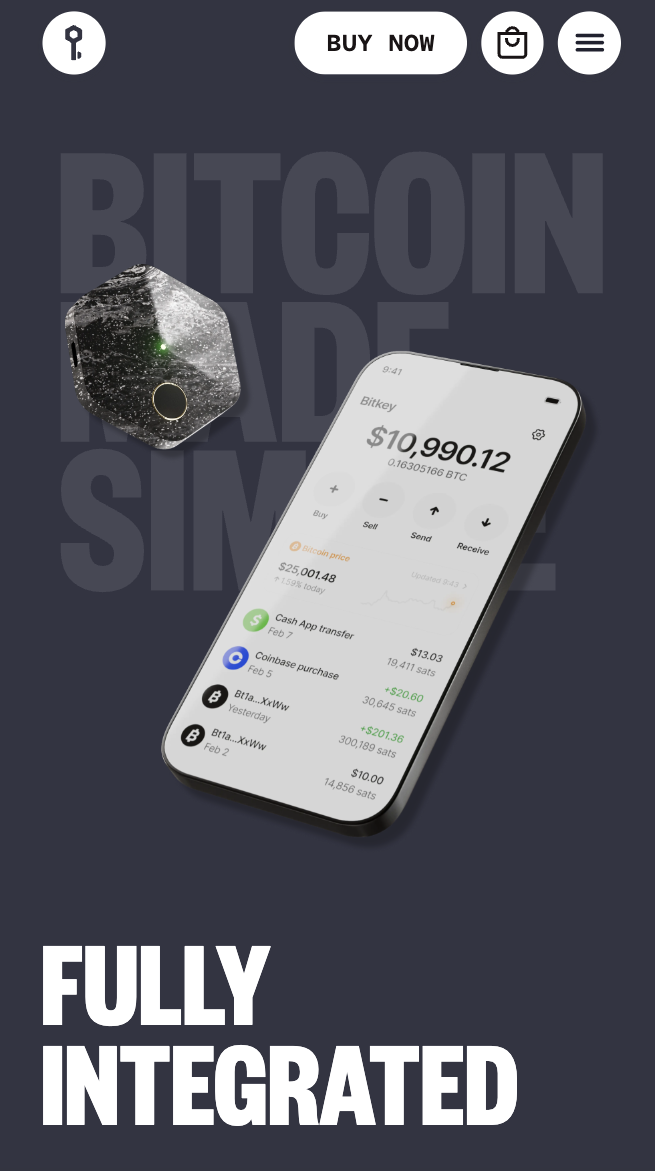
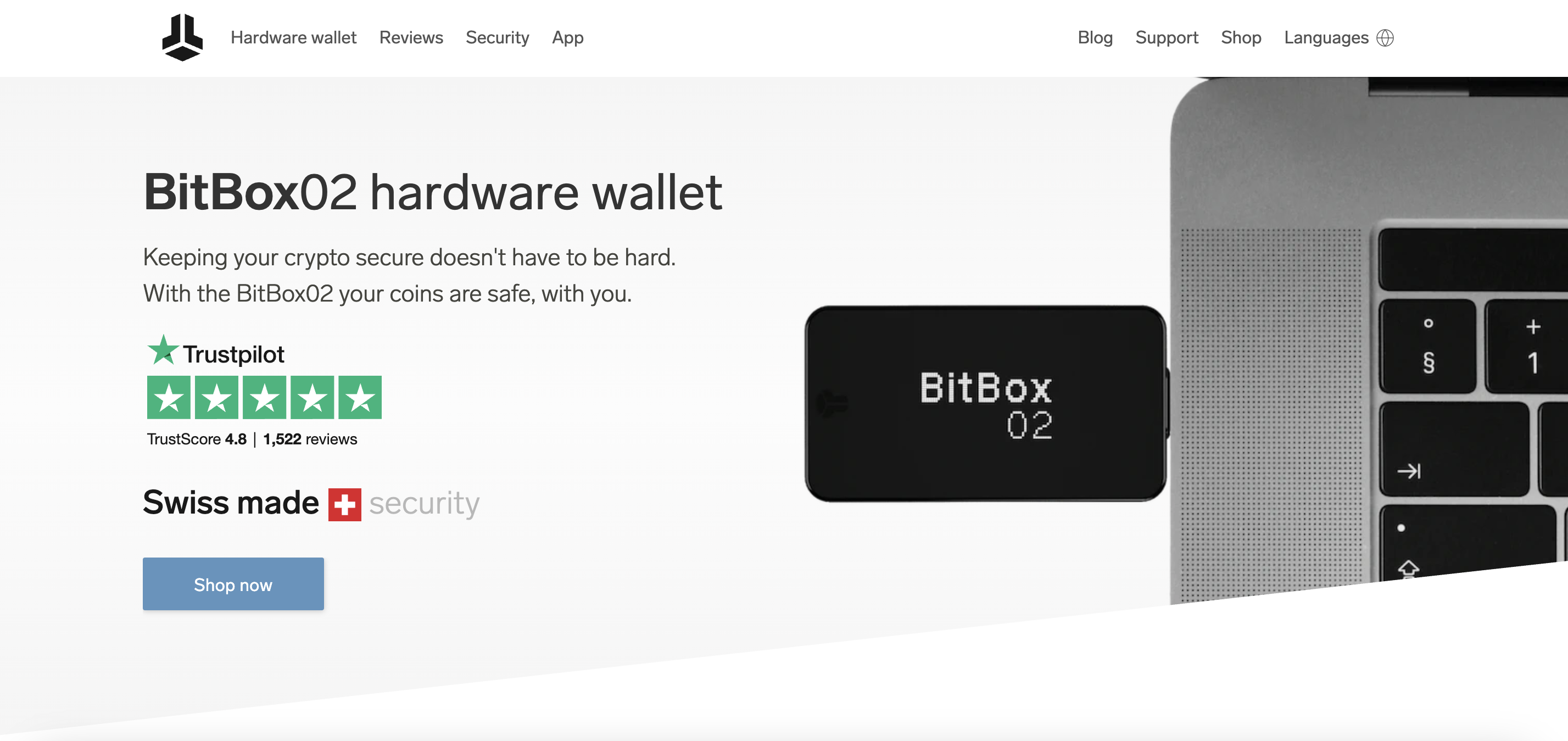
Bitkey is a Bitcoin only non custodial wallet where users can store and exchange their Bitcoins. Bitkey offers a mobile wallet and hardware counterpart to users. On these wallets, you will enjoy a multi signature secure system that allows you full access and custody of your coin, with full anonymity. Here, you will have no issues with 2FA and aboslutely nothing to do with KYC verifications. While the code for the site is open source, you can only trade BTC here through the Bitcoin Network, and cannot enjoy any form of DeFi integration and staking support. You can also enjoy a basic level of portfolio tracking on the app, but there is no profit and loss statement and tax report.
Year Founded
- 2022
Licenses
- MIT License
- Commons Clause
Cryptocurrencies
- Bitcoin
Available countries
- Afghanistan
- Albania
- Algeria
-
+246
Languages
- N/A - Not disclosed
Year Founded
- 2023
Headquarters
- United States
Licenses
- United States (IRS)
Cryptocurrencies
- Bitcoin
- Ethereum
- Tether
-
+10
Available countries
- United States
Languages
- English
Features
- Swap
- Affiliate Program
-
+6
Get $10 in Bitcoin when you register through a referral link from an existing member.


Established in 2011, Kraken is a trusted cryptocurrency exchange renowned for its longevity and diverse trading interfaces, catering to a broad user base.
- Supports hundreds of coins
- High liquidity
- Simple and user-friendly interface
- Good customer support options
- Lots of advanced trading features like margin, futures, and indices trading
- No insurance fund for assets on the platform
- Doesn’t offer a crypto credit card
- No personal wallet service for traders
- Supports only a few fiat currencies
Year Founded
- 2011
Headquarters
- United States
Licenses
- United States (IRS)
- Canada (CRA)
- United Kingdom (HMRC)
-
+7
Cryptocurrencies
- Bitcoin
- Ethereum
- Tether
-
+83
Available countries
- Afghanistan
- Albania
- Algeria
-
+240
Languages
- Chinese (Mandarin)
- English
- French
-
+10
Features
- Cryptowatch
- Forks
-
+29
Year Founded
- 2019
Headquarters
- Israel
Licenses
- N/A - Not disclosed
Cryptocurrencies
- Bitcoin
- Ethereum
- Tether
-
+68
Available countries
- Afghanistan
- Albania
- Algeria
-
+245
Languages
- English
- German
- Portuguese (Brazil)
Features
- Swap
- Multi-Party Computation (MPC)
-
+15

Disclaimer
The information provided on this website is for informational purposes only and should not be considered as financial, investment, or legal advice. Cryptocurrency investments are volatile and high-risk in nature. Consult with a qualified financial advisor and/or tax professional before making any investment decisions. We are not responsible for any loss incurred due to the use of information on this website. Do your own research and exercise caution. Don’t invest unless you’re prepared to lose all the money you invest.
How We Determine the Best Wallets
To determine the best non-custodial wallet, we use a framework that focuses on long-term security, reliability, and usability. Our team reviews each wallet brand from both a technical and user perspective to ensure it performs well every day, especially in high-stakes scenarios. We evaluate wallets using the following criteria:
- Security Architecture
- Open-Source Transparency
- Usability & User Experience
- Backup, Recovery & Migration
- Supported Coins & Chains
- Transaction Functionality
- Firmware & Longevity
- Reputation
- Price Value
Let’s explore these factors in detail below!
Security Architecture
The security posture of a non-custodial wallet can be assessed based on its architecture’s ability to protect private keys against both physical and cyber attacks.
- Secure Element (SE) Presence and Certification: We prefer wallets utilizing SE, especially those with a CC rating of at least EAL5+, which offer protection against actual implementation attacks such as extraction, probing, and fault injection.
- Private Key Isolation: True Cold vs Pseudo-Cold: Private keys must not leave that device. For that reason, we prefer not to use pseudo-cold wallets but to use actual cold wallets that generate keys offline.
- Air-Gapping Implementation: Air-gapping is an adversarial technique aimed at reducing surfaces of attacks.
- Passphrases and Duress Protection: Passphrases , or the “25th word,” secure the wallet against physical theft. Duress or decoy PINs allow users access to a separate wallet where their original assets are kept out of reach of forcible entry.
- Firmware Signing and Reproducibility: We prefer wallets that sign firmware updates and verify the signature before installation. Good wallets also emphasize reproducible builds, allowing individuals to verify the device’s firmware against the available source code.
- Supply-Chain Protection: This refers to how manufacturers protect wallets during production, packaging, and shipping by implementing measures such as tamper-evident seals, secure packaging, and device authentication.
- Attack Surface and Physical Resistance: We also evaluate how well wallets resist advanced attack techniques, including physical access attacks, side-channel analysis, and glitching attempts.
Open-source Transparency
Our team evaluates the best non-custodial wallets open-source transparency to avoid devices with hidden risks and undisclosed backdoors. This also guarantees that users will not depend on unverifiable claims.
- Open-source Firmware, Hardware, and Companion Apps: Open-source firmware makes it difficult for unsafe shortcuts to remain detected over time. Meanwhile, open-source hardware ensures no sensitive data is leaked. Additionally, open-source companion apps enable community audits and help avoid transaction manipulation.
- Reproducible Build Verification: We prefer wallets that offer it because it allows the community to verify the firmware hash.
- Independent Security Audits: Good wallets allow independent security audits from reputable security firms and individual users. They also allow these audits to be publicly published for transparency.
Usability & User Experience
While a well-designed wallet can reduce human error-related security issues, it can’t completely prevent users from making security decisions. In assessing a wallet’s usability and user experience, we consider guidance through significant events and the trade-off between simplicity and control.
- Initial Setup Flow: A good wallet provides a clear, step-by-step process for seed generation, device initialization, and pairing with companion apps.
- Screen Quality and Physical Interface: A wallet with a clear display reduces the risk of misreading addresses, amounts, or confirmation prompts. Hence, we evaluate the screen size, resolution, brightness, and viewing angles. We also prefer those with touchscreens over buttons because they improve navigation and speed.
- Companion App User Experience: Since most non-custodial wallet has companion apps, we assess if these applications perform the following key areas, including transaction signing, firmware updates, and settings navigation.
- Accessibility for Beginners: To assess a wallet’s accessibility for new users, we check how difficult it is to make irreversible mistakes, such as sending funds to the wrong address , exposing a seed phrase, and misconfiguring security settings. A good wallet does not require deep technical knowledge that increases the risk of user-induced loss.
- Error Handling and Recovery Guidance: To determine a wallet’s error-handling and recovery guidance, we analyze how it responds to common issues, such as incorrect PIN entries, interrupted transactions, failed updates, and device resets.
Backup, Recovery & Migration
The best non-custodial wallets are durable, flexible, and reliable in recovering funds when unexpected events happen, including device loss, damage, or human error. They provide the following backup, recovery, and migration methods:
- Supported Seed Formats: These determine a wallet’s portability and future-proofing. Good wallets support advanced seed formats, such as BIP39, SLIP-39 (Shamir Secret Sharing), and SeedQR.
- Backup Methods: We evaluate if a wallet provides a backup method that protects the device against environmental, physical, and human threats. Common backup methods include paper, metal, and microSD cards.
- Recovery Process: The leading non-custodial wallets have robust recovery systems, which provide a step-by-step guide to help users easily restore funds to another device.
- Cross-Compatibility and Migration: Cross-compatibility guarantees users long-term independence. It also reduces reliance on a manufacturer’s continued existence. We favor brands that enable easy fund migration to other hardware or software wallets using standard recovery methods.
Supported Coins & Chains
To assess whether a wallet supports a wide range of coins and chains, we focus on the following:
- Number and Diversity of Supported Coins: We examine a wallet’s supported coins and chains, including Bitcoin, Ethereum, NFTs, Layer-2 networks, Standard token formats such as ERC-20, and popular altcoins like Solana.
- Frequency of New Coin and Token Support: We also check how often a wallet adds support for new coins, tokens, and network upgrades.
- Integration with Third-Party Wallets: Third-party wallet support increases flexibility. The user can utilize the advanced features available in third-party wallets. Also, the top non-custodial wallets support integration with popular software wallets such as MetaMask, Electrum, and Exodus.
- Native Support for Staking, NFTs, DeFi, and Swaps: Native support simplifies workflows and reduces exposure to untrusted third-party services. Therefore, we assess if wallets support staking, NFTs management, DeFi access, or swap functionality.
Transaction Functionality
Our team assesses a non-custodial wallet’s functionality by testing its support for the blockchain, transaction signing, and transaction handling. A wallet that fails to deliver these points exposes users to unnecessary risks.
- Multisig and PSBT support: The best non-custodial wallet supports multi-sig and PSBT. These factors provide users with higher security, shared control, and offline transaction workflows.
- Bitcoin features: Taproot, SegWit, Miniscript: Non-custodial wallets support Bitcoin, so we assess whether these devices also support BTC features such as Taproot, SegWit, and Miniscript.
- Ethereum features: EIP-1559, NFT signing, WalletConnect 2.0: Since non-custodial wallets support Ethereum, we analyze whether these devices also support ETH features. This includes EIP-1559, NFT signing, and WalletConnect 2.0.
- Offline Signing Accuracy and Transaction Integrity: Hardware wallets, air-gapped devices, and cold storage setups use offline signing. Yet, it is only safe when the transaction integrity is guaranteed. So, we test whether wallets preserve transaction data from creation to broadcast.
Firmware & Longevity
A non-custodial wallet with weak firmware governance is a liability. That said, we evaluate a wallet’s firmware and longevity using the following factors:
- Frequency of Updates and Responsiveness to Vulnerabilities: To check a wallet’s update frequency, we track the manufacturer’s release history and evaluate features such as the number of updates per year, consistency of update cycles, major feature releases versus security patches, protocol upgrade support, and bug fix turnaround time. In terms of a wallet’s vulnerability response capabilities, we assess public vulnerability disclosure policy, security advisory publication, patch deployment speed, responsible disclosure programs, and bug bounty programs.
- Whether Updates Require an Internet Connection: Internet-connected updates expose the wallet to further attacks. Therefore, we evaluate whether a wallet requires an internet connection to update its firmware.
- Offline Update Capability: Offline firmware updates eliminate network-based attacks and allow the wallet to be permanently disconnected from the internet. We prefer wallets that have this capability and support installation via a microSD card or a QR-based firmware transfer.
- Long-Term Manufacturer Support and Version Transparency: A non-custodial wallet is only as secure as its manufacturer. That said, we examine whether the company is committed to long-term firmware support. Our team also checks whether the wallet has firmware transparency, allowing users to audit changes and assess risk.
Reputation
A wallet’s reputation is one of the most important indicators of its long-term trustworthiness. To see whether a wallet is reputable, we assess these factors:
- Developer Background and Company Transparency: We examine a wallet’s developer background by reviewing cryptography experience, security engineering background, open-source contributions, prior blockchain projects, and track record in fintech or security. Aside from this, we also check whether the company is transparent and open with its users.
- History of Security Incidents or Recalls: It is important to know how manufacturers handle security incidents or recalls. So we check how long the vulnerability existed before discovery and whether the company disclosed it. We also examine if the manufacturer hides defects, since issuing a recall can be a sign of integrity.
- Reputation in Crypto Communities: One of the best ways to check a wallet’s reputation is to know what users say about it. Therefore, we evaluate a wallet’s standing across major crypto communities, including Reddit, GitHub, and BitcoinTalk.
- Responsiveness to User Feedback and Bug Reports: The quality of a wallet’s customer support determines if it is usable and secure. So, we examine the wallet’s bug reporting process, response time, and user feedback integration.
Price Value
A cheap, insecure wallet doesn’t provide good value. Likewise, an expensive wallet that offers no advantage is poor value. Therefore, we examine the following factors to evaluate a wallet’s price value:
- Base Price vs. Included Accessories: A wallet’s base price reflects what’s inside the box. Many cheap wallets do not provide essential accessories. Therefore, we evaluate whether the base price includes everything required for a wallet to function properly.
- Optional Bundles and Premium Materials: Some wallets offer optional bundles, so we examine whether these bundle prices provide premium materials for real savings. A fair bundle should cost less than buying items separately, and include items that improve security, avoid unnecessary branding merchandise, and offer long-term value.
- Real Cost vs. Feature Parity with Competitors: To check whether a wallet offers competitive features at its price point, we compare each brand against its direct competitor in the same price range.
- Whether a Budget Wallet Compromises on Crucial Security Layers: Every wallet must be secure regardless of the price, so we examine if they offer security measures such as secure key generation, encrypted storage, PIN protection, and firmware signature verification, recovery seed support, and secure transaction signing.
Why Should You Use Non-Custodial and Not Custodial Wallets?
Custodial wallets place your funds under a third party’s control. On the other hand, non-custodial wallets give you direct ownership of your private keys. Here are the top reasons why you should use non-custodial wallets if you seek the best self-custody crypto wallet:
- You Control Your Private Keys: This means that you hold the recovery seed, you sign every transaction, you control access permission, and you are the only authority over your funds.
- Protection Against Exchange Failures and Bankruptcies: This means that your funds remain accessible regardless of exchange failures, platform shutdowns, regulatory actions, sanctions, and banking restrictions.
- Censorship Resistance and Financial Freedom: No one can censor your transactions, block your transfers, or decide who you are allowed to send funds to.
- Superior Security Architecture: This means your wallet is isolated, you control your security parameters, and private keys never leave the device; transactions are signed locally, there is no central database, and no pooled funds are stored.
- Long-Term Ownership and Inheritance Planning: This means that you control your funds as long as you hold the wallet’s recovery seed. You can also design a custody structure that survives you and transfer the funds to your heirs.
Custodial vs Non-Custodial Wallets
| Category | Cold Wallet | Hot Wallet |
| Private Key Control | User controls private keys entirely | User controls private keys |
| User Responsibility | Very high, considering backup and device security | High; device and app security matter |
| Security Level | Lower; setup takes more steps | Medium to high, depends on device security |
| Ease of Use | Lower; setup and transactions take more steps | High; designed for daily use |
| Recovery Options | Seed phrase only; loss means no recovery | Seed phrase backup; sometimes cloud-assisted |
| Transaction Control | Full manual approval on the device | Full control, often one-tap approval |
| Transaction Speed | Slower due to device confirmation | Faster since the wallet is always online |
| KYC | No KYC required | No KYC required |
| Risk of Freezing | None; no third party involved | None; no third party involved |
| Ideal For | Long-term storage and large balances | Daily transactions, DeFi, NFTs |
How to Set Up a Non-Custodial Wallet
In the section below, you’ll learn the proper way to create and secure your own non-custodial wallets for long-term storage and daily use.
Step 1: Choose the Right Wallet Type
There are various types of non-custodial digital wallets. For long-term storage of digital currency in a non-custodial wallet, one must use a hardware wallet. On the other hand, one must
Step 2: Install and Verify the Wallet Software
Next, download the application from the official app store or the application’s website, then verify its authenticity by checking the signature status, hashes, etc. Then, verify its authenticity by checking the developer’s signature or file hashes. For hardware wallets, confirm that the packaging is sealed and unopened.
Step 3: Create Your Wallet and Generate the Recovery Seed
During setup, the wallet generates a 12-to 24-word recovery seed. Write it on paper or a metal, then store it offline.
Step 4: Set Your Security Protections
Configure the security settings by creating a strong PIN or password and enabling biometric protection, if available. With hardware wallets, enable passcode protection and auto-lock timers.
Step 5: Test Your Backup and Make a Small Transaction
Try a small amount, then back up your wallet balance on a separate device and restore from your recovery seed.
 DON’T GET REKT
Curated drops, testnets and red flag alerts straight to your inbox ✌️
 You’re in. Thanks for joining our newsletter.

Final Tips
Users should be familiar with their own use case when selecting non-custodial wallets. Are you a long-term holder of crypto assets? If so, select a hardware wallet as such devices offer enhanced isolation. An active user will want a device that supports a cold storage solution and an established, trusted software wallet.
Do not compromise your backup practices. This means you have to store your recovery seeds offline, avoid digital copies, and test the restoration process before keeping a large amount of funds. Finally, the device also requires that you regularly update the firmware while staying informed about emerging security risks.
Frequently Asked Questions
Yes. You can lose your digital asset funds with a non-custodial wallet if you make a mistake or fail to follow basic security practices. Yes. MetaMask is a non-custodial wallet. MetaMask does not hold funds, does not control private keys, and does not have access to your recovery phrase, but it is also a hot wallet that remains connected to the internet. The best software non-custodial wallets are Trust Wallet, MetaMask, Exodus, and Phantom. Meanwhile, the top hardware non-custodial wallets are Ledger and Trezor. Non-custodial wallets are not immune to hacking, but hardware wallets are the safest. This includes the Ledger Nano series and the Trezor series. Yes. Most modern non-custodial wallets support DeFi platforms, staking, token swaps, and NFT storage. Many wallets also allow direct connection to decentralized applications (dApps) through browser extensions or mobile integrations.
Can I lose my crypto with a non-custodial wallet?
Is MetaMask a non-custodial wallet?
What is the best non-custodial wallet?
Which non-custodial wallet cannot be hacked?
Can I use non-custodial wallets for DeFi and NFTs?


