


Identifying the best crypto exchanges in France requires more than just a glance at their features. This guide examines numerous platforms and incorporates insights from the local trading community to pinpoint exchanges that address the specific requirements of French users.
This guide reflects a commitment to offering perspectives shaped by both data and real-world usage. It focuses on security, fees, user satisfaction, and more. By examining various platforms, it compiles a list of exchanges that stand out in the French market.
The goal is to help readers understand how to select an exchange that suits their trading style, needs, and experience level as users in France. Keep reading to explore what makes these exchanges exceptional, from their support for euro (EUR) transactions to their compliance with local regulations.
Best Crypto Exchanges in France 2026 Are
-
 Coins
Coins


 Deposit Methods
 Avg. Spread The difference between the buy (ask) and sell (bid) price for popular trading pairs. Lower spreads mean better pricing and less slippage for you.
 -
 Coins
Coins
 Deposit Methods

 Avg. Spread The difference between the buy (ask) and sell (bid) price for popular trading pairs. Lower spreads mean better pricing and less slippage for you.
 -
 Coins
Coins


 Deposit Methods
Avg. Spread The difference between the buy (ask) and sell (bid) price for popular trading pairs. Lower spreads mean better pricing and less slippage for you.
Deposit Methods
Avg. Spread The difference between the buy (ask) and sell (bid) price for popular trading pairs. Lower spreads mean better pricing and less slippage for you. -
 PromotionsCoins
 Deposit Methods
 Avg. Spread The difference between the buy (ask) and sell (bid) price for popular trading pairs. Lower spreads mean better pricing and less slippage for you.
 -
 Coins
Deposit Methods
Avg. Spread The difference between the buy (ask) and sell (bid) price for popular trading pairs. Lower spreads mean better pricing and less slippage for you.
Coins
Deposit Methods
Avg. Spread The difference between the buy (ask) and sell (bid) price for popular trading pairs. Lower spreads mean better pricing and less slippage for you. -
 Coins
Deposit Methods
Avg. Spread The difference between the buy (ask) and sell (bid) price for popular trading pairs. Lower spreads mean better pricing and less slippage for you.
Coins
Deposit Methods
Avg. Spread The difference between the buy (ask) and sell (bid) price for popular trading pairs. Lower spreads mean better pricing and less slippage for you. -
 PromotionsCoins
Deposit Methods
PromotionsCoins
Deposit Methods
 Avg. Spread The difference between the buy (ask) and sell (bid) price for popular trading pairs. Lower spreads mean better pricing and less slippage for you.
 -
 Coins
Coins

 Deposit Methods
Avg. Spread The difference between the buy (ask) and sell (bid) price for popular trading pairs. Lower spreads mean better pricing and less slippage for you.
Deposit Methods
Avg. Spread The difference between the buy (ask) and sell (bid) price for popular trading pairs. Lower spreads mean better pricing and less slippage for you. -
 Coins
Deposit Methods
Coins
Deposit Methods
 Avg. Spread The difference between the buy (ask) and sell (bid) price for popular trading pairs. Lower spreads mean better pricing and less slippage for you.
 -
 PromotionsCoins
Deposit Methods
Avg. Spread The difference between the buy (ask) and sell (bid) price for popular trading pairs. Lower spreads mean better pricing and less slippage for you.
PromotionsCoins
Deposit Methods
Avg. Spread The difference between the buy (ask) and sell (bid) price for popular trading pairs. Lower spreads mean better pricing and less slippage for you. -
 Coins
Deposit Methods
Avg. Spread The difference between the buy (ask) and sell (bid) price for popular trading pairs. Lower spreads mean better pricing and less slippage for you.
Coins
Deposit Methods
Avg. Spread The difference between the buy (ask) and sell (bid) price for popular trading pairs. Lower spreads mean better pricing and less slippage for you. -
 Coins
Coins
 Deposit Methods
 Avg. Spread The difference between the buy (ask) and sell (bid) price for popular trading pairs. Lower spreads mean better pricing and less slippage for you.
 -
 Coins
Deposit Methods
Avg. Spread The difference between the buy (ask) and sell (bid) price for popular trading pairs. Lower spreads mean better pricing and less slippage for you.
Coins
Deposit Methods
Avg. Spread The difference between the buy (ask) and sell (bid) price for popular trading pairs. Lower spreads mean better pricing and less slippage for you. -
 Coins
Deposit Methods
Avg. Spread The difference between the buy (ask) and sell (bid) price for popular trading pairs. Lower spreads mean better pricing and less slippage for you.
Coins
Deposit Methods
Avg. Spread The difference between the buy (ask) and sell (bid) price for popular trading pairs. Lower spreads mean better pricing and less slippage for you. -
 PromotionsCoins
 Deposit Methods
 Avg. Spread The difference between the buy (ask) and sell (bid) price for popular trading pairs. Lower spreads mean better pricing and less slippage for you.
 -
 Coins
Coins
 Deposit Methods
Avg. Spread The difference between the buy (ask) and sell (bid) price for popular trading pairs. Lower spreads mean better pricing and less slippage for you.
Deposit Methods
Avg. Spread The difference between the buy (ask) and sell (bid) price for popular trading pairs. Lower spreads mean better pricing and less slippage for you. -
 PromotionsCoins

 Avg. Spread The difference between the buy (ask) and sell (bid) price for popular trading pairs. Lower spreads mean better pricing and less slippage for you.
 -
 Coins
Coins

 Deposit Methods
 Avg. Spread The difference between the buy (ask) and sell (bid) price for popular trading pairs. Lower spreads mean better pricing and less slippage for you.
 -
 Coins
Deposit Methods
Coins
Deposit Methods

 Avg. Spread The difference between the buy (ask) and sell (bid) price for popular trading pairs. Lower spreads mean better pricing and less slippage for you.
 -
 Coins
Deposit Methods
Avg. Spread The difference between the buy (ask) and sell (bid) price for popular trading pairs. Lower spreads mean better pricing and less slippage for you.
Coins
Deposit Methods
Avg. Spread The difference between the buy (ask) and sell (bid) price for popular trading pairs. Lower spreads mean better pricing and less slippage for you.
Best Crypto Exchanges in France Reviewed

Get $10 in Bitcoin when you register through a referral link from an existing member.


Established in 2011, Kraken is a trusted cryptocurrency exchange renowned for its longevity and diverse trading interfaces, catering to a broad user base.
- Supports hundreds of coins
- High liquidity
- Simple and user-friendly interface
- Good customer support options
- Lots of advanced trading features like margin, futures, and indices trading
- No insurance fund for assets on the platform
- Doesn’t offer a crypto credit card
- No personal wallet service for traders
- Supports only a few fiat currencies
Year Founded
- 2011
Headquarters
- United States
Licenses
- United States (IRS)
- Canada (CRA)
- United Kingdom (HMRC)
-
+7
Cryptocurrencies
- Bitcoin
- Ethereum
- Tether
-
+83
Available countries
- Afghanistan
- Albania
- Algeria
-
+240
Languages
- Chinese (Mandarin)
- English
- French
-
+10
Features
- Cryptowatch
- Forks
-
+29
Receive up to $100,000 worth of exclusive gifts for newcomers upon registration.
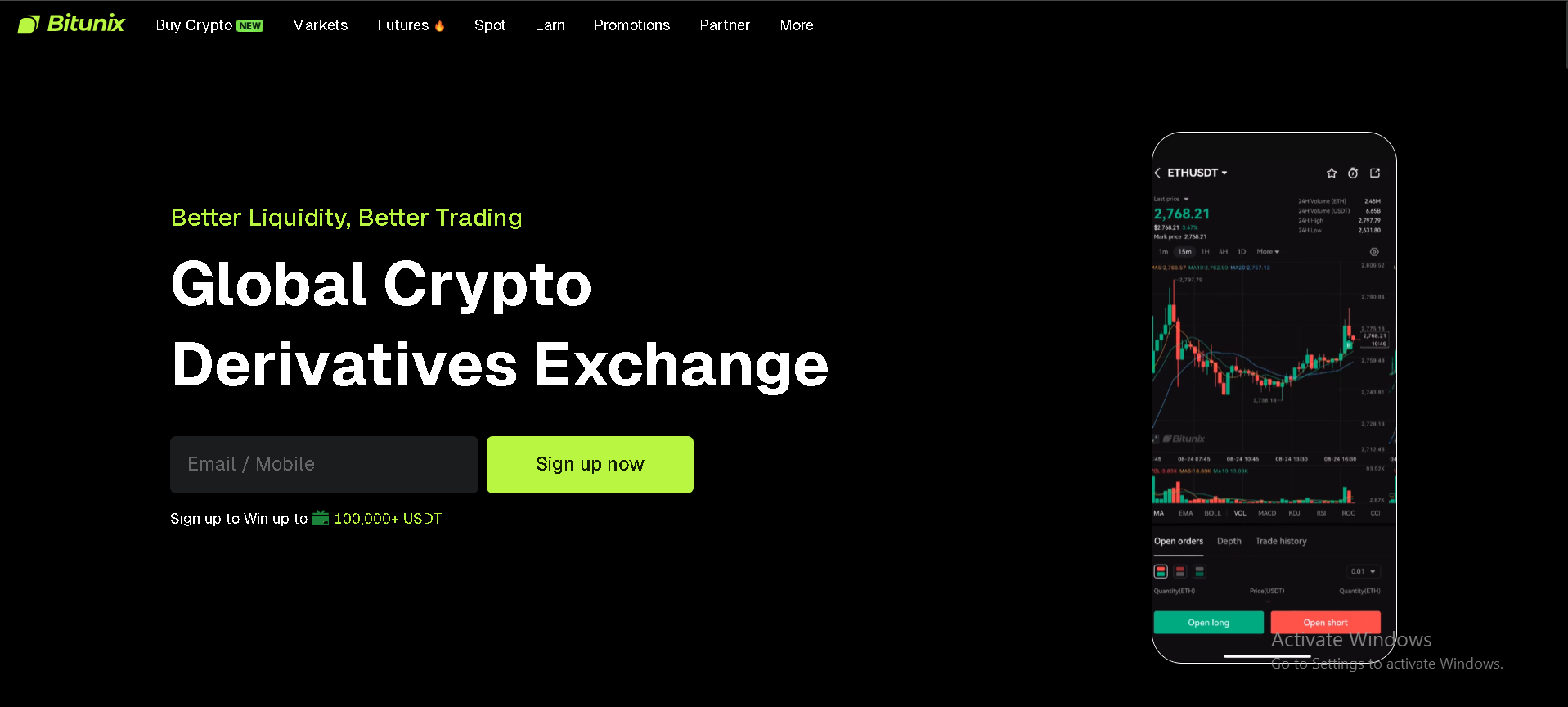
Bitunix was founded in Hong Kong in 2021. It was designed to bring a breadth of crypto features to beginner and intermediate traders.
It supports over 700 cryptocurrency trading pairs in more than 100 countries. It offers spot, P2P, and derivatives trading. With copy trading, new traders can copy the trades of successful users, with them earning a cut.
The exchange offers a myriad of new user bonuses and lotteries, letting new traders jumpstart their experience.
Rewards and tournaments are also available for existing users. Bitunix Splash gives rewards for investing in new tokens, while regular competitions in categories like trading volume or monthly profits carry up to USDT 675,000 in rewards.
Licenses
- United States (IRS)
- Canada (CRA)
- Phillipines
Cryptocurrencies
- Bitcoin
- Ethereum
- Tether
-
+78
Available countries
- Albania
- Algeria
- American Samoa
-
+233
Languages
- English
- Uzbek
- Polish
-
+12
Enjoy US$50 worth of CRO as sign-up bonus when you sign up with a referral link.


- Extensive list of supported cryptocurrencies
- Hardware wallet support
- With its Visa cards, you can spend your crypto and earn rewards
- Easy to purchase NFTs on the platform using either fiat or certain cryptos
- Higher fees for those who don't hold and use CRO
- Poor customer service
- Lack of educational resources
- Slow in-app live support
Year Founded
- 2016
Headquarters
- Singapore
Licenses
- United Arab Emirates
- Brazil
- United Kingdom (HMRC)
-
+19
Cryptocurrencies
- Bitcoin
- Holo
- Litecoin
-
+157
Available countries
- Afghanistan
- Algeria
- American Samoa
-
+200
Languages
- Danish
- Spanish
- French
-
+13
Features
- Supercharger
- Trading Arena
-
+2


- An advanced trading platform
- Low fees and high liquidity
- Supports lots of different payment options
- Efficient and dedicated phone and email support
- Lots of charting tools
- No live chat customer support
- Slow verification process
- International wire transfer takes 2 to 5 days to clear
- A few number of coins on offer
- Was hacked in 2015
Year Founded
- 2011
Headquarters
- Virgin Islands, British
Licenses
- Luxembourg
- United States (IRS)
- Spain
-
+1
Cryptocurrencies
- Bitcoin
- Ethereum
- Tether
-
+52
Available countries
- Afghanistan
- Albania
- Algeria
-
+244
Languages
- English
Features
- Institutions
- Pro Traders
-
+4
Enjoy up to 30,000 USDT Bonus when you sign up and complete tasks. Get a 10 USDT coupon when you sign up, and link your phone number and email.


Year Founded
- 2018
Headquarters
- Singapore
Licenses
- United States (IRS)
- Canada (CRA)
Cryptocurrencies
- Bitcoin
- Ethereum
- Tether
-
+96
Available countries
- Philippines
- United Kingdom
- United States
Languages
- English
- Simplified Chinese
- Chinese (Traditional)
-
+15
Features
- Futures Demo
- Copy Trading
-
+18
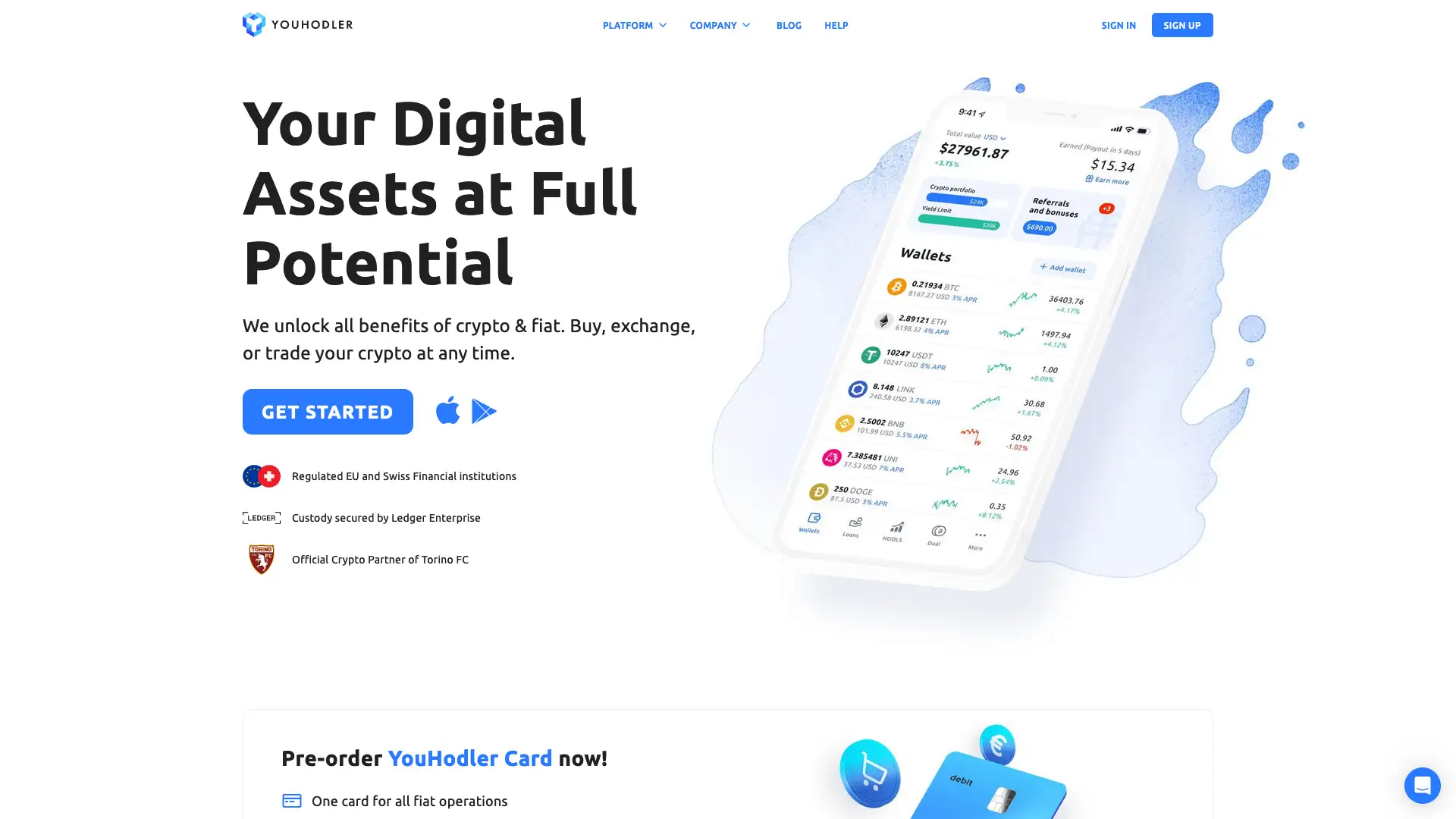
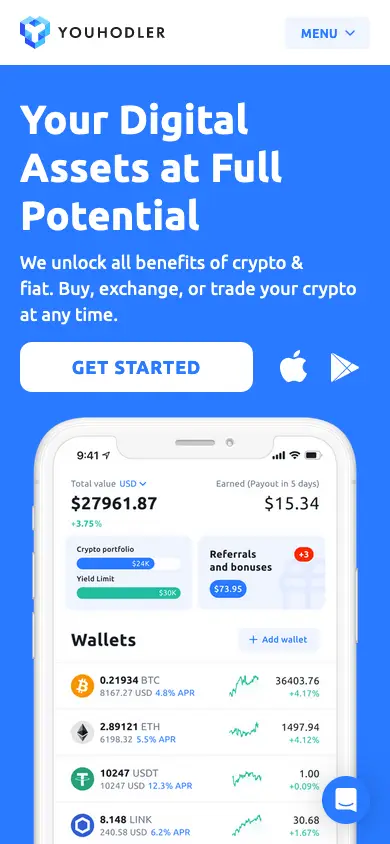
YouHodler Crypto Exchange, launched in Cyprus in 2018, stands as a versatile platform offering a plethora of crypto-fiat financial services including lending, trading, and savings accounts.
Year Founded
- 2017
Headquarters
- Cyprus
Licenses
- Italy
- Switzerland
- European Gaming and Betting Association (EGBA)
-
+2
Cryptocurrencies
- Bitcoin
- Ethereum
- Tether
-
+57
Available countries
- Belgium
- Canada
- Germany
-
+12
Languages
- English
- French
- Italian
-
+3
Features
- Conversion
- Turbocharge
-
+10
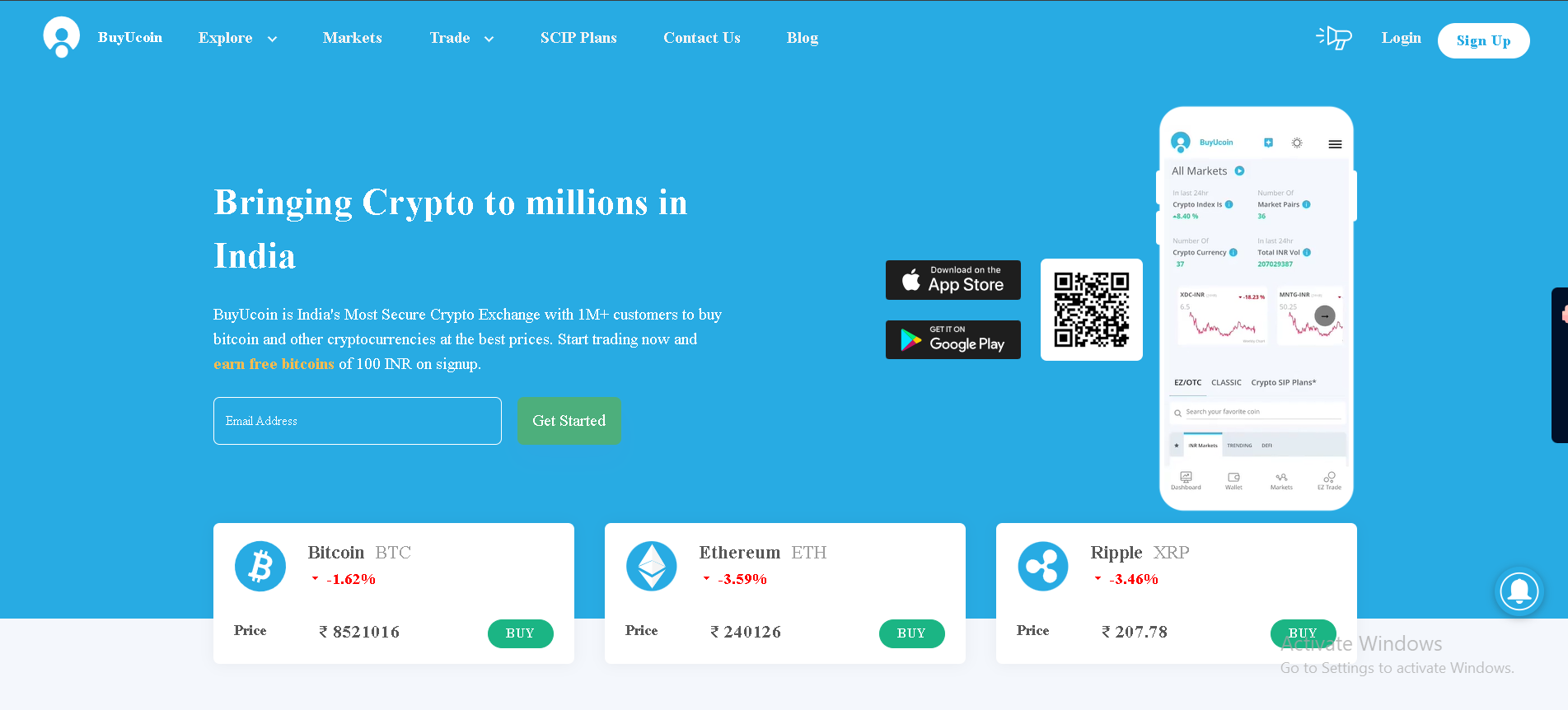
Get Free Bitcoin everyday upto Rs2000 INR on Sign Up, Referral, Deposit & Bitcoin Trading.
Year Founded
- 2025
Headquarters
- India
Licenses
- India
- Estonia
Cryptocurrencies
- Bitcoin
- Ethereum
- Tether
-
+77
Available countries
- China
- India
- Kenya
-
+5
Languages
- English
Features
- Free Bitcoin
- APIs
-
+9
Year Founded
- 2018
Headquarters
- Seychelles
Licenses
- Seychelles
- Estonia
- Switzerland
-
+2
Cryptocurrencies
- Shiba Inu
- Bitcoin
- PAX Gold
-
+72
Available countries
- Afghanistan
- Albania
- Algeria
-
+246
Languages
- English
- Russian
- Turkish
-
+14
Features
- Leveraged ETFs
- Copy Trading
-
+8
Get up to 1,000 USDC on your Trading Fee Balance when you register, complete identity verification, and place your first spot trade.


Founded in 2013 in London, CEX.IO one of the first crypto exchanges. The global exchange is available in over 200 countries, including the UK, US, Canada, and Australia.
CEX.IO prides itself on being a one-stop shop for all things crypto. It offers spot and margin trading across over 200 tokens, a DeFi wallet, and integrated staking features.
Beyond this, CEX.IO allows you to instantly buy crypto and spend it on the company’s crypto credit card.
Globally licensed and regulated across the EU and US, the platform uses a mix of state-of-the-art security protocols and cold storage to ensure investors’ funds stay safe. This has resulted in a hack-free record over CEX.IO’s 12 years in operation.
Year Founded
- 2013
Headquarters
- United Kingdom
Licenses
- United States (IRS)
- Lithuania
- Spain
Cryptocurrencies
- Bitcoin
- Ethereum
- Tether
-
+81
Available countries
- Australia
- France
- India
-
+5
Languages
- English
- Spanish
Features
- Exchange Plus
- API
-
+9
Earn $10 in Ethereum (ETH) when you stake $100 in ETH for the first time, up to $30 in rewards


Coinbase, a major player since its inception in 2012, is a user-friendly cryptocurrency exchange offering a secure platform for buying, selling, and managing a variety of digital assets.
- Operating since 2012, listed on Nasdaq, and has a BitLicense from New York State Department of Financial Services.
- Offers a variety of assets
- Fast crypto withdrawals
- Lists smaller assets before other big exchanges
- User-friendly interface with intuitive design
- Coinbase Pro offers much better fees!
- This has been the main complaint against Coinbase, although they have committed to hiring more staff.
- Controls customers' private keys
- Restricted to many countries
- Doesn't offer many advanced services
Year Founded
- 2012
Headquarters
- United States
Licenses
- United States (IRS)
- Canada (CRA)
- United Kingdom (HMRC)
-
+4
Cryptocurrencies
- Bitcoin
- Ethereum
- Tether
-
+68
Available countries
- Canada
- France
- Netherlands
-
+6
Languages
- English
- German
- French
-
+9
Features
- Web3
- Borrow
-
+27

Disclaimer
The information provided on this website is for informational purposes only and should not be considered as financial, investment, or legal advice. Cryptocurrency investments are volatile and high-risk in nature. Consult with a qualified financial advisor and/or tax professional before making any investment decisions. We are not responsible for any loss incurred due to the use of information on this website. Do your own research and exercise caution. Don’t invest unless you’re prepared to lose all the money you invest.
Why Trust Us?

Finding the right trading platform requires users to be well-informed. These crypto exchange recommendations are based on careful research, professional insights, and input from fellow traders.
Here at CryptoManiaks, the team has years of experience in the crypto space. Our researchers stay updated on market trends, regulations, and the latest players in the industry. The goal is to capture current global developments in crypto.
The team also actively engages with a diverse community of traders. By listening to the experiences of users across France, the guidance remains relevant and aligned with the needs of local traders. The guide is continuously updated to reflect 2026 regulatory developments, MiCA compliance changes, and evolving exchange policies across France and the European Union.
Alternative Crypto Exchanges in France
Centralized crypto exchanges (CEXs) make up most of the main platforms recommended for French users. These work like regular financial platforms, making it easy for newcomers to get started with crypto. But for those who want to try something different, peer-to-peer exchanges and decentralized exchanges (DEXs) offer an alternative.
A DEX can be viewed as a different approach to trading. Instead of going through a company to handle transactions, users interact directly with smart contracts. Many French traders enjoy this hands-on style once they become comfortable with how it works.
Tips on Choosing a Good French Crypto Exchange
Finding the right crypto platform in France isn’t just about looking at the biggest names. In this section, this guide will walk you through important factors to consider.
Regulation & Compliance
France has a well-defined regulatory framework for crypto, with exchanges required to follow strict AMF rules and hold PSAN registration. Choosing a platform that openly displays its licenses and complies with local guidelines not only protects your funds but also simplifies tax reporting, since authorities closely monitor crypto activity.
- Verify the exchange appears on the AMF’s official list of approved platforms.
- Licensed exchanges offer better security and stronger investor protection.
- France’s higher regulatory standards lead to more reliable and transparent trading environments.
- France now operates under EU-wide MiCA rules, alongside AMF oversight.
- PSAN registration is transitioning into MiCA CASP licensing (Crypto-Asset Service Provider).
- Exchanges operating legally in France must either hold AMF PSAN registration or be transitioning to MiCA CASP approval.
Security Measures
A trustworthy crypto exchange in France must prioritize strong protection against cyber threats, keeping most user assets in cold storage to limit exposure to hacks. It should also offer essential security tools like 2FA and frequent data backups while undergoing independent audits to catch vulnerabilities early.
What to look for:
- The majority of assets should be stored in offline, cold wallets.
- Mandatory 2FA plus routine user-data backups.
- Regular third-party security audits and active bug bounty programs.
- Clear insurance policies outlining what losses are covered on the platform’s official site.
Low Fees
Trading fees directly affect profits, so it’s essential to compare how French exchanges structure their costs—whether through flat charges or volume-based tiers. Withdrawal fees also vary widely, and some platforms offset low trading fees with higher spreads or transfer costs. While pricing matters, the best choice balances affordability with dependable execution and support.
- Check whether fees are flat or volume-based.
- Review withdrawal costs for each cryptocurrency.
- Watch for platforms offering “zero-fee trading” but higher spreads.
- Slightly higher fees can be worthwhile if they deliver better speed and customer service.
Liquidity & Volume
Trading volume reflects how active an exchange is, and higher liquidity generally leads to smoother trades and better pricing. For French users, checking key EUR/BTC and EUR/ETH pairs is a good starting point, along with reviewing order books to gauge spreads—tight gaps signal healthier markets. Some platforms tap into global liquidity pools, while others specialize in euro-based trades and offer strong local execution.
What to check:
- Liquidity on major EUR trading pairs.
- Order-book depth and buy–sell spread size.
- Availability of global vs. local liquidity pools.
- Activity during your typical trading hours, not just overall volume.
Trading Interface
A well-designed trading interface is essential because it’s where users spend most of their time. French exchanges should offer clear, customizable charts, easy access to market and limit orders , and a layout that avoids confusion. Mobile versions should highlight euro pricing and familiar payment options, while advanced tools remain available without cluttering the experience.
What to look for:
- Simple, intuitive layout with easy order placement.
- Customizable charts that don’t overwhelm beginners.
- Clean visibility of balances, prices, and recent trades.
- Mobile apps optimized for euro markets and local payment methods.
- Optional tools like alerts or automation, kept accessible but unobtrusive.
Customer Support
Responsive customer support is crucial, especially when handling trades or account issues. French crypto exchanges should assist in both French and English through channels like chat, email, and phone, with reply times that match local business hours. It’s smart to test their responsiveness before depositing funds, and to check user reviews for how well they handle peak-market stress.
Key elements of good customer support:
- Fast, clear responses from knowledgeable staff.
- Multiple contact options, including live chat.
- Local time-zone availability for quicker resolutions.
- Helpful French-language guides and FAQs that complement and do not replace real support.
Variety of Cryptocurrencies
A strong coin selection lets users explore different assets without constantly switching platforms. Most French exchanges offer Bitcoin, Ethereum, and major altcoins, then expand their listings based on user demand. It’s worth checking whether the coins you want to trade are available with active EUR trading pairs. Staking options also matter, as many platforms allow users to earn rewards on both major PoS coins and smaller projects.
What to consider:
- Availability of popular coins plus active EUR trading pairs.
- Balance between established tokens and newer listings.
- Staking opportunities for earning additional rewards.
- Trading volume on listed coins since a huge variety means little without liquidity.
Reputation
An exchange’s track record in France often says more than its marketing. Checking crypto forums and local groups helps reveal real user experiences; while some negative reviews are expected, repeated issues are a warning sign. How a platform handles stressful moments, such as traffic spikes or security incidents, is especially telling, and transparent communication builds long-term trust within the French crypto community.
What to review:
- Consistency of user feedback, especially recurring complaints.
- Past uptime during volatile market periods.
- Transparency around incidents and how they were resolved.
- Recent reviews focusing on deposits, withdrawals, and trading quality.
Tips Before Registering on a French Exchange
Before you start the registration process on a French crypto exchange, take a few minutes to prepare by reading about more crucial factors below.
KYC Requirements and Privacy
French exchanges enforce strict identity verification because of local regulations, requiring users to complete KYC checks before trading. This typically involves providing personal details and government-issued identification, and sometimes additional documents like utility bills or bank statements. Although the process may feel detailed, it plays an important role in safeguarding the platform and its users.
- KYC usually requires name, address, and a valid ID.
- Some platforms ask for extra documents for added security.
- Uploading clear, up-to-date files speeds up approval times.
- Exchanges that skip proper verification should be avoided, as compliance with AMF rules is mandatory.
Euro (EUR) Deposits and Withdrawals
Bank Transfers and ACH Support: Most French exchanges support SEPA transfers, which typically land in accounts within 1–2 business days, while credit card deposits are faster but come with higher fees.
- Instant SEPA (SEPA Instant Credit Transfer). Many exchanges now support SEPA Instant (under 10 minutes).
- Apple Pay / Google Pay availability (on some platforms).
- Bank-linked accounts are increasingly preferred over cards.
- Card limits are tightening due to compliance rules.
Withdrawal Times and Limits: EUR withdrawals vary by platform, and while some process them daily, others follow a weekly cycle. Withdrawal limits depend on the user’s verification level. It’s wise to review fees, timelines, and requirements before depositing.
- Check SEPA and card fees, plus estimated processing times.
- Review withdrawal limits based on your KYC level.
- Expect extra verification for large withdrawals.
- Start with a small test transfer to understand how the platform handles deposits and payouts.
Tax Implications
Profits from selling crypto in France are treated as capital gains and must be reported annually, with a flat tax rate of 30%. Only crypto-to-fiat conversions are taxable, so keeping organized records is essential. Many French exchanges now offer tools to simplify reporting, but frequent traders may benefit from professional advice.
For individual investors, capital gains tax generally applies when crypto assets are converted into fiat or used to purchase goods and services. Crypto-to-crypto trades are typically not taxed immediately under the flat tax regime for non-professional investors, but they must still be tracked for overall gain calculation purposes.
- Crypto-to-fiat trades are taxable; crypto-to-crypto trades are not.
- NFTs and staking rewards increasingly fall under reporting obligations.
- Users must track dates, amounts, and EUR values for every transaction.
- Most exchanges provide downloadable history for tax filing.
- Built-in tax tools can calculate gains and losses.
- Consulting a crypto-aware tax expert is helpful for active traders.
 DON’T GET REKT
Curated drops, testnets and red flag alerts straight to your inbox ✌️
 You’re in. Thanks for joining our newsletter.

Conclusion
Choosing the best crypto exchange in France goes beyond comparing a few features. It requires understanding how each platform aligns with local regulations, security expectations, euro payment methods, and the needs of French traders.
By focusing on trusted PSAN-registered exchanges, prioritizing strong security standards, and evaluating fees, liquidity, and customer support, users can confidently select platforms that fit their trading style and experience level. Whether you prefer established centralized exchanges or want to explore DEX alternatives, the key is to stay informed, compare carefully, and choose a platform that offers transparency, reliability, and long-term value in France’s growing crypto market.
You May Also Like
Frequently Asked Questions
-
01.
Are crypto exchanges legal in France?
Yes. Crypto exchanges are legal as long as they are registered as PSANs (Digital Asset Service Providers) with the AMF. Users should always verify an exchange’s registration before creating an account.
-
02.
Do I need to complete KYC to trade crypto in France?
Yes. French regulations require full identity verification before trading. This includes providing a valid ID, address proof, and sometimes additional documents for higher withdrawal limits.
-
03.
How do I deposit and withdraw euros on French exchanges?
Most platforms support SEPA transfers for deposits and withdrawals. Transfers typically take 1–2 business days. Credit card deposits are available on some exchanges but come with higher fees.
-
04.
Are crypto gains taxed in France?
Yes. Crypto-to-fiat trades are subject to a flat 30% tax. Crypto-to-crypto trades are not taxable. Users must keep detailed transaction records for annual tax filing.
-
05.
What security features should a French crypto exchange have?
Look for cold storage, two-factor authentication, external audits, bug bounty programs, and clear insurance coverage. Exchanges with strong security practices reduce the risk of hacks and fund losses.


