


 5 min read
9 Black Swan Events That Could Start the Next Crypto Bear Market




 AI Overview
The article catalogs credible black‑swan scenarios for crypto in 2026—from market‑maker or bank collapses to currency failures, quantum breakthroughs, and geopolitical or cyber shocks—and argues that Bitcoin’s centrality magnifies systemic risk.
- Systemic exposures: Market makers, concentrated BTC holdings and bank/fiat failures can trigger instant liquidity evaporation and cross‑market contagion.
- Defensive strategy: Emphasize diversification, liquid reserves, limited leverage and currency flexibility to retain optionality during shocks.
- Scenario hedges: Apply targeted hedges—VIX/inverse tech, defense equities, multi‑fiat positions or stablecoins—matched to the specific threat.
Crypto bear market fears are always lingering, even when charts are flashing green. A single major liquidation event could shock the market. Knowing the early signs of a true black swan event is critical to protecting your portfolio.

Now that crypto has been around longer than in previous cycles, macroeconomic events increasingly affect digital assets the way they affect tech stocks. A buy-pressure pump one day can be invalidated by the following day’s news cycle.
Crypto can act as a hedge against uncertainty, but it is not immune to external shocks, as the COVID pandemic made clear.
Understanding systemic risks matters more than ever.
What Is a Black Swan Event?
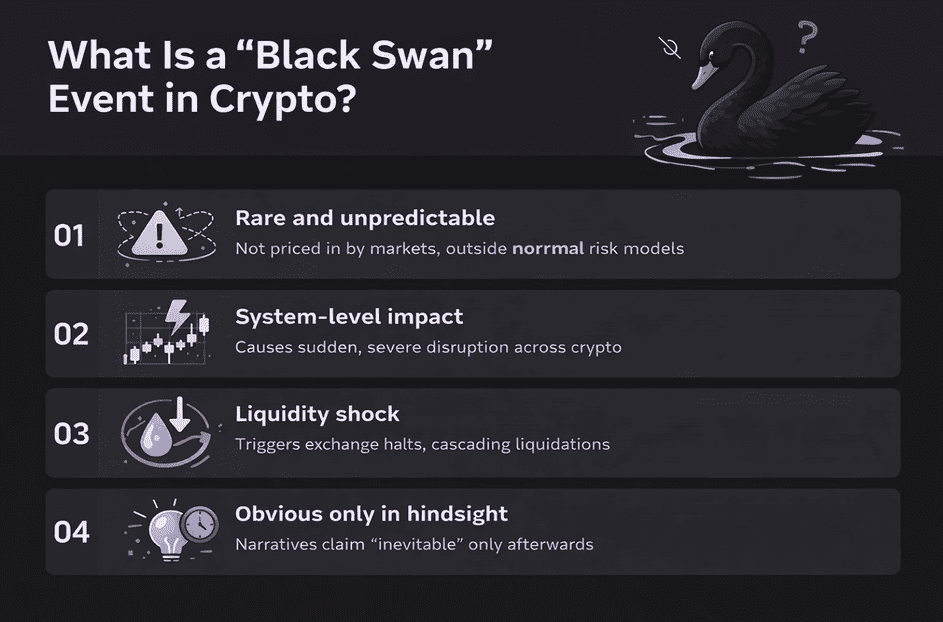
A black swan event is a rare, unpredictable occurrence that has an outsized impact on global markets and society.
While definitions vary, most agree that a true black swan shares three key characteristics:
- It lies outside normal expectations and historical precedent
- It has an extreme, system-wide impact such as the 2008 financial crisis
- After the fact, it appears obvious due to hindsight bias
Understanding black swan events is essential to future-proofing a portfolio and avoiding catastrophic losses.
 DON’T GET REKT
Curated drops, testnets and red flag alerts straight to your inbox ✌️
 You’re in. Thanks for joining our newsletter.

Are Crypto Black Swan Events Becoming More Common?
Spend enough time on crypto Twitter and it can feel like black swans appear multiple times a year. There are a few reasons for this perception:
- Social media enables near-instant global news distribution
- Modern financial systems and supply chains are highly interconnected and fragile
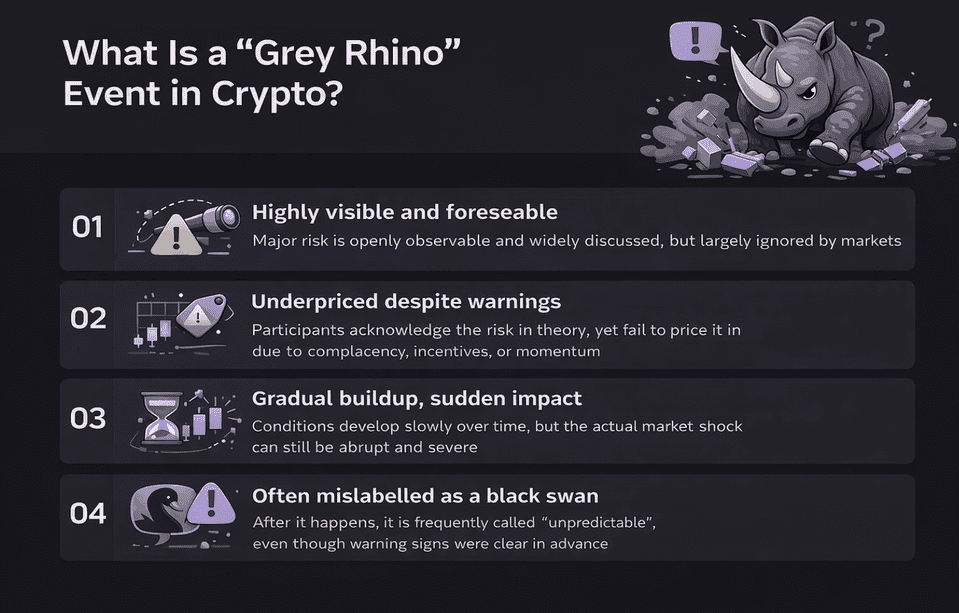
However, true black swan events are not necessarily increasing in frequency. Many so-called black swans are actually grey rhinos.
Black Swans vs Grey Rhinos
A grey rhino is a highly probable, visible risk that market participants choose to ignore until it materializes. Rising global debt levels are a classic example.
This mislabeling is one reason black swans appear more frequent than they truly are. Below are scenarios that more closely resemble genuine black swan risks unlikely, but possible.
Top Black Swan Events to Be Ready for in 2026
Having experienced multiple market shocks since entering crypto in 2015, preparation matters. These scenarios are possible, not predictions.
1. Collapse of a Major Market Maker
Crypto markets rely heavily on professional market makers to provide liquidity. These firms are often paid enormous sums to maintain trading depth and volume.
If a major market maker were to collapse, whether due to algorithmic failures, liquidation cascades, or extreme market stress, liquidity could vanish almost instantly, amplifying volatility across exchanges.
The October 10, 2025 liquidity crisis highlighted how fragile this system can be.
2. Collapse of a Major Bank
Banks remain structurally fragile despite repeated bailouts. A large US or European bank failure would ripple through credit markets, interest rates, and investor confidence.
Possible triggers include:
- Bank runs driven by social-media panic or solvency rumors
- Precious metals exposure, particularly large silver derivatives positions that could implode during a sustained price rally
Such an event would almost certainly spill into crypto markets.
3. Collapse of a Currency (Fiat or Crypto)
Crypto markets have already witnessed catastrophic currency failures, most notably Terra’s UST collapse, which erased billions in value overnight.
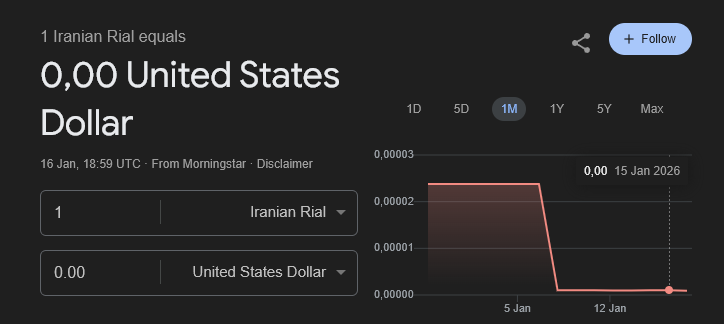
Fiat currencies are not immune. In early 2026, Iran experienced significant unrest tied in part to severe currency devaluation. At the same time, the US dollar faces long-term pressure as its reserve-currency dominance erodes.
A currency collapse, crypto or fiat, would inject extreme volatility into global markets and force capital rotation into alternative stores of value.
4. Collapse of Strategy (MicroStrategy)
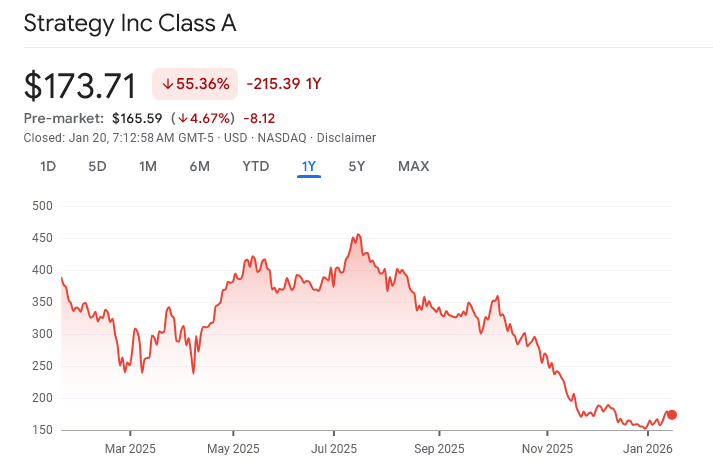
Strategy holds a substantial share of Bitcoin’s circulating supply. While the firm has weathered volatility before, a deep Bitcoin drawdown into the 50,000 to 60,000 range could introduce severe stress.
Forced liquidation of reserves would represent a major structural shock to Bitcoin liquidity and market psychology.
5. Quantum Computing Breakthrough
A sudden leap in quantum computing capabilities could, in theory, undermine cryptographic security standards currently used by blockchains.
While this remains a low-probability risk rather than an imminent threat, a credible breakthrough could trigger panic across crypto markets, particularly if legacy wallets or early Bitcoin holdings were exposed.

6. Nuclear Escalation
An escalation of existing geopolitical conflicts into nuclear engagement would devastate national economies and freeze global markets.
Such an event would likely drive capital into perceived safe havens such as gold, silver, and Bitcoin after an initial liquidity shock.
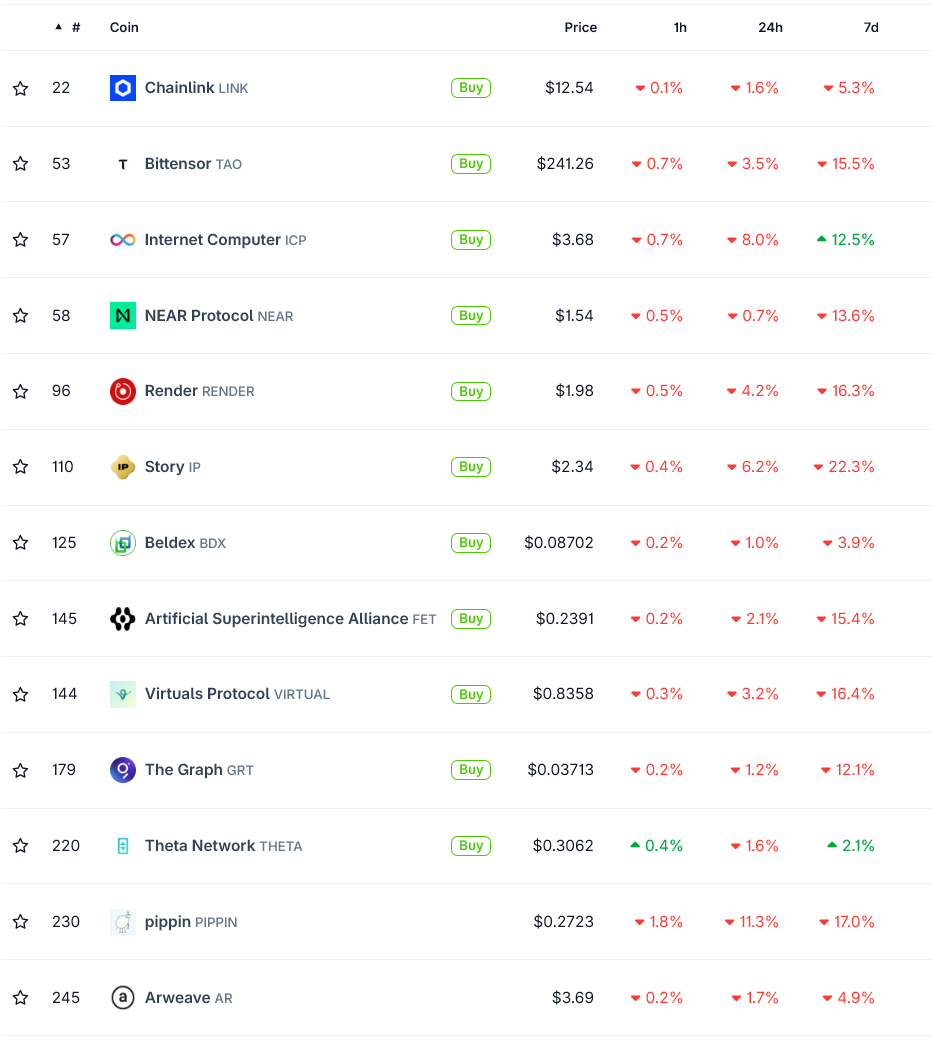
7. Bursting of the AI Bubble
AI investment has driven massive equity valuations, particularly in semiconductor and infrastructure stocks.
If capital fails to generate returns quickly, funding could reverse sharply. A collapse in AI-driven equities would likely drain risk-on liquidity across markets, including crypto.
8. Cyber Warfare
Large-scale disruption of undersea cables, cloud infrastructure, or internet backbone services by state or non-state actors would cripple digital economies.
Payment systems could fail, exchanges could halt, and trust in digital finance would be severely tested.
9. Natural Disaster
Major natural disasters such as earthquakes, hurricanes, tsunamis, or solar storms striking financial hubs could overwhelm global insurers and reinsurers.
Infrastructure damage, satellite outages, and mass displacement would introduce profound economic instability.
Other Risks to Monitor
Additional macro risks worth monitoring include:
- A US sovereign debt default
- Global social-media restrictions
- A broad unwind of ESG-linked capital
How to Derisk Your Investment Strategy
1. Asset Allocation Comes First
No single asset should dominate your portfolio. Diversification across asset classes, stablecoins, inflation hedges, growth assets, and cash equivalents is essential.
2. Preserve Liquidity
Avoid excessive leverage and long lock-ups. The ability to react quickly during volatility often matters more than yield.
3. Currency Flexibility
Holding assets that can be rapidly converted into multiple fiat currencies can provide optionality if a major reserve currency weakens.
4. Hedge by Scenario
Different risks require different hedges:
- War leading to defense equities
- AI collapse leading to inverse tech exposure
- Extreme volatility leading to VIX-based instruments
Conclusion
Many potential black swan events could emerge in 2026, both inside and outside crypto. While these scenarios are unlikely, they are possible.
Preparation, diversification, and liquidity remain the best defenses. Awareness alone won’t prevent losses, but it can significantly reduce their impact.
Unlikely events do happen. The key is surviving them when they do.



 Thank you for your feedback! We’re glad you found this article helpful.
 An error occurred while sending the form, please try again.
 We are sorry. You've already sent a message within the last 60 seconds. Please wait before sending another.
 Thank you for letting us know! Our team will review your feedback to help improve our content.
We're sorry you did not find what you were looking for. Please select the reason this article was not helpful.