


 3 min read



 AI Overview
TMTG has filed for the Truth Social Crypto Blue Chip ETF, a spot crypto basket dominated by Bitcoin, seeking to capitalize on its brand and crypto demand while triggering an SEC review and questions about transparency and political conflicts.
- Fund structure: 70% BTC, 15% ETH, 8% SOL, 5% CRO, 2% XRP; Nevada business trust, Yorkville sponsor and Foris DAX custody; SEC opened up to a 240‑day review.
- Strategic motive: Political branding and crypto exposure aim to prop up valuation and attract capital despite weak operating results and a SPAC listing origin.
- Regulatory & conflict risk: Raises transparency and conflict‑of‑interest concerns tied to Trump’s crypto holdings; SEC decision could set a precedent for politicized crypto ETFs.
Donald Trump’s media firm has filed to launch a cryptocurrency exchange-traded fund (ETF), adding to a growing trend of US companies embracing digital assets for growth.
The filing marks another pivot by Trump Media & Technology Group (TMTG) toward crypto, drawing scrutiny over transparency and potential conflicts of interest.
Truth Social ETF: Bitcoin-heavy and politically branded
According to SEC documents filed on June 16, TMTG plans to list the “Truth Social Crypto Blue Chip ETF” on NYSE Arca. The fund would allocate 70% to Bitcoin, 15% to Ethereum, 8% to Solana, 5% to Cronos, and 2% to XRP. It will be structured as a Nevada business trust, which is a type of legal setup commonly used for investment funds. This makes it easier to manage the ETF and may offer more flexibility and protection for investors than a regular company.
The ETF’s sponsor is Yorkville America Digital, with custody and execution provided by Foris DAX Trust, the institutional affiliate of Crypto.com. Assets will be held in segregated cold storage accounts.
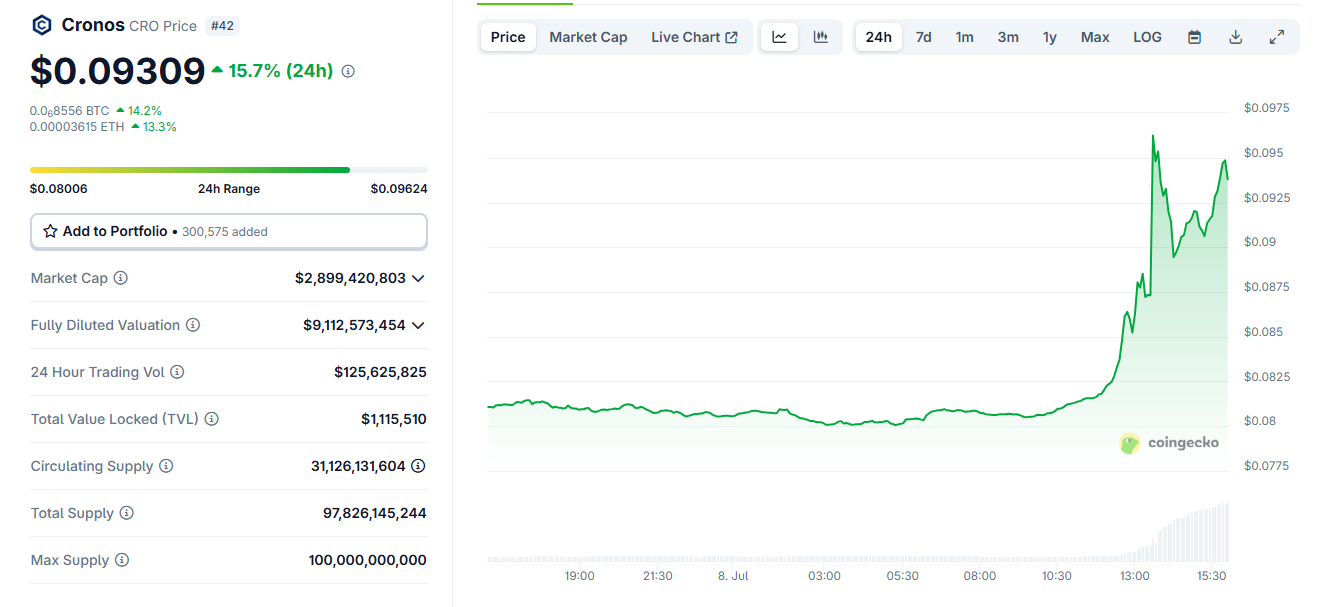
The SEC formally acknowledged the ETF proposal on July 8, triggering a review period of up to 240 days. The ETF also requires approval of a separate Form 19b-4 exchange rule change to begin trading.
A second, narrower ETF—holding 75% Bitcoin and 25% Ethereum—was filed on the same day.
The transparency concern
The filings arrive as a growing number of US public companies are shifting business models to center around crypto.
July alone saw SharpLink, GameSquare, and Sequans Communications disclose large crypto purchases or Ethereum staking strategies. ReserveOne also announced a $1 billion capital raise backed by Kraken and Blockchain.com, with plans to go public via SPAC.
TMTG itself is the product of a SPAC merger, meaning it went public not through a traditional IPO, but by merging with a publicly listed shell company—Digital World Acquisition Corp (DWAC). This route allows companies to bypass some of the regulatory scrutiny and financial disclosures required in a standard listing process.
While faster, SPAC mergers often raise concerns about transparency, especially when the target company has limited operating history or revenue.
In TMTG’s case, the company reported just $4.1 million in revenue in Q1 2025 while operating at a net loss, casting doubt on its ability to sustain its business model without speculative plays like crypto.
Conflicts of interest and regulatory scrutiny
The move also fuels debate about Trump’s financial interests as a presidential candidate. Trump has publicly endorsed Bitcoin and recently revealed holding over $32 million in crypto, which includes his meme coin ($TRUMP) and World Liberty Financial’s USD1 stablecoin.
Critics argue that launching a branded ETF tied to Truth Social further blurs the line between political influence and private financial ventures.
While the SEC has signaled openness to broader crypto ETF products, it remains unclear whether the Truth Social fund will secure approval. The agency has stepped up scrutiny of disclosure practices and internal controls for crypto-adjacent firms, particularly those backed by SPACs or facing volatility.
In the months ahead, the SEC’s treatment of TMTG’s filing may signal how far regulators are willing to go in approving politically-linked crypto vehicles. The outcome could also influence whether other companies follow a similar path of rebranding into crypto to boost stock performance or investor interest.



 Thank you for your feedback! We’re glad you found this article helpful.
 An error occurred while sending the form, please try again.
 We are sorry. You've already sent a message within the last 60 seconds. Please wait before sending another.
 Thank you for letting us know! Our team will review your feedback to help improve our content.
We're sorry you did not find what you were looking for. Please select the reason this article was not helpful.

 You’re in. Thanks for joining our newsletter.
