


 4 min read
Sui DEX Cetus Drained Of $200m: Hack Or Bug? The Latest So Far



 AI Overview
Cetus Protocol, a leading DEX on Sui, experienced an incident that drained over $200M and prompted a temporary smart‑contract pause. On‑chain traces show rapid bridging of assets to Ethereum and a sharp TVL drop, while debate persists over an oracle bug versus a coordinated exploit.
- Scale of losses: Over $200M drained; Cetus TVL plunged from ~$275M to ~$75M and contracts were paused to stop outflows.
- Evidence vs narrative: On‑chain transfers—reported at about $1M/min to Ethereum—have many analysts calling it an exploit despite Cetus blaming an oracle bug.
- Systemic risk: Sui’s TVL fell over 5%; the event undermines DeFi confidence and could trigger further capital flight absent clear forensic findings.
Cetus Protocol, one of the leading decentralized exchanges on the Sui blockchain, has suffered a major incident resulting in over $200million in losses.
The protocol’s team has paused smart contracts while investigating what they describe as a detected incident, but the crypto community remains divided on whether this represents a hack or a technical bug.
Official response and protocol pause
Cetus Protocol addressed the situation through its official social media channels, stating: “There was an incident detected on our protocol and our smart contract has been paused temporarily for safety. The team is investigating the incident at the moment. A further investigation statement will be made soon. We are grateful for your patience.”
The protocol’s Total Value Locked (TVL) has experienced a dramatic decline in recent hours. The sharp drop indicates significant capital flight from the platform as users and large holders moved to withdraw funds following news of the incident.
Community claims vs. on-chain evidence
Discord moderators and some community members have characterized the incident as a technical bug rather than a malicious attack. However, on-chain data appears to tell a different story, leading to a heated debate about the true nature of the incident.
The controversy centers around observable blockchain transactions that some analysts interpret as evidence of coordinated fund drainage rather than a simple technical malfunction.
Skeptical community reactions
Several crypto observers have expressed skepticism about the “bug” explanation. One user posted: “Don’t be fooled by the @CetusProtocol team claiming it’s just a bug, not a hack, Just a bug? Meanwhile, they’ve started bridging $212M to Ethereum $1M per minute as we speak.”
This observation points to substantial fund movements from Sui to Ethereum, with transfers occurring at a rate of approximately $1m per minute, according to on-chain monitoring.
Another observer provided additional technical context: “the Sui Cetus hack IS a hack, not an ‘oracle bug’ as the team are suggesting oracle exploit, sure but this wallet is draining funds from cetus, and desperately bridging USDC and other tokens out 100s of MIL GONE.”
The community’s concerns are rooted in the blockchain activity being observed, which shows large-scale fund movements occurring simultaneously with the reported incident.
Tracking data indicates significant volumes of USDC and other tokens being bridged from Sui to Ethereum, which some describe as a systematic drainage of protocol funds.
The speed and scale of these transfers have led many to question whether a simple technical bug could result in such coordinated fund movements across multiple tokens and bridge protocols.
Impact on Sui ecosystem
As one of the flagship DeFi protocols on Sui, the Cetus Protocol’s incident has broader implications for the relatively young blockchain ecosystem.
The protocol has been instrumental in providing liquidity infrastructure for the Sui DeFi. Data from DefiLlama shows Sui’s TVL is down over 5%, and it is around $2.07billion.
The Cetus TVL chart shows the severity of the impact, with what appears to be a significant funds drainage from the protocol. Analysis of the chart showed that the TVL fell from over $275m to around $75m.
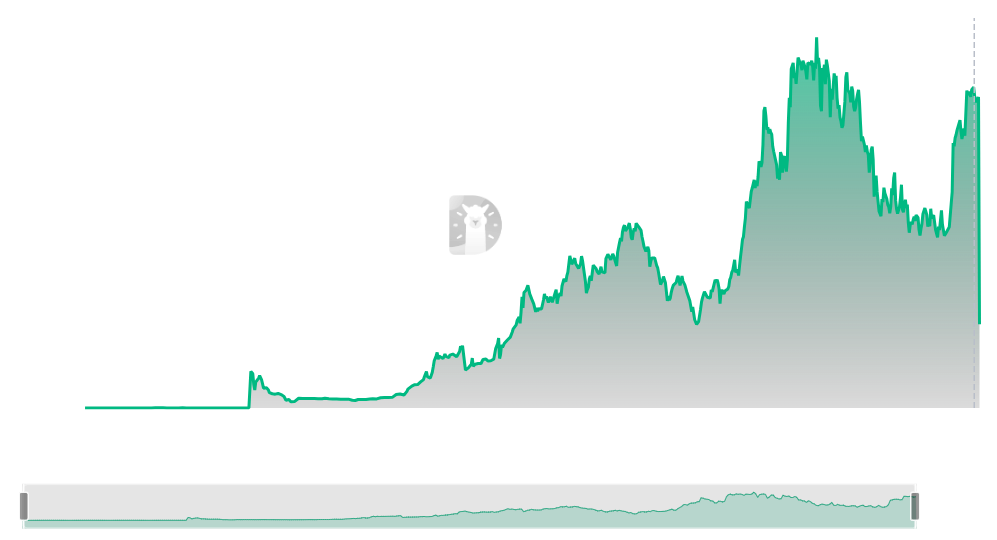
This decline suggests either a serious technical failure or a successful large-scale attack on the platform’s smart contracts.
What happens next?
Cetus Protocol has promised a more detailed investigation statement, which the community eagerly awaits for clarity on the nature of the incident. The team’s characterization of the event suggests they maintain some level of control over the situation.
However, the ongoing fund transfers observed by the community continue to fuel speculation about whether the incident remains active or has been successfully contained.
The crypto community now watches closely for the promised detailed statement from Cetus Protocol.
Until then, the debate between “bug” and “hack” continues, with on-chain evidence serving as the primary battleground for competing narratives about one of DeFi’s most significant incidents in recent months.



 Thank you for your feedback! We’re glad you found this article helpful.
 An error occurred while sending the form, please try again.
 We are sorry. You've already sent a message within the last 60 seconds. Please wait before sending another.
 Thank you for letting us know! Our team will review your feedback to help improve our content.
We're sorry you did not find what you were looking for. Please select the reason this article was not helpful.

 You’re in. Thanks for joining our newsletter.
