


 4 min read
Is CHEX A Scam? Everything To Know About Chintai Crypto



 AI Overview
Examines allegations that CHEX (Chintai’s token) is a scam after MANTRA’s OM collapse, weighing Chintai’s MAS licensing, tokenomics and partner claims to deliver a cautious, evidence‑based verdict.
- Regulatory credibility: Chintai holds MAS CMS and RMO licenses with audits, KYC/AML and oversight, creating a higher compliance bar than many crypto projects.
- Unresolved concerns: Critics cite opaque partner listings, potential insider token concentration and limited ecosystem visibility—areas needing clearer disclosure.
- Investor guidance: No verified evidence of fraud, but perform due diligence: examine token flows, real usage metrics, team disclosures and your risk tolerance.
The collapse of MANTRA’s OM token — where $5.5billion in value was erased in under an hour — has sent shockwaves through the crypto community. In the aftermath, attention has turned toward CHEX, the native token of Chintai Network, a regulated tokenization platform based in Singapore.
With allegations and defenses spreading fast on crypto Twitter, the question many are asking is: Is CHEX a scam? Here’s a breakdown of what Chintai is, how CHEX works, and the facts behind the controversy.
What is Chintai and the CHEX token?
Chintai is a digital asset platform that provides compliant infrastructure for tokenizing real-world assets (RWA) — including securities, real estate, funds, and carbon credits. Its architecture is built on a permissioned Layer-1 blockchain tailored for institutional use.
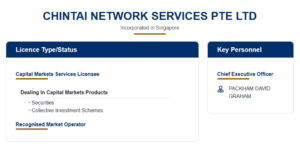
Chintai operates under a Capital Markets Services (CMS) and Recognized Market Operator (RMO) license from Singapore’s Monetary Authority of Singapore (MAS) — one of the most strict financial regulators globally. These licenses allow Chintai to legally issue, manage, and provide secondary trading of digital securities.
The CHEX token powers the platform’s transactions, compliance services, staking, and asset issuance. It also enables governance and deflationary buybacks, with a portion of platform fees allocated for token burning and real-yield distributions to stakers.
Allegations: Why some are calling CHEX a scam
Following the OM collapse, critics have drawn parallels between OM and CHEX, raising several concerns:
- Suspicious partnerships: Detractors claim that many companies Chintai lists as partners are newly formed and lack an online presence. They question whether these entities truly manage the hundreds of millions in assets they allegedly plan to tokenize.
- Lack of ecosystem presence: Some RWA founders say they’ve never encountered Chintai at events or in collaborations, suggesting the project might be operating in isolation from the broader RWA ecosystem.
- Token ownership concerns: Although CHEX is 100% in circulation, allegations persist that a large portion remains under the control of the core team or insiders, creating risk in market downturns.
- Founders’ behavior: Critics also point to public posts of founders showcasing luxury purchases, accusing them of “new money” behavior and suggesting potential liquidation risks.
Defending CHEX: What supporters are saying
Supporters of Chintai argue that the comparisons to OM are misplaced and misleading. Their key points:
- Regulatory compliance: Unlike OM, Chintai is regulated by MAS, requiring regular audits, KYC/AML compliance, and transparent operations. A scam operation would not likely survive MAS scrutiny.
- Transparent tokenomics: The full CHEX supply has been circulating since 2019. According to public documentation, the team holds around 20%, and founders have disclosed over $300k in personal token purchases, suggesting long-term commitment.
- B2B model misunderstood: Chintai offers a whitelabel infrastructure similar to Shopify, onboarding both institutional and startup clients. This explains the presence of lesser-known companies and a quieter marketing approach.
- No artificial pumping: CHEX does not rely on flashy yields or inflated TVL figures. The platform emphasizes regulatory-grade infrastructure over short-term speculation.
Final take: Is CHEX a scam?
There is no verified evidence to support that CHEX is a scam. While some concerns merit deeper scrutiny — such as clearer partnership disclosures and ecosystem engagement — Chintai’s regulatory status, transparent tokenomics, and infrastructure-first model set it apart from recent failures like OM.
However, as always, investors should do their own research. Scrutinize token flows, developer transparency, and actual usage metrics. Most importantly, given the volatile nature of the market, it’s important not to invest any amount without understanding your risk appetite.
Regulation is not a guarantee of success — but it’s a critical layer of accountability that many crypto projects still lack.



 Thank you for your feedback! We’re glad you found this article helpful.
 An error occurred while sending the form, please try again.
 We are sorry. You've already sent a message within the last 60 seconds. Please wait before sending another.
 Thank you for letting us know! Our team will review your feedback to help improve our content.
We're sorry you did not find what you were looking for. Please select the reason this article was not helpful.

 You’re in. Thanks for joining our newsletter.
