


Best Crypto & Bitcoin Casinos (September, 2026 Rankings)





Below are the best crypto casinos for September, 2026, ranked by our team and updated regularly to reflect player feedback, forum discussion, and hands-on testing. We evaluate each site on what matters most to crypto casino players: fast payouts, transparent KYC, provably fair games, broad support for crypto and Bitcoin, strong bonuses, reputation, and licensing. For the full breakdown of how we score these factors, see our how we rate crypto gambling sites page.
Best Crypto & Bitcoin Casinos Ranked
Here are our rankings of the best crypto and Bitcoin casino sites in September, 2026.
-
PromotionsCoins




-
 Coins
Coins

-
-
 PromotionsCoins

-
 PromotionsCoins

-
 Coins
Coins
-
 PromotionsCoins
-
 Coins
Coins
-
 Coins
Coins
-
 PromotionsCoins
-
 PromotionsCoins

-
 PromotionsCoins
-
 PromotionsCoins
-
 PromotionsCoins
-
 Coins
Coins

-
 PromotionsCoins

-

-

-
 PromotionsCoins
-
 Promotions


Key Takeaways About Bitcoin Casinos
- Bitcoin casinos suit players who prioritize trust, liquidity, and broad acceptance over low fees or instant transactions.
- BTC is accepted at most crypto casinos and is usually the default coin for VIP programs and high-limit play.
- On-chain Bitcoin transactions are slower and more expensive than most altcoins unless the casino supports Lightning.
- Bitcoin bonuses are widely available, but they may have higher minimum deposits, stricter wagering requirements, or be subject to exclusions compared to altcoin offers.
- Bitcoin is pseudonymous, not anonymous, offering more privacy than fiat banking but less than privacy-focused coins like Monero.
- Some no-KYC Bitcoin casinos still reserve the right to request identity verification at withdrawal, so check the terms before depositing large amounts.
- Withdrawal speeds vary across operators, and delays or investigations can lock funds for days, making transparent payout policies essential.
Best Crypto Casinos: Quick Picks
Best Crypto & Bitcoin Casino Sites Reviewed
Each casino is reviewed for crypto deposit and withdrawal speeds, KYC requirements, provably fair games, licensing, and user experience, so you can quickly compare the strongest options. Here are short reviews of each featured operator, including data from our testing. You can click to view the full page review of each site for more details.


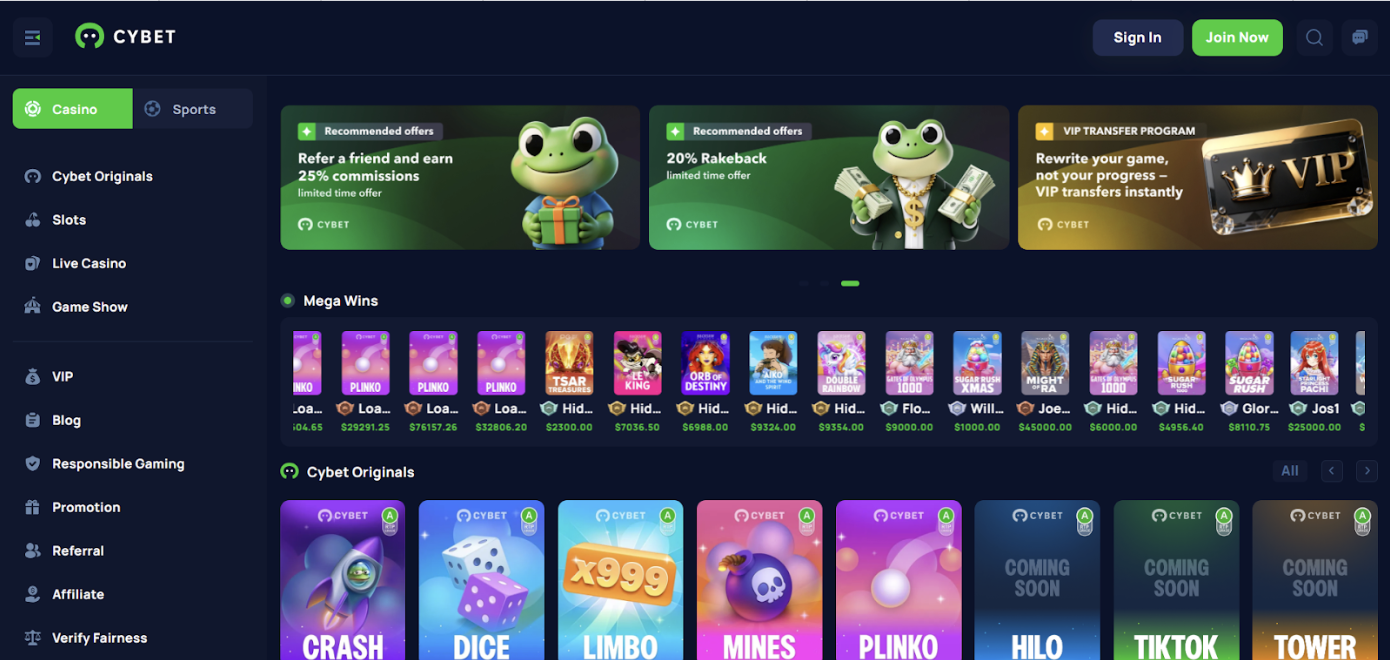
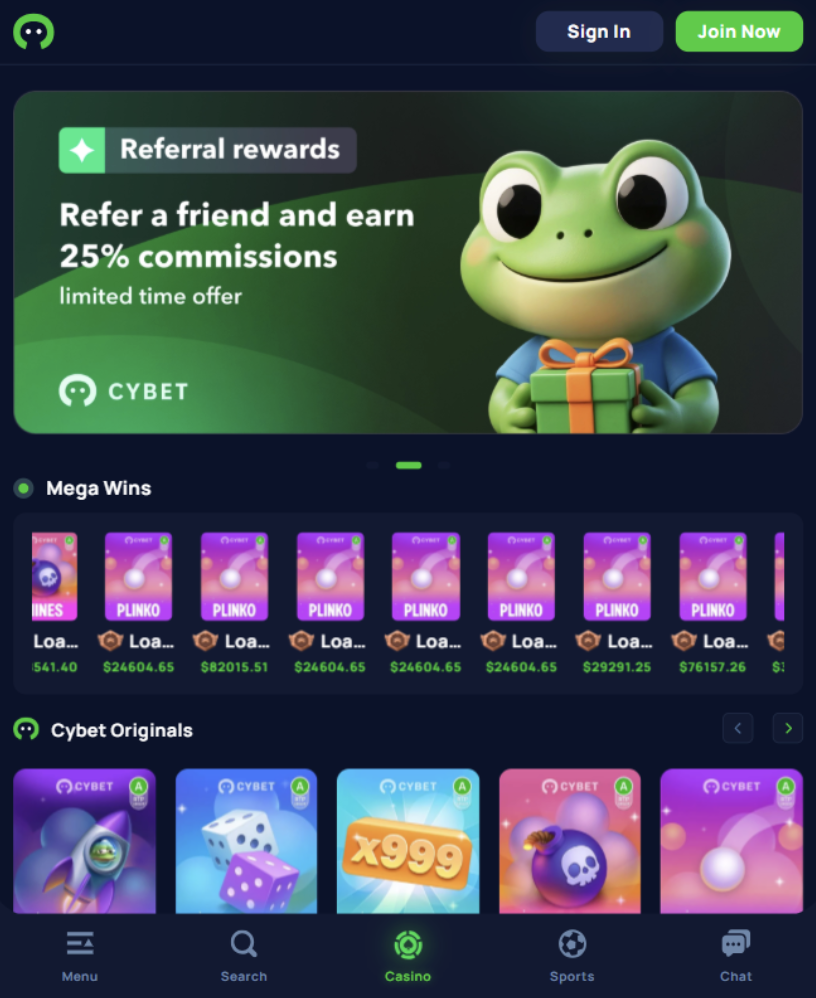
Cybet ranks here because it gets the crypto fundamentals right: fast anonymous sign-up, a broad coin-only cashier, and enough casino plus sportsbook depth for players who want one wallet across both verticals. It is strongest among privacy-minded crypto users who value quick deposits and regular play over simple bonus terms.
In testing, registration took under a minute and required only an email and a password. Deposits were confirmed within minutes, withdrawals did not trigger extra KYC, and the cashier supports 30+ cryptocurrencies with a typical $1 minimum deposit and $10 minimum withdrawal. The game lobby also feels practical, with 3,200+ titles, Cybet Originals, provider filters, and smooth performance on both MacBook Pro and iPhone 15.
The main drawback is the bonus system. The .b coin mechanics, RTP coefficients, 14-day expiry, and harsh cancellation penalty make Cybet better for experienced grinders than casual bonus hunters.
- Crypto-native cashier supporting over 30 cryptocurrencies
- Well-designed interface with attractive web design, strong filtering tools, and intuitive navigation
- Anonymous and fast registration with only email and password requirements
- Multiple responsible gambling tools are available
- Responsive customer support, accessible via 24/7 live chat and email
- Extensive game library with over 3,200 titles from 40+ software providers
- No centralized help desk
- Limited like dealer gaming variety
- Complex bonus mechanics with high wagering requirements
Year Founded
- 2025
Licenses
- Comoros Gambling License Authority
Cryptocurrencies
- Bitcoin
- Build'N'Build
- Dogecoin
-
+9
Available countries
- Afghanistan
- Albania
- Algeria
-
+216
Number of games
- 5401
Languages
- English
- Spanish
- Portuguese
-
+10


Vave is included for casino players who want a polished crypto-only site with serious game depth and fast wallet movement. It suits users who like browsing slots in demo mode, then switching into live tables or provably fair originals without changing payment rails.
In testing, account setup took under ten seconds after entering an alias, email, and password. A USDT TRC-20 deposit appeared within 1 minute of confirmation, and a withdrawal was approved after 4 minutes with no fee deducted. The casino also felt sharp on desktop and mobile, with provider filters, instant search suggestions, and heavier 3D slots still loading in under ten seconds.
The main drawback is that responsible gambling controls are support-triggered rather than self-service. Vave suits crypto-comfortable casino players, but users who want instant limit sliders may prefer a stricter setup.
- Staggering selection of over 10,000+ online slots
- Beautiful site that is quick and easy to navigate
- Choose from 18 different languages
- Claim a 150% Casino Welcome Bonus up to 1.5BTC + 100 Free Spins
- Just nine cryptocurrencies supported which is less than competitors
- The live chat function is only available after registration, making it hard for new players to ask questions
Year Founded
- 2022
Licenses
- Curaçao
Cryptocurrencies
- Bitcoin
- Bitcoin Cash
- Dogecoin
-
+55
Available countries
- Afghanistan
- Albania
- Algeria
-
+240
Number of games
- 16000
Languages
- English
- German
- Russian
-
+14

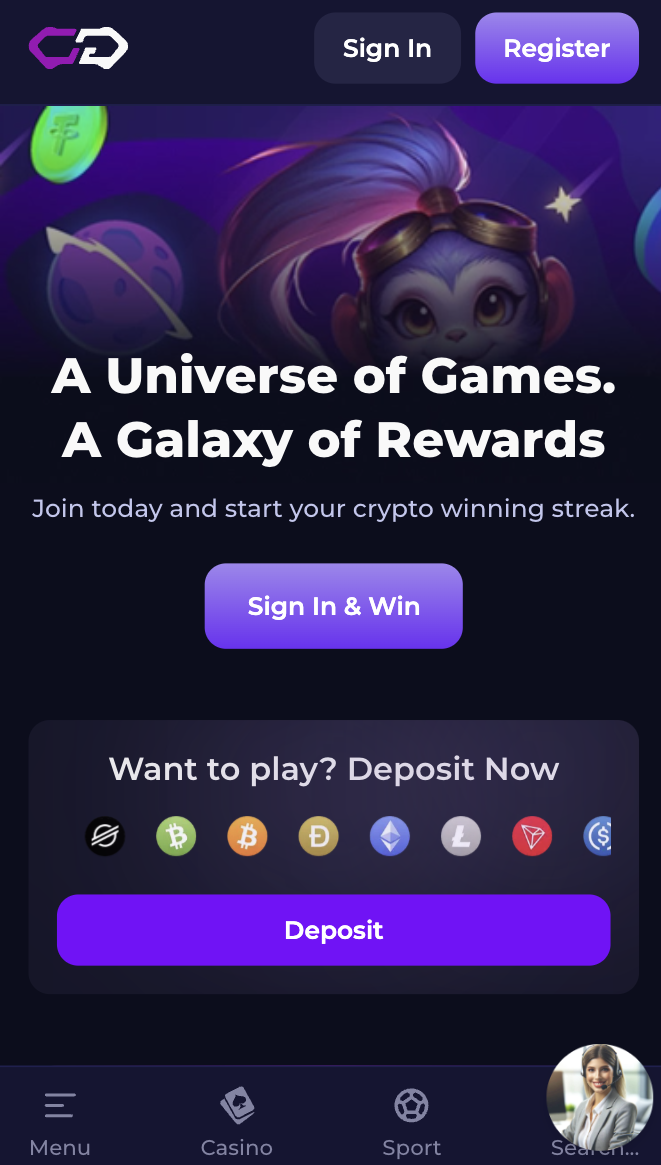
Crypto-Games ranks here for players who want a coin-only casino with provably fair mini-games and enough sportsbook coverage for occasional bets. Its best fit is a crypto regular who values on-chain payments, rakeback, and a large slot lobby more than polished bookmaker features.
In testing, registration took about 45 seconds, and 2FA was enabled from the settings menu before depositing. A 150 TRX top-up reached the balance in 90 seconds, while a 120 TRX withdrawal passed AML review in under four minutes before being sent on-chain. Game testing was solid too: sampled slots loaded in under four seconds, and the in-house Speed Crash game showed provably fair hashes in real time.
The trade-off is usability and support. The browser experience is functional but scored poorly for UX, and live chat coverage is narrower than advertised, so impatient players may prefer a more polished crypto casino.
- Over 6,600+ casino games
- Fast crypto deposits and on-chain withdrawals
- Generous welcome bonus up to 20,000 USDT
- Weekly rakeback and daily bonus wheel
- High wagering requirements on welcome bonus
- Limited live chat hours for support
Year Founded
- 2023
Licenses
- Costa Rica
Cryptocurrencies
- Tether
- Bitcoin
- Ethereum
-
+9
Available countries
- Afghanistan
- Albania
- Algeria
-
+246
Number of games
- 9183
Languages
- English
- Spanish
- Arabic
-
+9


Bets.io ranks here for players who want crypto-first casino depth with sportsbook extras, rather than a traditional betting site that merely accepts coins. Its strongest angle is semi-anonymous play with fast wallet movement, which suits slot grinders and multi-leg sports bettors who value quick access over heavy regulatory structure.
In testing, sign-up took 45 seconds, and the dashboard generated unique crypto deposit addresses immediately. A USDT deposit from a Ledger wallet reached the balance in 46 seconds, while a withdrawal was pushed to the blockchain 12 minutes after the cashier’s AML and 2FA checks. The casino also performed well: Sweet Bonanza 1000 loaded in 1.4 seconds, and Evolution’s Crazy Time ran at 720p on an iPhone 14 over 4G.
The drawback is safety depth. Bets.io offers 2FA and Anjouan licensing, but its below-average safety score and limited external responsible gambling partnerships may make cautious crypto players prefer stronger oversight.
- Huge welcome offers including a 1BTC 1st Deposit Match
- Partners with over 50 leading casino game developers
- Excellent customer service available 24/7
- Supports 12 key cryptocurrencies including Bitcoin, Tether and Litecoin
- Unavailable in many countries around the world
- Website only available in English
Year Founded
- 2021
Licenses
- Autonomous Island of Anjouan
Cryptocurrencies
- Bitcoin Cash
- Bitcoin
- Ethereum
-
+10
Available countries
- Afghanistan
- Albania
- Algeria
-
+243
Number of games
- 11595
Languages
- English
- German
- French
-
+8
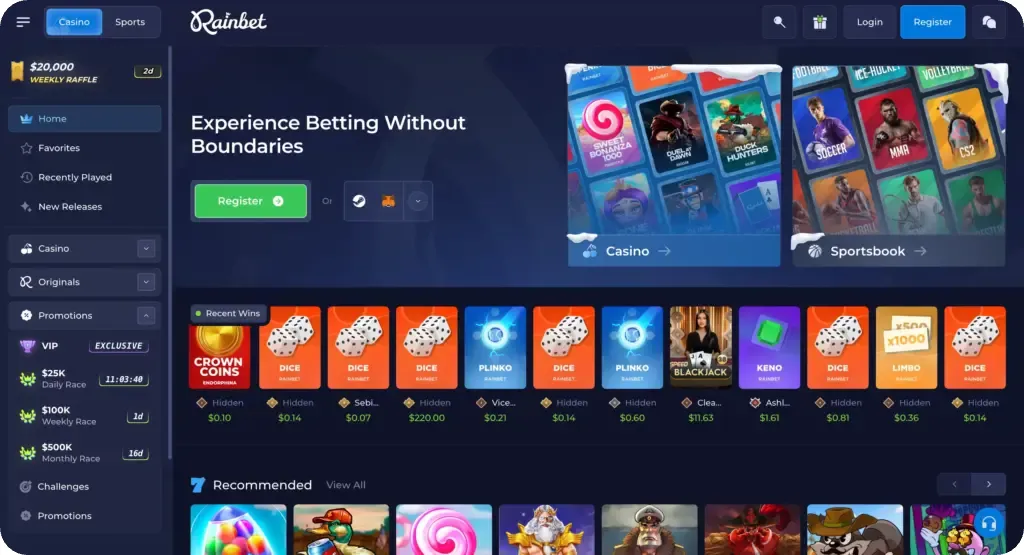
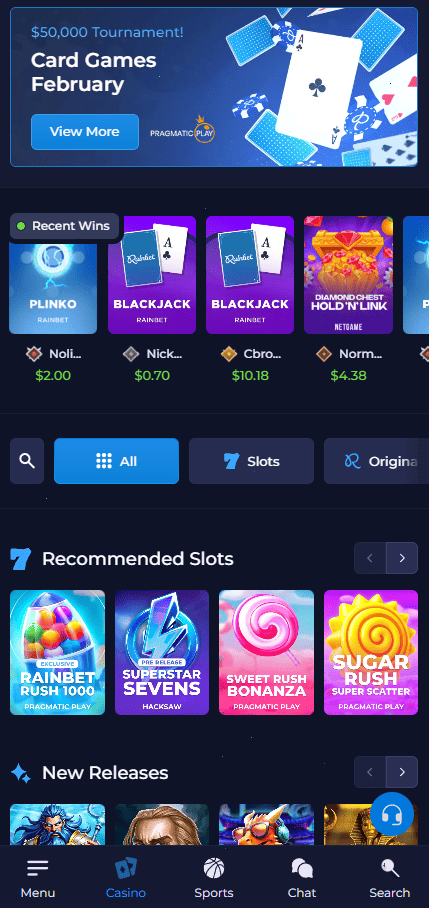
Rainbet is included for players who want access to both a casino and a sportsbook on the same crypto account. It is especially useful for users who switch between slots, esports, live betting, and fast coin payments without wanting separate wallets or logins.
In testing, registration took under a minute, and crypto deposits were credited within minutes after blockchain confirmation. Withdrawals are usually completed within 5–15 minutes, although Rainbet can still trigger KYC before approving a payout. The sportsbook is stronger than many casino-led crypto sites, with live odds updating quickly and bets accepted after only a brief review.
The weaker points are trust and player protection. Rainbet uses an Anjouan license; its responsible gambling tools are limited, and its reputation signals are mixed. It suits crypto-native casino and sportsbook players, but cautious users who want stronger regulatory oversight should avoid it.
- Large game library with over 6,000 titles available
- Fast deposits and withdrawals, often completed within minutes
- KYC-free signup allows quick and easy account creation
- 24/7 live chat support with fast response times
- Strong crypto support with over 20 supported currencies
- Wide sportsbook coverage including esports and niche markets
- Provably fair games increase transparency and player trust
- VIP program offers consistent rewards for regular players
- Offshore license offers weaker protection than major regulators
- Welcome bonus structure lacks clarity and consistency for users
- High wagering requirements reduce overall bonus value significantly
- Help center is limited with minimal supporting resources
- No dedicated mobile app, only browser-based mobile access
- KYC may be required later, delaying withdrawals unexpectedly
- Responsible gambling tools are limited compared to competitors
- Sportsbook odds margins higher than industry-leading platforms
Year Founded
- 2023
Licenses
- Comoros Gambling License Authority
Cryptocurrencies
- Bitcoin
- Ethereum
- Tether
-
+19
Available countries
- Afghanistan
- Albania
- Algeria
-
+237
Number of games
- 6956
Languages
- Arabic
- English
- Spanish
-
+6

N/A
Year Founded
- 2023
Licenses
- Curaçao
Cryptocurrencies
- Bitcoin
- Dogecoin
- Ethereum
-
+1
Available countries
- Argentina
- Australia
- Austria
-
+42
Number of games
- 8000
Languages
- English
- German
- Norwegian
-
+2

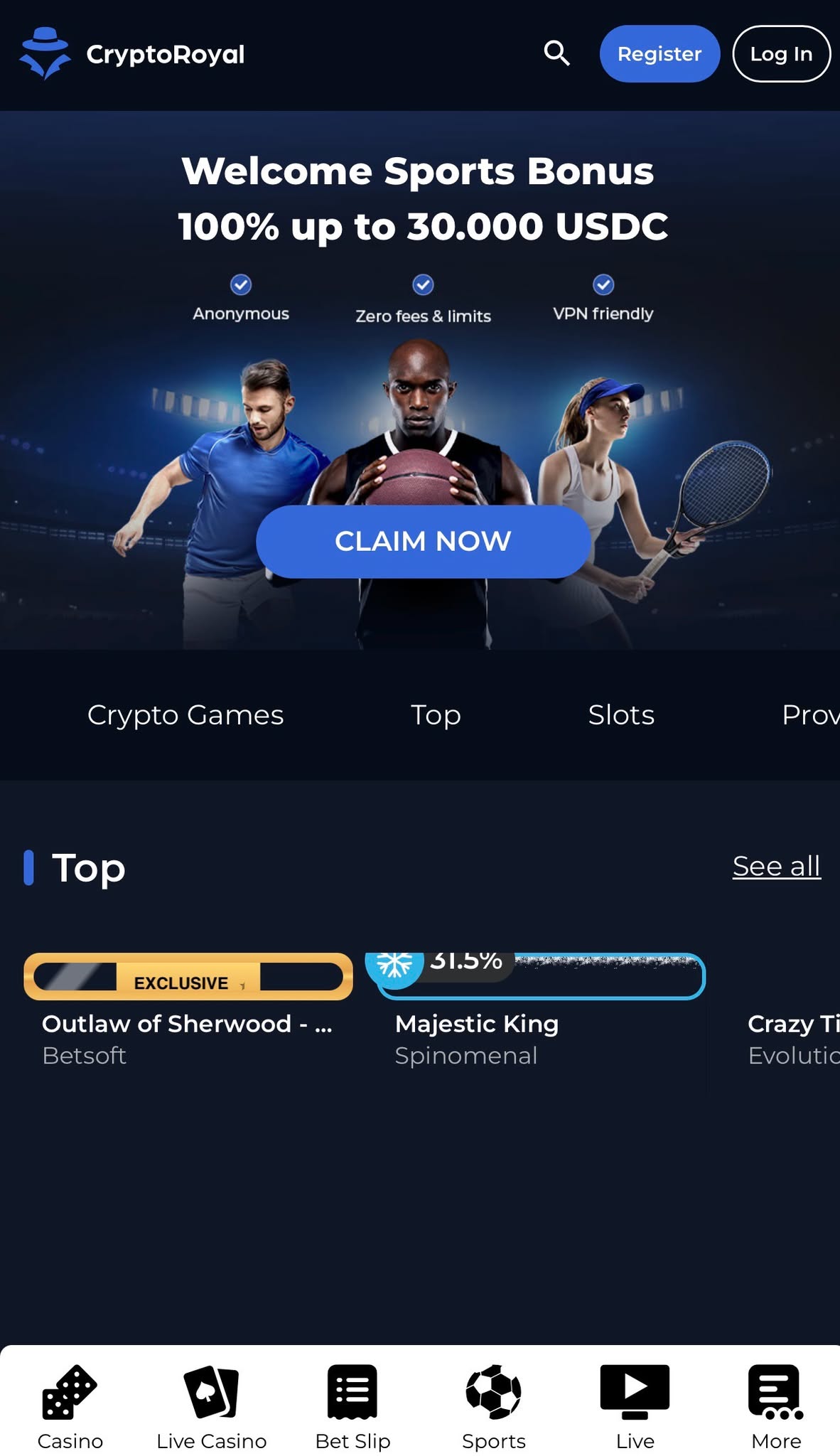
CryptoRoyal ranks here because it combines a serious casino lobby with a sportsbook that feels useful rather than tacked on. It suits mid-stakes crypto players who want one wallet for slots, live tables, and sports bets, especially if fast deposits matter more than deep VIP rewards.
In testing, a 624.41 µBTC deposit was credited quickly with only the blockchain miner fee charged. The site also performed well across devices: lobby pages loaded in under two seconds on desktop and iPhone, while Gates of Olympus opened in under three seconds with no frame drops during a 30-spin auto sequence. Support was competent too, with a live agent joining within two minutes and resolving a bonus rollover query in seven.
The main concern is control. Weekly withdrawals are capped at 5,000 USDC, bonus winnings are limited to 5x deposit, and responsible gambling tools rely heavily on support contact, so high rollers and safety-first players may prefer a stricter operator.
- Huge 1 BTC match plus weekly cashback
- Fast, near-instant crypto deposits and withdrawals
- Smooth browser-first UX loads under two seconds
- 24/7 customer support via live chat and email
- Solid sportsbook tools including cash out and builder
- Weekly withdrawals capped at 5,000 USDC
- Maximum bonus winnings capped at 5x deposit
- No structured VIP or loyalty ladder
- Self-exclusion and limits require support contact
- No live match streaming for in-play betting
Year Founded
- 2025
Licenses
- Comoros Gambling License Authority
Cryptocurrencies
- Bitcoin
- Ethereum
- Bitcoin Cash
-
+4
Available countries
- Albania
- Algeria
- American Samoa
-
+174
Number of games
- 7500
Languages
- English
- German
- French
-
+7

N/A
Year Founded
- 2023
Licenses
- Curaçao
Cryptocurrencies
- Bitcoin
- Tether
- Litecoin
-
+1
Available countries
- Argentina
- Australia
- Austria
-
+42
Number of games
- 10000
Languages
- English
- German
- Norwegian
-
+2

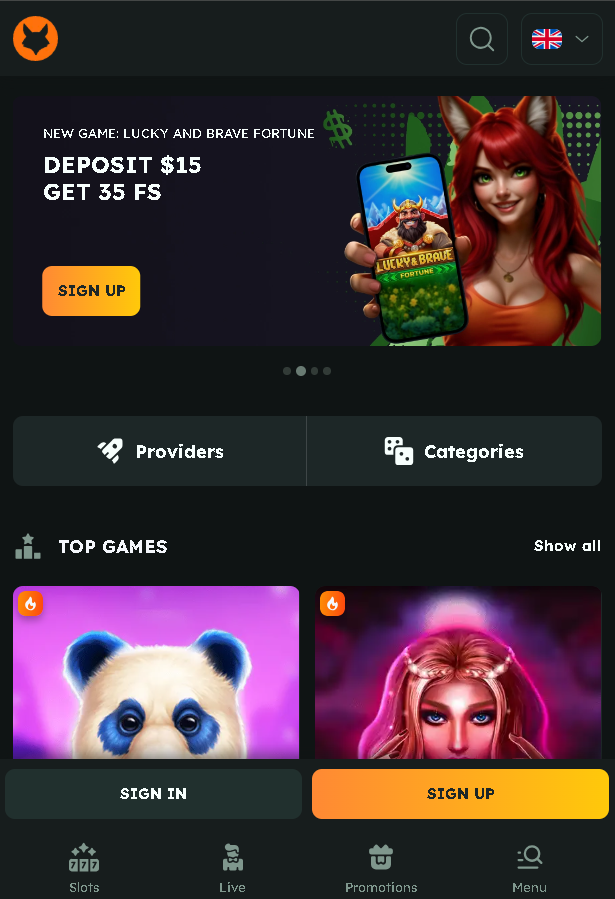
FoxSlots is a crypto-focused casino platform that delivers a fast, modern gaming experience with quick transactions and strong privacy features. It presents a diverse game library, rewarding bonuses, and a tiered VIP program that keeps frequent players engaged. However, its limited language options may not suit some players.
- 11,500+ games including 1,600+ live casino titles.
- Accepts 9 cryptocurrencies with no deposit or withdrawal fees.
- US players accepted, with under-2-minute registration.
- 11-tier VIP program delivers real cashback, rakeback, and cash bonuses.
- No casino license.
- Dormant accounts can be closed and balances retained after just 90 days of inactivity.
- Live chat is inconsistent.
- Limited responsible gambling tools.
Year Founded
- 2025
Cryptocurrencies
- Bitcoin
- Ethereum
- Tether
-
+7
Available countries
- Afghanistan
- Albania
- Algeria
-
+242
Number of games
- 9326
Languages
- English


MyBookie ranks here because the casino and sportsbook work well for casual crypto users, but the safety score keeps it below stronger options. It suits players who want quick Bitcoin banking and U.S.-leaning sports markets from the same account, rather than privacy-first users or those seeking tighter regulation.
In testing, a 524.41 μBTC deposit was credited after one confirmation in around three minutes. Registration took under three minutes, though it required full personal details and a 4-digit PIN before play. The casino side is practical rather than flashy, with 1,500+ slots, live dealer games, demo mode, and mobile load times around three to five seconds.
The drawback is trust. MyBookie has offshore licensing, manual RG tools, withdrawal-stage KYC, and a weak safety score, so cautious crypto casino players should avoid it.
- MyBookie casino supports major cryptocurrencies and quick withdrawals. The transactions are modern, secure, and fee-free
- The operator delivers a seamless platform for switching between a full sportsbook (U.S.-centric), eSports, racebook, and an integrated online casino all under one account
- There are live dealer games, which provide an engaging, real-time casino atmosphere
- Offers competitive odds and a wide range of markets specifically tailored for major U.S. leagues and daily events in sports betting
- Players can reach support service via Live Chat, phone, and email
- Withdrawals are restricted mainly to Bitcoin and Bank Wire Transfer, offering fewer fiat cash-out options compared to competitors
- MyBookie primarily focuses on cryptocurrencies for deposits, often limiting initial deposit options for those preferring eWallet or bank transfers
- Lacks modern conveniences like social media login options. Players have to undergo a longer, manual registration process
Year Founded
- 2014
Licenses
- Curaçao
Cryptocurrencies
- Bitcoin
- Ethereum
- Litecoin
-
+6
Available countries
- Canada
- United States
Number of games
- 2077
Languages
- English
Best Crypto Casinos by Player Need
To help you choose quickly, here are the best crypto casinos for different player needs in 2026, based on our testing of withdrawal speed, reputation, crypto support, and game selection. The operators below represent the strongest performers across key areas of crypto gambling.
| Best For | Casino |
|---|---|
| 🏆 Best Overall Crypto Casino | Cybet Casino |
| ⚡ Fastest Crypto Withdrawals | Vave |
| 🔒 Most Trusted Crypto Casino Reputation | Crypto Games |
| 🎲 Best Crypto Casino Games Library | Bets.io |
| 🔐 Best No-KYC Crypto Casino | Rainbet |
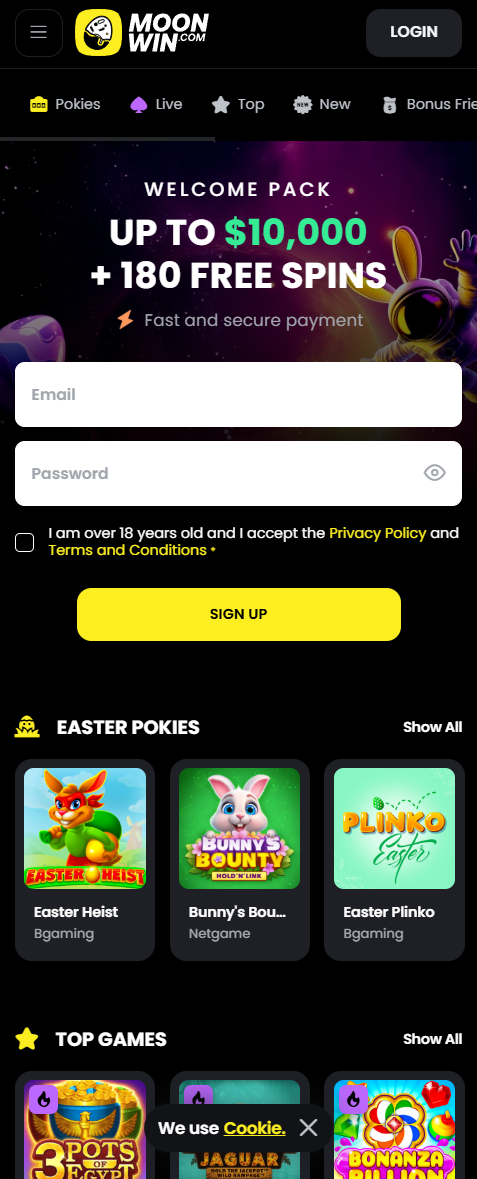
| 🎰 Best Crypto Casino for Provably Fair Games | MoonWin |
| 💰 Best Crypto Casino Bonuses | Crypto Royal |
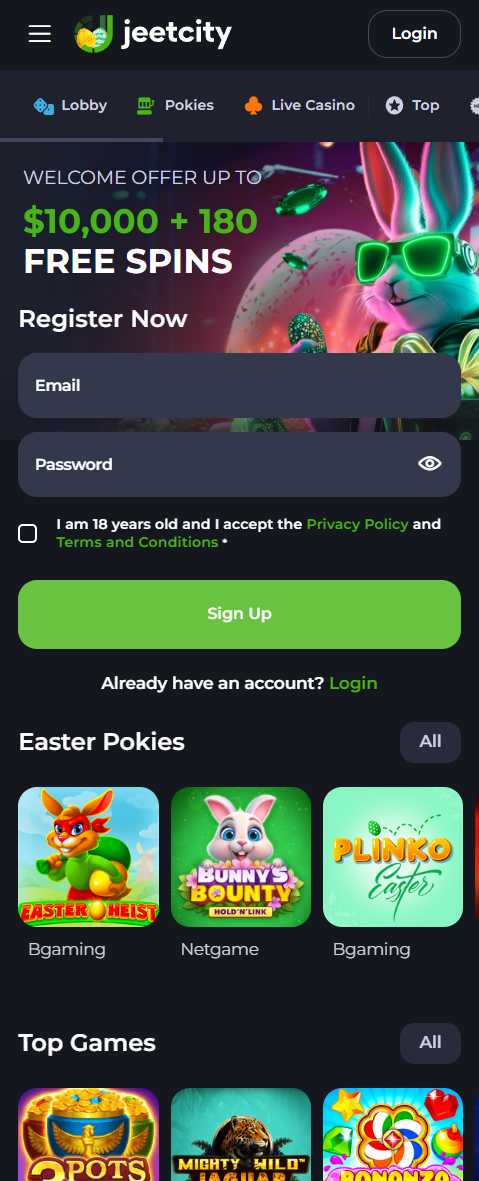
| 📱 Best Mobile Crypto Casino | Jeetcity |
| 🪙 Best Crypto Casino for Choice of Cryptocurrencies | FoxSlots |
| 🛡 Best Crypto Casino for Security & Player Protection | MyBookie Casino |
How to Choose the Best Bitcoin Casino
Choosing the best crypto casino isn’t about ticking every box. In our testing, most sites perform well in one or two areas but fall short in others, especially in withdrawals and hidden verification checks.
The key is knowing which factors matter most for your play style, and where operators typically cut corners.
- Withdrawal speed: Fast, reliable payouts are the most important factor for most players. In our testing, the best crypto casinos process withdrawals within minutes, while weaker platforms introduce delays or manual checks at the payout stage.
- KYC requirements: Many crypto casinos advertise “no KYC”, but verification is often triggered at withdrawal, especially for larger amounts. In our testing, the most reliable platforms are transparent about when checks apply, while weaker sites delay payouts with unexpected verification requests.
- Licensing and reputation: Many crypto casinos operate under offshore licenses, so the license alone isn’t enough. Consistent payout history, transparency, and long-term player feedback are stronger indicators of trust.
- Cryptocurrency support: Look beyond the number of coins. Network options (e.g., TRC-20 vs. ERC-20) affect fees and speed, and some casinos restrict certain networks for withdrawals, which can catch players off guard.
- Game selection: The best platforms combine large slot libraries with live dealer games and provably fair originals. A strong provider mix usually matters more than just raw game count.
- Bonus terms: High bonuses often come with stricter wagering requirements or hidden limitations. In many cases, casinos with the fastest payouts offer more modest but fairer promotions.
- User experience: Clean navigation, fast load times, and mobile optimization matter, especially for live betting or quick deposits. Poor UX is often a sign of deeper operational issues.
- Security and fairness: Look for SSL encryption, provably fair systems, and clear responsible gambling tools. Transparency around how games work is a key trust signal in crypto gambling.
How to Tell If a Crypto Casino Is Legit (7 Red Flags to Avoid)
In our testing, most issues with crypto casinos don’t occur at signup; they occur during withdrawal. Across user forums, reviews, and our own checks, the same patterns keep emerging: delayed payouts, hidden verification requirements, and vague bonus rules used to block withdrawals.
Below are the seven most common red flags and how to avoid them. If a casino triggers more than one of these issues, it’s usually a sign to avoid it entirely, even if bonuses or features look attractive.
| Red Flag | Risk | Quick Fix |
|---|---|---|
| 👥 Duplicate accounts | Wins frozen at the withdrawal stage | Stick to one account per household |
| ⏳ Long investigations | Withdrawals delayed or held indefinitely | Choose clear payout timelines |
| 🚫 Max bet rule | Bonus winnings voided | Lower stakes during bonuses |
| 🕵️♂️ Hidden KYC | Unexpected verification is blocking withdrawals | Read verification rules first |
| 🎧 Weak support | No help when stuck | Test chat before depositing |
| 🚨 Self-exclusion issues | Responsible gambling ignored | Use instant lock tools only |
| ❓ Vague bonus abuse rules | Wins confiscated | Avoid unclear T&Cs |
The ‘Duplicate Account’ Trap
We’ve seen repeated instances where casinos flag ‘duplicate accounts’ only after a large withdrawal request and then withhold payouts.
Use one account per IP or household. If multiple users share a household, contact support before depositing and request whitelisting.
Investigation Purgatory
Avoid BTC casinos that hold withdrawals under investigation for more than 48 hours without clear updates.
Basic checks, such as bonus abuse or arbitrage reviews, are standard, but in our testing, any casino holding funds for more than 48 hours without clear updates is a red flag. We prioritize operators with clear, time-based review processes.
The Maximum Bet Bonus Rule
The “Max Bet Rule” voids bonus winnings if bets exceed the stated limit while a bonus is active.
Check promotion terms for maximum bet limits. Following these rules prevents winnings from being voided.
Hidden KYC Verification
Many Bitcoin casinos advertise no-KYC but reserve the right to request verification at certain thresholds, often during withdrawals.
Choose sites with clear, tiered KYC rules outlining triggers and required documents. If unclear, contact support before depositing.
Customer Support Ghosting
Responsive support is a key trust signal, but some casinos rely on scripted replies, AI agents, or slow email responses.
Test live chat before depositing by asking about licensing or payout limits. If responses are unclear or delayed, proceed with caution.
Self-Exclusion Failures
Some Bitcoin casinos ignore self-exclusion requests or send bonuses to re-engage excluded players.
We only recommend casinos with instant, automated self-exclusion tools that cannot be reversed by support.
Low-Risk Betting Restrictions
Some terms restrict “low-risk wagering” during bonuses. For example, betting both red and black in roulette may be flagged as abuse.
Avoid casinos with vague rules on irregular play. Choose sites that clearly define allowed strategies or restrict games during bonuses.
Do Crypto Casinos Actually Pay Out?
Most reputable crypto casinos do pay out, often faster than traditional sites. However, in our testing, the biggest issues don’t happen at deposit; they happen at withdrawal, especially when verification or bonus rules are involved. The safest approach is to test a small withdrawal first. If a casino delays or complicates even a small payout, it’s a strong signal to avoid depositing larger amounts.
Legitimate platforms process withdrawals on-chain, making payouts faster and more transparent than at traditional casinos. The best sites automate this process, while weaker operators introduce manual reviews that slow things down. Many use automated systems that approve withdrawals instantly once security checks are complete. In most cases, top sites processed withdrawals within minutes, while weaker platforms introduced delays or manual checks.
Payout problems usually occur for three reasons: hidden KYC checks, bonus rule violations, or flagged account activity. These issues are rarely visible at signup but often triggered during withdrawal.
Reputation signals are key when assessing payout reliability. Established casinos with strong player feedback, active communities, and provably fair systems are less likely to delay or deny withdrawals. To avoid issues, check withdrawal limits, network confirmations, and bonus wagering requirements before requesting a payout. Testing a small withdrawal first helps confirm payouts run smoothly before larger sums.
What Are Crypto Casinos?
A crypto casino is an online gambling platform that accepts cryptocurrencies such as Bitcoin, Ethereum, Litecoin, and stablecoins for deposits and withdrawals, rather than traditional payment methods. These sites operate like standard online casinos but use blockchain transactions to move funds between players and the platform. Because transactions occur on public ledgers, payments are often faster and involve fewer intermediaries than fiat casinos.
Many crypto casinos also use provably fair gaming, where cryptographic algorithms allow players to verify that outcomes are not manipulated. This transparency is a key difference from traditional casinos, where players rely on the operator and game provider. While legitimate platforms still have a house edge, blockchain payments, broad crypto support, and verifiable game mechanics have made crypto casinos popular among players seeking faster withdrawals, more privacy, and transparent gameplay.
How to Deposit and Withdraw at Crypto & Bitcoin Casinos
Depositing and withdrawing at crypto casinos is straightforward, but small mistakes, especially with wallet addresses, networks, or verification, can delay payouts or result in lost funds. Below is a step-by-step guide, along with key checks to avoid common issues during transactions.
Depositing Funds into a Bitcoin Casino
- Log In or Register: Create an account. Most sites require only an email or allow wallet connection for no-KYC access.
- Go to the Cashier: Select “Deposit” and choose Bitcoin.
- Copy the Address or Scan the QR Code: Double-check you’re sending to a Bitcoin address (starting with 1, 3, or bc1). Bitcoin does not use multiple networks like ERC-20 or TRC-20, but avoid sending wrapped BTC or exchange-only formats. Sending funds to the wrong address or an unsupported format can result in permanent loss, so always double-check before confirming the transaction.
- Send Funds: Use wallets like Electrum, BlueWallet, Ledger, or Exodus. Bitcoin targets 10-minute blocks, but transactions often take longer. Deposits typically take 10–30 minutes, though Lightning deposits are instant and have low fees.
- Claim Your Bonus: Many casinos credit bonuses once the deposit has been made.
Withdrawing Funds From a Bitcoin Casino
- Select “Withdraw” in the Cashier: Choose Bitcoin.
- Enter Your Wallet Address: Double-check all characters, as transfers are irreversible.
- Confirm the Amount: Fees vary based on network demand and may increase during periods of congestion.
- Wait for Confirmation: Lightning withdrawals can be instant, while standard withdrawals take 10–60 minutes. Some casinos process withdrawals manually, adding extra time.
Tips for Smooth Bitcoin Casino Transactions
- Always double-check the address and coin, as crypto transactions cannot be reversed.
- Keep a small balance for network fees, as they can fluctuate during periods of congestion.
- Use a separate wallet for gambling to reduce risk and simplify tracking.
- Avoid public Wi-Fi when accessing wallets or casino accounts.
- Test withdrawals early to confirm payout speed and any verification requirements.
Bitcoin vs. Altcoins: Which Crypto is Best for Casinos?
Bitcoin is the default choice for crypto casinos due to its trust, liquidity, and near-universal acceptance. However, it’s not always the most practical option. In our testing, players making frequent or smaller deposits often benefit more from faster, lower-fee altcoins, while Bitcoin remains the better choice for larger balances and long-term play.
BTC remains the most trusted and widely used cryptocurrency for casino gaming, accounting for 77% of global iGaming traffic in 2025. This recognition gives Bitcoin the deepest liquidity, but it also has drawbacks compared to some altcoin casinos.
Here’s how they compare:
| Factor | Bitcoin (BTC) | Altcoins (LTC, TRX, SOL, USDT, etc.) |
|---|---|---|
| Speed | 10–30 mins on-chain, instant if Lightning is supported | Often near-instant (seconds) |
| Fees | Can spike when the network is busy | Generally lower and more predictable |
| Stability | Volatile, long-term “store of value” for many users | Mix of stablecoins (USDT), majors, and volatile memes |
| Acceptance | Supported at almost every crypto casino | Wide but varies a lot by coin |
| Privacy perception | Seen as “private”, but fully traceable on-chain | Some chains/coins are cheaper to “rotate” balances |
| Best suited for | Larger deposits, players already holding BTC, trust-first | Small/mid stakes, bonus hunters, fee-sensitive players |
When Bitcoin Is the Better Choice
- Your balance is already in Bitcoin, and you want to avoid switching coins
- You prioritize trust, reputation, and liquidity over small fee savings
- You target bonuses and VIP programs built around Bitcoin
- You make larger, less frequent deposits where fees and delays matter less
- Your casino supports Lightning, removing speed and fee concerns
When Altcoins Are the Better Choice
- You are a small-stakes player and want to minimize network fees
- You make frequent deposits where speed and cost matter more
- You want to avoid volatility, making stablecoins like USDT preferable
Are Crypto Casinos Safe, Legal, and Private?
Crypto casinos can be safe to use, but they are not risk-free, fully anonymous, or legal in every region. In practice, the safest platforms operate transparently, pay out consistently, and clearly outline their verification and licensing policies, while weaker sites often fail at the withdrawal stage.
The difference between a safe and unsafe crypto casino usually comes down to payout reliability, transparency around KYC, and overall reputation.
Registering with an email or wallet does not guarantee anonymity. Bitcoin transactions are recorded on a public blockchain and can be traced through wallet activity, especially when funds are moved to regulated exchanges. Casinos also log IP addresses, device data, behavior patterns, and wallet activity as part of standard operations.
Demand for no-KYC casinos is growing, but that doesn’t mean no verification at all. More often than not, KYC is not required at registration but may be triggered during large withdrawals, suspected bonus abuse, AML thresholds, or other risk flags.
Bitcoin still offers more privacy than fiat. There are no bank statements showing gambling transactions, no blocked deposits, and no risk of account restrictions due to gambling activity. While crypto avoids bank restrictions and transaction blocks, it also removes many of the consumer protections available with traditional payment methods.
Most Bitcoin casinos operate under offshore licenses, typically from Curaçao or Antigua and Barbuda. Player protection varies, so reputation, operating history, and user feedback are critical when assessing trust.
The legality of crypto gambling sites varies by country, and players are responsible for ensuring compliance with local laws. Most crypto casinos operate offshore, which means access is often possible even in restricted regions, but legal protections may be limited.
Pros and Cons of Crypto Casinos
Bitcoin casinos offer faster payments, greater privacy, and provably fair games than many traditional sites. Still, they also come with trade-offs such as offshore licensing, price volatility, and fewer dispute options if something goes wrong. If you want speed and flexibility, they’re a strong option, but you should still choose reputable operators and treat bonus and KYC promises with caution.
Here are the key advantages and disadvantages of BTC casinos versus traditional fiat operators:
| ✅ Pros of Bitcoin Casinos | ❌ Cons of Bitcoin Casinos |
|---|---|
| 💸 Generous Bonuses: Crypto casinos often offer larger bonuses, though terms can be stricter and should be checked carefully. | ⚖️ Offshore Licensing: Many operate under offshore licenses with limited regulatory oversight. |
| 🔒 Transparent Transactions: On-chain payments make deposits and withdrawals visible and verifiable, reducing hidden processing issues. | 🚫 Legal Uncertainty: Crypto gambling laws vary by country and may restrict access or protections. |
| 🕵️♂️ Greater Privacy: Wallet-based play avoids bank tracking, but on-chain activity is still traceable, and KYC may be required at the time of withdrawal. | 🔍 Hidden Verification Triggers: “No-KYC” sites may still request ID during withdrawals, especially for larger amounts. |
| ⚡ Faster Transactions: Many crypto casinos offer quicker payouts than fiat sites, especially with altcoins or Lightning, though BTC can slow down during congestion. | 💳 Limited Fiat Support: Crypto-first platforms may not support traditional payment methods. |
| 🧠 Provably Fair Games: Some games allow players to independently verify outcomes, adding transparency. | 🎰 Game Selection Trade-Offs: Some sites prioritize originals over traditional table games and slots. |
| 🌍 Global Access: Crypto removes many banking and currency barriers, making platforms widely accessible. | 🧾 Irreversible Payments: Crypto transactions cannot be reversed if sent incorrectly. |
| 🪙 Innovative Features: Many platforms offer token rewards, gamified systems, and unique crypto-native features. | 🧑⚖️ Limited Dispute Options: Offshore operators offer fewer protections if withdrawals are delayed or denied. |
| ⚡ Fewer Payment Restrictions: Deposits are rarely blocked by banks or payment providers. | 📉 Price Volatility: Coin value fluctuations can affect your balance and winnings. |
Responsible Gaming at Bitcoin Casinos
To gamble responsibly at Bitcoin casinos, set limits before depositing, take regular breaks, and use tools like deposit caps, session timeouts, loss limits, and self-exclusion if play becomes compulsive. Because crypto deposits feel instant and less tied to real money, treat Bitcoin gambling as entertainment only and never chase losses.
When gambling at Bitcoin casinos, look for these responsible gambling tools:
- Deposit Limits: Set a maximum deposit over a chosen timeframe to control spending.
- Time Limits: Set session durations to encourage regular breaks.
- Loss Limits: Cap total losses over a set period to reduce risk.
- Self-Exclusion: Voluntarily block access for a chosen duration to break harmful patterns.
- Reality Check Notifications: Reminders of time spent and money wagered to promote awareness.
- Wager Limits: Limit the amount per bet to manage spending.
- Cool-Off Periods: Temporary breaks without full self-exclusion.
- Activity Statements: Detailed betting history to track patterns and adjust behavior.
For more information, please read our responsible gambling guide.
Our Verdict on Crypto and Bitcoin Casinos
For September 2026, our crypto casino experts recommend Cybet Casino as the top Bitcoin casino overall, thanks to fast BTC payouts, low-KYC access, strong security signals, and a wide range of provably fair games. If you want a reliable BTC-first casino with simple wallet-to-casino deposits and smooth withdrawals, it’s the best place to start.
Despite the growth of faster, cheaper altcoins, Bitcoin casinos still lead in liquidity, trust, and global acceptance. BTC remains the preferred currency for depositing, holding, and withdrawing, and leading crypto casinos are built around it.
Bitcoin casinos offer private wallet-to-casino transactions, provably fair systems, and a wide range of crypto-compatible games. Lightning support is accelerating adoption, enabling near-instant, low-fee payments that rival altcoins.
However, there are downsides, including slower on-chain confirmations, variable fees, and offshore licensing with lower protections. Choosing trusted operators with a proven track record is essential.
Overall, if you value reliability, liquidity, and simplicity without having to manage multiple networks or tokens, Bitcoin casinos remain one of the most dependable entry points into crypto gambling.
References & Resources
We rely on recognized authorities in gambling regulation, blockchain security, and responsible gaming to ensure our guides remain factual, transparent, and up to date.
- Curaçao eGaming Authority – Official licensing information.
- Malta Gaming Authority (MGA) – iGaming regulatory framework.
- BeGambleAware – Responsible gaming resources.
- Bitcoin.org: Securing Your Wallet – Bitcoin wallet security guidance.
- Chainlink VRF – Verifiable randomness for provably fair gaming.
Questions Players Ask About Crypto Casinos
-
01.
Are no-KYC crypto casinos really anonymous?
No-KYC crypto casinos offer greater privacy, but they are not completely anonymous. Most allow you to register and start playing without submitting identity documents, often requiring only an email address and a crypto wallet.
However, many platforms still reserve the right to request verification later. Large withdrawals, suspicious activity, or regulatory checks can trigger identity requests. Crypto transactions are also pseudonymous rather than fully private. In practice, no-KYC casinos reduce how much personal information you share upfront, but they do not guarantee total anonymity.
-
02.
How long do crypto casino withdrawals usually take?
Crypto casino withdrawals are usually processed within a few minutes to an hour, although exact times depend on the platform, the cryptocurrency network, and whether the withdrawal triggers manual checks. Many crypto casinos process payouts automatically once the request is approved and the transaction is confirmed on the blockchain.
In our testing, withdrawals at major platforms were consistently fast. BC.Game processed most payouts in 5–15 minutes; Stake withdrawals were often completed within 30 minutes once approved; and Vave typically processed withdrawals in 10 minutes. Delays are rare but can occur during network congestion or if a large withdrawal triggers a verification check.
-
03.
What are wagering requirements in crypto casino bonuses?
Wagering requirements are the number of times you must bet a bonus before you can withdraw any winnings. For example, a 40x wagering requirement on a $100 bonus means you must place $4,000 in bets before the bonus funds become withdrawable.
The exact requirements vary by casino and promotion. Sportsbooks’ promos are usually lighter, often requiring around 10x wagering on qualifying bets. Always check the bonus terms, as game contributions and maximum bet limits can affect how quickly wagering requirements are met.
-
04.
What are provably fair games in crypto casinos?
Provably fair games use cryptographic algorithms that allow players to verify the fairness of each result themselves. Instead of trusting the casino or a third-party auditor, players can verify a game’s outcome using data such as server and client seeds and hashes generated after the round.
In simple terms, both the player and the casino contribute random inputs that determine the result. After the game ends, the system reveals the data used to generate the outcome, allowing players to verify it with a provably fair calculator. This technology is common in crypto casino games like crash, dice, roulette, and Plinko, where transparency and blockchain-style verification are major selling points.
-
05.
Which cryptocurrencies do crypto casinos accept?
Most crypto casinos accept major cryptocurrencies such as Bitcoin, Ethereum, Litecoin, and stablecoins like USDT or USDC. These coins are widely supported because they are liquid, easy to transfer, and supported by most crypto wallets and exchanges.
Different cryptocurrencies suit different purposes. Bitcoin is the most common because of its popularity and liquidity, while Ethereum and stablecoins offer fast transactions and stable values. Some casinos also support privacy coins like Monero for greater anonymity, or faster networks such as Litecoin, Solana, or TRON. The exact list varies by casino, but most platforms now support several major coins.




We may earn an affiliate commission when you click links on this page. You agree to our terms and conditions and privacy policy when using this website. All reviews and recommendations are produced in line with our Editorial Standards. Participation in online gambling may be illegal in your country and is subject to age restrictions (18, 19, or 21, depending on the jurisdiction). Verify legality and age requirements before participating.

 You’re in. Thanks for joining our newsletter.
