


TRC-20 wallets have become essential tools for anyone using USDT on the TRON network. With low fees, fast confirmations, and widespread global adoption, selecting the right TRC-20 wallet ensures your funds remain secure and accessible.
CryptoManiaks ranks the best TRC-20 wallets of 2025 based on security, usability, chain support, and value.
Key Takeaways
- TRC-20 wallets remain the most cost-efficient way to store and transfer USDT and other altcoins, thanks to TRON’s extremely low network fees.
- The best TRC20 wallets combine strong security architecture with modern UX and reliable cross-chain support.
- A proper USDT TRC20 wallet must support fast transactions, easy backups, and safe long-term storage while maintaining privacy.
Best TRC-20 Wallets Listed & Ranked
-
 PromotionsCoins


-
 Coins
Coins

-
 Coins
Coins
-
 PromotionsCoins



-
 PromotionsCoins
-
 Coins
Coins
Best TRC-20 Wallets Reviewed


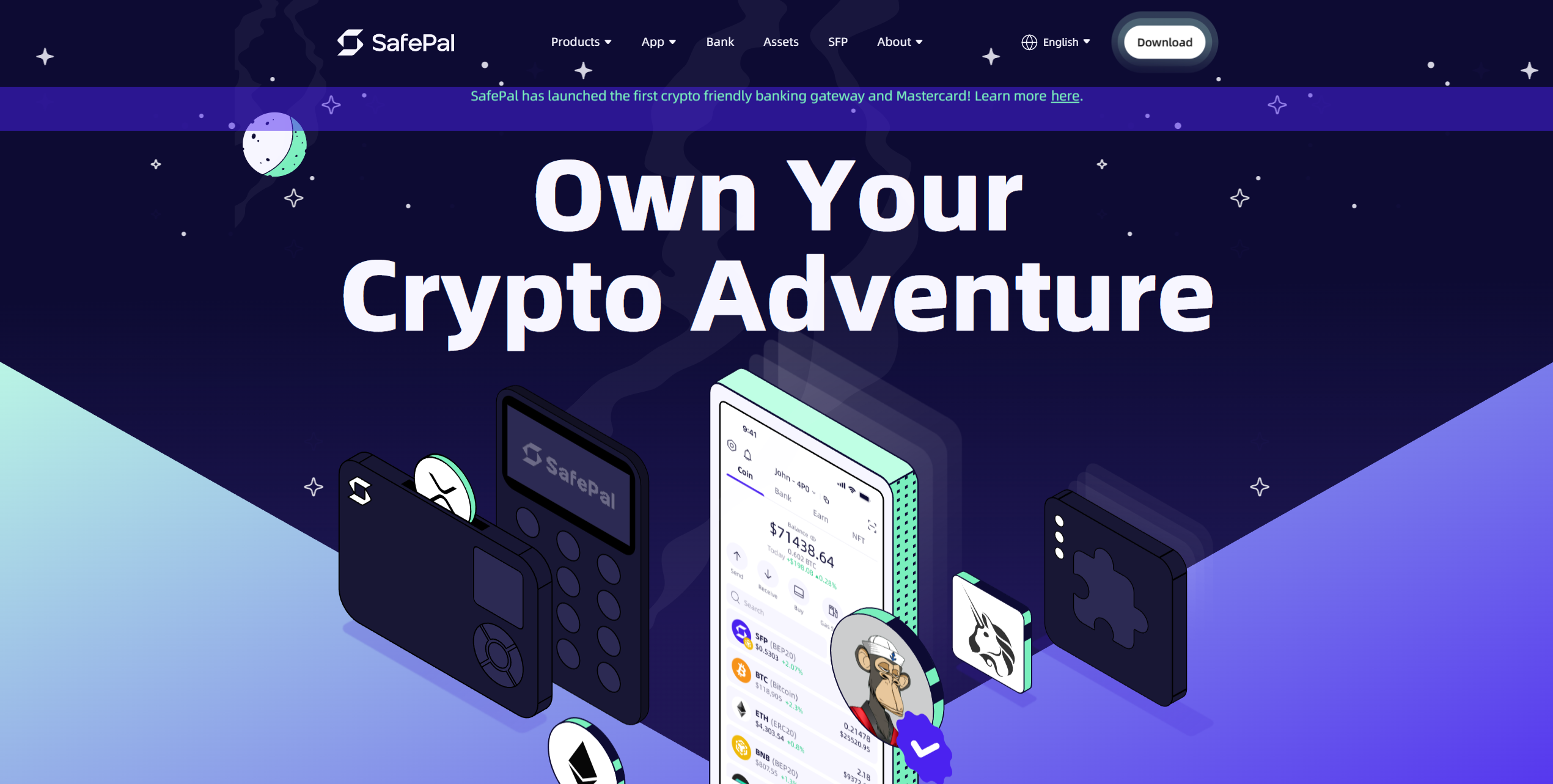
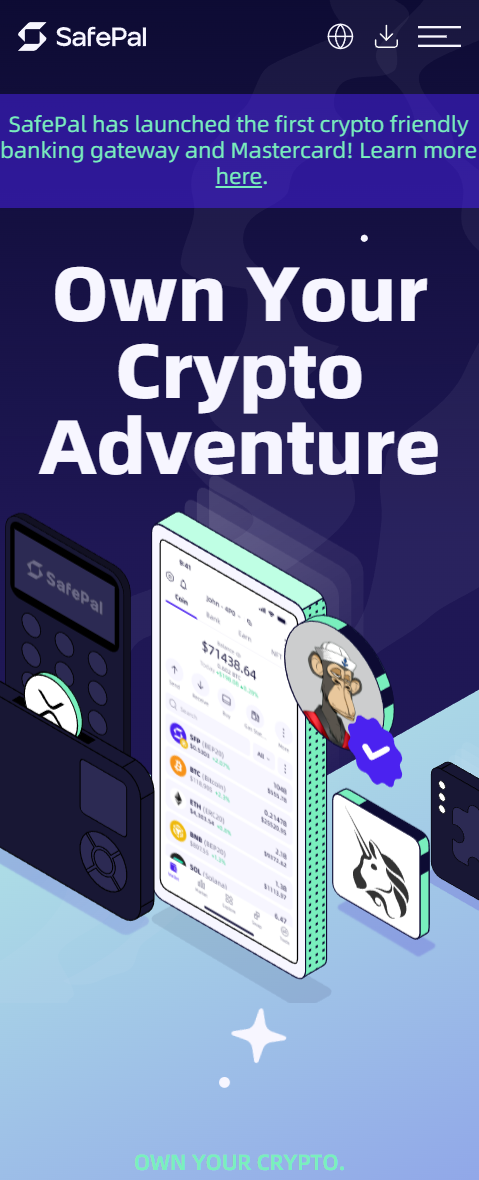
Safepal offers a complete suit of assets operations, with hardware and software wallets that are all multichain and multi-sig in nature. They do not just allow you to store and secure your assets, you can also swap, trade, buy and sell, and above all stake some of your assets to make profits. Safepal is fully anonymous and completely self-custodial, though its source is not 100% open. It supports assets across hundreds of chains and allows integration with lots of DEFIs and DAAPs. Above all, you are allowed to backup your almighty seeds both manually and on the cloud.
Year Founded
- 2018
Cryptocurrencies
- Bitcoin
- Ethereum
- Tether
-
+89
Available countries
- Afghanistan
- Albania
- Algeria
-
+246
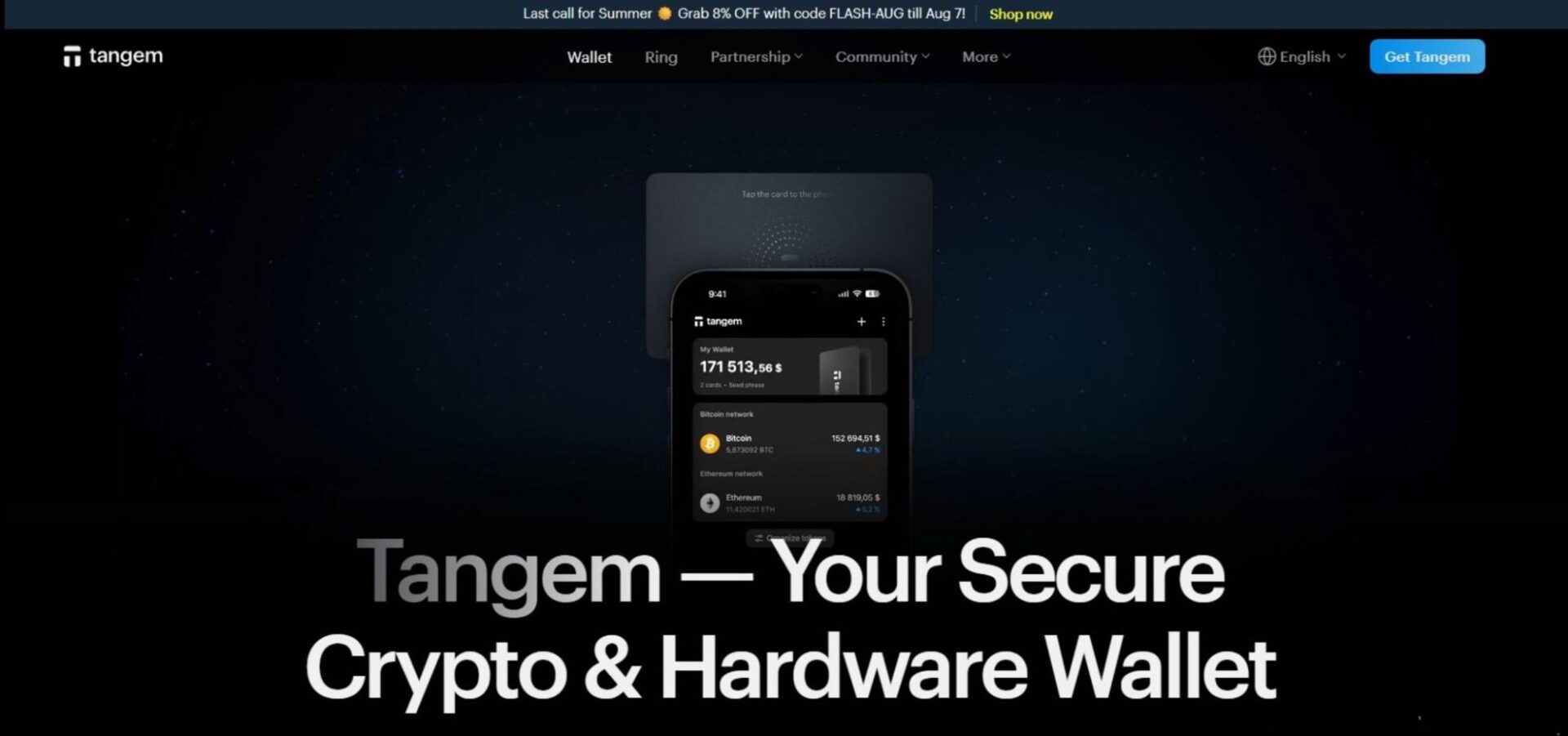
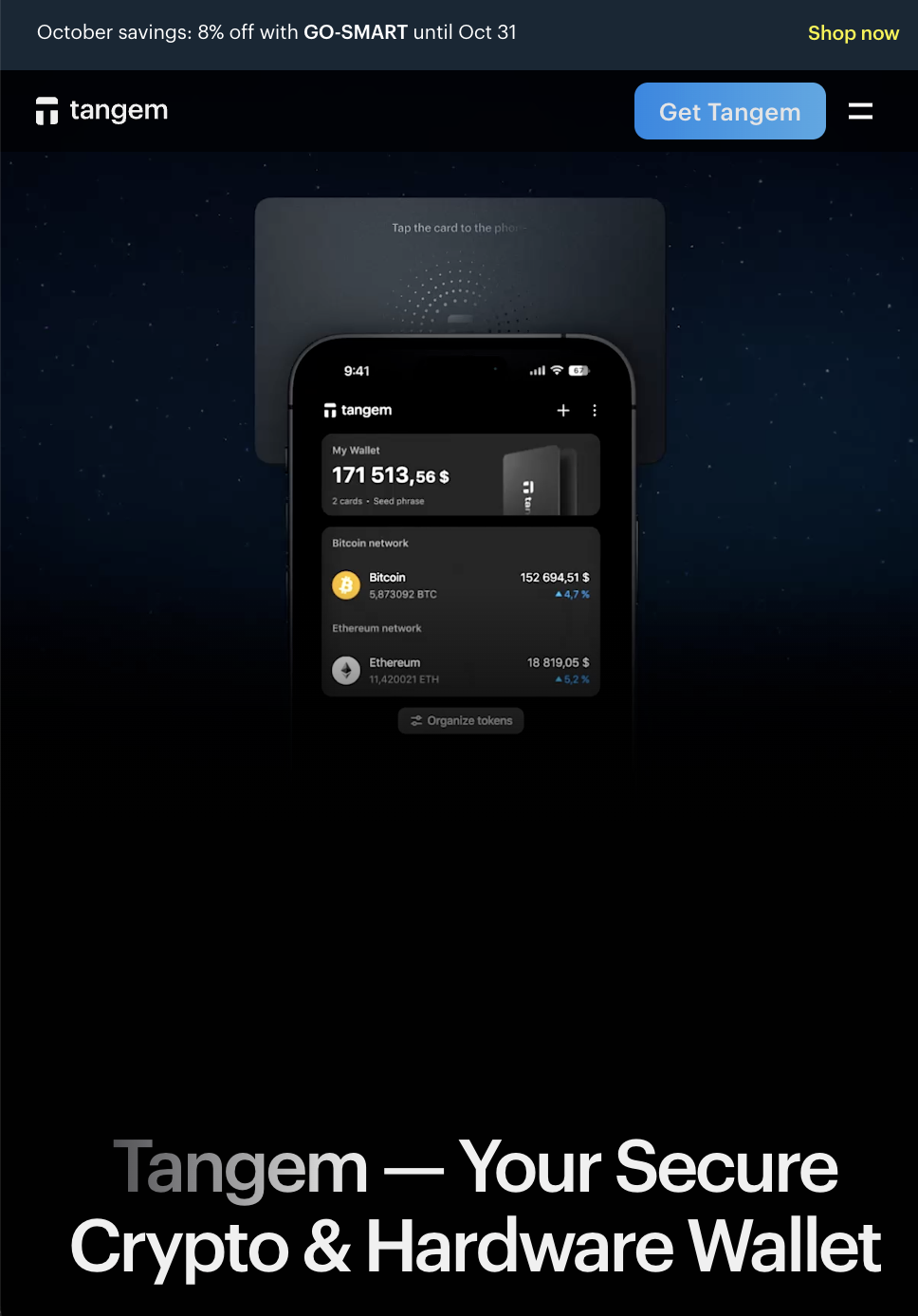
Year Founded
- 2017
Headquarters
- Switzerland
Licenses
- N/A - Not disclosed
Cryptocurrencies
- Bitcoin
- Ethereum
- Tether
-
+70
Available countries
- Albania
- Algeria
- American Samoa
-
+228
Languages
- English
- German
- French
-
+6
Features
- Tangem Pay
- Tangem Academy
-
+11
Get $10 in Bitcoin when you register through a referral link from an existing member.


Established in 2011, Kraken is a trusted cryptocurrency exchange renowned for its longevity and diverse trading interfaces, catering to a broad user base.
- Supports hundreds of coins
- High liquidity
- Simple and user-friendly interface
- Good customer support options
- Lots of advanced trading features like margin, futures, and indices trading
- No insurance fund for assets on the platform
- Doesn’t offer a crypto credit card
- No personal wallet service for traders
- Supports only a few fiat currencies
Year Founded
- 2011
Headquarters
- United States
Licenses
- United States (IRS)
- Canada (CRA)
- United Kingdom (HMRC)
-
+7
Cryptocurrencies
- Bitcoin
- Ethereum
- Tether
-
+83
Available countries
- Afghanistan
- Albania
- Algeria
-
+240
Languages
- Chinese (Mandarin)
- English
- French
-
+10
Features
- Cryptowatch
- Forks
-
+29


Uphold Crypto Exchange, founded in the United States in 2014, is a global digital money platform that enables users to buy, sell, and trade various cryptocurrencies.
Year Founded
- 2015
Headquarters
- Bahamas
Licenses
- United States (IRS)
- United Kingdom (HMRC)
- Lithuania
Cryptocurrencies
- Tether
- TrueUSD
- USD Coin
-
+144
Available countries
- Australia
- Canada
- France
-
+9
Languages
- English
- Spanish
Features
- Metals
- National Currencies (Forex)
-
+5
Don’t invest unless you’re prepared to lose all the money you invest.
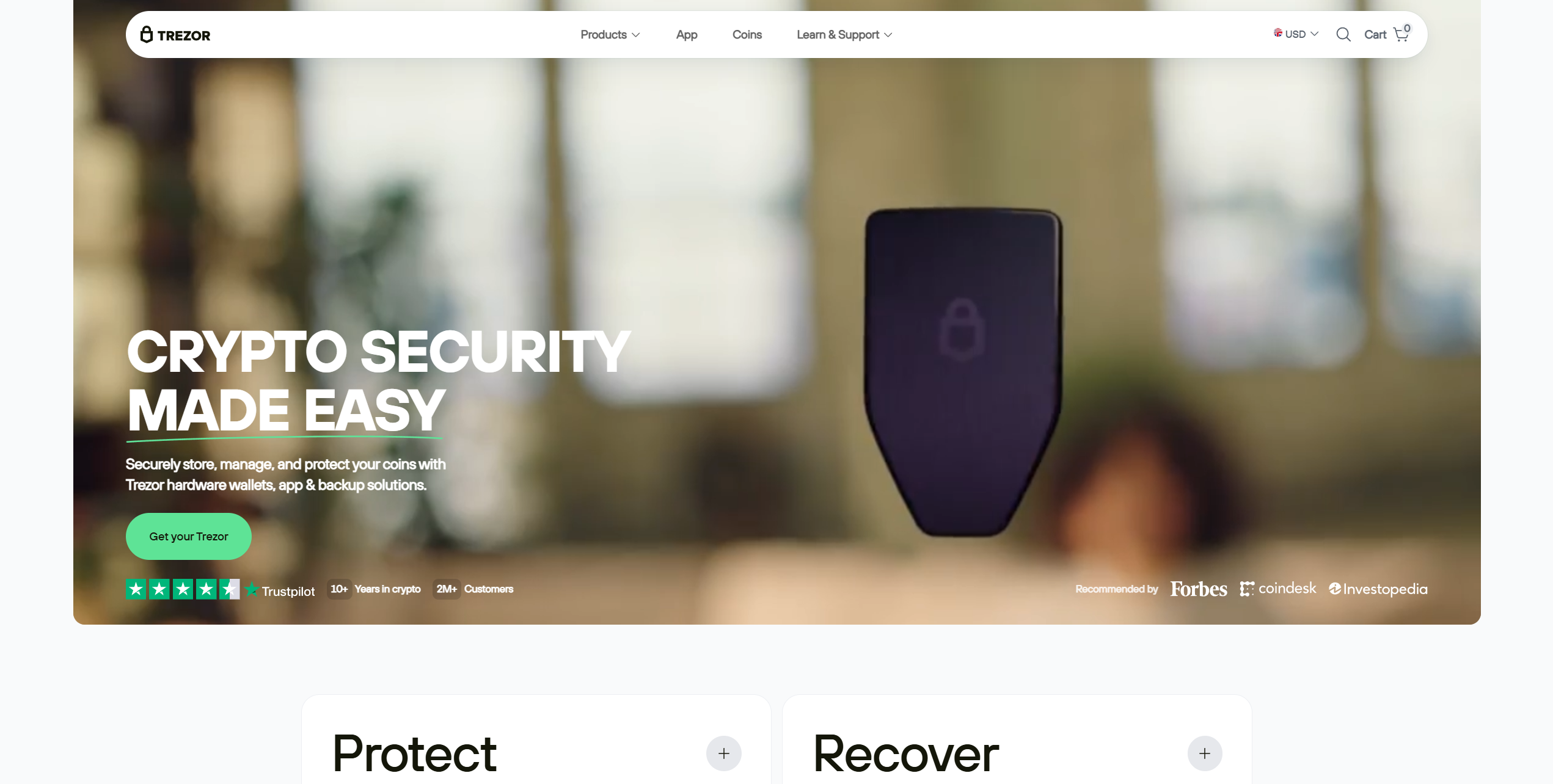
Year Founded
- 2013
Headquarters
- Czech Republic
Licenses
- N/A - Not disclosed
Cryptocurrencies
- Bitcoin
- Ethereum
- Tether
-
+204
Available countries
- Afghanistan
- Albania
- Algeria
-
+246
Languages
- English
- Czech
Features
- Trezor Keep
- Trezor Expert Onboarding Session
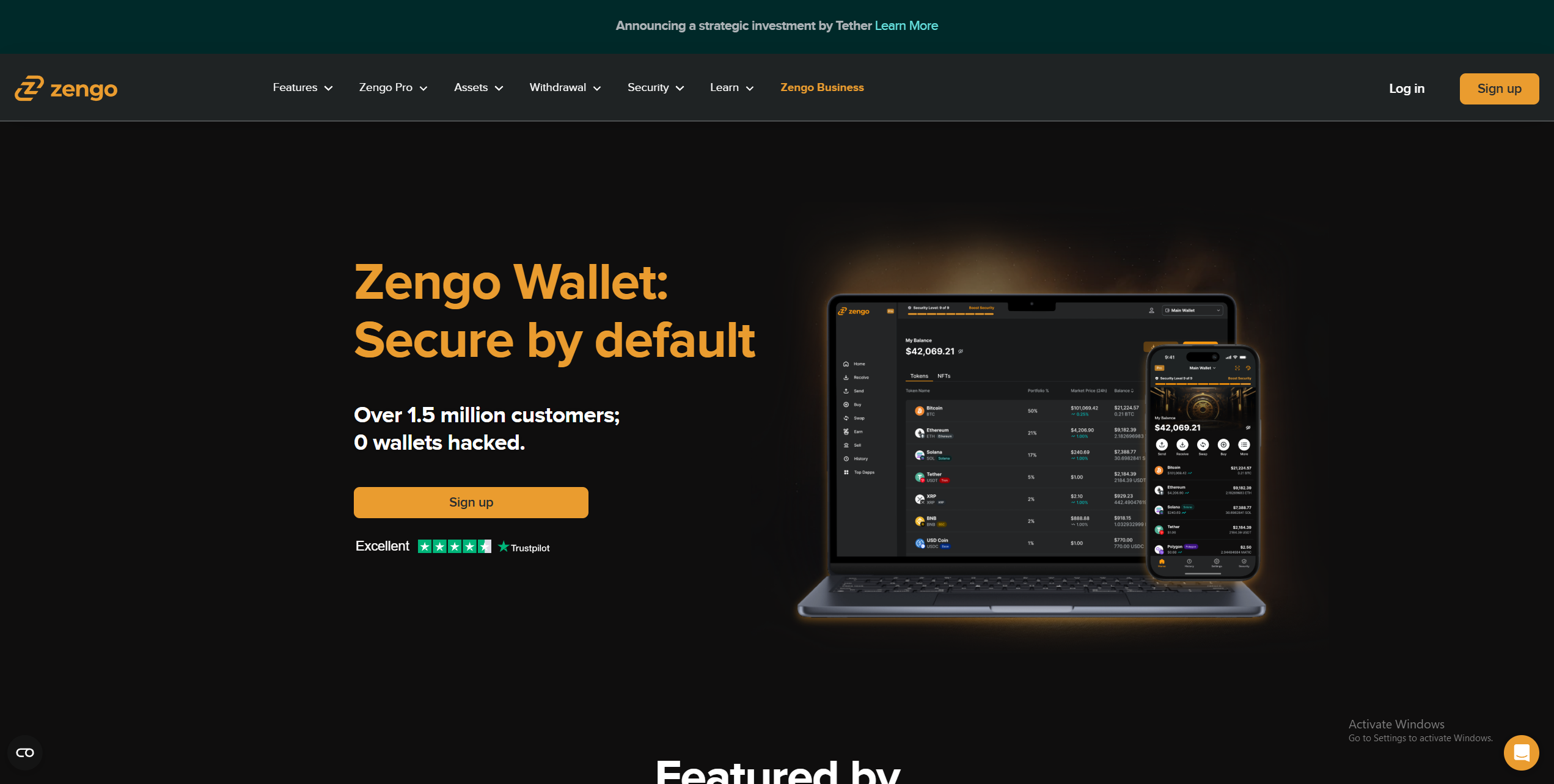
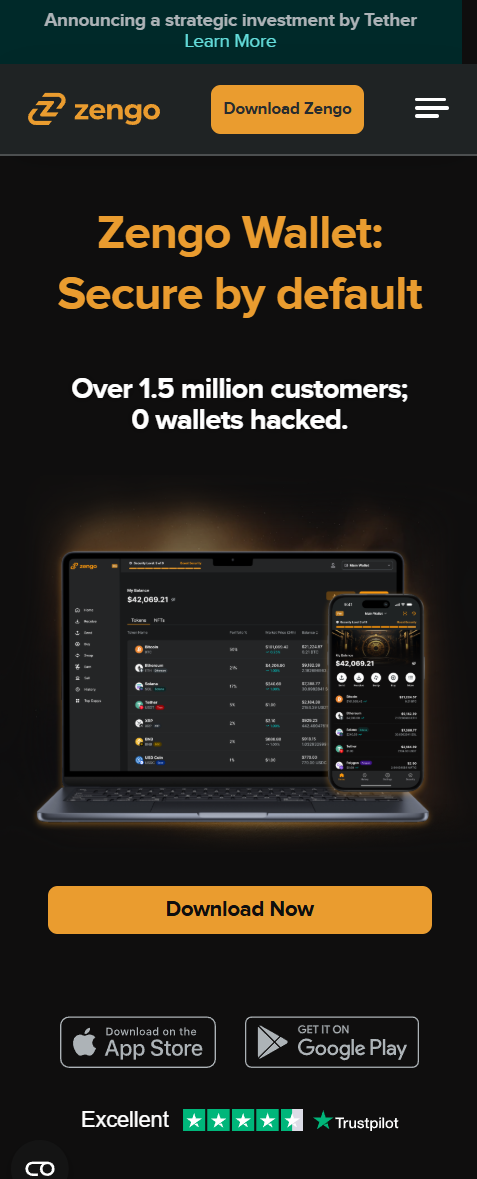
Year Founded
- 2019
Headquarters
- Israel
Licenses
- N/A - Not disclosed
Cryptocurrencies
- Bitcoin
- Ethereum
- Tether
-
+68
Available countries
- Afghanistan
- Albania
- Algeria
-
+245
Languages
- English
- German
- Portuguese (Brazil)
Features
- Swap
- Multi-Party Computation (MPC)
-
+15

Disclaimer
The information provided on this website is for informational purposes only and should not be considered as financial, investment, or legal advice. Cryptocurrency investments are volatile and high-risk in nature. Consult with a qualified financial advisor and/or tax professional before making any investment decisions. We are not responsible for any loss incurred due to the use of information on this website. Do your own research and exercise caution. Don’t invest unless you’re prepared to lose all the money you invest.
How We Determine the Best TRC-20 Wallets
Choosing the best TRC20 wallets requires evaluating far more than network compatibility. At CryptoManiaks, we employ a structured methodology that combines technical security audits, long-term product testing, ecosystem support reviews, and UX scoring.
We examine each TRC20 wallet address provider across hardware design, private key handling, performance under stress conditions, and recovery reliability. We also factor in real-world TRON usage patterns, such as USDT transfers, cross-chain swaps, and gas-fee dynamics.
Our evaluation includes these core categories: Security Architecture, Open-source Transparency, Usability & User Experience, Backup & Recovery, Chain Support, Transaction Functionality, Firmware & Longevity, Reputation, and Price Value.
Each wallet is tested using real TRC-20 transactions to evaluate signing clarity, error handling, and speed. We also assess whether updates are frequent enough to protect users as threats evolve. To avoid bias, we compare every wallet against its competitors in the market, especially those that are trending in 2026.
Security Architecture
Security is the single most important factor when evaluating any TRC-20 wallet, particularly for users holding large USDT or other altcoin balances over the long term.
- Evaluation of Secure Element (SE) usage, with preference for CC EAL5+ or higher certified chips
- Verification that private keys never leave the device, including during transaction signing
- Assessment of cold-storage integrity to ensure keys remain isolated even under physical compromise
- Review of air-gapped signing methods, such as QR codes, microSD cards, or NFC, to reduce remote attack vectors
- Analysis of malware resistance, especially against memory scraping and remote exploitation
We also assess the presence of advanced user-controlled safety layers that reduce the impact of compromise.
- Support for passphrases , including 25th-word implementations
- Availability of duress or decoy PINs for coercion scenarios
- Encrypted handling of PINs and recovery seeds
- Protection against unauthorized access during device initialization and unlocking
Firmware and supply-chain security are evaluated as part of the overall trust model.
- Signed firmware updates with cryptographic verification
- Support for reproducible builds that can be independently validated
- Tamper-evident packaging and hardware seals
- Holographic authentication or device attestation mechanisms
- Safeguards against interception or modification during shipping
Finally, we test real-world resistance to physical and side-channel attacks.
- Protection against voltage fault injection and glitch attacks
- Mitigation of electromagnetic (EM) leakage risks
- Resistance to forced extraction or chip-level probing
- Evidence of both theoretical modeling and real-world testing
For TRC-20 users who often hold USDT for extended periods, strong performance in this category is essential to prevent irreversible loss.
Open-Source Transparency
Transparency is a core trust signal in the crypto wallet ecosystem and plays a significant role in our rankings. Our evaluation of transparency includes:
- Availability of open-source firmware, hardware schematics, and companion applications
- Public repositories that allow independent security review
- Clear documentation explaining what components are open versus proprietary
- Use of reproducible builds that allow compiled firmware to be matched to source code
Independent auditing is another critical indicator of transparency and maturity, including:
- Completion of third-party security audits by reputable firms
- Publicly available audit reports detailing scope, findings, and fixes
- Evidence that identified vulnerabilities were addressed promptly
- Penalties for wallets that provide vague summaries or withhold audit results
We also evaluate how openly the development team communicates with users and researchers, such as:
- Responsiveness to issues and pull requests on GitHub
- Use of public issue trackers rather than private support channels only
- Timely disclosure and patching of vulnerabilities
- Willingness to acknowledge bugs instead of obscuring them
While full transparency is rare, consistent auditing combined with partial openness can still provide meaningful assurance for TRC-20 users.
Usability & User Experience
A TRC-20 wallet must strike a balance between beginner accessibility and advanced functionality for multi-chain users. Usability evaluation includes:
- Clarity of the initial setup process, including seed generation and confirmations
- Quality of onboarding guidance to reduce common user errors
- Warnings and prompts that help users safely manage USDT across multiple TRON accounts
Hardware interaction and interface design are tested under real usage conditions, including:
- Screen readability, brightness, and responsiveness
- Navigation efficiency on touch-based versus button-based devices
- Transaction signing speed and confirmation clarity
On the software side, we assess how well the wallet handles everyday TRC-20 activity, such as:
- Clear display of TRC-20 token balances and transfers
- Accurate energy and fee estimates for TRON transactions
- Intuitive confirmation screens showing recipient address, amount, and fees
The companion app experience plays a major role in overall usability, covering:
- Firmware update flow simplicity and reliability
- Token visibility, dashboards, and account management
- Swap, staking, and notification accuracy
We also examine how the wallet handles errors and recovery scenarios including:
- Clear explanations for failed transactions or rejected actions
- Guidance for issues such as insufficient energy, incorrect memos, or signature mismatches
- User-friendly recovery prompts that reduce panic and mistakes
Strong UX minimizes costly errors and makes secure behavior easier by default.
Backup, Recovery & Migration
Backup and recovery capabilities are crucial for maintaining long-term security of TRC-20 funds. Our evaluation covers:
- Supported seed standards such as BIP-39, SLIP-39, or SeedQR
- Ease of generating, storing, and verifying backups
- Compatibility with widely used recovery formats
We test various methods for storing backups to assess their durability and flexibility, including:
- Paper and metal seed backups
- QR-based and microSD recovery options
- Ability to restore funds after device loss or destruction
We test migration to ensure users aren’t limited to just one wallet ecosystem, including:
- Restoring seeds into hardware and software wallets
- Cross-compatibility with wallets like TronLink, MetaMask, and multi-chain apps
- Smooth recovery across different platforms and devices
We pay close attention to how the recovery process works in practice, including:
- Speed and clarity of the restoration process
- Warnings about unsafe environments during recovery
- Enforcement of best practices, such as offline recovery
To truly control your wallet, you need easy ways to leave, long-term portability, and the ability to work with future systems.
Supported Coins & Chains
Multi-chain support is a key ranking factor for users who operate across ecosystems. Our evaluation includes:
- Native support for TRON and TRC-20 tokens
- Compatibility with Bitcoin, Ethereum, ERC-20, Solana, and BNB Chain
- Evaluation of single-chain wallets versus broader multi-chain offerings
We check how often wallets add new assets and support more blockchains, including:
- Frequency of new network and token additions
- Inclusion of trending tokens and NFTs
- Accuracy of token metadata and icons
Being able to work with outside tools makes the wallet easier to use, including support for:
- WalletConnect 2.0 integration
- TronLink compatibility
- Support for third-party mobile and desktop wallets
We also look at advanced features, such as:
- DeFi features such as staking, swaps , and bridges
- TRON-specific tools like energy estimation and bandwidth management
- Performance when managing large TRC-20 token lists
If the wallet is slow, sorts assets incorrectly, or misses some assets, it gets a lower score.
Transaction Functionality
Transaction handling separates basic wallets from professional-grade solutions. Our evaluation includes:
- Support for offline signing, including QR-based workflows
- Clear on-screen display of recipient address, token amount, and fees
- Reliable confirmation flows that prevent accidental sends
We also evaluate advanced transaction features beyond TRC-20, including:
- Multisig support and account controls
- PSBT handling and compatibility with modern Bitcoin features
- Overall architectural robustness reflected across chains
TRON-specific transaction behavior is thoroughly tested, including:
- Energy and fee calculation accuracy
- NFT signing support
- WalletConnect 2.0 reliability
Performance under stress conditions is an important differentiator, including:
- Signing reliability during network congestion
- QR scan accuracy and speed
- Stability of Bluetooth and USB connections
High-quality wallets remain dependable even under heavy load.
Firmware & Longevity
Firmware quality determines whether a TRC-20 wallet remains safe over time. Our evaluation includes:
- Frequency and consistency of firmware updates
- Speed of vulnerability patching
- Continued support for older hardware models
We also examine the delivery of updates and transparency, including:
- Availability of offline update methods
- Public version histories and changelogs
- Clear communication about security fixes
Durable hardware helps the wallet last longer. Some of the factors to review include:
- Screen and button longevity
- Battery lifespan and replaceability
- Overall structural integrity
A wallet that keeps up with new TRON standards shows it’s built for the long term.
Reputation
A wallet’s reputation reflects both its technical capabilities and the integrity of the team behind it. Our evaluation considers:
- Transparency around team identity and company history
- Public development activity and GitHub presence
- Responsiveness to user and community feedback
We review historical performance and incident handling, including:
- Disclosure and management of past security issues
- Willingness to acknowledge mistakes publicly
- Evidence of corrective action and improvement
Community perception provides real-world insight. Sone of the important factors to review include:
- Feedback on forums like Reddit and BitcoinTalk
- TRON-focused community engagement
- Consistency of user reports regarding reliability
Strong long-term trust is built through openness, not perfection.
Price & Value
The price is evaluated only after the security and usability benchmarks are met. The best TRC-20 wallets aren’t always the most expensive, but they always provide reliable protection. Our price assessment includes:
- Base price relative to features offered
- Included accessories and upgrade paths
- Value of optional premium capabilities
Budget devices are assessed carefully for trade-offs, including:
- Absence of Secure Elements or verified firmware
- Material quality and build compromises
- Long-term support expectations
We compare each wallet to its main competitors, focusing on:
- Price-to-performance balance
- Update longevity relative to cost
- Overall reliability for USDT storage
 DON’T GET REKT
Curated drops, testnets and red flag alerts straight to your inbox ✌️
 You’re in. Thanks for joining our newsletter.

Final Tips
Choosing a TRC-20 wallet is a long-term security decision, not a one-time purchase.
- Prioritize reliability and auditability over flashy features
- Always verify your TRC-20 address before sending USDT
- Maintain multiple secure backups of your recovery seed
- Keep firmware up to date using verified sources
Align your wallet choice with your broader crypto usage patterns.
- Active users benefit from fast signing and WalletConnect support
- Long-term holders should favor cold storage and strong backup options
- Separating spending and savings wallets reduces risk
Finally, test before committing significant funds.
- Start with small transfers
- Periodically reassess developer activity and update cadence
- Treat wallet security as an ongoing process
Even the best wallet can become risky if development stagnates, so continuous evaluation is essential.
Frequently Asked Questions
-
01.
What is a TRC-20 wallet?
A TRC-20 wallet is a crypto wallet that supports tokens built on the TRON blockchain using the TRC-20 standard, most famously USDT. It lets you store, send, and receive TRC-20 tokens securely while managing your TRC-20 wallet address. Hardware and software options are available.
-
02.
How do I get a USDT TRC20 wallet address?
You can generate a TRC-20 wallet address by setting up any TRON-compatible wallet. During onboarding, the wallet creates a private key and corresponding “T…” address for USDT transfers. The process takes seconds and requires securely backing up your seed phrase to retain access.
-
03.
Are TRC-20 wallets safe?
Yes. Hardware wallets, which store private keys offline, are the most secure option currently available. Safety depends on security architecture, firmware quality, and careful user handling. Ensuring that updates are installed and seeds are backed up properly significantly improves the long-term safety of TRC-20 users.
-
04.
Which wallet is best for TRC-20 USDT?
The best TRC-20 wallet depends on your needs: hardware wallets for maximum security, mobile wallets for convenience, and browser extensions for DeFi activity. A top choice balances strong security with consistent TRON network support.
-
05.
Can I store other tokens besides USDT in a TRC-20 wallet?
Yes. Most TRC-20 wallets support a wide range of TRON tokens and additional chains like Ethereum, Bitcoin, or BNB Chain. Multi-chain support enables the management of various assets in a single location.