


Multi-signature (multi-sig) wallets represent the gold standard for securing high-value digital assets. By requiring multiple approvals for a single transaction, these wallets eliminate the “single point of failure” risk inherent in standard wallets. In 2026, multi-sig is no longer just for tech-savvy developers; it’s an essential tool for teams, DAOs, and serious long-term investors.
Key Takeaways
- Redundancy is King: Multi-sig supports “M-of-N” configurations (e.g., 2-of-3), ensuring that even if you lose one key, your funds remain accessible via the remaining keys.
- No Single Point of Failure: Unlike single-signature wallets, a hacker compromising a single device or stealing a single seed phrase cannot drain a multi-signature account.
- Institutional Governance: For DAOs and corporate treasuries, multi-sig enforces accountability, ensuring no single member can unilaterally move funds.
Best Multi-Sig Wallets for Crypto Listed & Ranked
-
 PromotionsCoins


-
 Coins
Coins

-
 Promotions
 -
 Promotions
 -
 Coins
Coins
-
 Coins
Coins


-
 Coins
Coins

-
 Coins
Coins
-
 PromotionsCoins



Best Multi-Sig Wallets for Crypto Reviewed


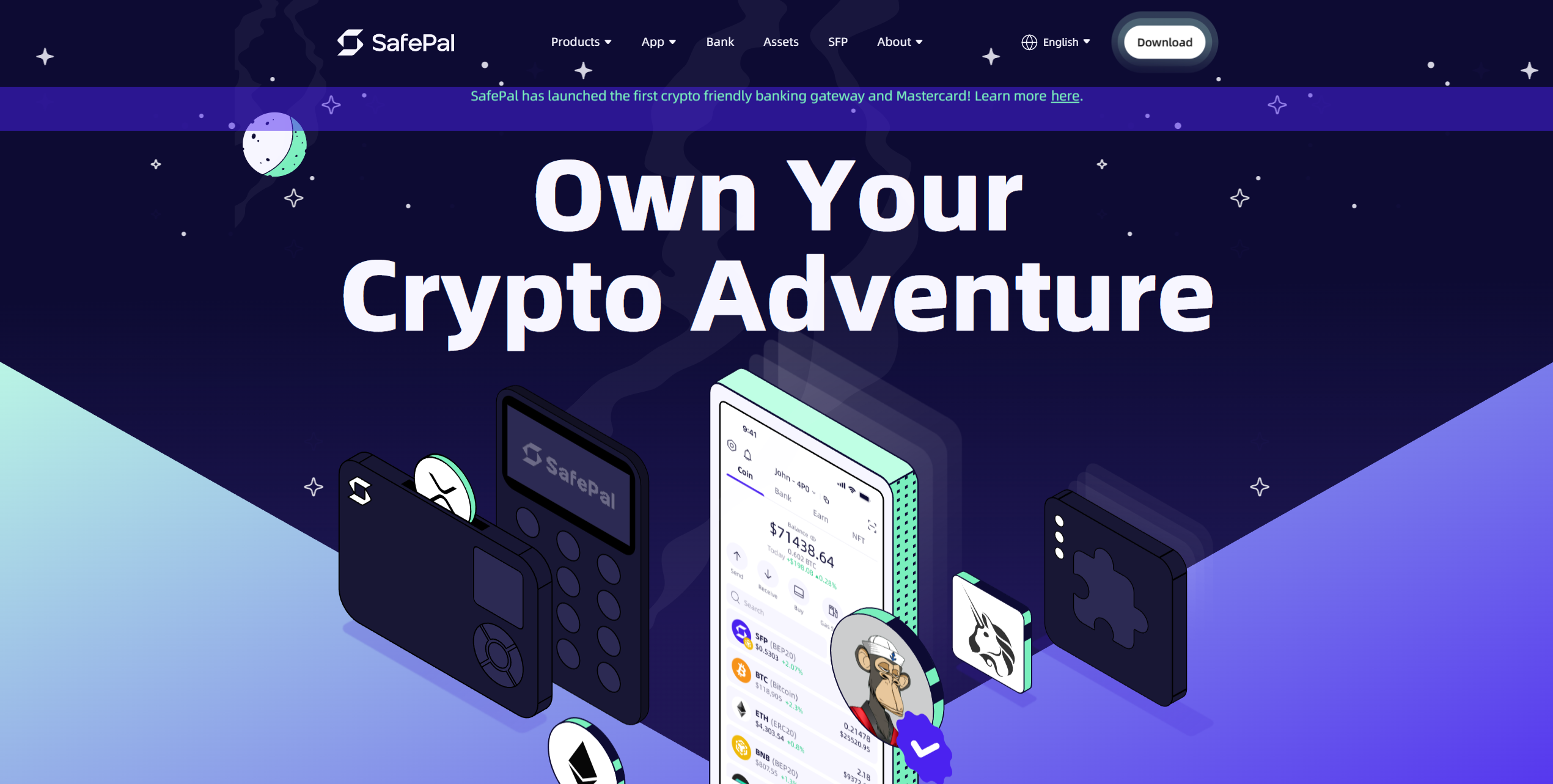
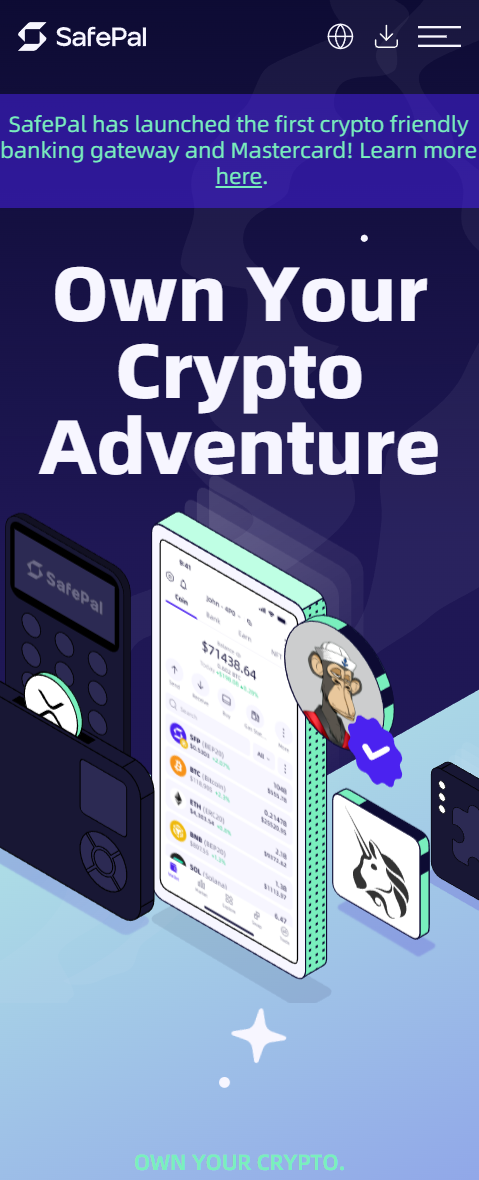
Safepal offers a complete suit of assets operations, with hardware and software wallets that are all multichain and multi-sig in nature. They do not just allow you to store and secure your assets, you can also swap, trade, buy and sell, and above all stake some of your assets to make profits. Safepal is fully anonymous and completely self-custodial, though its source is not 100% open. It supports assets across hundreds of chains and allows integration with lots of DEFIs and DAAPs. Above all, you are allowed to backup your almighty seeds both manually and on the cloud.
Year Founded
- 2018
Cryptocurrencies
- Bitcoin
- Ethereum
- Tether
-
+89
Available countries
- Afghanistan
- Albania
- Algeria
-
+246
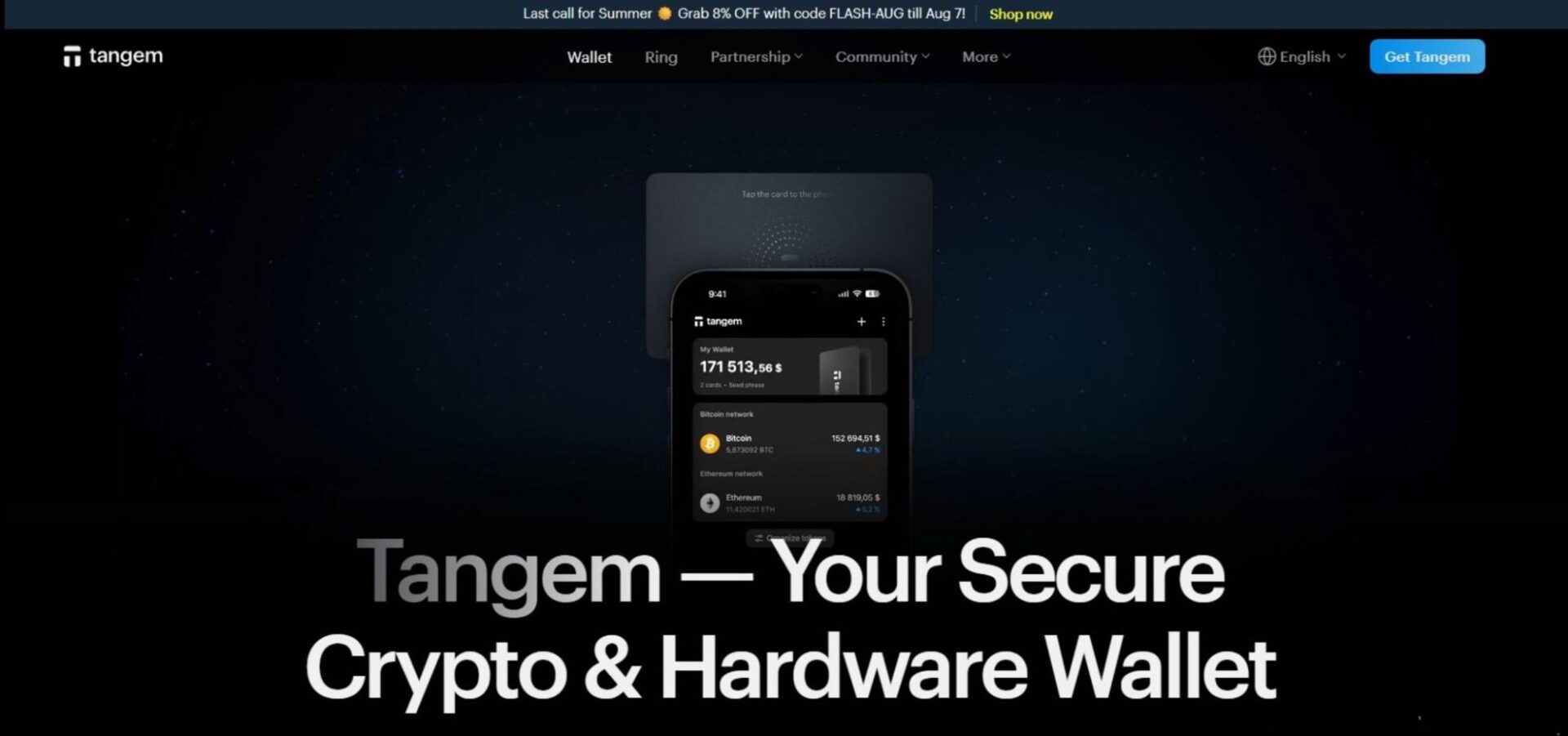
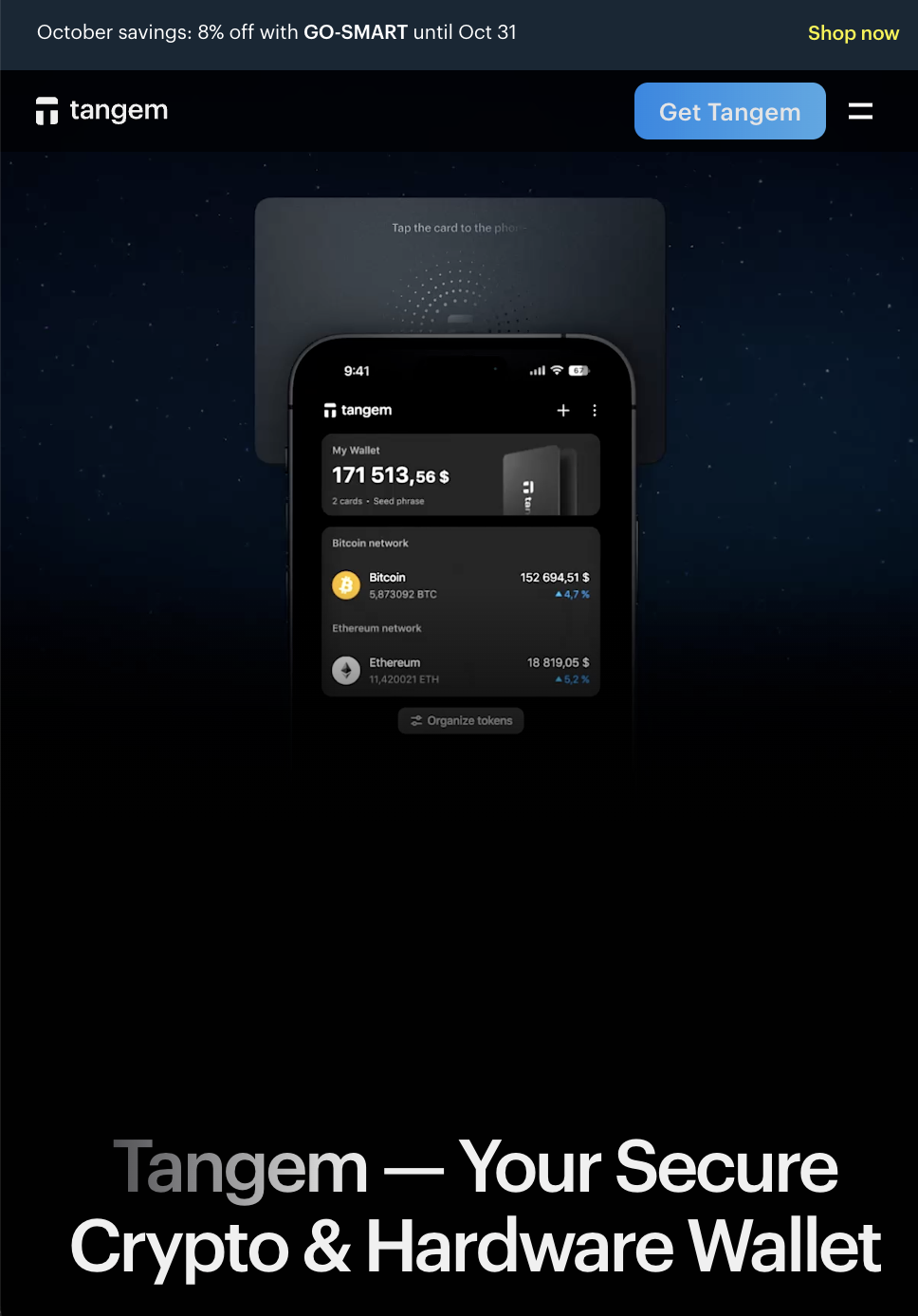
Year Founded
- 2017
Headquarters
- Switzerland
Licenses
- N/A - Not disclosed
Cryptocurrencies
- Bitcoin
- Ethereum
- Tether
-
+70
Available countries
- Albania
- Algeria
- American Samoa
-
+228
Languages
- English
- German
- French
-
+6
Features
- Tangem Pay
- Tangem Academy
-
+11
Available countries
- Afghanistan
- Albania
- Algeria
-
+246
Available countries
- Afghanistan
- Albania
- Algeria
-
+246
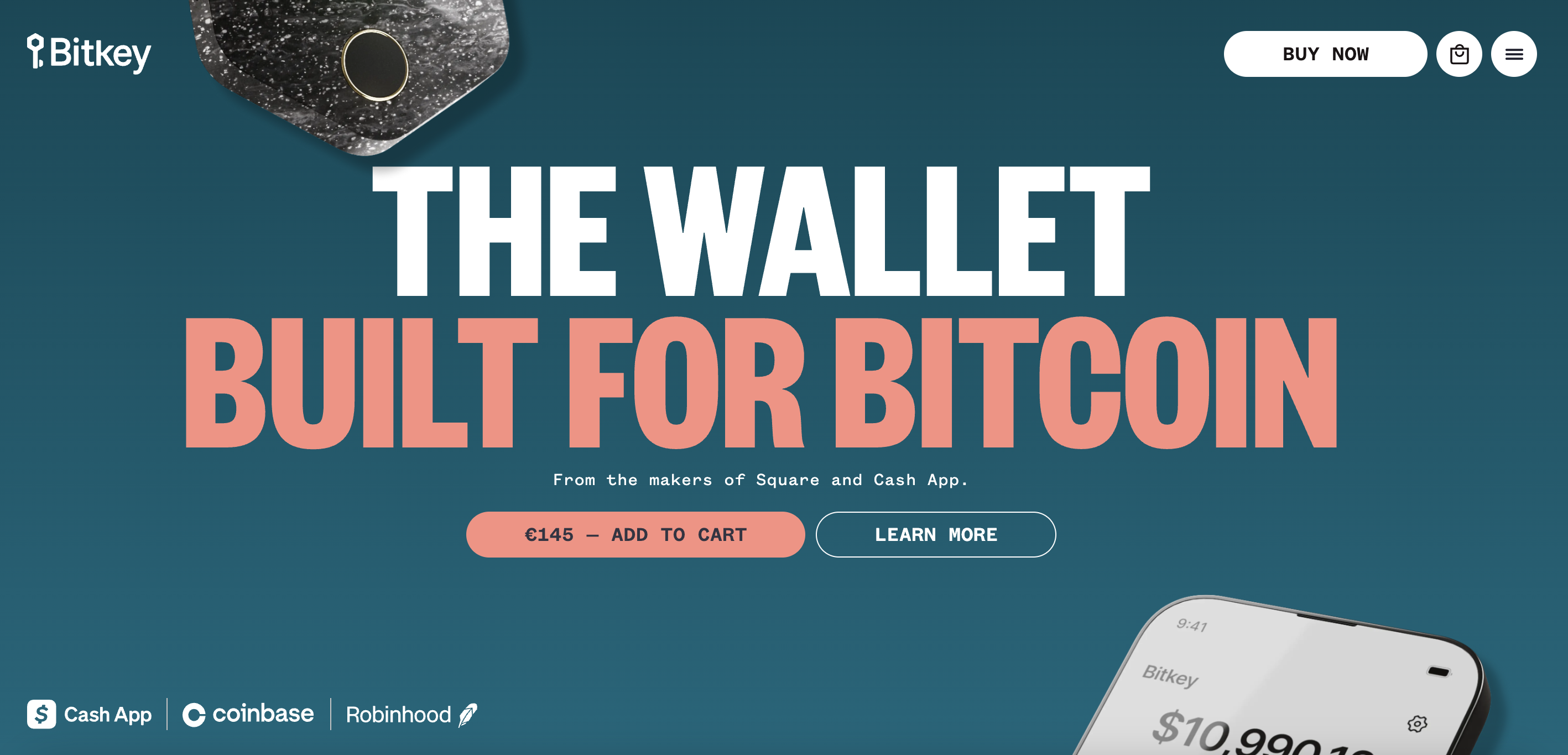
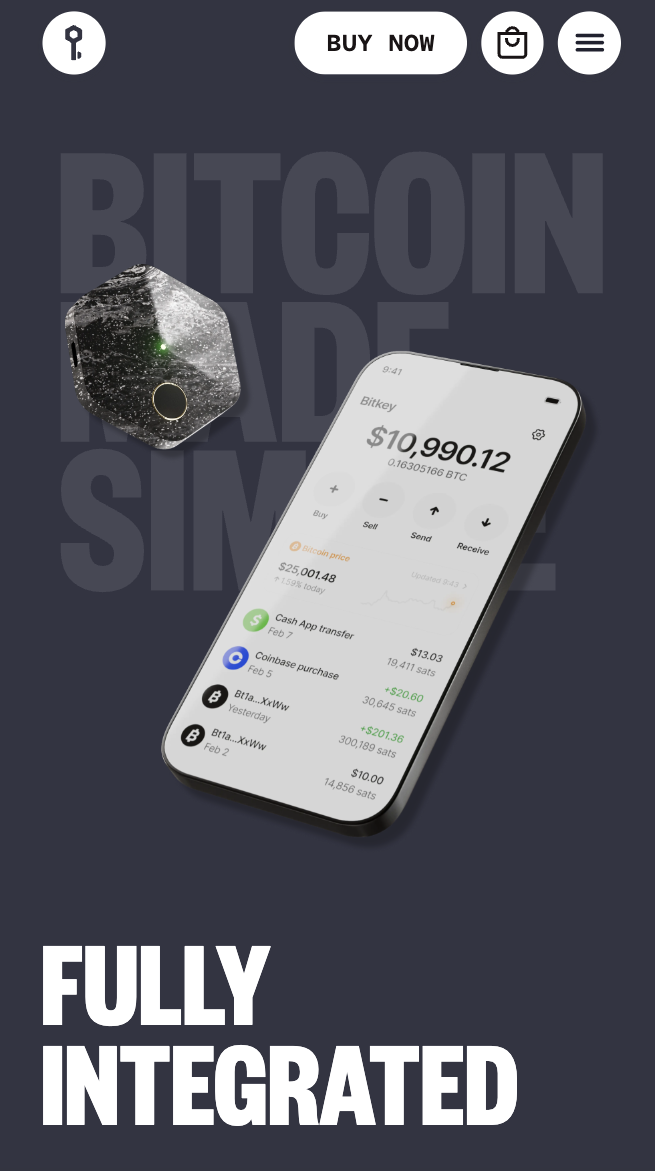
Bitkey is a Bitcoin only non custodial wallet where users can store and exchange their Bitcoins. Bitkey offers a mobile wallet and hardware counterpart to users. On these wallets, you will enjoy a multi signature secure system that allows you full access and custody of your coin, with full anonymity. Here, you will have no issues with 2FA and aboslutely nothing to do with KYC verifications. While the code for the site is open source, you can only trade BTC here through the Bitcoin Network, and cannot enjoy any form of DeFi integration and staking support. You can also enjoy a basic level of portfolio tracking on the app, but there is no profit and loss statement and tax report.
Year Founded
- 2022
Licenses
- MIT License
- Commons Clause
Cryptocurrencies
- Bitcoin
Available countries
- Afghanistan
- Albania
- Algeria
-
+246
Languages
- N/A - Not disclosed
Year Founded
- 2023
Headquarters
- United States
Licenses
- United States (IRS)
Cryptocurrencies
- Bitcoin
- Ethereum
- Tether
-
+10
Available countries
- United States
Languages
- English
Features
- Swap
- Affiliate Program
-
+6
Get $10 in Bitcoin when you register through a referral link from an existing member.


Established in 2011, Kraken is a trusted cryptocurrency exchange renowned for its longevity and diverse trading interfaces, catering to a broad user base.
- Supports hundreds of coins
- High liquidity
- Simple and user-friendly interface
- Good customer support options
- Lots of advanced trading features like margin, futures, and indices trading
- No insurance fund for assets on the platform
- Doesn’t offer a crypto credit card
- No personal wallet service for traders
- Supports only a few fiat currencies
Year Founded
- 2011
Headquarters
- United States
Licenses
- United States (IRS)
- Canada (CRA)
- United Kingdom (HMRC)
-
+7
Cryptocurrencies
- Bitcoin
- Ethereum
- Tether
-
+83
Available countries
- Afghanistan
- Albania
- Algeria
-
+240
Languages
- Chinese (Mandarin)
- English
- French
-
+10
Features
- Cryptowatch
- Forks
-
+29
Year Founded
- 2019
Headquarters
- Israel
Licenses
- N/A - Not disclosed
Cryptocurrencies
- Bitcoin
- Ethereum
- Tether
-
+68
Available countries
- Afghanistan
- Albania
- Algeria
-
+245
Languages
- English
- German
- Portuguese (Brazil)
Features
- Swap
- Multi-Party Computation (MPC)
-
+15


Uphold Crypto Exchange, founded in the United States in 2014, is a global digital money platform that enables users to buy, sell, and trade various cryptocurrencies.
Year Founded
- 2015
Headquarters
- Bahamas
Licenses
- United States (IRS)
- United Kingdom (HMRC)
- Lithuania
Cryptocurrencies
- Tether
- TrueUSD
- USD Coin
-
+144
Available countries
- Australia
- Canada
- France
-
+9
Languages
- English
- Spanish
Features
- Metals
- National Currencies (Forex)
-
+5
Don’t invest unless you’re prepared to lose all the money you invest.

Disclaimer
The information provided on this website is for informational purposes only and should not be considered as financial, investment, or legal advice. Cryptocurrency investments are volatile and high-risk in nature. Consult with a qualified financial advisor and/or tax professional before making any investment decisions. We are not responsible for any loss incurred due to the use of information on this website. Do your own research and exercise caution. Don’t invest unless you’re prepared to lose all the money you invest.
How We Determine the Best Multi-Sig Wallets
Evaluating a multi-sig wallet requires a deeper look than standard hot wallets. Because these tools are often the last line of defense for significant wealth, we focus on the following core metrics:
Security Architecture
We examine the flexibility of the M-of-N signer configuration. Can the user easily set up a 2-of-3 or 3-of-5 scheme? We prioritize wallets that support key isolation, allowing users to combine different types of signers (e.g., a hardware wallet, a mobile app, and an air-gapped laptop).
Open-source Transparency
For a tool managing millions, “trust me” isn’t enough. We look for reproducible build verification and open-source firmware. If the community can’t verify the code, it doesn’t make our list. We also check for independent, public security audits conducted by reputable firms such as Trail of Bits or OpenZeppelin.
Usability & User Experience
Historically, multi-sig was a nightmare to set up. We evaluate the onboarding flow—how intuitive is it to pair devices and share public keys? A good multi-sig wallet should provide a clear “coordination flow” that notifies signers of pending transactions via email, QR code, or push notification.
Backup, Recovery & Migration
What happens if you lose 2 out of 3 keys? We look for wallets that support standard formats like BIP39 or Shamir’s Secret Sharing. Crucially, we test for vendor lock-in: if the wallet provider’s website goes down, can you still recover your funds using a third-party tool?
Supported Coins & Chains
The landscape in 2026 is multi-chain. While some wallets specialize (e.g., Bitcoin-only), the best multi-sig wallets for teams and DAOs must handle Ethereum multi-sig (smart contract-based) alongside UTXO-based chains. We also look for native support for staking , NFTs, and DeFi .
Transaction Functionality
Modern multi-sig requires Partially Signed Bitcoin Transactions (PSBT) support and the ability to batch transactions to save on gas fees. We also value “Clear Signing” features that show the user exactly what they are interacting with on the device screen.
Firmware & Longevity
We track the frequency of updates. A stagnant wallet is a vulnerable one. We prefer developers who are responsive to bug reports and have a long-term sustainability model that doesn’t rely solely on venture capital.
Reputation
We dive into the history of the development team. Has there ever been a critical exploit? How did they handle it? We look for adoption by major institutions and high-trust within the Reddit and GitHub developer communities.
Price Value
Multi-sig is often free (software-based), but the “real” cost includes the hardware signers. We evaluate whether a premium service (like Casa) provides sufficient support and ease of use to justify a monthly subscription over a free DIY setup like Sparrow.
Why Should You Use Multi-Sig Wallets?
1. Eliminating the “Single Point of Failure”
With a standard wallet, if your seed phrase is stolen, your funds are lost. In a 2-of-3 multi-sig setup, an attacker must compromise two devices or locations simultaneously. This drastically increases the cost and complexity for a hacker.
2. Distributed Trust for Teams
For businesses and DAOs, multi-sig acts as a digital “board of directors.” You can require the CEO, CFO, and a Board Member to all sign off on a large expense. This prevents “inside jobs” and ensures treasury funds are spent in accordance with the organization’s rules.
3. Graceful Recovery
If you lose one of your three keys, you aren’t locked out. You can use the remaining two to move your funds to a new, secure setup. This provides a safety net that single-signature wallets cannot.
4. Resistance to Physical Threat
If an attacker physically threatens you to unlock your phone, you can truthfully tell them that you only have one of the two keys required. The second key could be in a safe deposit box or held by a trusted third party in another city.
5. Enhanced Audit Trails
Multi-sig transactions leave a clear trail on the blockchain showing which keys approved the move. For regulated entities or transparent DAOs, this is essential for internal auditing and compliance.
Multi-Sig vs Single-Signature Wallets
| Feature | Multi-Sig Wallet | Single-Signature Wallet |
| Private Key Control | Distributed (Multiple Keys) | Single Key |
| User Responsibility | High (Managing 3+ keys) | Moderate (Managing 1 key) |
| Security Level | Ultra-High | Moderate |
| Ease of Use | Moderate to Complex | Very Simple |
| Recovery Options | Multiple (Redundancy) | One (Seed Phrase) |
| Transaction Control | Group Consensus | Individual |
| Transaction Speed | Slower (Requires Coordination) | Instant |
| KYC | Usually No (Self-custody) | Usually No |
| Risk of Freezing | None (Self-custody) | None (Self-custody) |
| Ideal For | Large Holdings, Teams, DAOs | Daily Spending, Small Amounts |
How to Set Up a Multi-Sig Wallet
Step 1: Choose Your Threshold (M-of-N)
Decide on your configuration. For most individuals, a 2-of-3 setup is the “sweet spot.” It offers high security but allows you to lose one key without losing your funds. Teams may prefer 3-of-5 for broader distribution.
Step 2: Select Your Signers
Gather your “keys.” Ideally, these should be different hardware brands (e.g.,Ledger or Trezor). Using different brands protects you against a “supply chain attack” affecting a specific manufacturer.
Step 3: Exchange Public Keys (XPUBs)
You will need to import the Extended Public Key (XPUB) from each device into your multi-sig coordinator software (like Safe or Sparrow). Note: Sharing XPUBs allows the software to see your balance, but it cannot move your funds.
Step 4: Securely Store the Configuration File
Unlike single-sig, just having the seeds isn’t enough; you also need to know the script and the other public keys to rebuild the wallet. Most wallets allow you to export a “Multi-sig Configuration File” or PDF. Store this as securely as your seeds.
Step 5: Perform a Test Transaction
Before moving your life savings, send a small amount of crypto to the new address. Then, try to send it back out. This confirms that your signers are working correctly and that you understand the coordination process.
 DON’T GET REKT
Curated drops, testnets and red flag alerts straight to your inbox ✌️
 You’re in. Thanks for joining our newsletter.

Final Tips
- Don’t overcomplicate: A 5-of-7 setup sounds secure, but it is an operational nightmare. Stick to 2-of-3 or 3-of-5 unless you are an institutional-grade entity.
- Keep keys separate: Never store all your hardware wallets or seed phrases in the same physical safe. Distribute them across different locations.
- Check compatibility: Ensure your chosen software is compatible with the hardware you already own. Most modern tools like Gnosis Safe (now Safe{Wallet}) and Sparrow are highly compatible.
Frequently Asked Questions
-
01.
Is multi-sig safer than a hardware wallet?
Multi-sig is generally safer than a single hardware wallet. A single hardware wallet is still a single point of failure (if you lose the device and the seed phrase). Multisig uses multiple hardware wallets to create a layered defense.
-
02.
What is the difference between multi-sig and MPC?
Multi-sig uses multiple distinct private keys on the blockchain. Multi-Party Computation (MPC) splits a single private key into “shards” that never reside in a single location. Multisig is more transparent on-chain, while MPC is often faster and cheaper for high-frequency trading.
-
03.
Can I use different hardware wallets for the same multisig?
Yes. In fact, it is recommended. Using a mix of devices (e.g., Ledger, Trezor, BitBox) ensures that if a vulnerability is found in one brand’s firmware, your entire wallet isn’t compromised.
-
04.
Does multi-sig cost more in gas fees?
Yes. Because the blockchain must verify multiple digital signatures rather than just one, the transaction data is larger. On Ethereum, smart contract multi-sigs (like Safe) can be significantly more expensive during high congestion.
-
05.
What happens if I lose one of my multisig keys?
In a 2-of-3 setup, if you lose one key, you still have two remaining. You can use those two to sign a transaction and move all your funds to a brand new multi-sig wallet with new keys.