


 4 min read
Crypto Bear Market Passive Income and Investment Strategies That Work




 AI Overview
Market conditions in March 2026 look bear-like: BTC is ~50% below its peak and altcoins are weaker, creating a window to accumulate quality crypto, earn yield, and strengthen risk controls while prices reset.
- Accumulate strategically: Use DCA into blue‑chip crypto and projects with real utility (AI, new L1s, DeFi) to lower average cost and capture rebounds.
- Generate passive income: Shift some capital to yield-bearing stablecoins and liquid staking to earn protocol rewards while markets recover.
- Protect capital: Maintain liquidity, avoid excessive leverage, set stop-losses, and diversify across assets and strategies to withstand volatility.
It is becoming increasingly clear that the crypto market has entered a difficult phase.
As of March 2026, Bitcoin is trading nearly 50% below its all-time high, and most altcoins have fallen even further. Price action across the market remains weak, and optimism from last year’s anticipated bull cycle has largely faded.
If this is not officially a bear market, it certainly feels like one.
Periods like this can be uncomfortable for investors. However, they also create opportunities to accumulate assets and generate passive income while the market resets.
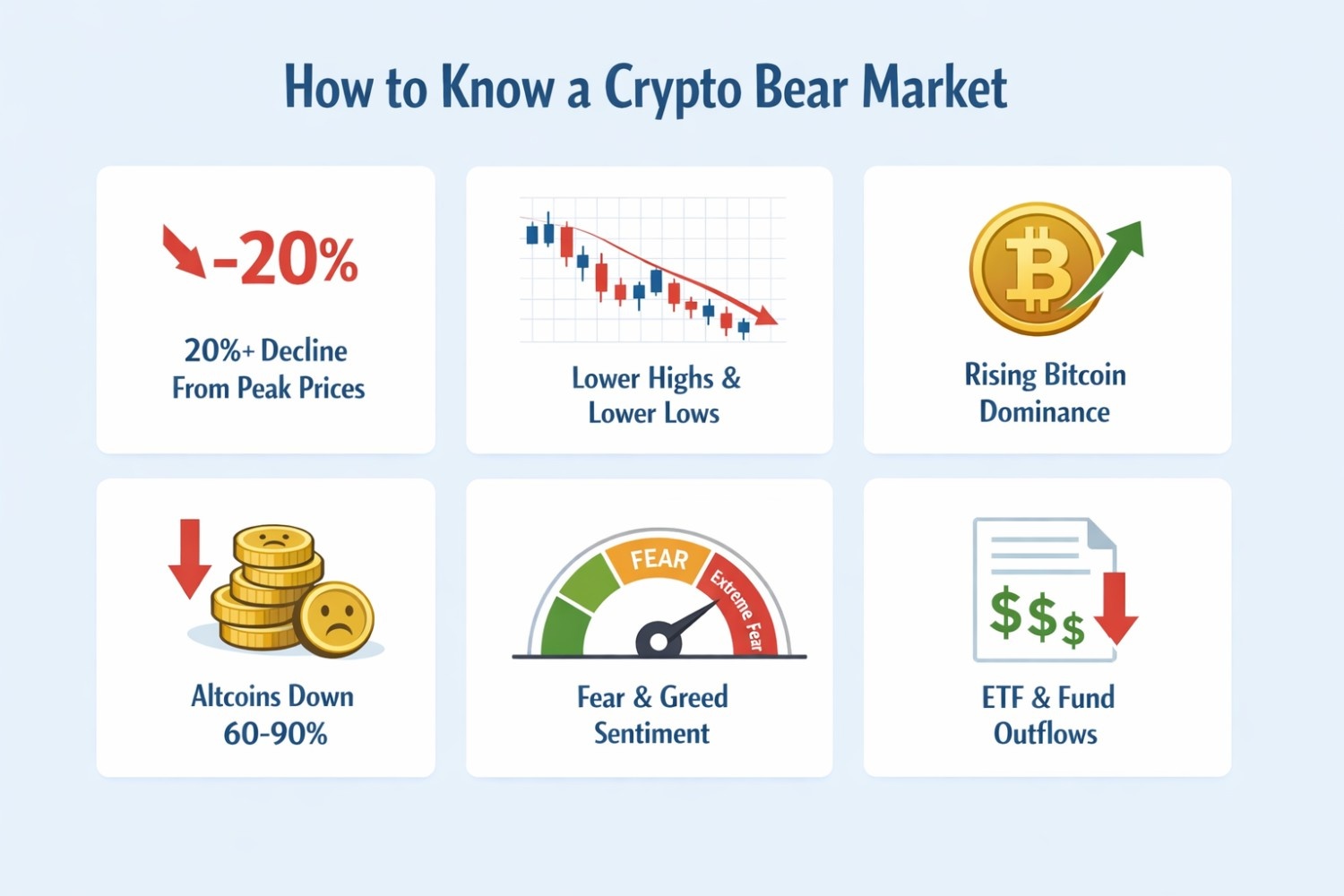
What Is a Bear Market?
A bear market typically refers to a prolonged period where asset prices fall more than 20% from their previous highs.
During these periods:
- Selling pressure increases
- Market sentiment turns pessimistic
- Liquidity becomes tighter
- Risk appetite declines
While this environment can be challenging, it also allows investors to acquire strong assets at significantly lower prices.
Historically, some of the best long-term entry points have occurred during bear markets.
Best Investment Strategies for Crypto Bear Markets
Bear markets are often the best time to accumulate high-quality assets and identify emerging trends.
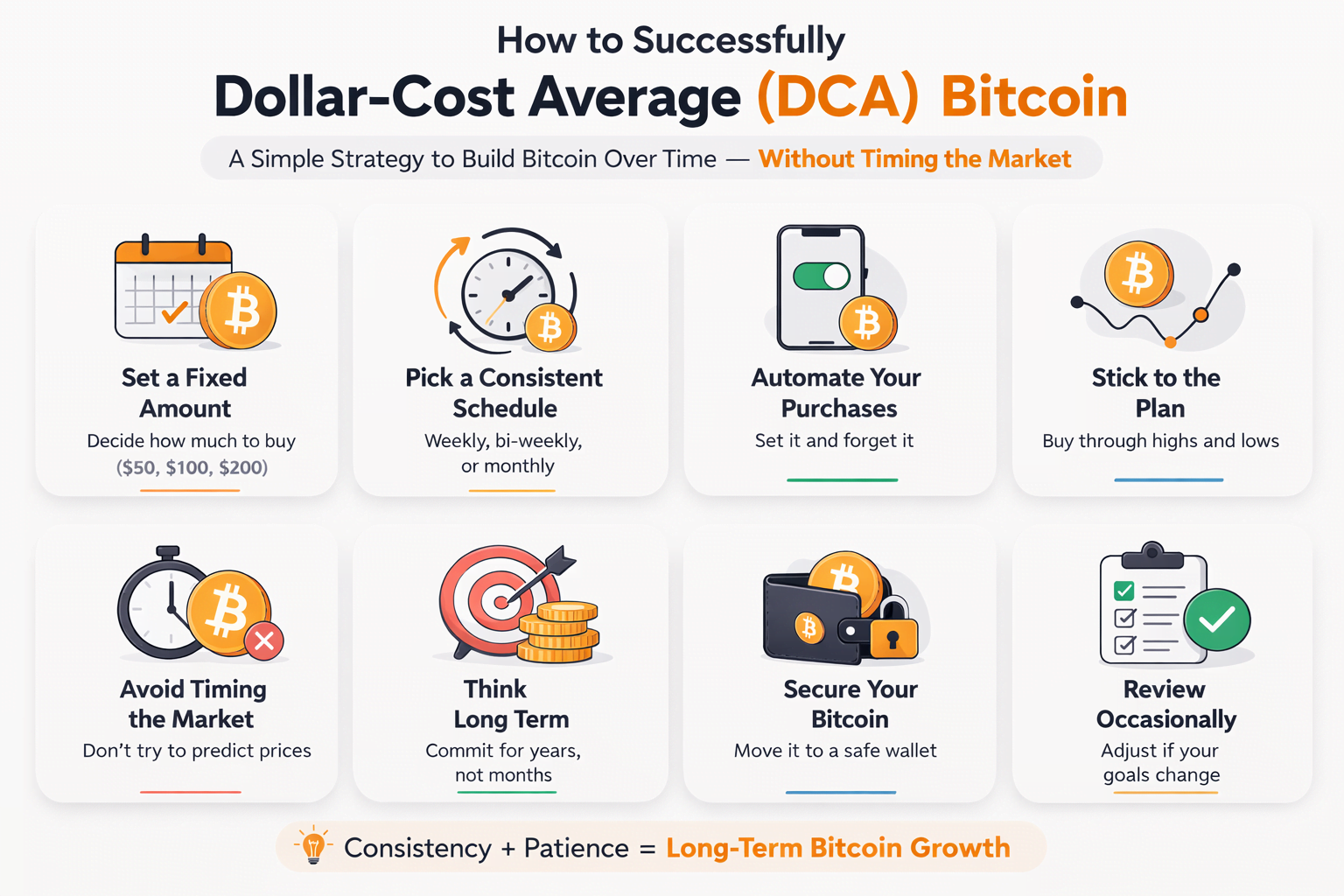
Dollar-Cost Averaging Into Blue-Chip Assets
Dollar-cost averaging (DCA) involves investing a fixed amount of capital at regular intervals regardless of price.
This strategy reduces the risk of buying at a single high point and gradually lowers the average purchase price over time.
Historically, long-term DCA strategies into major assets such as:
- Bitcoin (BTC)
- Ethereum (ETH)
- Solana (SOL)
have produced strong long-term returns.
For investors who believe in the long-term growth of crypto, bear markets often present ideal DCA opportunities.
Identify Strong Narratives and Real Utility
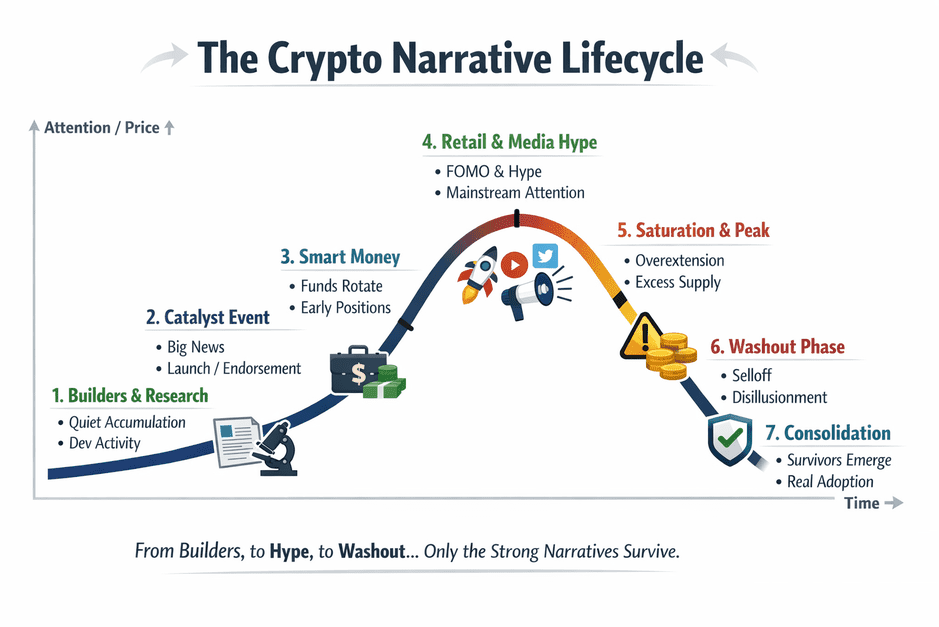
Even during bearish conditions, certain sectors continue to grow.
New narratives frequently emerge and attract capital before the broader market recovers. Examples in recent cycles have included:
- AI and AI agents
- New Layer 1 ecosystems
- DeFi innovations
Projects that combine strong narratives with real usage often outperform once market sentiment improves.
Monitoring ecosystem growth and on-chain revenue can help identify which networks are gaining traction.
 DON’T GET REKT
Curated drops, testnets and red flag alerts straight to your inbox ✌️
 You’re in. Thanks for joining our newsletter.

Passive Income Opportunities During Bear Markets
Bear markets are also a time to focus on generating yield rather than relying purely on price appreciation.
Yield-Bearing Stablecoins
Stablecoins allow investors to earn yield while limiting exposure to market volatility.
Several newer stablecoin products now offer double-digit annual yields through on-chain strategies or protocol incentives.
While stablecoins remain tied to fiat currencies, they can provide relatively stable passive income compared with holding volatile assets during downturns
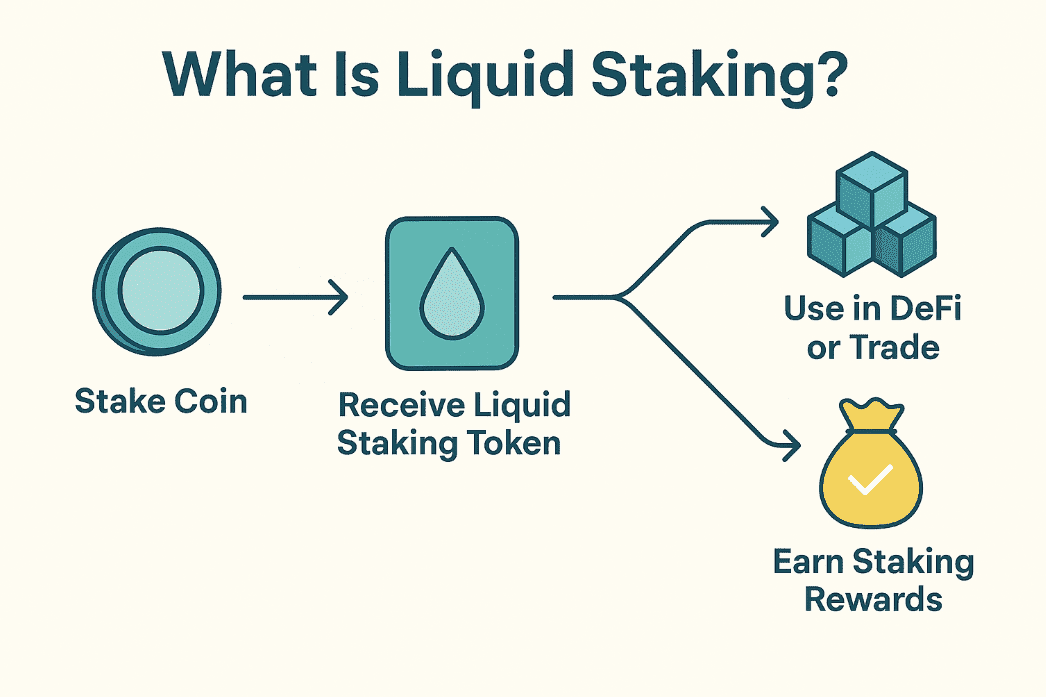
Liquid Staking
Many major blockchains use Proof-of-Stake consensus mechanisms that reward users for securing the network.
Liquid staking allows investors to earn staking rewards while still maintaining access to their assets through derivative tokens that can be used in DeFi.
Liquid staking opportunities are widely available across networks such as:
- Ethereum
- Solana
- emerging ecosystems like Monad
This approach allows investors to earn yield while keeping their assets productive within decentralized finance.
Risk Management During Bear Markets
Even proven strategies carry risk. Managing exposure is essential during periods of high uncertainty.
Stay Liquid
Avoid allocating your entire portfolio into a single position.
Maintaining a portion of funds in stablecoins or cash allows investors to respond to sudden market opportunities or unexpected volatility.
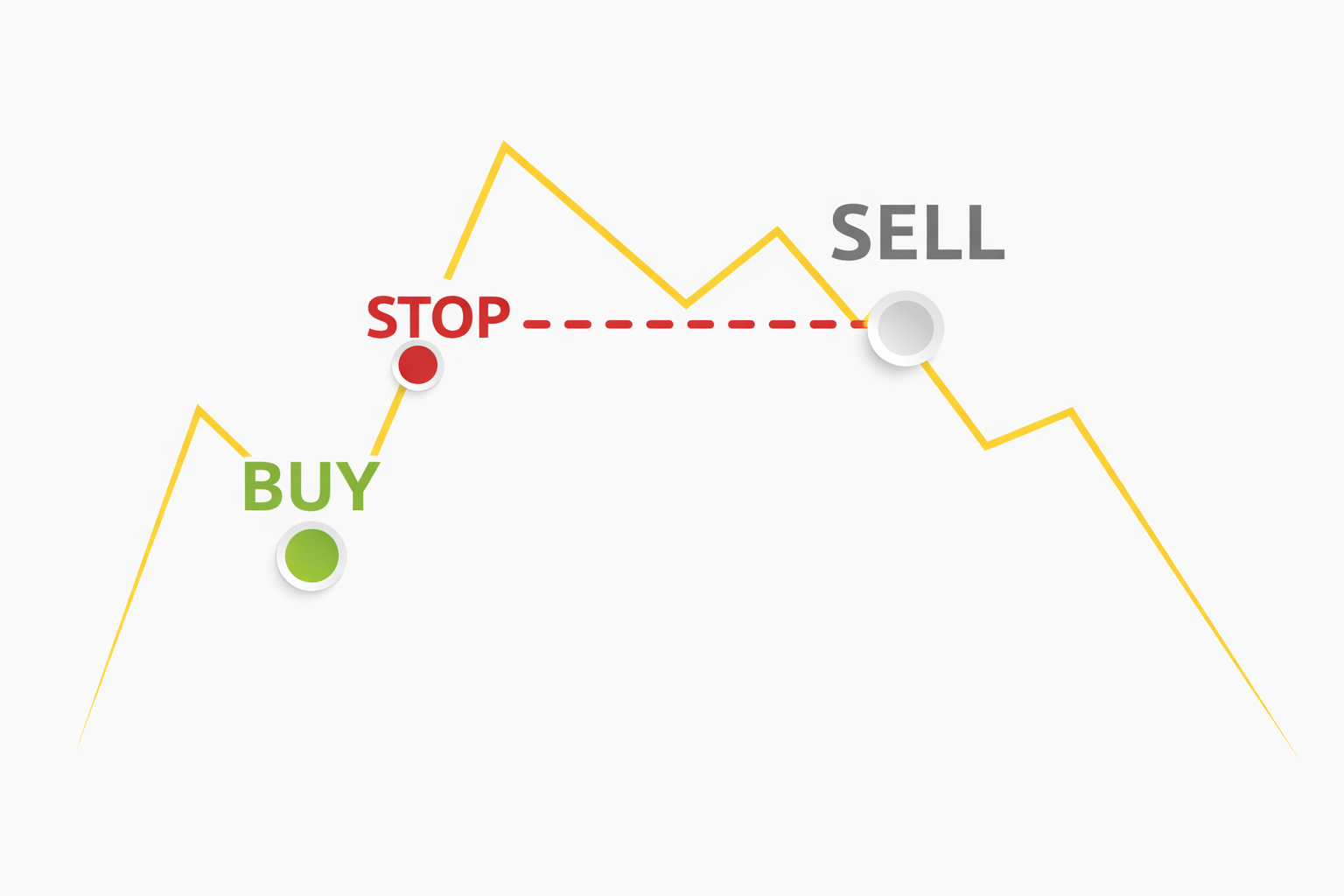
Use Stop-Loss Strategies
Many trading platforms allow users to set automated buy and sell levels.
Planning exit levels in advance helps remove emotional decision-making and prevents excessive losses during sudden price swings.
Gradual scaling in and out of positions often works better than all-in or all-out trading.
Avoid Excessive Leverage
High leverage can quickly amplify losses during volatile market conditions.
Even experienced traders frequently face liquidation events when using aggressive leverage.
For most investors, avoiding leverage entirely—or using it very conservatively—is the safer approach
Diversify
Diversification reduces the risk of a single asset significantly damaging a portfolio.
Crypto markets can react strongly to unexpected news or market shifts. Spreading exposure across multiple assets and strategies helps mitigate these risks.
Final Thoughts
Bear markets are uncomfortable, but they often provide the best opportunities for long-term investors.
Accumulating strong assets at discounted prices while generating passive income through staking and yield strategies can steadily grow a portfolio over time.
If the market eventually returns to previous highs—or surpasses them—investors who used bear markets strategically may benefit the most.



 Thank you for your feedback! We’re glad you found this article helpful.
 An error occurred while sending the form, please try again.
 We are sorry. You've already sent a message within the last 60 seconds. Please wait before sending another.
 Thank you for letting us know! Our team will review your feedback to help improve our content.
We're sorry you did not find what you were looking for. Please select the reason this article was not helpful.