


 4 min read
Plasma’s XPL Token Explained: Features, Risks, and Passive Earning Potential



 AI Overview
Plasma is a new Layer-1 blockchain with native token XPL, optimized for fast, low-cost stablecoin (notably USDT) transfers; its mainnet beta and token launch attracted billions in liquidity and deep DeFi integrations, positioning it as a payments-focused network.
- Stablecoin payments focus: Purpose-built L1 with sponsored gas, EVM compatibility and a Bitcoin-anchored bridge to speed merchant and DeFi stablecoin flows.
- Tokenomics & value drivers: 10B genesis supply (18% circulating); 40/25/25/10 allocation, inflation 5%→3% with partial fee burns — release schedules may pressure price.
- Risks vs. yield: Watch unlock-driven sell pressure, subsidy sustainability, bridge and centralization vulnerabilities, and regulatory scrutiny; staking is the simplest lower-risk income path.
Plasma has entered the blockchain scene with a sharp focus on stablecoins. Its native token, XPL, powers the new Layer-1 chain designed to make stablecoin transfers faster, cheaper, and easier to use.
With its mainnet beta and token launch in late September 2025, Plasma has already captured attention by securing billions in liquidity and strong ecosystem support.
This guide breaks down what XPL is, how Plasma works, the tokenomics behind it, the risks investors should note, and the ways holders can earn passive income.
What is Plasma and XPL?
Plasma is a purpose-built Layer-1 blockchain optimized for stablecoin activity, particularly USDT. Unlike general-purpose chains, it removes the friction often faced when sending or using stablecoins for payments and DeFi.
XPL is the native utility token of Plasma. It fuels transaction fees, powers staking and validator rewards, and underpins network governance.
While Plasma subsidizes simple USDT transfers, XPL remains essential for more complex activities.
Key features of Plasma
Plasma introduces several technical innovations:
- EVM compatibility: Developers can port Ethereum-based apps with little effort.
- PlasmaBFT consensus: A custom consensus mechanism based on HotStuff that enables sub-second finality.
- Sponsored gas: For simple USDT transfers, users may pay fees in USDT instead of XPL.
- Custom gas token support: Whitelisted assets like BTC or USDT can cover fees.
- Bitcoin-anchored bridge: Plasma supports a trust-minimized bridge to Bitcoin, helping BTC liquidity flow into its ecosystem.
These features aim to make Plasma more user-friendly for stablecoin transactions, while keeping the network secure and scalable.
 DON’T GET REKT
Curated drops, testnets and red flag alerts straight to your inbox ✌️
 You’re in. Thanks for joining our newsletter.

Tokenomics of XPL
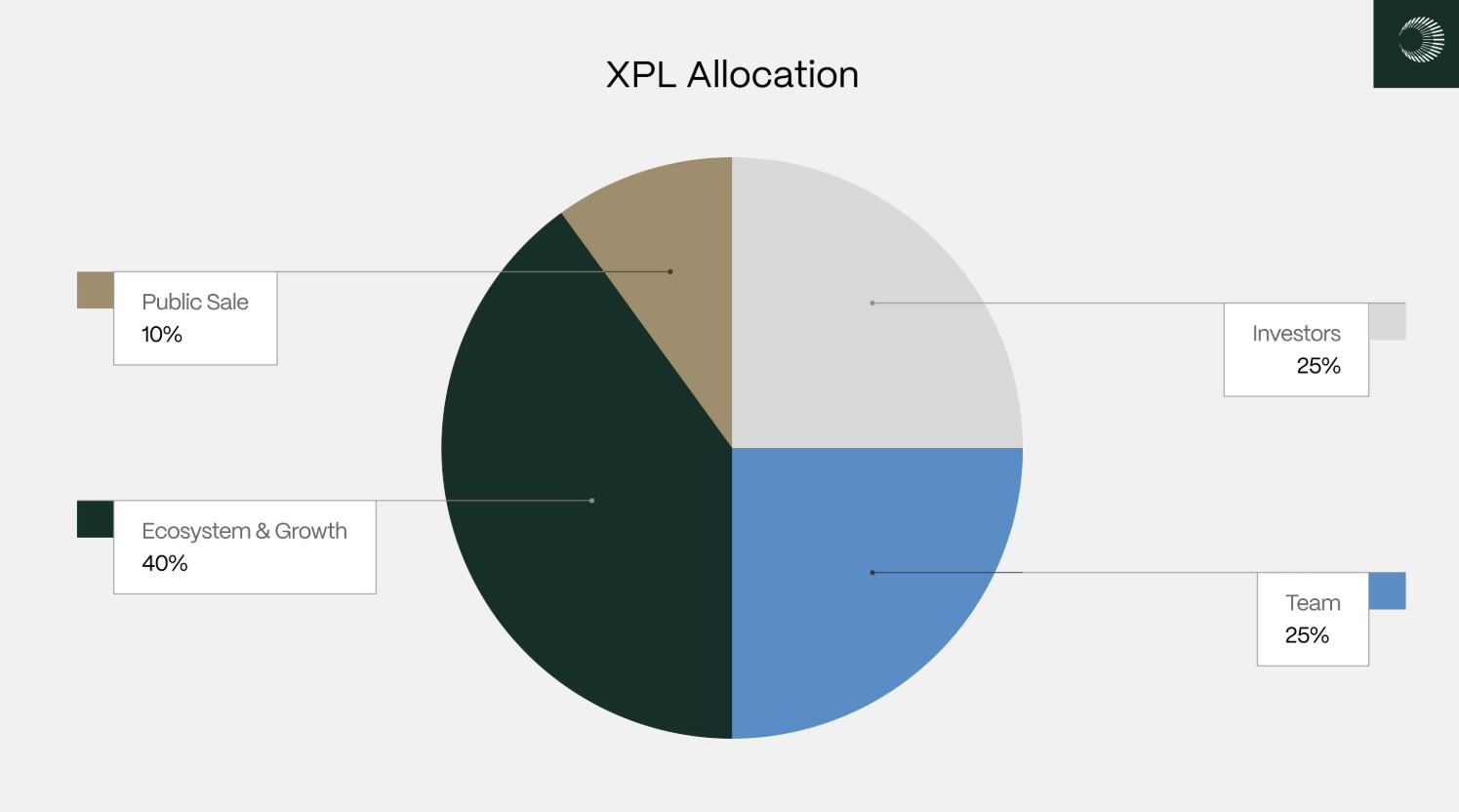
XPL launched with a genesis supply of 10 billion tokens. At the time of launch, 1.8 billion tokens (18%) entered circulation.
The allocation is split as follows:
- 40% to ecosystem growth and incentives.
- 25% to team and founders.
- 25% to investors.
- 10% to community and public sale.
Team and investor allocations have a one-year cliff followed by monthly releases across two years. Ecosystem allocations are unlocked gradually over three years.
Plasma also runs on an inflationary model. Rewards start at 5% annual inflation and reduce 0.5% each year, reaching a 3% floor. To offset this, part of transaction fees is burned under an EIP-1559 style system.
Market reception
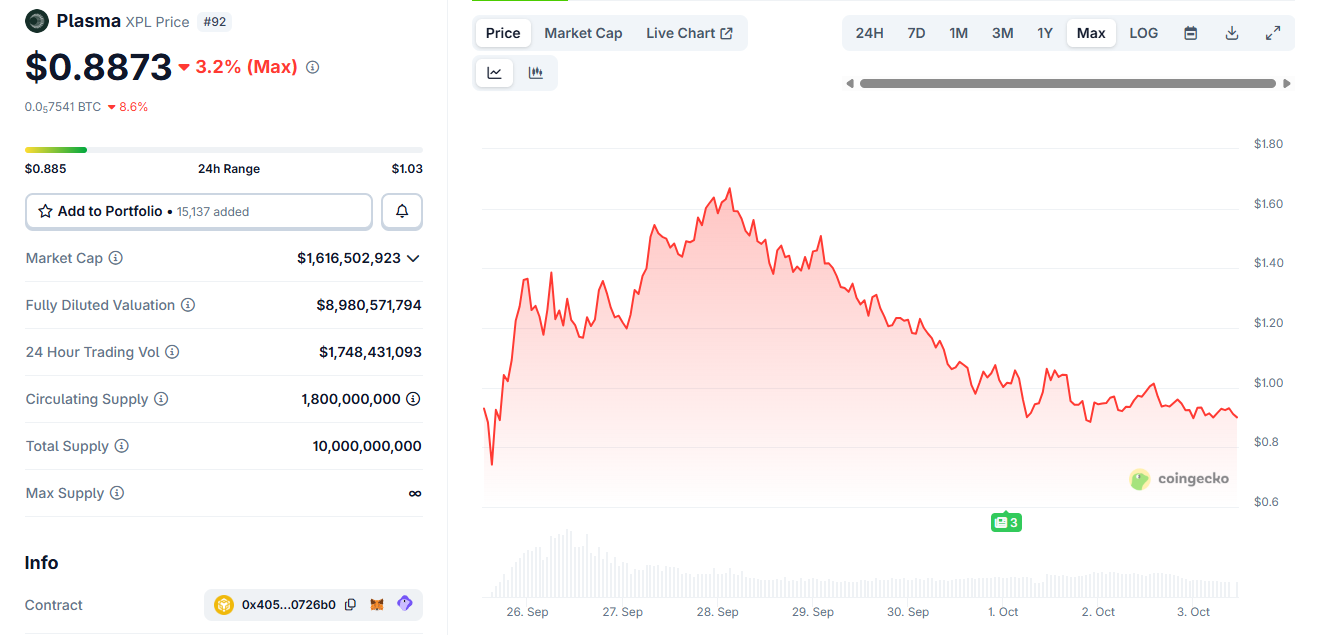
Plasma’s mainnet beta and XPL launch went live on September 25, 2025. Major exchanges, including Binance and OKX, listed the token.
At launch, Plasma locked over $2 billion in stablecoin liquidity and integrated with more than 100 DeFi protocols such as Aave, Euler, and Ethena. XPL briefly traded as high as $1.54 before stabilizing at lower ranges.
Backing from Tether and high-profile investors added further credibility, but the network still faces challenges in sustaining adoption beyond early speculation.
Risks to watch
Despite its strong debut, XPL carries several risks:
- Token release pressure: Team and investor tokens unlock gradually, which may create sell pressure.
- Gas subsidy sustainability: Covering USDT transfer costs is attractive but may strain the system if demand spikes.
- Bridge vulnerabilities: The Bitcoin bridge introduces new attack surfaces.
- Validator centralization: The long-term distribution of validators is unclear.
- Regulatory scrutiny: A stablecoin-focused blockchain could face added attention from regulators.
Beginners and intermediate investors should view XPL as a high-potential but high-risk token in its early stages.
How to Earn Passive Income with XPL
XPL holders have several ways to generate income:
- Staking
- Delegating XPL to validators secures the network and earns rewards.
- Current rewards come from inflation and transaction fees.
- Only rewards are slashed if validators misbehave, not the principal.
- Liquidity provision
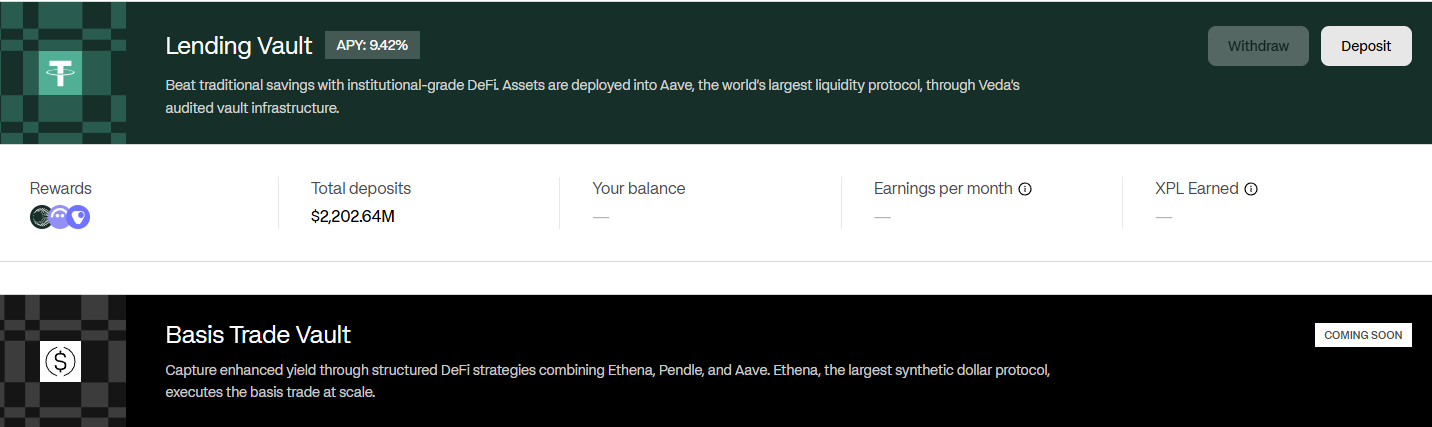
- XPL can be supplied to liquidity pools or DeFi protocols on Plasma.
- Rewards may be higher but carry risks such as impermanent loss.
- Ecosystem incentives
- Plasma has allocated 40% of supply to growth, which funds liquidity mining and airdrop-style rewards.
- Early participants in staking and DeFi may benefit from these incentives.
- Fee burn effect
- As network activity grows, fee burning may reduce circulating supply, indirectly benefiting long-term holders.
Staking is the most straightforward and lower-risk way to earn passively. DeFi farming offers higher upside but requires tolerance for volatility and smart contract risk.
Final thoughts
Plasma’s XPL token launch reflects a growing trend of blockchain networks targeting stablecoin adoption as their core use case. Its user-friendly design, DeFi integrations, and strong backing give it an early advantage.
However, investors must weigh token release schedules, sustainability of gas subsidies, and regulatory challenges before committing long-term.
For those looking to earn passively, staking XPL provides a relatively simple entry point, while DeFi opportunities may appeal to risk-tolerant users.
Plasma’s success will depend on whether it can move beyond speculative trading and establish itself as a true stablecoin payments backbone.



 Thank you for your feedback! We’re glad you found this article helpful.
 An error occurred while sending the form, please try again.
 We are sorry. You've already sent a message within the last 60 seconds. Please wait before sending another.
 Thank you for letting us know! Our team will review your feedback to help improve our content.
We're sorry you did not find what you were looking for. Please select the reason this article was not helpful.