


 4 min read
Snorter Bot Presale: Is The SNORT Meme A Scam Or Legit?



 AI Overview
Snorter ($SNORT) is a Solana/Ethereum meme-token presale that promises a sub‑second Telegram trading bot and staking yields up to 2,650% APY. Aggressive marketing, anonymous founders, partial audits and opaque tokenomics make it a high‑risk speculative offering.
- Team anonymity: No named founders or verifiable developers—only one legal name in fine print—raising rug‑pull and governance concerns.
- Unsustainable tokenomics & valuation: 45% allocated to devs/marketing with no public vesting; 60‑tier presale implies FDV >$50M on <$2M raised.
- Product & audit gaps: Promised bot, high APYs and audits claimed, but no public code, full audit reports, or live product to substantiate claims.
As meme coins continue to flood the crypto market, a new project called Snorter ($SNORT) has launched a presale with bold claims and aggressive marketing. Promoting itself as the “fastest Solana trading bot” and offering staking rewards with annual yields as high as 2,650%, the project has attracted attention — but also skepticism.
This article analyzes Snorter based on its website, tokenomics, smart contract audit status, team transparency, and third-party coverage. Here are the facts and the red flags investors should know before participating.
What is Snorter token?
Snorter is a Solana and Ethereum-based meme coin that promises to integrate with a Telegram trading bot. According to the project website, this bot will offer sub-second token swaps, MEV protection, copy trading, and staking.
The SNORT token is currently being sold through a multi-tier presale that increases in price every few stages. The project claims the bot will reward early stakers with very high APYs and lower trading fees. However, at the time of writing, the actual trading bot is not yet live to the public.
Key facts from the official website
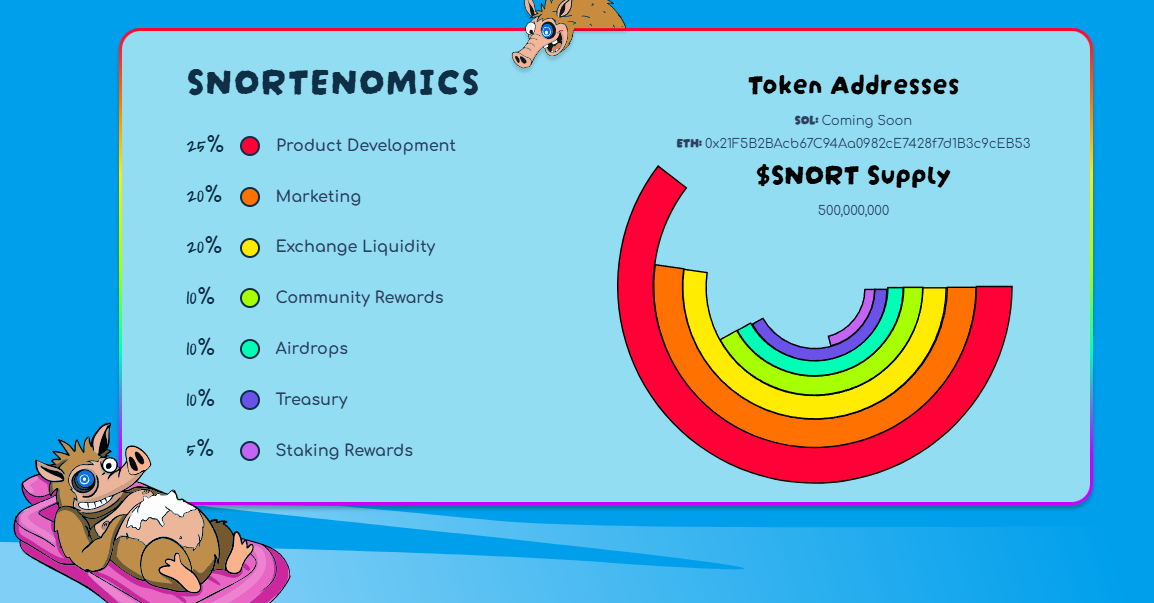
- Total supply: 500 million SNORT
- Token allocation: 25% to development, 20% to marketing, 20% to liquidity, 12% to presale
- Current fundraising: ~$1.16million raised from presale (data from CryptoNews)
- Smart contract audits: Coinsult and SolidProof (but not all audit reports are publicly linked)
An anonymous team and a lack of transparency
One of the clearest red flags is the complete anonymity of the team behind Snorter. The website does not mention any names, LinkedIn profiles, or team bios. Only a single individual — Aleksandar Radev Kostov — is listed in the legal fine print as a managing director of a BVI-based entity, Meme Studio LAB Limited.
There is no way to verify who is actually building the trading bot or managing the treasury. This lack of accountability is a common issue in rug-pull scams, where anonymous founders disappear with investor funds.
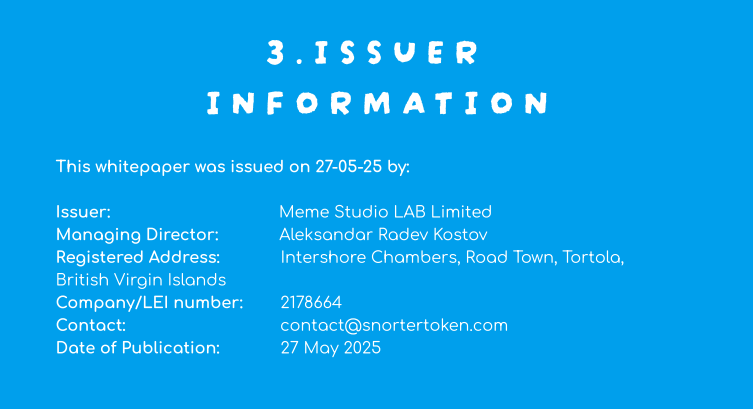
Reputable crypto projects typically share detailed information about founders, advisors, and developers. In Snorter’s case, the absence of transparency should raise concern.
Overpromised features and inflated claims
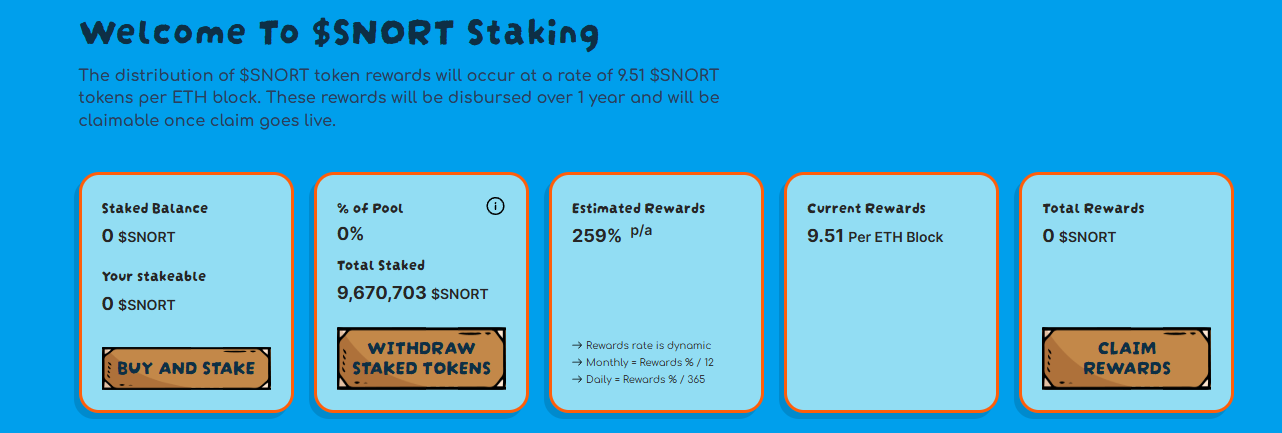
The Snorter website markets the project as the fastest and cheapest trading bot on Solana. It also promises staking yields as high as 2,650% APY — a figure that is mathematically unsustainable over any long period.
Many of the bot’s features — copy trading, wallet analytics, MEV protection, DAO governance — are still in the development stage. There is no GitHub link or codebase available for public review. And without a live product, investors are being asked to buy into future promises.
Such aggressive marketing without technical documentation is often a red flag. While meme coins can thrive on hype, investment decisions should be grounded in product delivery and transparency.
Tokenomics and presale mechanics
Snorter’s token distribution allocates nearly half of the total supply (45%) to the development and marketing teams. There is no public information about token lockup or vesting schedules, raising the risk that insiders could dump tokens soon after launch.
The presale is structured in 60 price tiers, gradually increasing the token price. Currently, SNORT is sold at around $0.1053. The implied fully diluted market cap exceeds $50m, despite less than $2m raised.
This creates a mismatch between valuation and actual adoption. If the token launches without sufficient liquidity or use cases, it could crash in price immediately after listings.
Audit status: partially reviewed, not fully verified
Snorter claims to have passed audits by Coinsult and SolidProof, two firms that review smart contract code. According to Coinsult, the SNORT contract has no critical vulnerabilities.
However, these audits are not publicly available on the Snorter website. More importantly, it is unclear if the audits cover the entire ecosystem, such as the staking mechanism or Telegram bot contracts.
Transparency around audits is essential. A private audit, without community access to the results or code, does not provide sufficient security assurance.
Media coverage and domain risk
Snorter has been featured in several crypto media outlets. However, most of this coverage appears to be sponsored content or press releases, not independent reporting.
There is no coverage from major research firms, crypto auditors, or respected blockchain analysts. This limits the project’s credibility in the eyes of experienced investors.
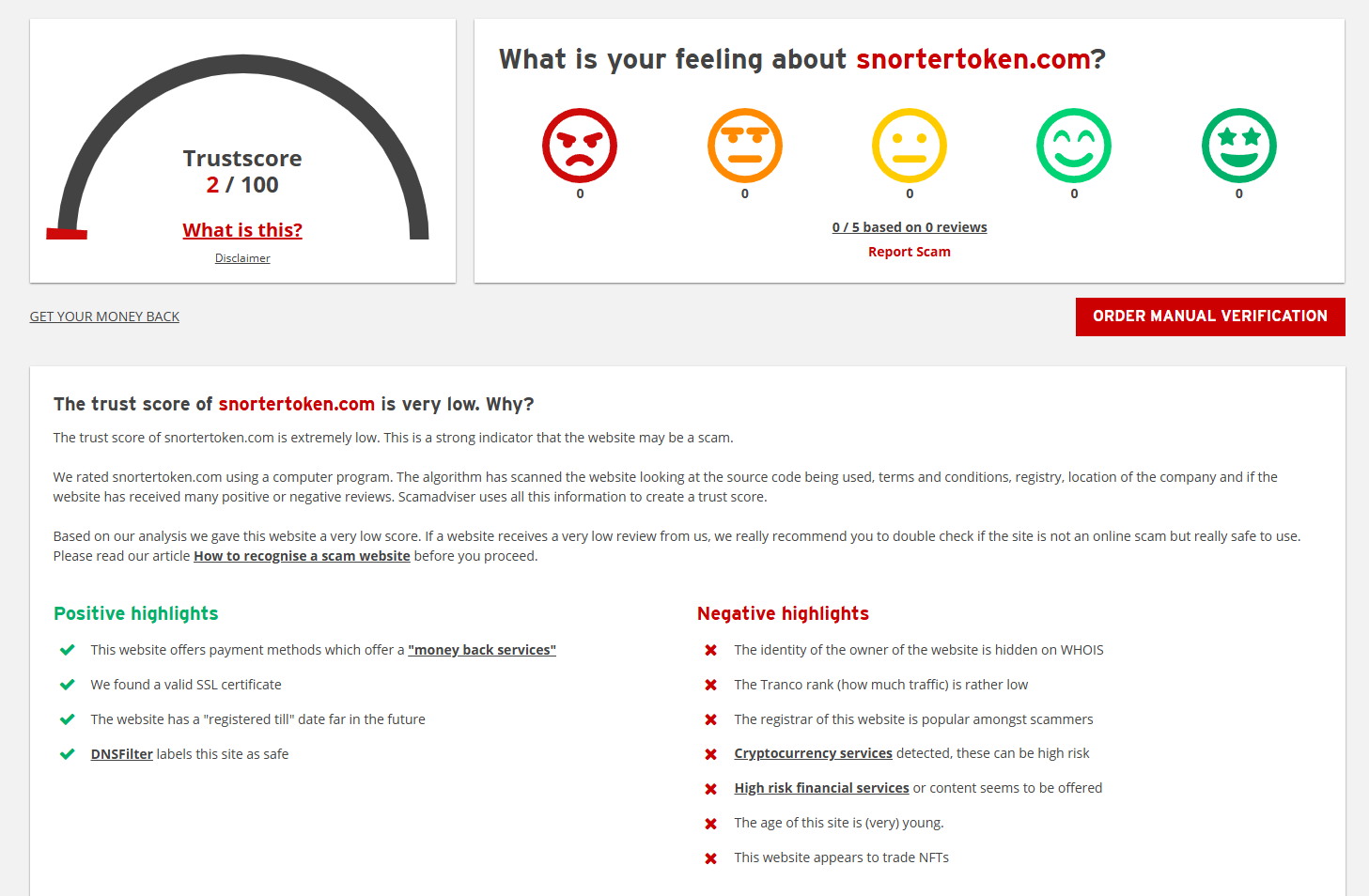
Further, Snortertoken.com received a low trust score from ScamAdviser. The site uses a registrar often associated with fraudulent sites, and WHOIS data is hidden.
What to watch out for
Red flags from the project include:
- No named or verifiable founders
- No public code or GitHub
- Staking APY over 2,000% with no explanation
- No vesting or lockup information
- Sponsored media coverage, not independent analysis
- Questionable audit transparency
While the project does have an active website and presale system, and appears to be working with audit firms, its anonymous leadership and marketing tactics present a high level of risk.
Final thoughts
Snorter is a high-risk meme coin project with limited transparency and unproven functionality. It may appeal to speculators chasing the next viral token, but it lacks the credibility and safeguards associated with legitimate long-term projects.
As with any presale investment, users should conduct their own due diligence, verify audits independently, and never invest more than they can afford to lose. Transparency, founder accountability, and working products matter more than meme hype.



 Thank you for your feedback! We’re glad you found this article helpful.
 An error occurred while sending the form, please try again.
 We are sorry. You've already sent a message within the last 60 seconds. Please wait before sending another.
 Thank you for letting us know! Our team will review your feedback to help improve our content.
We're sorry you did not find what you were looking for. Please select the reason this article was not helpful.

 You’re in. Thanks for joining our newsletter.
