


 3 min read



 AI Overview
A concise review of the PEPENODE presale finds a verified token contract but multiple structural risks — paid PR, concentrated supply, vague documentation, thin liquidity, and an anonymous team. Overall, it reads as a high‑risk speculative offering best approached with caution.
- Paid media: Coverage is largely sponsored on small outlets with no organic reporting or grassroots buzz, suggesting marketing‑driven hype.
- Concentrated tokenomics: Roughly 70% of supply sits in team‑controlled wallets with no clear vesting, raising strong sell‑off and centralization risks.
- Market & governance risk: Tiny liquidity, few holders, and an essentially anonymous team make the market fragile despite a verified contract.
PEPENODE is the latest meme coin presale to attract attention. Like many projects in this space, it promises community rewards, token burns, and gamified mining.
But traders should pause before rushing in. Let’s break down the key factors that reveal whether this project looks credible or carries red flags.
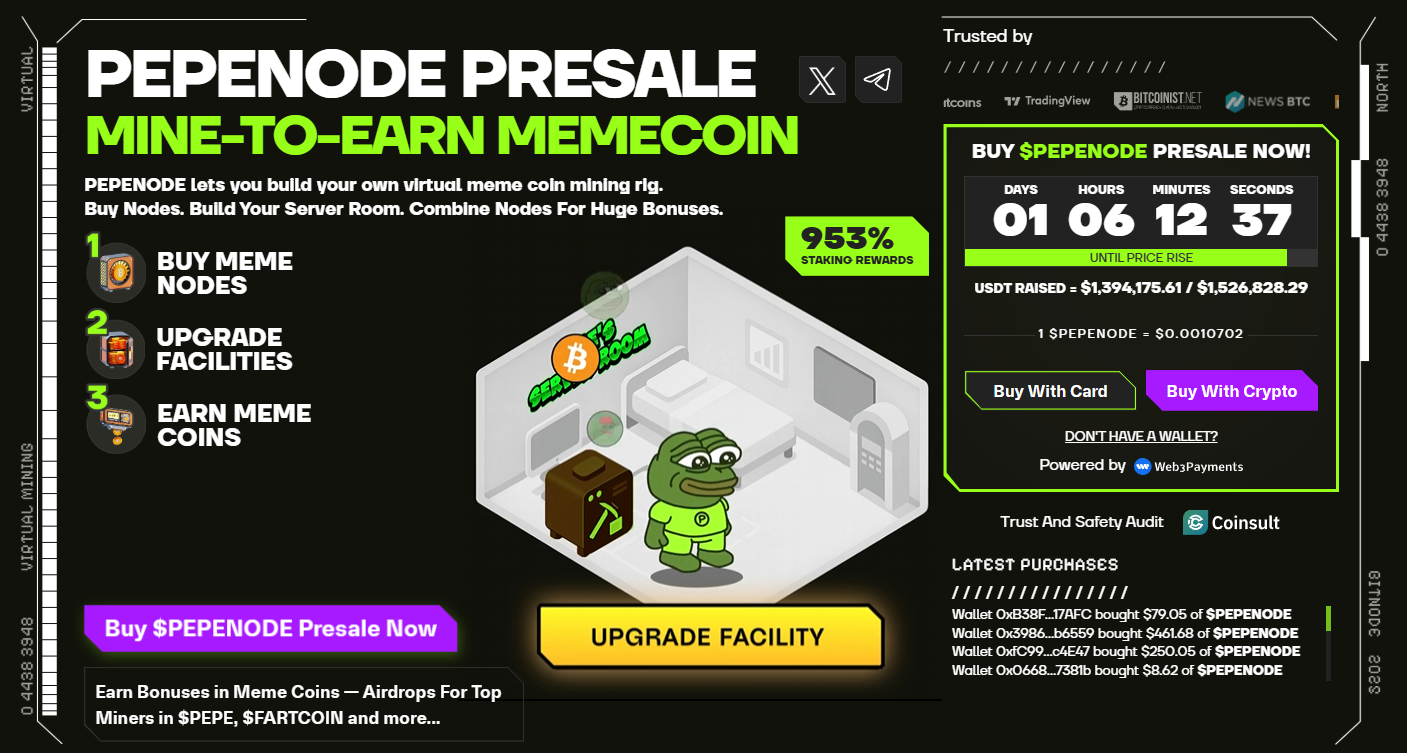
Media coverage: Mostly paid promotions
All of PEPENODE’s press so far comes from sponsored articles on smaller crypto blogs and newswires. Several crypto-native outlets have covered it, but those pieces are clearly labeled as paid or promotional content.
There’s no organic coverage from major crypto publications or independent journalists. That means much of the hype is paid marketing rather than genuine industry interest.
Community sentiment: Cautious and skeptical
Discussions about PEPENODE on Reddit and crypto forums are limited. Most posts appear promotional, with little organic debate. A few users have flagged concerns, such as the project’s website and materials resembling older questionable projects.
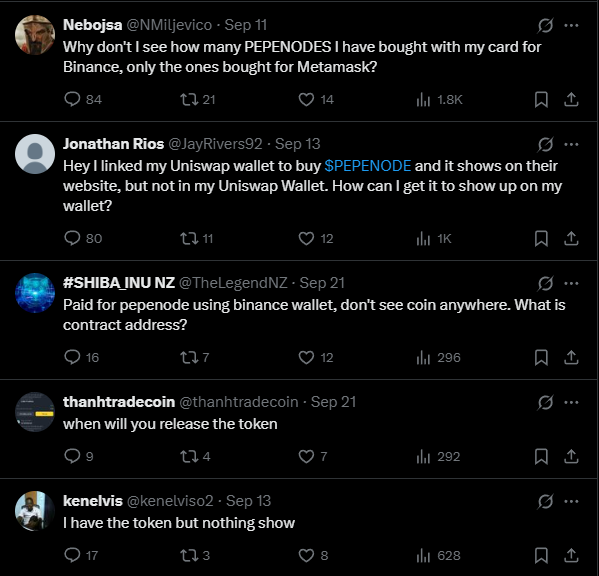
Others warn about bot-like promotions and the lack of grassroots support. While some influencers mention the token, overall community buzz is thin, and skepticism is stronger than excitement.
 DON’T GET REKT
Curated drops, testnets and red flag alerts straight to your inbox ✌️
 You’re in. Thanks for joining our newsletter.

Tokenomics: Heavy team allocation
PEPENODE minted 210 billion tokens. The whitepaper says there were no private sales, but the allocation raises questions:
- 35% for protocol development
- 35% for business development
- 15% for infrastructure and marketing
- 7.5% for staking rewards
- 7.5% for growth and listings

That means about 70% of supply sits in team-controlled wallets, with no clear vesting schedule or lockup. Although the project highlights a burn mechanism (70% of tokens spent on upgrades are destroyed), the sheer concentration of supply in project accounts creates major risk of sudden sell-offs.
Whitepaper and website: Vague and promotional
The whitepaper is only ten pages and focuses more on marketing than technical detail. It mentions “Mine-to-Earn” gaming and future NFT integration, but provides no development timeline, no technical audits, and no concrete roadmap milestones.
The website is polished but light on specifics. The only named individual is a managing director of a shell company registered in the British Virgin Islands. Overall, the documents look professional but lack substance.
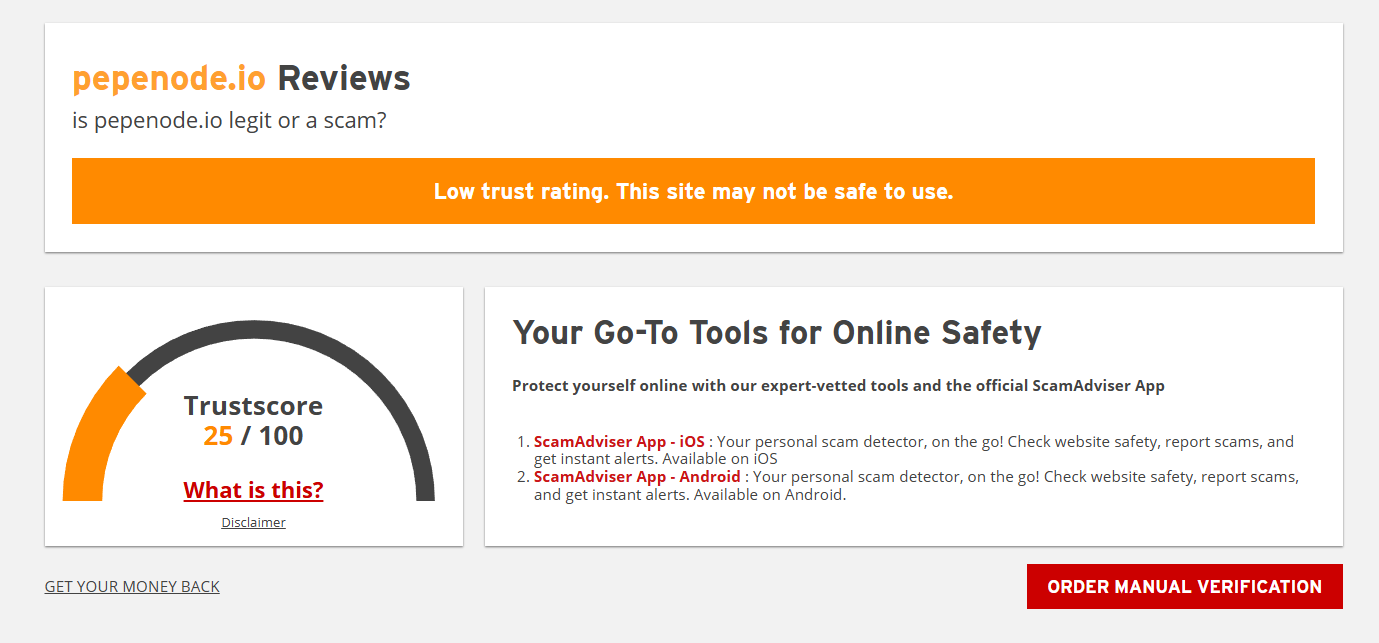
On-chain data: Thin liquidity and concentrated holders
The token contract is verified on BNB Chain and doesn’t contain malicious functions. Ownership is reportedly renounced, which means the developers can’t alter the contract. But on-chain data tells another story:
- Only a handful of wallets currently hold PEPENODE.
- Liquidity is tiny, with almost no real trading volume.
- Most tokens remain in a few addresses, creating centralization risk.
So while the code itself seems clean, the market activity is minimal and fragile.
No team transparency
The only name tied to PEPENODE is Fahim Rahman, listed as managing director of Neuriki Ltd, a BVI-registered company formed in mid-2025.
No developers, advisors, or credible backers are identified. The lack of doxxed leadership means there’s no way to verify the experience or intentions of those running the project.

Verdict: High-risk presale with red flags
PEPENODE doesn’t show obvious signs of being an outright scam—the contract is verified, and there are no hidden mint functions. But the overall picture is risky:
- Media coverage is entirely paid.
- Community chatter is thin and skeptical.
- Tokenomics concentrate most supply in team wallets.
- Documentation is vague.
- Liquidity and holder distribution are extremely weak.
- The team remains largely anonymous.
For traders, this adds up to a classic high-risk meme coin presale. It might deliver quick speculative gains if hype catches on, but the structural risks point more toward potential collapse than long-term value.
Anyone considering involvement should treat PEPENODE with extreme caution and do their own thorough research (DYOR).



 Thank you for your feedback! We’re glad you found this article helpful.
 An error occurred while sending the form, please try again.
 We are sorry. You've already sent a message within the last 60 seconds. Please wait before sending another.
 Thank you for letting us know! Our team will review your feedback to help improve our content.
We're sorry you did not find what you were looking for. Please select the reason this article was not helpful.