


 4 min read
Is DeepSnitch AI ($DSNT) Presale Legit or a Scam?



 AI Overview
Independent analysis flags DeepSnitch AI’s $DSNT presale as severely risky: anonymous founders, self‑hosted fundraising, audits limited to the token contract, and implausible staking yields—factors that together point to a scam‑likely offering.
- Verdict: Extremely high risk; treat the presale as scam‑likely given absent custody controls, vesting schedules, and team transparency.
- Top red flags: Self‑hosted presale, audits only of token.sol, anonymous team, advertised 500%+ APR, no LP/vesting locks, and phishing reports.
- If you bought: Stop interacting with project links, revoke approvals, move assets to a new wallet, document losses, and report to relevant authorities.
 DON’T GET REKT
Curated drops, testnets and red flag alerts straight to your inbox ✌️
 You’re in. Thanks for joining our newsletter.

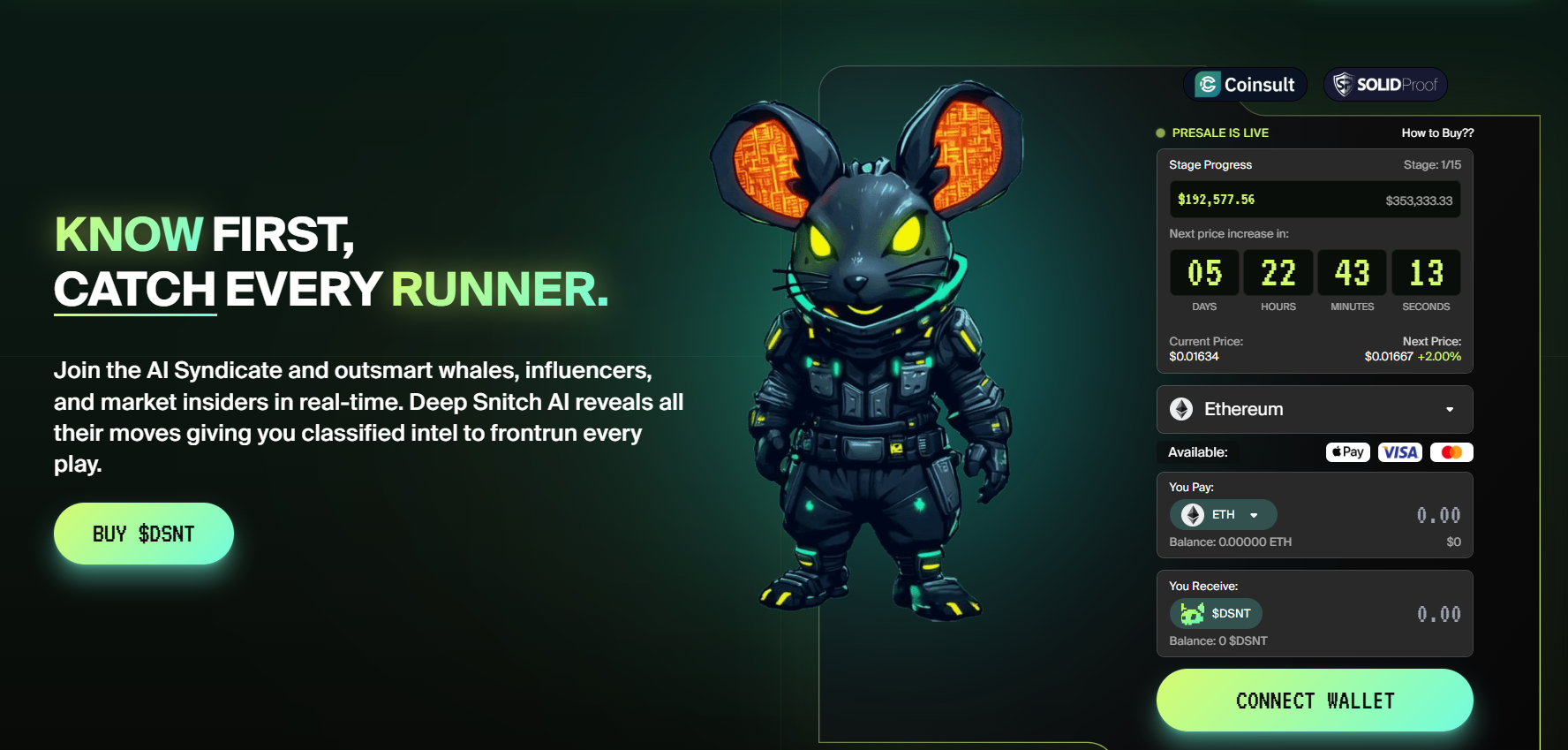
DeepSnitch AI’s $DSNT presale is one of the latest projects to have gained viral media coverage over the past month. Branded as a hub for AI agents that offers extremely high staking yields, DeepSnitch claims to have raised over $192,000 in its presale so far, at the time of writing.
Cryptomaniaks has analyzed the project’s Whitepaper, claims, social media engagement, audits, and several other technical aspects to determine whether the $DSNT presale is legit or a scam.
What the whitepaper promises
The document pitches a surveillance suite of five “AI agents” that monitor chains and social channels to surface whale moves and early “alpha.” It lists graph neural networks, NLP, custom RPCs, and privacy tech.
However, it provides no verifiable artifacts—no GitHub, demo, benchmarks, infra plan, or cost model for running the described analytics.
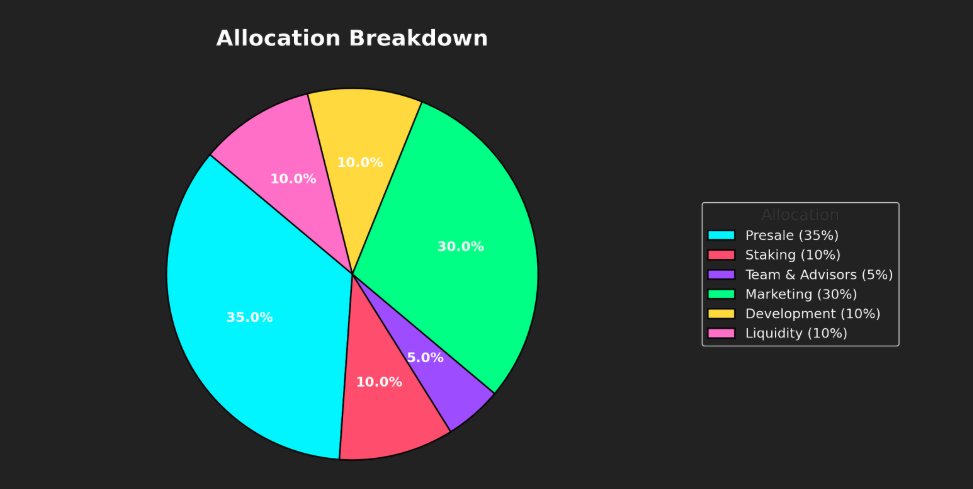
It also omits basic investment-grade details: team identities, company registration, vesting tables, unlock schedules, liquidity policy, or multisig custody.
What the audits actually cover
Coinsult and SolidProof have audited the project. These audits show a clean token.sol. The contract has been verified; there is no mint, blacklist, honeypot, pause, or ownership renouncement. That’s positive for trading safety once a market exists.
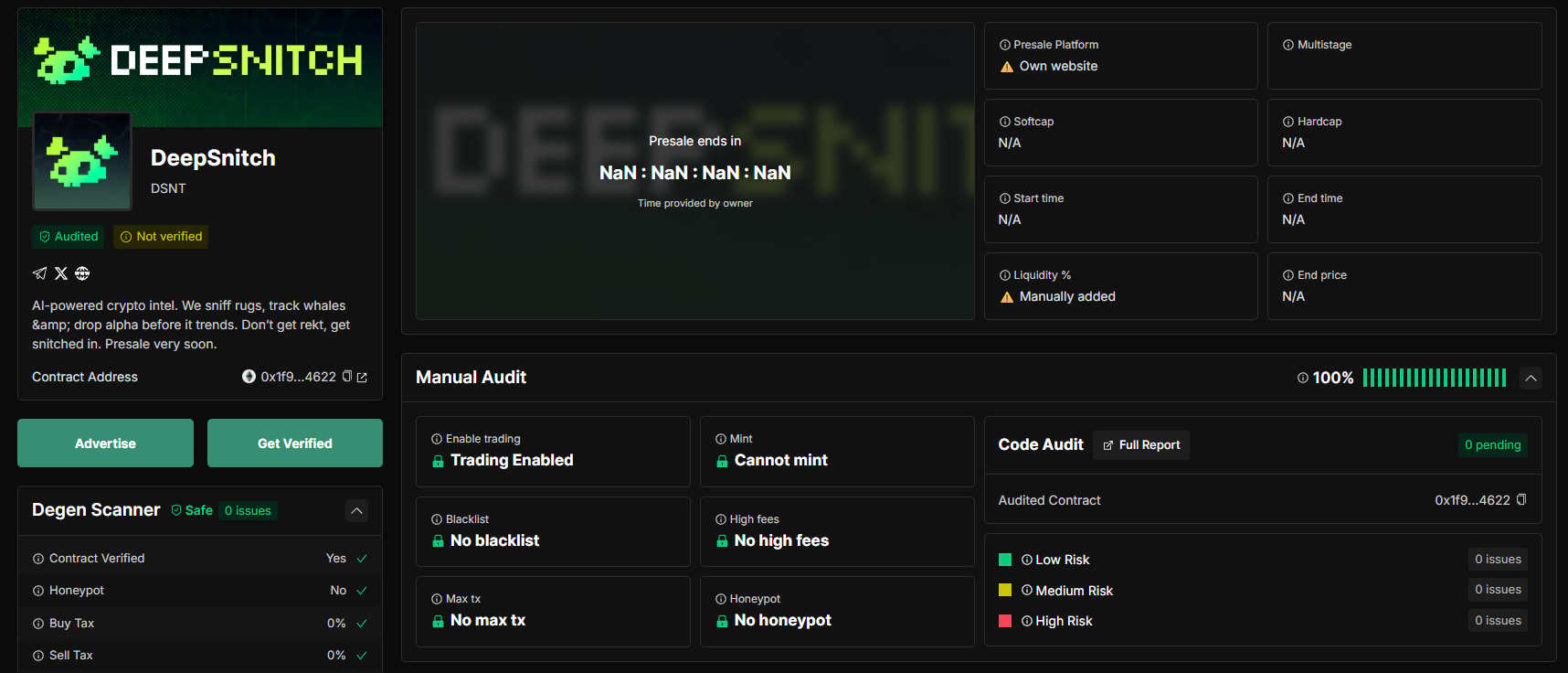
However, both audits exclude the parts that hold buyer money and create the most scam risk: presale contracts, staking contracts, any bridge/transfer logic, liquidity lock arrangements, and treasury custody.
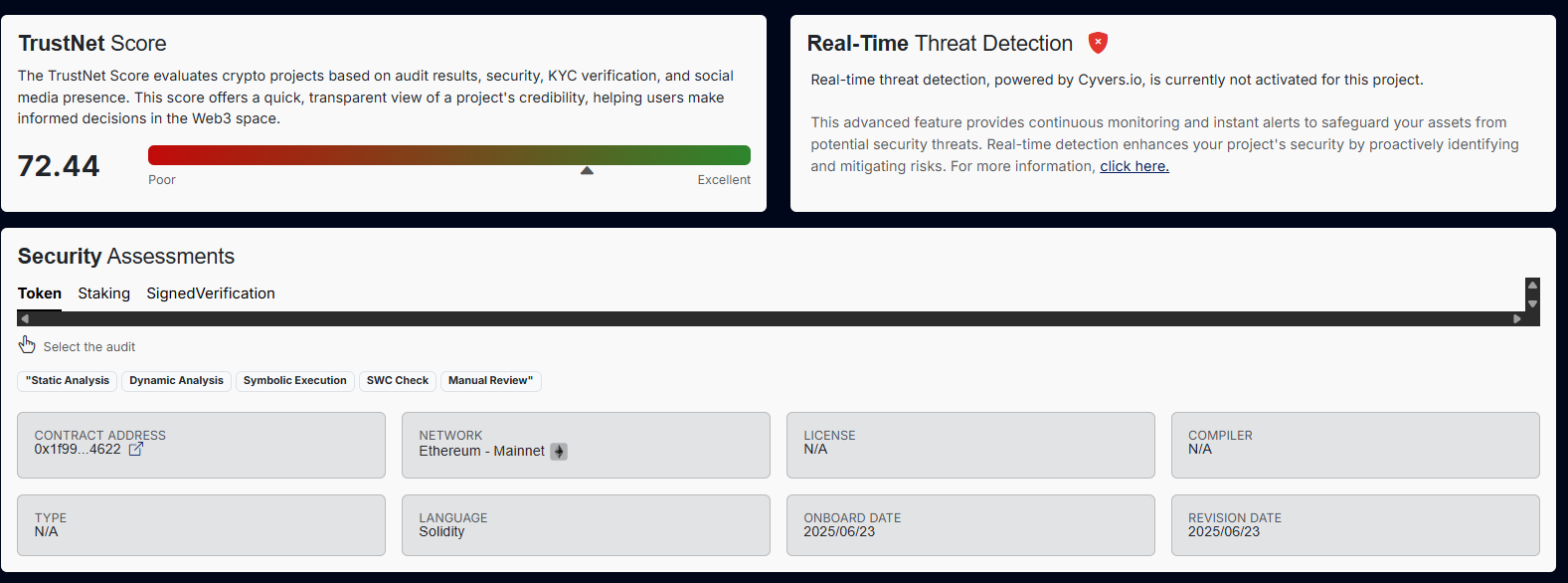
SolidProof’s dashboard labels the overall TrustNet score 72.44 (good), but its real-time threat monitoring isn’t enabled. A clean token.sol does not make a presale safe.
What the presale site shows
The sale runs on DeepSnitch’s own website—not a third-party launchpad with escrow. Stages are set to 15, with a $353,333.33 stage cap at the time of review, implying a potential raise of about $5.3 million if all stages fill.
Self-hosted presales are risky because funds can flow straight to team-controlled wallets unless the project proves otherwise (multisig, timelock, escrow).
The presale page and whitepaper provide no hard/soft cap policy, refund terms, public treasury addresses, or liquidity-lock proof.
Staking yields that don’t add up
The staking page advertises ~582.76% APR (projected ~682.76% APY) and “1.60% daily” returns. This is unrealistic and extremely high.
There is no stated revenue source to fund this yield. That points to emissions-driven rewards—tokens printed to pay stakers—which typically collapse once trading begins and sell pressure hits. High daily yields with no income engine are a hallmark of Ponzi-style tokenomics.

Domain and reputation checks
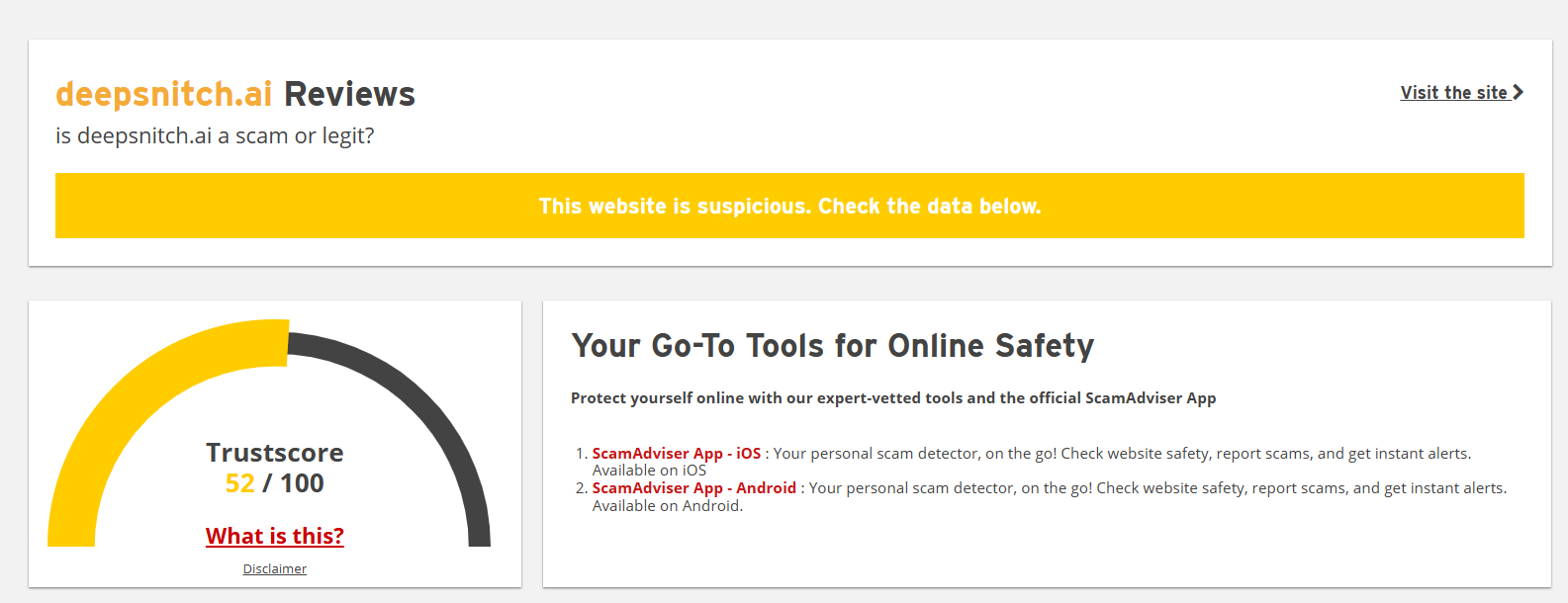
A Scamadviser report rates deepsnitch.ai at 52/100 (“slightly low”) with negative flags: hidden WHOIS ownership, low traffic, recent registration, and crypto-service risk.
These services are conservative and not definitive, but paired with an anonymous team and self-hosted fundraising, the risk picture worsens rather than improves.
Community feedback
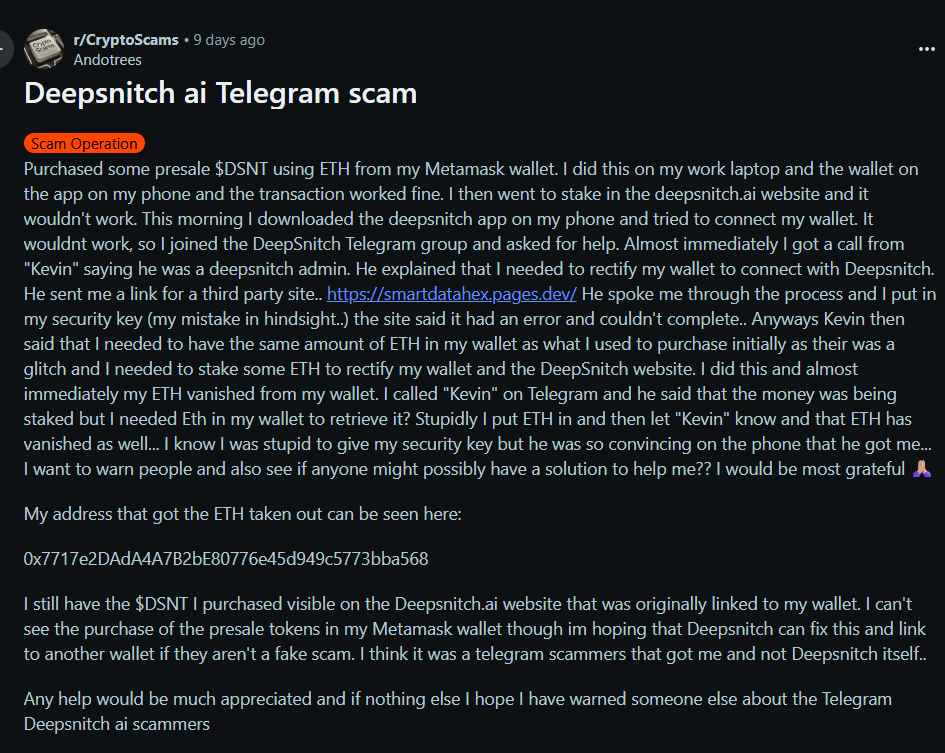
A recent r/CryptoScams post describes a buyer who interacted with a supposed “DeepSnitch admin” on Telegram, was sent to a third-party site, entered sensitive wallet information, and lost ETH.
Whether the scammer was an impostor or part of the operation, the effect is the same: buyers are being targeted through project-branded channels and credential-theft playbooks.
Serious teams police this behavior aggressively and publish strict security playbooks; I couldn’t find any such program here.
What’s missing that should exist
For a presale seeking millions, the minimum bar is clear and on-chain:
- Named founders with verifiable LinkedIn and a registered legal entity.
- Audited presale and staking contracts, plus any bridge or transfer logic.
- Vesting contracts for team/marketing/dev with live on-chain schedules; public treasury/multisig addresses; LP-lock proof and duration.
- A token emissions model that ties staking rewards to real fees or revenue, not uncapped inflation.
- Terms of service, risk factors, restricted geos, and privacy policy that match the actual mechanics.
DeepSnitch AI provides none of this.
Is DeepSnitch AI a scam?
Avoid. Treat the DeepSnitch AI $DSNT presale as extremely high risk, scam-likely.
The token contract may be clean, but presale custody, staking, liquidity, and team transparency are where investor protection lives—and they’re either missing or hazardous here.
The combination of self-hosted fundraising, impossible yields, no vesting/lock proofs, weak reputation signals, and an active phishing episode is enough to fail basic due diligence.
If you already bought
- Stop interacting with the site, Telegram “admins,” or unfamiliar links.
- Revoke token approvals for DSNT/presale/staking using a reputable approval revoker.
- Move assets to a fresh wallet; treat exposed wallets as compromised.
- Monitor for liquidity events but avoid claiming/bridging via project links.
- Document and report losses to relevant cybercrime units and consumer-protection portals.
If the team later publishes verifiable on-chain locks, audited presale/staking contracts, and real identities, the risk profile can be re-evaluated.
Based on current evidence, though, this presale does not meet a safe participation standard.



 Thank you for your feedback! We’re glad you found this article helpful.
 An error occurred while sending the form, please try again.
 We are sorry. You've already sent a message within the last 60 seconds. Please wait before sending another.
 Thank you for letting us know! Our team will review your feedback to help improve our content.
We're sorry you did not find what you were looking for. Please select the reason this article was not helpful.