


 3 min read
7 Biggest Crypto Presale Scams of 2026




 AI Overview
A roundup of 2026’s worst crypto presale scams and the tactics they use to extract retail capital. Practical red flags and defensive steps explain how these schemes operate and what investors should verify before committing funds.
-
Projects like BlockDAG, ZKP Blockchain, MAGACOIN, MaxiDoge, DeepSnitch, Blazpay, Sonami, Bullzilla, and Moonbull show warning signs like unrealistic ROI claims, extremely long presales, anonymous teams, no audits, and no working products.
-
Legitimate presales are rare and typically use audited launchpads, transparent teams, and verifiable products, so investors should always verify audits, tokenomics, and on-chain activity before participating.
- Crypto presales often turn investors into exit liquidity, with anonymous teams selling newly created tokens in exchange for ETH, SOL, or USDC without delivering real products.
Although 2026 started with a bear market, there are still countless crypto projects trying to take your hard-earned cash. One of the easiest ways to do this is through presales that promise high returns, revolutionary utility, and exclusive early access.
The Don’t Get Rekt team at CryptoManiaks reviewed the scammiest, red flaggiest presales.
What is a Crypto Presale?
In theory, a presale is a fundraising event where a crypto project sells its tokens to early investors before public exchange listings.
Ideally, presales:
- Fund development
- Reward early adopters with lower entry prices
- Help bootstrap ecosystem growth
In practice, however, presales are often used to convert worthless tokens into real crypto. Developers sell newly created tokens in exchange for ETH, SOL, or USDC, turning buyers into exit liquidity.

Why Are There So Many Presale Scams?
Presales have become the easiest way to extract money from retail investors with minimal accountability.
Here’s why scams continue to proliferate:
- Low barrier to entry: Anyone can launch a presale contract and website for under $500.
- No regulatory oversight: Unlike IPOs, there are no SEC filings, investor protections, or mandatory disclosures.
- The sponsored content loop: Scammers pay crypto news sites and influencers to publish promotional content disguised as legitimate coverage.
- Technical jargon and narrative hype: Complex terminology like AI, ZK proofs, or Layer 2 scaling is often used to confuse investors and create false credibility.
Are any Crypto Presales Legitimate?
Yes, but they are rare. Legitimate presales typically:
- Launch through reputable launchpads like Seedify or Polkastarter
- Require audits and KYC verification
- Have transparent teams and verifiable products
If a presale is hosted exclusively on its own website, run by an anonymous team, and relies heavily on countdown timers and aggressive marketing, the risk increases dramatically.
 DON’T GET REKT
Curated drops, testnets and red flag alerts straight to your inbox ✌️
 You’re in. Thanks for joining our newsletter.

Biggest Presale Crypto Scams of 2026 (So Far)
As of early February 2026, these are the most concerning presales currently active.
BlockDAG
The original large-scale presale scam of this cycle.
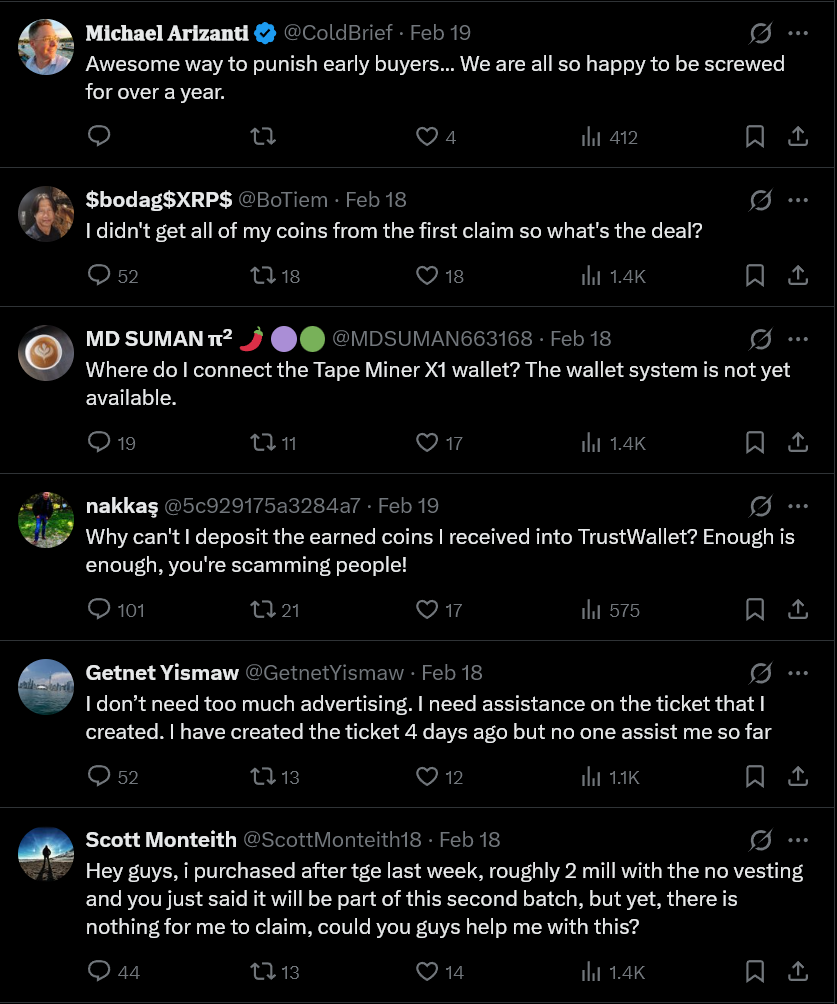
BlockDAG reportedly raised hundreds of millions of dollars through aggressive marketing, unrealistic ROI promises, and expensive mining hardware offerings with unclear utility.
Despite repeatedly claiming the sale will end soon, extensions continue indefinitely.
This is the template many newer presale scams now follow.
ZKP Blockchain
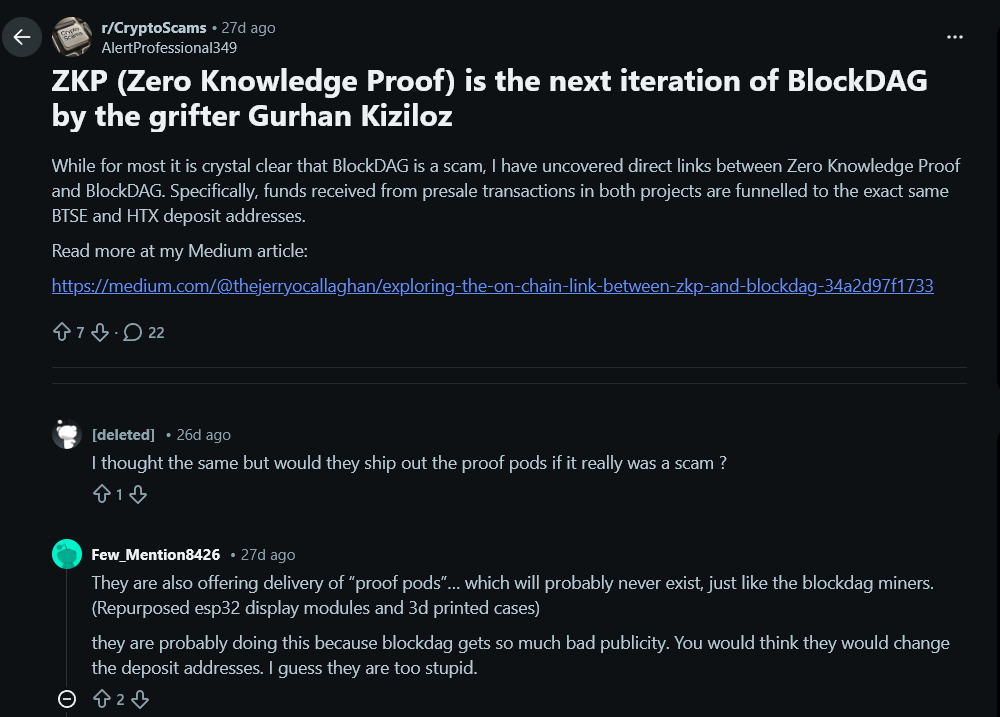
Uses complex jargon, aggressive marketing, and a long-duration presale to extract funds. The structure closely resembles BlockDAG.
The project is running a 450-day presale, which is extremely unusual. Legitimate presales run for weeks, not for over a year.
The total supply is 257 billion tokens. Extremely high supply often enables price manipulation and dilution.
MaxiDoge & Blazpay
These projects rely heavily on hype rather than substance.
- Poor-quality website and branding
- Claims millions raised without verifiable proof
- No real product
- Interesting concept on paper
- No functional product
- Heavy marketing with limited technical delivery
Both follow classic presale extraction patterns.
The Meme Coin Trio: Sonami, Bullzilla & Moonbull
These projects appear to be low-effort, high-volume meme coin-style presales.
Common red flags include:
- No identifiable team
- No audits
- No on-chain activity
- Unrealistic fundraising claims
Some projects cannot even clearly define their blockchain infrastructure.
These appear designed purely for token sales rather than long-term development.
Verdict
Most presales currently active show clear warning signs.
Presales allow developers to extract capital before delivering real value. In many cases, tokens lose significant value immediately after launch, if they launch at all.
Projects like BlockDAG and ZKP Blockchain demonstrate how sophisticated these operations have become.
Always verify teams, audit reports, tokenomics, and on-chain activity before participating in any presale.
If you encounter suspicious projects, report them and avoid investing blindly.



 Thank you for your feedback! We’re glad you found this article helpful.
 An error occurred while sending the form, please try again.
 We are sorry. You've already sent a message within the last 60 seconds. Please wait before sending another.
 Thank you for letting us know! Our team will review your feedback to help improve our content.
We're sorry you did not find what you were looking for. Please select the reason this article was not helpful.