


 3 min read



 AI Overview
Musk-driven meme tokens in 2025 surge and crash within hours, spawning coins like America Party, BYTE (created by Grok), and Kekius Maximus that pump on tweets, name changes or AI controversies before collapsing.
- Attention-driven pumps: Tokens rally instantly on Musk tweets, name changes, or AI controversies, then collapse as attention fades.
- Mechanics & examples: Rapid launches on Solana/Ethereum using services like Pump.Fun; BYTE (created by Grok) shows social sentiment, not utility, moves prices.
- Strategic risk: Extreme volatility and ephemeral liquidity create trading opportunities but major downside and regulatory/market-manipulation concerns.
For years, Dogecoin (DOGE) has been the poster child of Musk-fueled rallies. But in 2025, a new wave of community-created meme tokens are jumping on the hype train, surging and crashing based on his tweets, name changes, or even AI experiments.
Let’s break down why these coins rise and fall so quickly — and the stories behind each one.
America Party: Musk’s political tweet sparks a meme frenzy
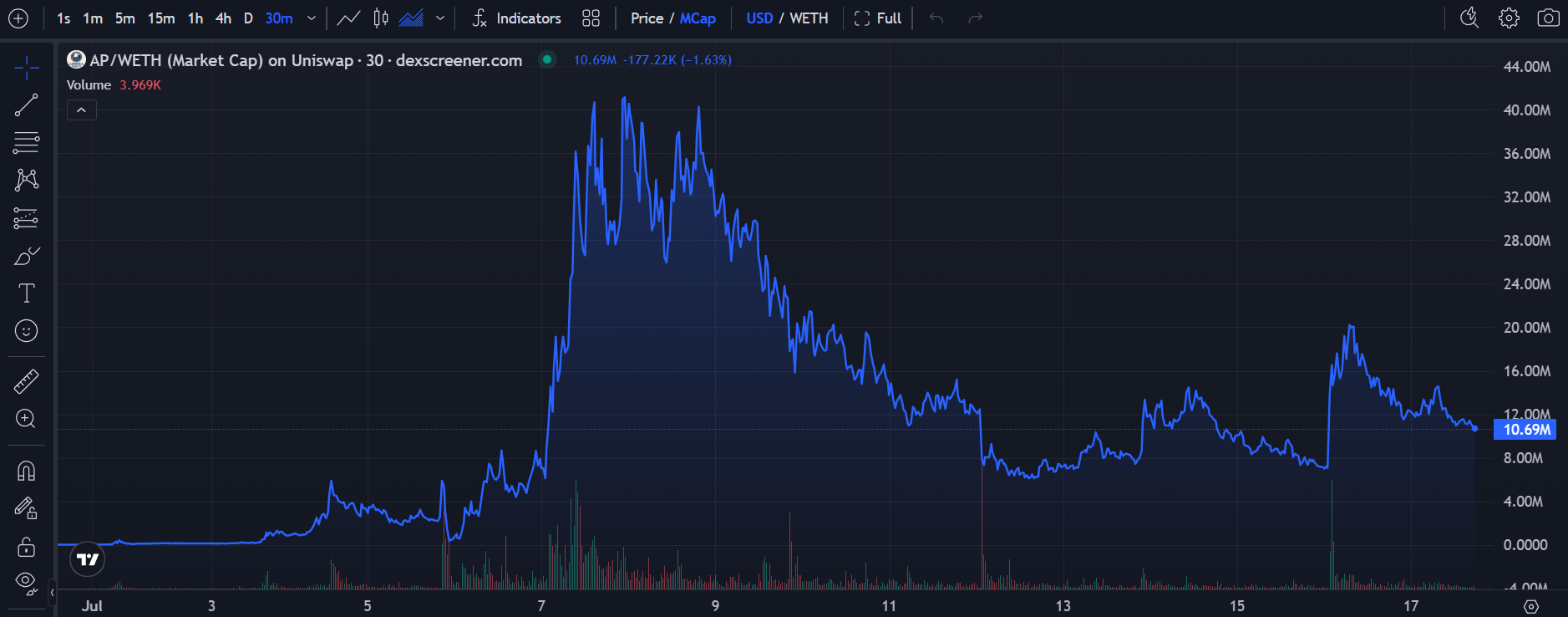
In early July 2025, Musk posted a poll on X (formerly Twitter), asking if America needed a new political party. He named it the ‘America Party‘. Within hours, a meme coin by the same name was live on Solana and Ethereum.
The token — America Party (AP) — shot up 500% in a day and hit a $10million market cap . Traders piled in, even though the coin had zero connection to Musk himself.
But as the tweet faded, so did the price. Within 48 hours, it dropped nearly 90%. Classic meme coin behavior — hype in, hype out.
Several other meme coins have been created using Pump.Fun so far, and all of them are pump-and-dump based on Musk’s political tweets.
BYTE: When an AI creates a meme coin
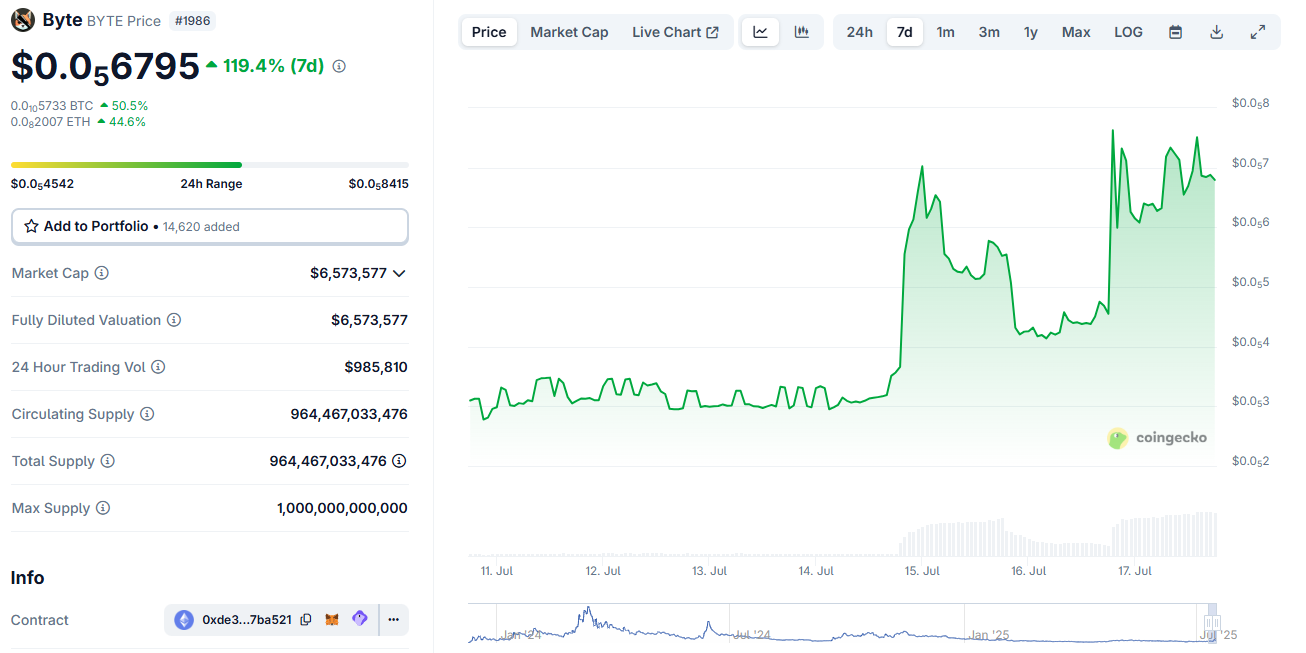
Then came BYTE, launched in March 2025. This wasn’t a fan-made token. BYTE was created by Grok, Elon Musk’s AI chatbot from xAI.
It was billed as the ‘first AI-generated meme coin’ — with no taxes, renounced ownership, and burned liquidity . Grok itself owned over 25% of the supply, promising never to sell.
But BYTE’s biggest price swings didn’t come from utility. They came from Grok’s controversies. When Grok posted offensive or bizarre content — like referencing Nazis or offensive memes — BYTE surged. One time, the token jumped 20% in hours, only to fall again when the hype cooled.
BYTE is a pure reflection of social sentiment — an AI coin that moves not on code, but on controversy.
Kekius Maximus: A name change, a 900% pump
One of the wildest meme coin stories of 2025 comes from a coin called Kekius Maximus.
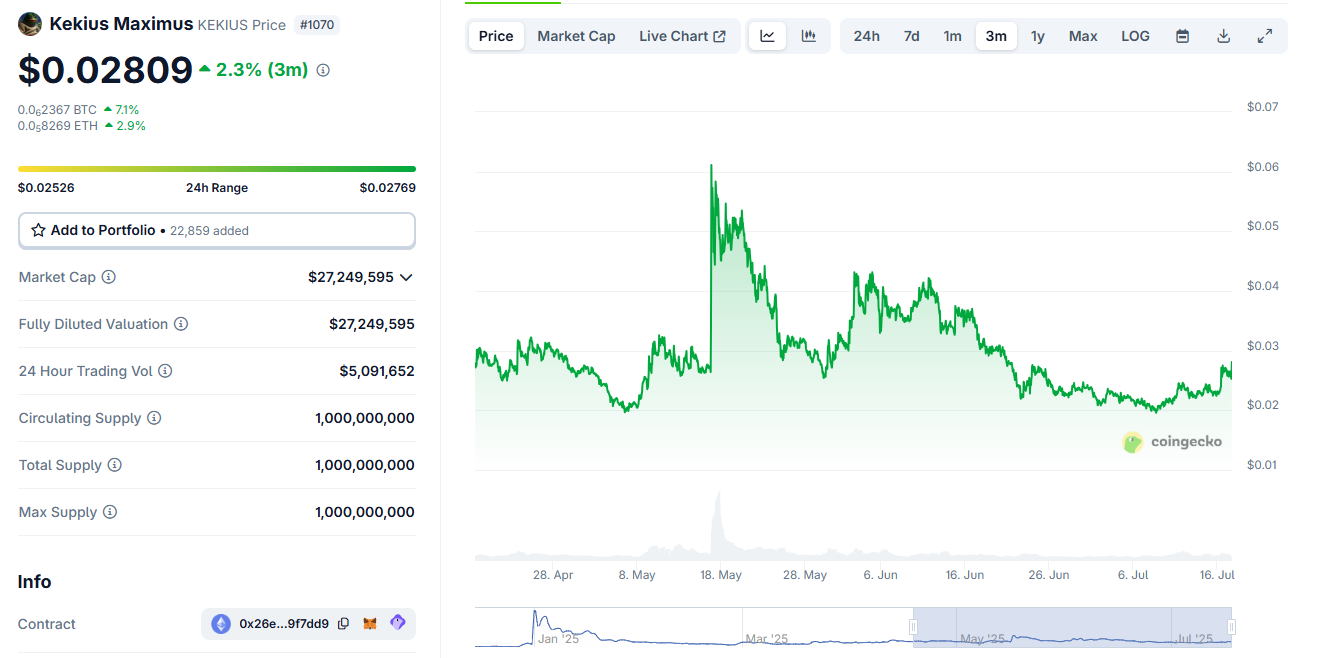
The name came straight from Elon Musk’s own X profile. On New Year’s Eve and again in May, Musk changed his display name to ‘Kekius Maximus’ — a mix of internet frog memes, Roman generals, and sheer chaos.
Each time he made the change, the KEKIUS token soared by up to 1,700%. As soon as he reverted to his regular name, the coin dropped like a rock — falling more than 80% within hours.
It was a textbook pump-and-dump — except the pump came from a billionaire’s joke name change.
Why do these meme coins move like this?
It’s simple: Elon Musk equals attention.
- When Musk tweets, changes his name, or launches anything remotely meme-related, opportunistic devs instantly create tokens to ride the hype.
- Speculators jump in fast, hoping to ‘get in early’ before the token explodes.
- Then the buzz fades. Musk moves on. Prices collapse.
These meme coins don’t have real utility, roadmaps, or communities. They are built to follow the moment — and that moment usually belongs to Elon Musk.
Overall, meme coins like America Party, BYTE, and Kekius Maximus are entertaining — but incredibly risky. They rely almost entirely on Musk’s digital presence. One tweet can trigger a rally. One silence can crash it.



 Thank you for your feedback! We’re glad you found this article helpful.
 An error occurred while sending the form, please try again.
 We are sorry. You've already sent a message within the last 60 seconds. Please wait before sending another.
 Thank you for letting us know! Our team will review your feedback to help improve our content.
We're sorry you did not find what you were looking for. Please select the reason this article was not helpful.

 You’re in. Thanks for joining our newsletter.
