


The best crypto exchanges in Texas in 2026 include platforms that fulfil requirements established by the state and the country as a whole. Texas maintains a strict yet structured, crypto-supportive regulatory framework.
Texas also remains the largest US Bitcoin mining hub with energy curtailment programs and ERCOT grid integration. It helps to boost long-term Bitcoin infrastructure and promotes state-level crypto adoption.
This guide, built on experience and user feedback, provides reliable, up-to-date recommendations to help Texas traders and investors choose the best crypto exchange. At CryptoManiaks, our experts have reviewed key factors such as fees, security, support, and asset variety—making it useful for both beginners and seasoned traders.
This guide will provide a clear understanding of the best crypto exchanges in Texas in 2026 and the essential factors to consider when choosing the right platform for your trading requirements.
Key Takeaways
- Texas allows cryptocurrency trading within a regulated framework that prioritizes compliance and investor protection.
- Federal oversight (SEC, FinCEN, IRS) and state oversight (Texas Department of Banking, State Securities Board) ensure exchanges operate safely and legally.
- Traders should choose exchanges with strong security, low fees, reliable liquidity, a user-friendly interface, and diverse crypto offerings.
- KYC compliance, secure USD deposits/withdrawals, and proper tax reporting are essential for safe and legal trading.
- Selecting reputable exchanges builds confidence, protects assets, and ensures smooth trading experiences in Texas.
Best Crypto Exchanges in Texas 2026 Are
-
 Coins
Coins



 Deposit Methods
 Avg. Spread The difference between the buy (ask) and sell (bid) price for popular trading pairs. Lower spreads mean better pricing and less slippage for you.
 -
 Coins
Coins
 Deposit Methods

 Avg. Spread The difference between the buy (ask) and sell (bid) price for popular trading pairs. Lower spreads mean better pricing and less slippage for you.
 -
 Coins
Coins


 Deposit Methods
Avg. Spread The difference between the buy (ask) and sell (bid) price for popular trading pairs. Lower spreads mean better pricing and less slippage for you.
Deposit Methods
Avg. Spread The difference between the buy (ask) and sell (bid) price for popular trading pairs. Lower spreads mean better pricing and less slippage for you. -
 PromotionsCoins
 Deposit Methods
 Avg. Spread The difference between the buy (ask) and sell (bid) price for popular trading pairs. Lower spreads mean better pricing and less slippage for you.
 -
 Coins
Deposit Methods
Avg. Spread The difference between the buy (ask) and sell (bid) price for popular trading pairs. Lower spreads mean better pricing and less slippage for you.
Coins
Deposit Methods
Avg. Spread The difference between the buy (ask) and sell (bid) price for popular trading pairs. Lower spreads mean better pricing and less slippage for you. -
 Coins
Deposit Methods
Avg. Spread The difference between the buy (ask) and sell (bid) price for popular trading pairs. Lower spreads mean better pricing and less slippage for you.
Coins
Deposit Methods
Avg. Spread The difference between the buy (ask) and sell (bid) price for popular trading pairs. Lower spreads mean better pricing and less slippage for you. -
 PromotionsCoins
Deposit Methods
PromotionsCoins
Deposit Methods
 Avg. Spread The difference between the buy (ask) and sell (bid) price for popular trading pairs. Lower spreads mean better pricing and less slippage for you.
 -
 Coins
Coins

 Deposit Methods
Avg. Spread The difference between the buy (ask) and sell (bid) price for popular trading pairs. Lower spreads mean better pricing and less slippage for you.
Deposit Methods
Avg. Spread The difference between the buy (ask) and sell (bid) price for popular trading pairs. Lower spreads mean better pricing and less slippage for you. -
 Coins
Deposit Methods
Coins
Deposit Methods
 Avg. Spread The difference between the buy (ask) and sell (bid) price for popular trading pairs. Lower spreads mean better pricing and less slippage for you.
 -
 PromotionsCoins
Deposit Methods
Avg. Spread The difference between the buy (ask) and sell (bid) price for popular trading pairs. Lower spreads mean better pricing and less slippage for you.
PromotionsCoins
Deposit Methods
Avg. Spread The difference between the buy (ask) and sell (bid) price for popular trading pairs. Lower spreads mean better pricing and less slippage for you. -
 Coins
Deposit Methods
Avg. Spread The difference between the buy (ask) and sell (bid) price for popular trading pairs. Lower spreads mean better pricing and less slippage for you.
Coins
Deposit Methods
Avg. Spread The difference between the buy (ask) and sell (bid) price for popular trading pairs. Lower spreads mean better pricing and less slippage for you. -
 Coins
Coins
 Deposit Methods

 Avg. Spread The difference between the buy (ask) and sell (bid) price for popular trading pairs. Lower spreads mean better pricing and less slippage for you.
 -
 Coins
Deposit Methods
Avg. Spread The difference between the buy (ask) and sell (bid) price for popular trading pairs. Lower spreads mean better pricing and less slippage for you.
Coins
Deposit Methods
Avg. Spread The difference between the buy (ask) and sell (bid) price for popular trading pairs. Lower spreads mean better pricing and less slippage for you. -
 Coins
Deposit Methods
Avg. Spread The difference between the buy (ask) and sell (bid) price for popular trading pairs. Lower spreads mean better pricing and less slippage for you.
Coins
Deposit Methods
Avg. Spread The difference between the buy (ask) and sell (bid) price for popular trading pairs. Lower spreads mean better pricing and less slippage for you. -
 PromotionsCoins
 Deposit Methods
 Avg. Spread The difference between the buy (ask) and sell (bid) price for popular trading pairs. Lower spreads mean better pricing and less slippage for you.
 -
 Coins
Coins
 Deposit Methods
Avg. Spread The difference between the buy (ask) and sell (bid) price for popular trading pairs. Lower spreads mean better pricing and less slippage for you.
Deposit Methods
Avg. Spread The difference between the buy (ask) and sell (bid) price for popular trading pairs. Lower spreads mean better pricing and less slippage for you. -
 PromotionsCoins

 Avg. Spread The difference between the buy (ask) and sell (bid) price for popular trading pairs. Lower spreads mean better pricing and less slippage for you.
 -
 Coins
Coins

 Deposit Methods
 Avg. Spread The difference between the buy (ask) and sell (bid) price for popular trading pairs. Lower spreads mean better pricing and less slippage for you.
 -
 Coins
Deposit Methods
Coins
Deposit Methods

 Avg. Spread The difference between the buy (ask) and sell (bid) price for popular trading pairs. Lower spreads mean better pricing and less slippage for you.
 -
 Coins
Deposit Methods
Avg. Spread The difference between the buy (ask) and sell (bid) price for popular trading pairs. Lower spreads mean better pricing and less slippage for you.
Coins
Deposit Methods
Avg. Spread The difference between the buy (ask) and sell (bid) price for popular trading pairs. Lower spreads mean better pricing and less slippage for you.
Best Crypto Exchanges in Texas Reviewed

Get $10 in Bitcoin when you register through a referral link from an existing member.


Kraken offers over 300 cryptocurrencies with competitive fees starting at 0.25% for makers and 0.40% for takers. The exchange provides advanced features like margin trading and futures contracts, along with a user-friendly interface and mobile app. Kraken's strong security measures, including two-factor authentication and cold storage, are noteworthy.
- Supports hundreds of coins
- High liquidity
- Simple and user-friendly interface
- Good customer support options
- Lots of advanced trading features like margin, futures, and indices trading
- No insurance fund for assets on the platform
- Doesn’t offer a crypto credit card
- No personal wallet service for traders
- Supports only a few fiat currencies
Year Founded
- 2011
Headquarters
- United States
Licenses
- United States (IRS)
- Canada (CRA)
- United Kingdom (HMRC)
-
+7
Cryptocurrencies
- Bitcoin
- Ethereum
- Tether
-
+83
Available countries
- Afghanistan
- Albania
- Algeria
-
+240
Languages
- Chinese (Mandarin)
- English
- French
-
+10
Features
- Cryptowatch
- Forks
-
+29
Receive up to $100,000 worth of exclusive gifts for newcomers upon registration.
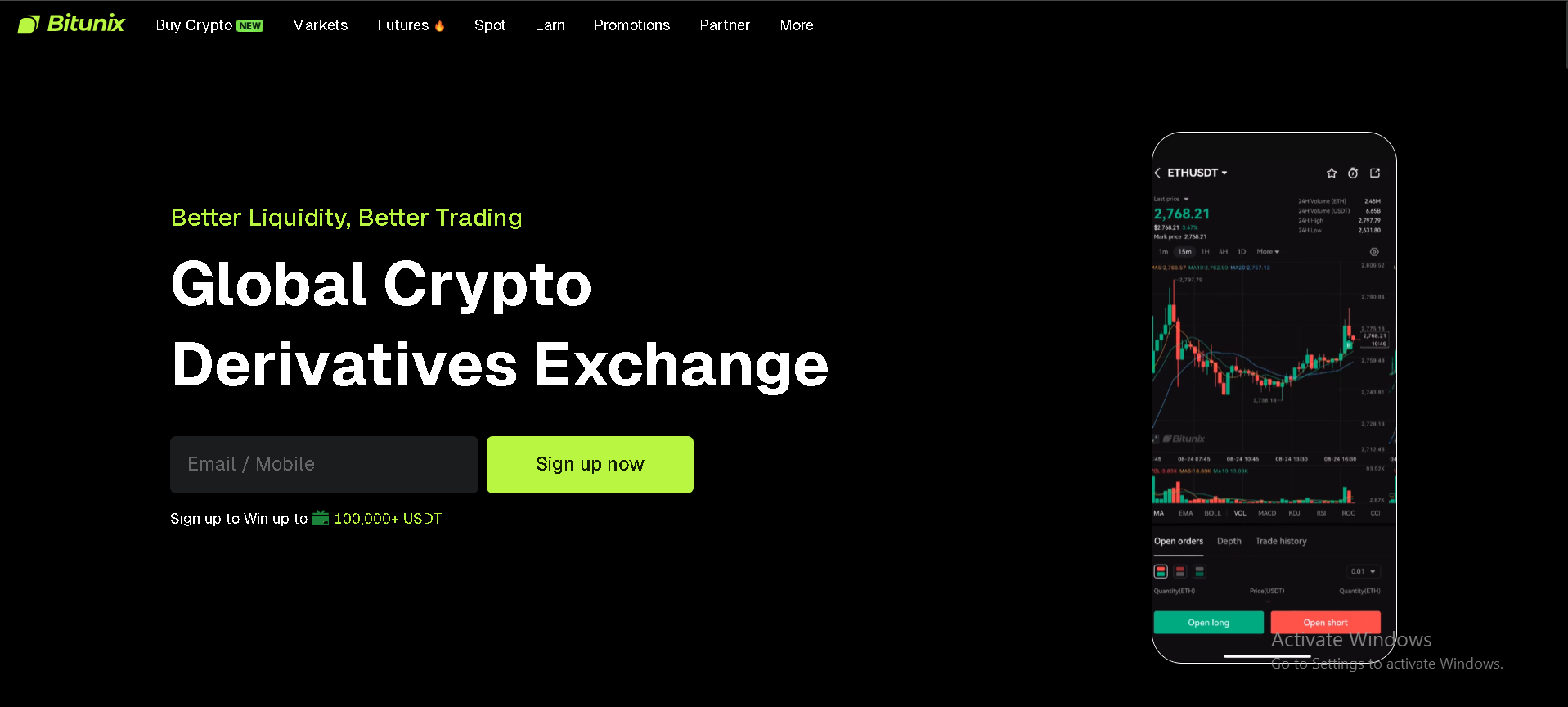
Bitunix offers spot and futures trading with leverage of up to 125×. It stands out for its competitive fees, optional KYC for basic use, and user-friendly interface with TradingView integration. Security measures include cold storage, 2FA, and proof of reserves, while promotions such as bonuses and tournaments appeal to active traders.
However, Bitunix has limited fiat options, and mixed user reviews raise caution. While some users report smooth support and fast transactions, others highlight withdrawal issues and technical glitches.
Licenses
- United States (IRS)
- Canada (CRA)
- Phillipines
Cryptocurrencies
- Bitcoin
- Ethereum
- Tether
-
+78
Available countries
- Albania
- Algeria
- American Samoa
-
+233
Languages
- English
- Uzbek
- Polish
-
+12
Enjoy US$50 worth of CRO as sign-up bonus when you sign up with a referral link.


Crypto.com offers over 350 cryptocurrencies with competitive fees starting at 0.25%. The exchange provides a user-friendly mobile app, advanced trading features, and a popular Visa card with cashback rewards. Crypto.com's robust security measures, including multi-factor authentication and cold storage, ensure user asset protection. Notable features include staking options, an NFT marketplace, and earning interest in cryptocurrencies.
- Extensive list of supported cryptocurrencies
- Hardware wallet support
- With its Visa cards, you can spend your crypto and earn rewards
- Easy to purchase NFTs on the platform using either fiat or certain cryptos
- Higher fees for those who don't hold and use CRO
- Poor customer service
- Lack of educational resources
- Slow in-app live support
Year Founded
- 2016
Headquarters
- Singapore
Licenses
- United Arab Emirates
- Brazil
- United Kingdom (HMRC)
-
+19
Cryptocurrencies
- Bitcoin
- Holo
- Litecoin
-
+157
Available countries
- Afghanistan
- Algeria
- American Samoa
-
+200
Languages
- Danish
- Spanish
- French
-
+13
Features
- Supercharger
- Trading Arena
-
+2


Bitstamp offers over 70 cryptocurrencies with a tiered fee structure starting at 0.30% for makers and 0.40% for takers. The exchange provides a user-friendly interface, advanced trading tools, and 24/7 customer support. Bitstamp's strong security measures include cold storage and crime insurance. However, U.S. traders face limitations, with only 35+ cryptocurrencies available and no access to staking or lending features. Despite these constraints, Bitstamp's transparency and long-standing reputation make it a reliable choice for many crypto enthusiasts.
- An advanced trading platform
- Low fees and high liquidity
- Supports lots of different payment options
- Efficient and dedicated phone and email support
- Lots of charting tools
- No live chat customer support
- Slow verification process
- International wire transfer takes 2 to 5 days to clear
- A few number of coins on offer
- Was hacked in 2015
Year Founded
- 2011
Headquarters
- Virgin Islands, British
Licenses
- Luxembourg
- United States (IRS)
- Spain
-
+1
Cryptocurrencies
- Bitcoin
- Ethereum
- Tether
-
+52
Available countries
- Afghanistan
- Albania
- Algeria
-
+244
Languages
- English
Features
- Institutions
- Pro Traders
-
+4
Enjoy up to 30,000 USDT Bonus when you sign up and complete tasks. Get a 10 USDT coupon when you sign up, and link your phone number and email.


Year Founded
- 2018
Headquarters
- Singapore
Licenses
- United States (IRS)
- Canada (CRA)
Cryptocurrencies
- Bitcoin
- Ethereum
- Tether
-
+96
Available countries
- Philippines
- United Kingdom
- United States
Languages
- English
- Simplified Chinese
- Chinese (Traditional)
-
+15
Features
- Futures Demo
- Copy Trading
-
+18
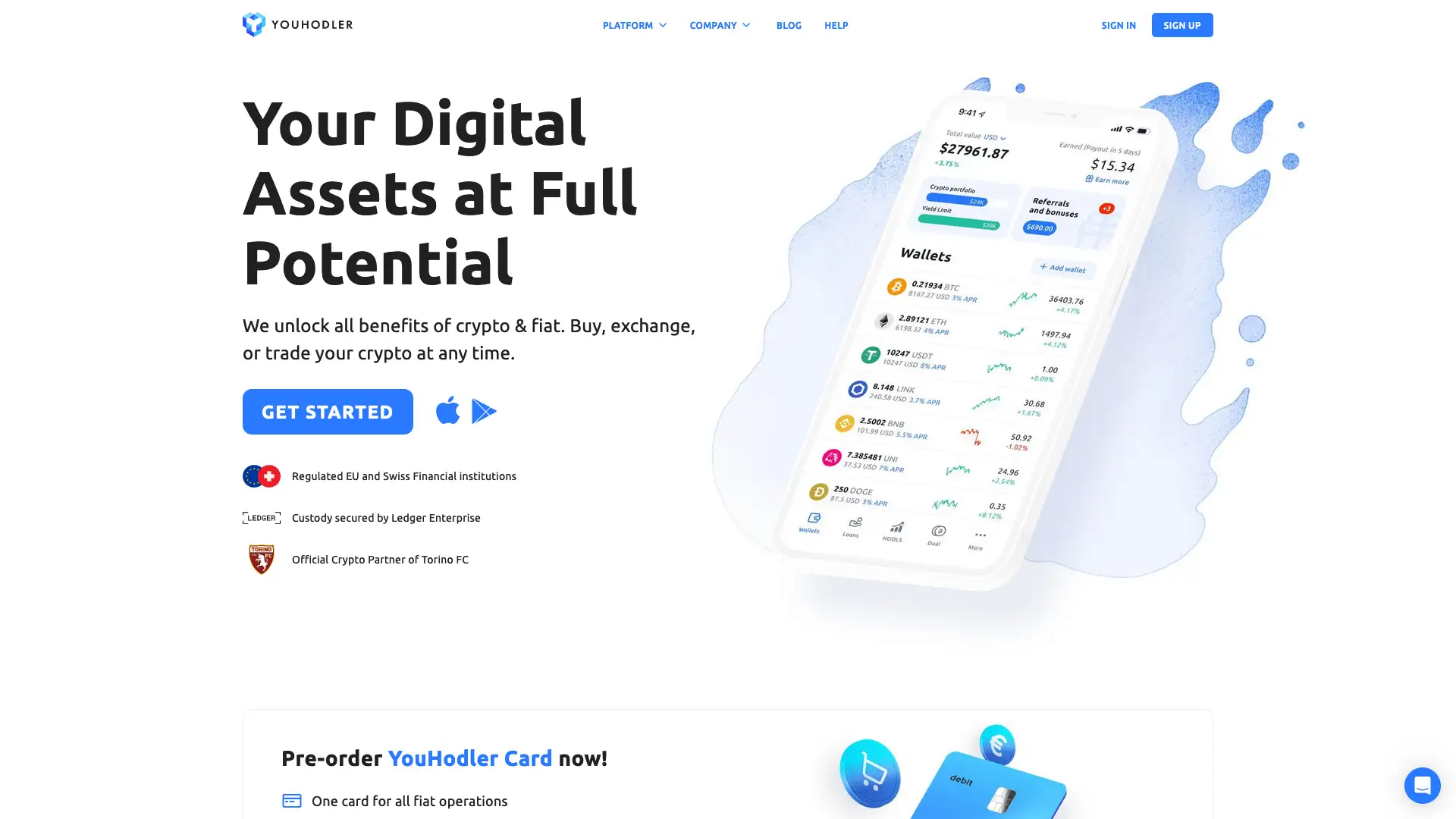
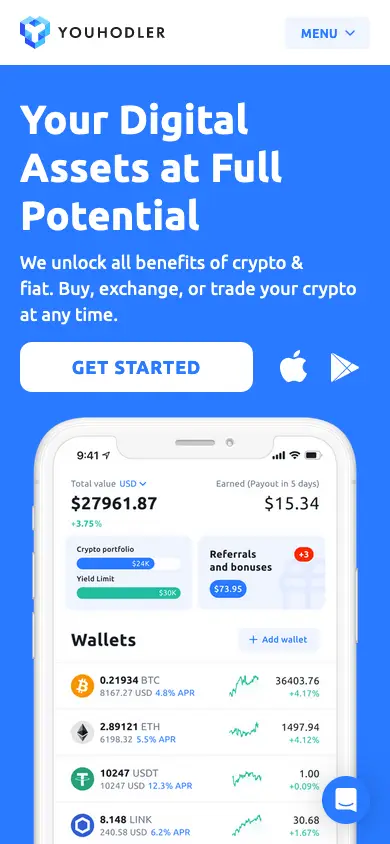
YouHodler Crypto Exchange, launched in Cyprus in 2018, stands as a versatile platform offering a plethora of crypto-fiat financial services including lending, trading, and savings accounts.
Year Founded
- 2017
Headquarters
- Cyprus
Licenses
- Italy
- Switzerland
- European Gaming and Betting Association (EGBA)
-
+2
Cryptocurrencies
- Bitcoin
- Ethereum
- Tether
-
+57
Available countries
- Belgium
- Canada
- Germany
-
+12
Languages
- English
- French
- Italian
-
+3
Features
- Conversion
- Turbocharge
-
+10
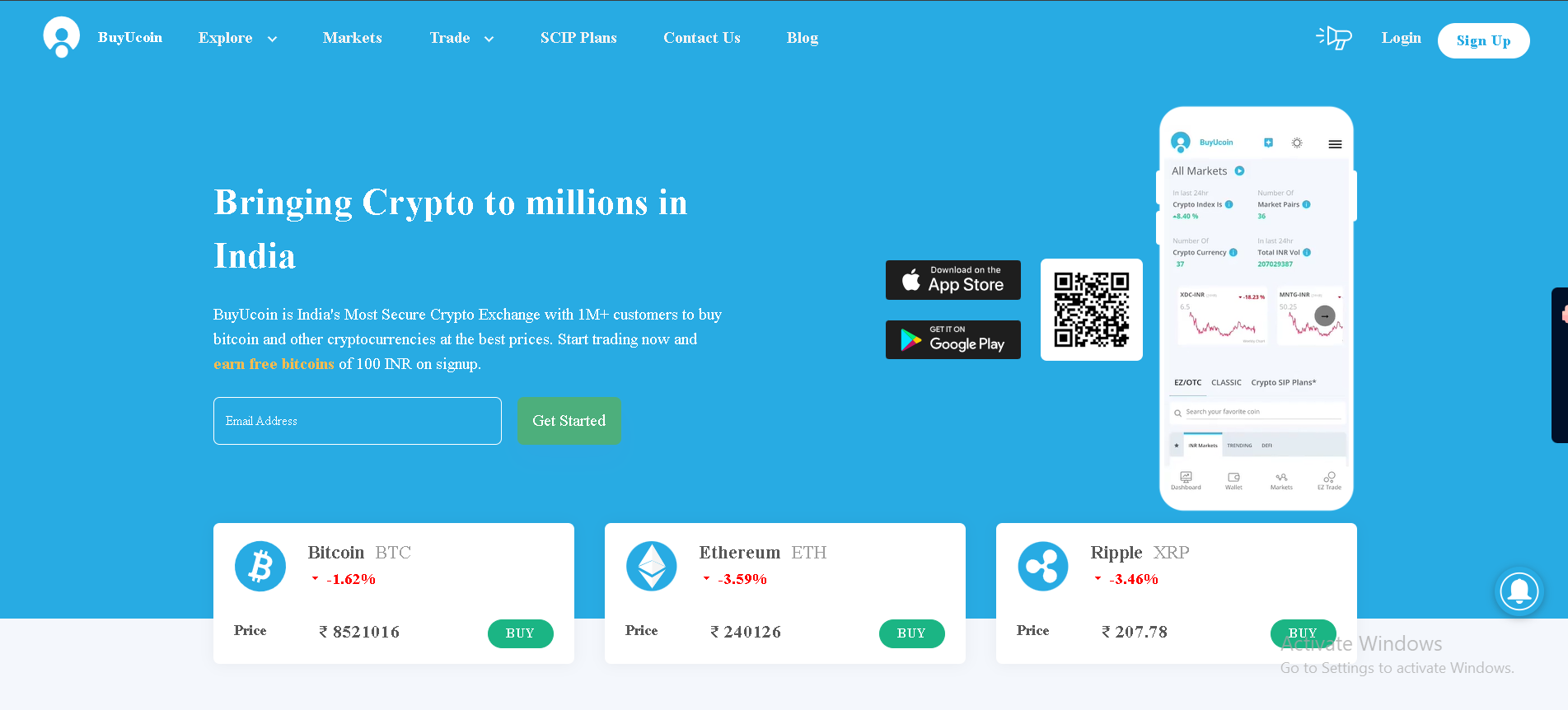
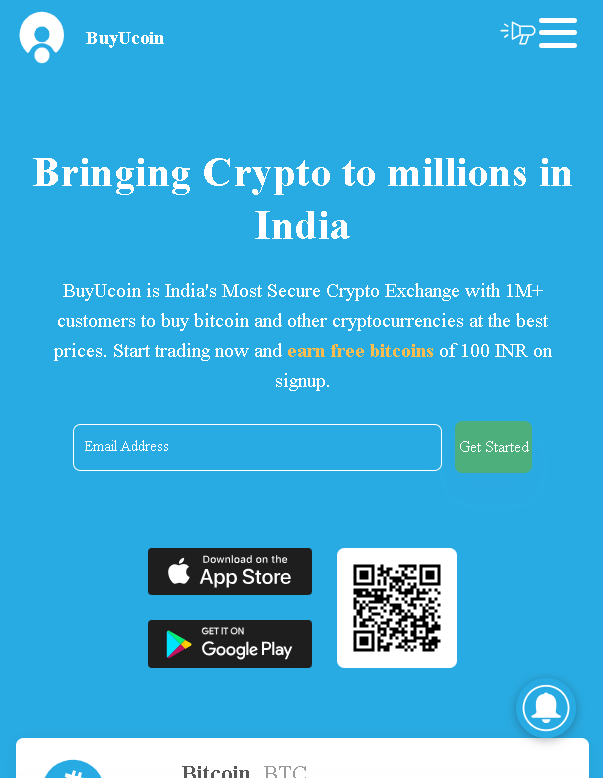
Get Free Bitcoin everyday upto Rs2000 INR on Sign Up, Referral, Deposit & Bitcoin Trading.
Year Founded
- 2025
Headquarters
- India
Licenses
- India
- Estonia
Cryptocurrencies
- Bitcoin
- Ethereum
- Tether
-
+77
Available countries
- China
- India
- Kenya
-
+5
Languages
- English
Features
- Free Bitcoin
- APIs
-
+9
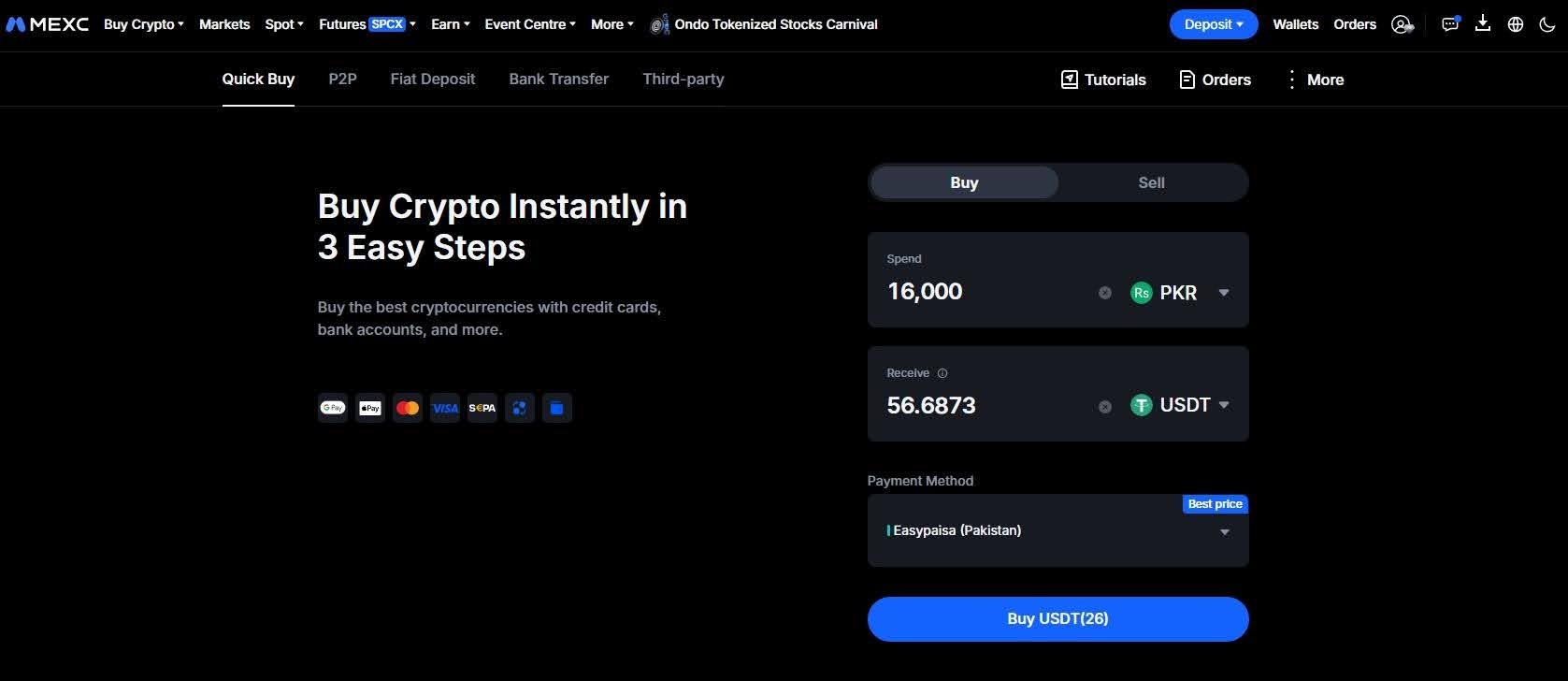

MEXC offers an impressive range of over 2,960 cryptocurrencies and 2,110+ trading pairs. The exchange boasts competitive fees, with 0% maker fees for spot trading on select pairs and futures trading fees as low as 0.01%. MEXC's high-performance trading engine can process 1.4 million transactions per second, ensuring smooth trading experiences. Notable features include futures trading with up to 200x leverage, copy trading, and staking opportunities with potential yields of up to 100% APY.
Year Founded
- 2018
Headquarters
- Seychelles
Licenses
- Seychelles
- Estonia
- Switzerland
-
+2
Cryptocurrencies
- Shiba Inu
- Bitcoin
- PAX Gold
-
+72
Available countries
- Afghanistan
- Albania
- Algeria
-
+246
Languages
- English
- Russian
- Turkish
-
+14
Features
- Leveraged ETFs
- Copy Trading
-
+8
Get up to 1,000 USDC on your Trading Fee Balance when you register, complete identity verification, and place your first spot trade.


Founded in 2013 in London, CEX.IO one of the first crypto exchanges. The global exchange is available in over 200 countries, including the UK, US, Canada, and Australia.
CEX.IO prides itself on being a one-stop shop for all things crypto. It offers spot and margin trading across over 200 tokens, a DeFi wallet, and integrated staking features.
Beyond this, CEX.IO allows you to instantly buy crypto and spend it on the company’s crypto credit card.
Globally licensed and regulated across the EU and US, the platform uses a mix of state-of-the-art security protocols and cold storage to ensure investors’ funds stay safe. This has resulted in a hack-free record over CEX.IO’s 12 years in operation.
Year Founded
- 2013
Headquarters
- United Kingdom
Licenses
- United States (IRS)
- Lithuania
- Spain
Cryptocurrencies
- Bitcoin
- Ethereum
- Tether
-
+81
Available countries
- Australia
- France
- India
-
+5
Languages
- English
- Spanish
Features
- Exchange Plus
- API
-
+9
Earn $10 in Ethereum (ETH) when you stake $100 in ETH for the first time, up to $30 in rewards


Coinbase stands out as one of the Best Crypto Exchanges, offering a user-friendly platform for both beginners and experienced traders. As of 2025, Coinbase supports over 250 cryptocurrencies with competitive fees ranging from 0.04% to 0.50%. The exchange provides robust security measures, including two-factor authentication and insurance against platform breaches. Coinbase's unique features include the Coinbase Earn program, a mobile app, and a Coinbase Credit Card. While its fee structure can be complex, with higher charges for lower balances, Coinbase's regulatory compliance and focus on security make it a trusted choice for residents seeking a reliable crypto exchange.
- Operating since 2012, listed on Nasdaq, and has a BitLicense from New York State Department of Financial Services.
- Offers a variety of assets
- Fast crypto withdrawals
- Lists smaller assets before other big exchanges
- User-friendly interface with intuitive design
- Coinbase Pro offers much better fees!
- This has been the main complaint against Coinbase, although they have committed to hiring more staff.
- Controls customers' private keys
- Restricted to many countries
- Doesn't offer many advanced services
Year Founded
- 2012
Headquarters
- United States
Licenses
- United States (IRS)
- Canada (CRA)
- United Kingdom (HMRC)
-
+4
Cryptocurrencies
- Bitcoin
- Ethereum
- Tether
-
+68
Available countries
- Canada
- France
- Netherlands
-
+6
Languages
- English
- German
- French
-
+9
Features
- Web3
- Borrow
-
+27

Disclaimer
The information provided on this website is for informational purposes only and should not be considered as financial, investment, or legal advice. Cryptocurrency investments are volatile and high-risk in nature. Consult with a qualified financial advisor and/or tax professional before making any investment decisions. We are not responsible for any loss incurred due to the use of information on this website. Do your own research and exercise caution. Don’t invest unless you’re prepared to lose all the money you invest.
Why Trust Us?
At CryptoManiaks, we are driven by the desire to provide up-to-date information. We offer unbiased and reliable recommendations to help you choose from the top crypto exchanges in Texas that best meet your needs.
Our team consists of seasoned crypto enthusiasts with years of experience navigating the cryptocurrency space. We have analyzed countless exchanges, ensuring that only the most reliable platforms make our list.
Alternative Crypto Exchanges in Texas
Most of the platforms we’ve highlighted for crypto exchanges in Texas are Centralized Crypto Exchanges (CEXs).
These exchanges are widely favored for their user-friendly interfaces, strong security measures, and reliable customer support.
If you’re seeking a different trading experience, you might consider exploring Decentralized Exchanges (DEXs).
DEXs provide enhanced privacy, support direct peer-to-peer transactions, and operate without a central governing body.
To learn more about DEXs and explore top options, visit our dedicated page on Decentralized Exchanges.
It’s an excellent resource that can help you find alternatives that align with your preferences.
Here’s How to Choose a Crypto Exchange in Texas
When choosing a cryptocurrency exchange in the US, it’s essential to consider several factors to guarantee a safe and smooth trading experience.
Here are the main elements to assess:
- Regulation and compliance
- Security measures
- Low fees
- Liquidity and volume
- Trading interface
- Customer support
- Variety of cryptocurrencies
- Reputation
Let’s take a closer look at each of these points!
Regulation & Compliance
In the U.S., cryptocurrency exchanges must comply with regulations from FinCEN and the SEC to ensure transparency, security, and fairness. FinCEN requires exchanges to:
- Register as Money Services Businesses (MSBs)
- Adhere to AML/KYC rules
Texas adds additional oversight through its Department of Banking. Choosing regulated exchanges ensures:
- Safeguard funds with robust security measures
- Provide legal recourse
- Maintain transparency
- Stronger protection
- Legal safeguards
- Greater trust for Texas-based crypto traders and investors
Unregulated platforms pose risks such as:
- Scams
- Weak protections
- Data breaches
To verify compliance, traders should:
- Check licensing
- Confirm FinCEN registration
- Review disclosures
Security Measures
Security is critical when trading cryptocurrencies, as exchanges are prime targets for hackers.
Reputable platforms implement measures such as:
- Two-factor authentication (2FA)
- Cold storage
- SSL encryption
- Insurance policies to protect funds and personal data
Traders should:
- Research an exchange’s security practices
- Prioritize platforms that provide insurance
- Review transparency about past breaches
Best practices for users:
- Enable 2FA
- Store assets in cold wallets
- Stay vigilant against phishing scams
Low Fees
Fees impact trading profits, so understanding them is essential. Common fee models used by exchanges:
- Maker-taker: makers (add liquidity) usually pay less than takers (remove liquidity)
- Flat-rate: simple fixed fees, suitable for casual traders
- Tiered: discounts for high-volume traders
Other hidden costs may include:
- Inactivity fees
- Conversion charges
- Deposit or withdrawal fees
Ways to minimize costs:
- Review fee schedules carefully
- Calculate real expenses before trading
- Consolidate trades when possible
- Use loyalty or rewards programs
Liquidity & Volume
Liquidity and trading volume are crucial when choosing a U.S. crypto exchange, as they affect:
- Pricing
- Execution speed
- Overall efficiency
High liquidity provides:
- Minimal slippage
- Tighter bid-ask spreads
- Faster order fulfillment
Low liquidity can result in:
- Delays in execution
- Unfavorable pricing
Key indicators of liquidity:
- Narrow bid-ask spreads
- Deep order books
- High daily trading volumes
Tools to compare liquidity and volume:
- CoinGecko
- CoinMarketCap
Additional ways to assess market health:
- Monitoring order books
- Tracking spreads
- Observing community activity
Benefits of prioritizing strong liquidity and active trading:
- Fair pricing
- Smoother execution
- More reliable trading experience
Trading Interface
User-friendly trading interfaces are key to a smooth crypto trading experience.
For beginners:
- Simple navigation
- Tutorials
- Demo accounts
For advanced traders:
- Customizable layouts
- Advanced charting tools
- Multiple order types
Platform options:
- Desktop platforms: detailed analysis
- Mobile apps: convenience for trading on the go
Best exchanges balance both with:
- Responsive, intuitive design
- Adaptability to varying skill levels
Before committing funds:
- Test demo accounts
- Evaluate mobile usability
Benefits of a well-designed exchange:
- Efficient trading
- Accessibility for both beginners and active traders
Customer Support
Crypto markets run 24/7, making reliable customer support essential for issues like:
- Account access problems
- Transaction errors
- Withdrawal delays
Strong customer support includes:
- Quick response times
- Knowledgeable staff
- Multilingual assistance
- Multiple channels, including live chat, email, and phone
Benefits of strong support:
- Builds trust
- Ensures smooth trading experiences
Before choosing an exchange, traders should:
- Test support channels
- Check user reviews for responsiveness and professionalism
Prioritizing exchanges with effective, round-the-clock support helps:
- Reduce risks
- Resolve problems faster
- Give traders confidence to trade securely in the global market
Variety of Cryptocurrencies
Access to a wide range of cryptocurrencies helps traders:
- Diversify portfolios
- Reduce risk
- Explore different strategies
A strong exchange should provide:
- Wide variety of coins
- Quick listings of new tokens
- Multiple altcoin pairings for flexibility
Before choosing an exchange, traders should:
- Review the coin list
- Check support for niche tokens
- Ensure sufficient liquidity for smooth trading
Benefits of diverse offerings:
- Balance risk
- Experiment with strategies
- Access both mainstream and emerging markets confidently
Reputation
Reputable crypto exchanges ensure:
- Reliability
- Transparency
- User protection
Questionable exchanges put funds and data at risk.
Key traits of a trusted platform:
- Long track record
- Strong partnerships
- Positive user reviews
- Regulatory compliance
Established exchanges often demonstrate:
- Industry ties
- Clear fee structures
- Credibility and stability
User feedback commonly highlights:
- Strong security
- Responsive customer support
- Smooth transactions
Risks of poor-reputation exchanges:
- Fraud and scams
- Weak security
- Legal issues
Benefits of choosing a trusted platform:
- Protects assets
- Builds trader confidence
- Provides a safer, more dependable trading experience in a volatile market
Are Crypto Exchanges Legal in Texas?
Cryptocurrency exchanges are legal in Texas, provided they adhere to both state and federal regulations. The state has established a regulatory framework that allows crypto exchanges to operate while prioritizing consumer protection and financial stability.
Texas actively promotes a supportive environment for blockchain and cryptocurrency businesses. Notably, in June 2025, Senate Bill 21 was signed into law, establishing the Texas Strategic Bitcoin Reserve and demonstrating the state’s commitment to integrating cryptocurrencies into its financial ecosystem.
 DON’T GET REKT
Curated drops, testnets and red flag alerts straight to your inbox ✌️
 You’re in. Thanks for joining our newsletter.

Tips Before Registering on an Exchange in Texas
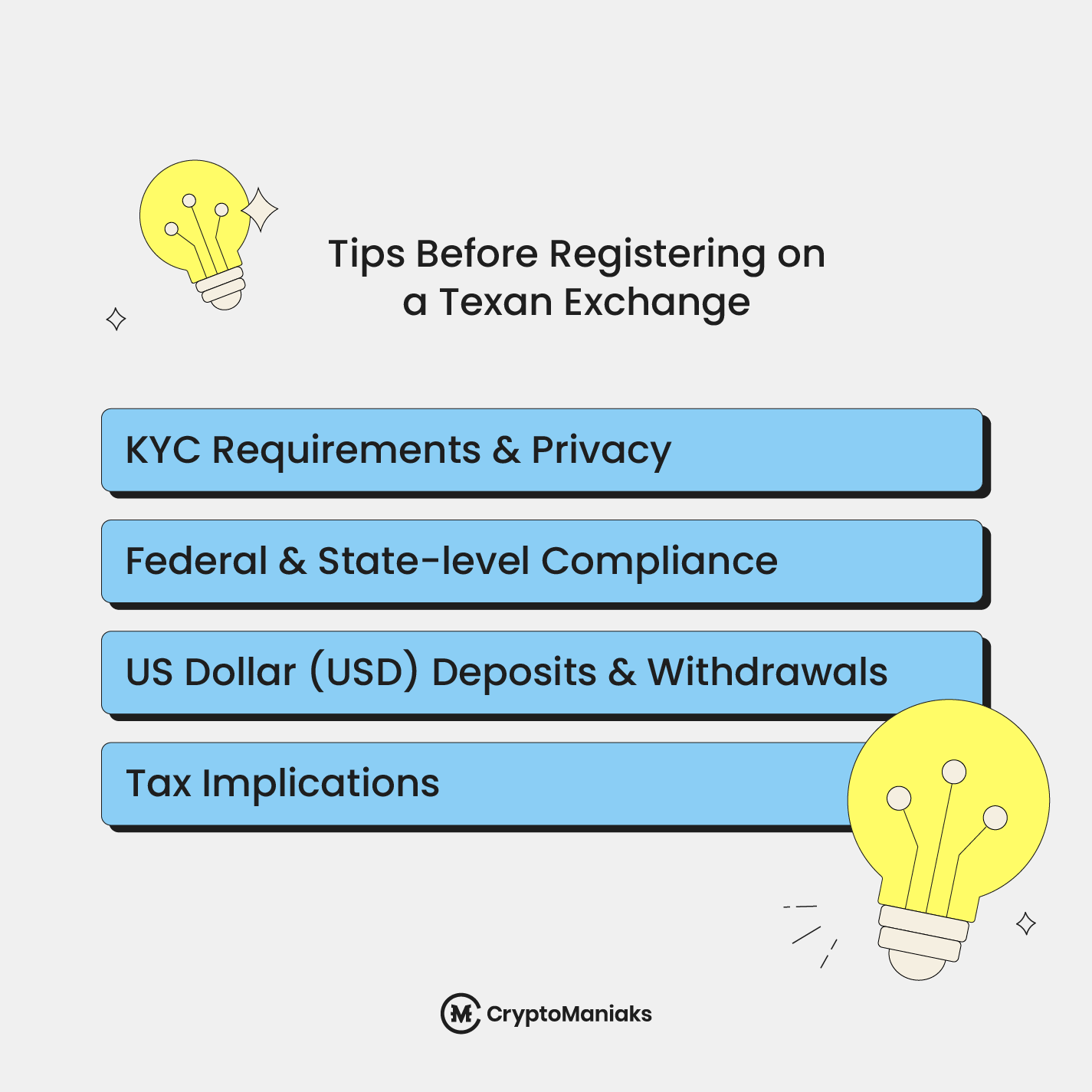
Before creating an account on a cryptocurrency exchange in Texas, there are several important aspects to keep in mind to ensure a seamless and secure trading experience.
These points will help you choose from the best crypto exchanges Texas has to offer and understand the associated requirements:
- KYC requirements and privacy
- Both federal and state-level compliance
- US Dollar (USD) deposits and withdrawals
- Tax implications
Let’s explore each of these factors!
KYC Requirements and Privacy
KYC (Know Your Customer) is mandatory for US crypto exchanges to ensure compliance with:
- The Bank Secrecy Act
- Texas-specific regulations
Purpose of KYC:
- Builds trust
- Deters bad actors
- Protects the ecosystem
Common KYC steps:
- ID verification
- Proof of address
- Biometric checks
- Sometimes requires additional details (e.g., source of funds)
How exchanges safeguard sensitive data:
- Encryption
- Limited access
- Regular audits
Best practices for users during KYC:
- Review the exchange’s privacy policy
- Confirm regulatory compliance
- Avoid public Wi-Fi during verification
- Monitor accounts regularly for suspicious activity
Benefits of proper KYC:
- Maintains security
- Strengthens trader confidence
Both Federal and State-level Compliance
The U.S. uses a dual regulatory system:
- Federal laws apply nationwide
- Each state enforces its own rules
For Texas crypto traders, compliance is required at both levels:
- Federal level:
- SEC: regulates securities
- FinCEN: requires exchanges to register as Money Services Businesses (MSBs) and comply with AML/KYC protocols
- IRS: treats crypto as taxable property
- Texas state level:
- Exchanges must obtain a money transmitter license
- Adhere to securities oversight by the State Securities Board
- Meet consumer protection mandates (e.g., transparent fees, fund security)
In 2026, Texas does not require a money transmitter license for crypto-to-crypto transactions. However, exchanges offering USD custody, stablecoin services, or custodial wallets must comply with Texas money transmission rules.
Combined frameworks ensure:
- Safer trading
- Stronger compliance
- Reduced legal risks
US Dollar (USD) Deposits and Withdrawals
Evaluating USD deposit and withdrawal options is essential when choosing a Texas crypto exchange, as they affect:
- Cost
- Speed
- Convenience
Common deposit methods:
- Bank transfers: high limits but slower processing
- ACH payments: fast and often free
- Credit cards: instant but costly, with 2–5% fees
Common withdrawal methods:
- Bank transfers: 3–5 days, $5–$30 fees
- ACH transfers: 1–3 days, often free
- PayPal or debit cards: faster but more expensive
Key considerations:
- Withdrawal limits
- Processing delays
- Hidden fees
Optimization tips:
- Use free ACH transfers where possible
- Avoid weekend transactions
- Track all costs carefully
- Diversify payment methods for greater flexibility and smoother fund management
Stablecoins:
USDC remains more widely supported than USDT in Texas, and many exchanges prefer:
- USDC
- FDIC-partnered stablecoin rails
Texas regulators continue treating stablecoins as “monetary instruments”.
Tax Implications
In the US, crypto is treated as property, so most transactions can trigger taxable events, including:
- Selling
- Trading
- Spending
Capital gains taxation:
- Short-term gains: taxed as ordinary income
- Long-term gains (assets held for more than a year): taxed at lower rates
Other taxable income sources:
- Mining
- Staking
- Yield Farming
- Airdrops
- Hard forks
Record-keeping essentials:
- Dates of transactions
- Asset values
- Transaction fees
Best practices for compliance:
- Use crypto tax software
- Monitor policy updates
- Seek expert tax advice
Frequently Asked Questions
-
01.
Is crypto trading allowed in Texas?
Yes. Cryptocurrency trading is legal in Texas and supported by a clear regulatory framework. The 2021 Texas Virtual Currency Bill recognizes digital assets and allows state-chartered banks to offer crypto services. While most transactions don’t require a money transmission license, third-party service providers and stablecoin activities may be subject to it. The state operates under a structured regulatory framework that aligns with federal agencies such as the SEC, FinCEN, and the IRS.
-
02.
Is Binance US legal in Texas?
Binance US is not available in Texas due to regulatory restrictions. The state enforces strict cryptocurrency regulations aimed at protecting consumers and ensuring compliance with financial laws. Binance US has not obtained the required money transmitter license to operate in Texas, which prevents residents from accessing its services. As a result, Texans cannot create accounts, trade, or withdraw funds through Binance US. However, other cryptocurrency exchanges that comply with Texas regulations are available as alternatives. While regulatory changes could potentially open the door for Binance US in the future, it remains inaccessible in Texas under the current framework.
-
03.
Do you pay taxes on crypto in Texas?
Yes, cryptocurrency is taxable in Texas, but only at the federal level, as the state has no income tax. The IRS treats cryptocurrency as property, so federal taxes apply to gains or income from crypto. Capital gains tax is owed when you sell or use cryptocurrency that has increased in value, while income tax applies to crypto earned through payments or mining. Sales tax may also apply if you use cryptocurrency to purchase taxable goods or services. Texas residents must report crypto transactions on federal tax forms, such as Form 8949 or Form 1040. Staying compliant with federal rules is essential.
-
04.
Why can't you trade USDT in Texas?
Some platforms do not allow USDT (Tether) trading in Texas due to the state’s strict regulations on stablecoins. The Texas Department of Banking classifies stablecoins like USDT as “money or monetary value,” subjecting them to money transmission laws. This means platforms offering USDT trading in Texas must obtain a money transmitter license. Many cryptocurrency exchanges choose not to obtain this license, which leads to restricted access for Texas residents. Additionally, Texas views stablecoins as competitors to the US dollar, contributing to stricter regulations. While some platforms may comply and offer USDT trading, most avoid it to sidestep these regulatory challenges.
-
05.
What is the Texas Strategic Bitcoin Reserve?
The Texas Strategic Bitcoin Reserve reflects the state’s long-term commitment to Bitcoin as a strategic digital asset. The reserve allows Texas to explore holding Bitcoin as part of its broader financial and economic strategy, reinforcing confidence in Bitcoin’s role as a long-term store of value rather than a speculative instrument. This move positions Texas as the first major U.S. state to formally recognize Bitcoin within public financial planning.


