


 4 min read
Kraken INK Airdrop Guide: How to Position Early




 AI Overview
Kraken’s Ink is a Layer 2 on Ethereum with a token generation event expected in Q2 2026; multiple signals point to a likely $INK launch and reward program. Early, sustained on-chain activity across trading, liquidity, and identity features will probably determine eligibility.
-
Bridge ETH or USDC to Ink and start using apps on the network early.
-
Trade, lend, and provide liquidity regularly to build activity and earn Ink Points.
-
Increase your InkScore, register a domain, and stay active to maximize your airdrop allocation.
Kraken entered the Layer 2 blockchain race with Ink last year, joining other major exchanges like Coinbase and Binance that have launched their own Ethereum scaling networks. Now its native token $INK will launch soon.
With Kraken’s user base of roughly 10 million and a token generation event (TGE) planned for Q2 2026, early participants have a clear opportunity for a potential $INK airdrop.
What Is Ink?
Ink is a blockchain network created by US crypto exchange Kraken. It is built on top of Ethereum and designed to make transactions faster and cheaper.
Think of Ink as a faster lane for Ethereum. Instead of using Ethereum directly, users can trade, lend, and interact with apps on Ink with lower fees and near-instant confirmations.
The network focuses mainly on decentralized finance (DeFi), such as trading and lending. Because Kraken built Ink, its millions of users can easily move from the exchange to using crypto apps on-chain.
Also, Ink is part of Optimism’s Superchain, a group of connected networks that share technology and security.
 DON’T GET REKT
Curated drops, testnets and red flag alerts straight to your inbox ✌️
 You’re in. Thanks for joining our newsletter.

Is the $INK Airdrop Confirmed?
Ink has not officially confirmed full airdrop allocation details, but several signals strongly indicate a token launch and rewards program.
The Ink Foundation has publicly referenced the $INK ticker, and the team previously confirmed that a token was planned.
In addition, projects within the Ink ecosystem have already launched incentive systems such as “Ink Points,” which are widely expected to convert into token rewards at TGE.
Kraken also has a track record of distributing rewards through its Kraken Drops program, which strengthens expectations of a structured airdrop process.
TGE is currently expected in Q2 2026, leaving time for users to build eligibility.
How to Farm the Kraken Ink ($INK) Airdrop
Ink is already live on mainnet, meaning users must interact with real funds to qualify. Testnet participation alone is not sufficient.
Step 1: Set Up and Fund Your Wallet
You will need:
- A verified Kraken account
- A compatible Web3 wallet
- Assets such as ETH or USDC
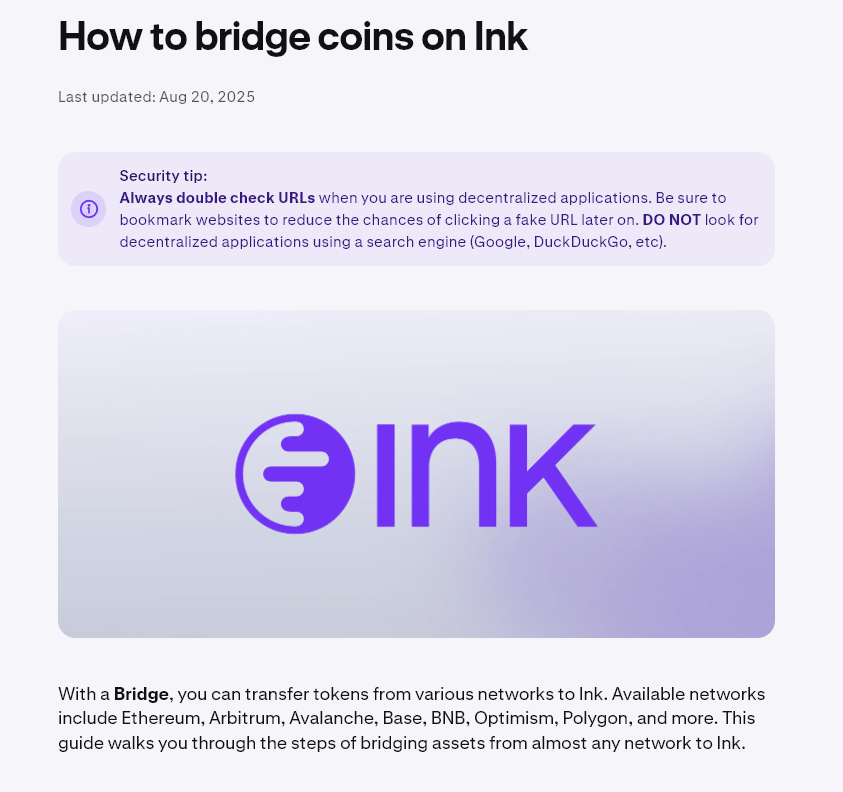
Bridge funds to Ink using supported bridges. ETH is required for gas, while USDC can be used for liquidity and DeFi participation.
Step 2: Trade on Ink Ecosystem Protocols
Trading activity is one of the strongest eligibility signals.
Recommended action:
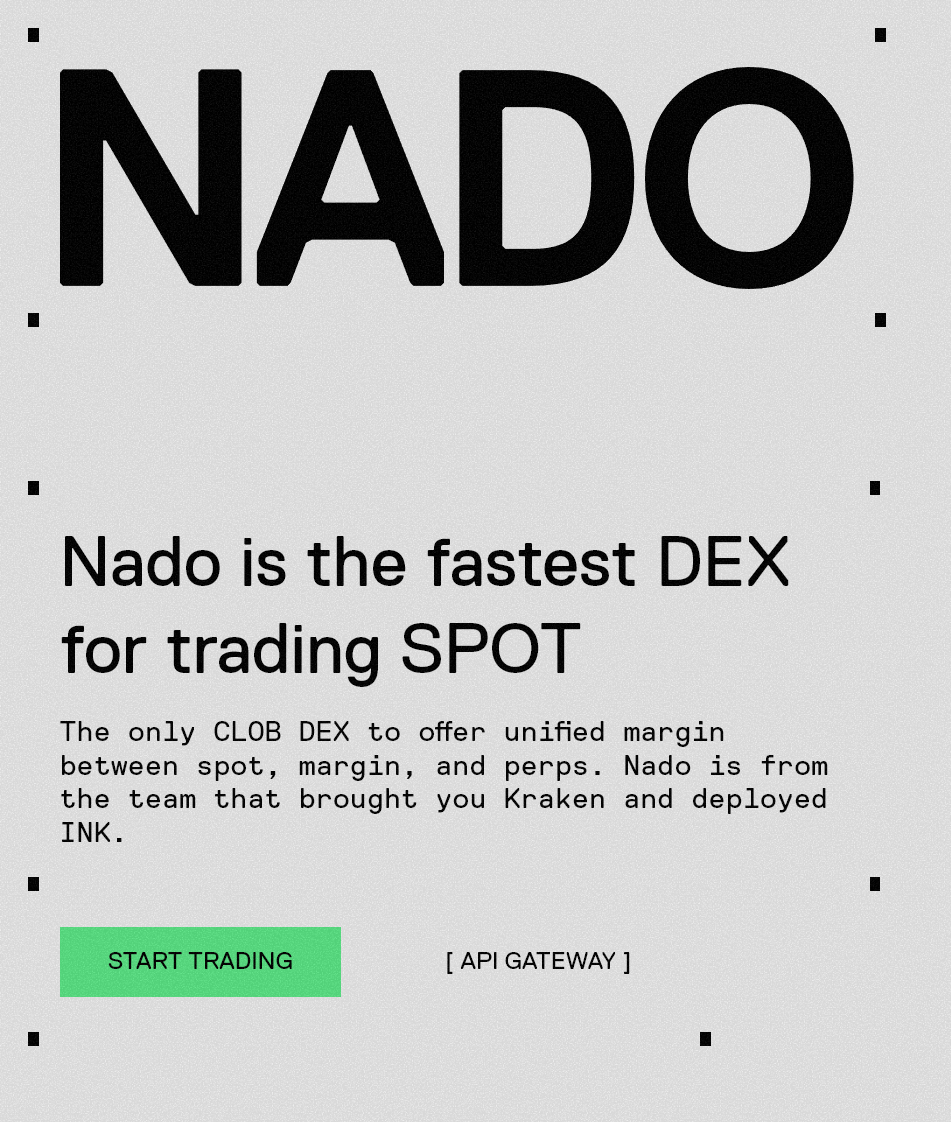
- Trade on Nado. It’s a popular decentralized exchange (DEX) on Ink that supports spot, margin, and even perpetual futures trading.
- Open and close positions regularly
- Build consistent trading volume
Higher trading volume increases point accumulation and activity metrics.
Step 3: Provide Liquidity
Liquidity provision is another high-value activity.
Recommended platforms:
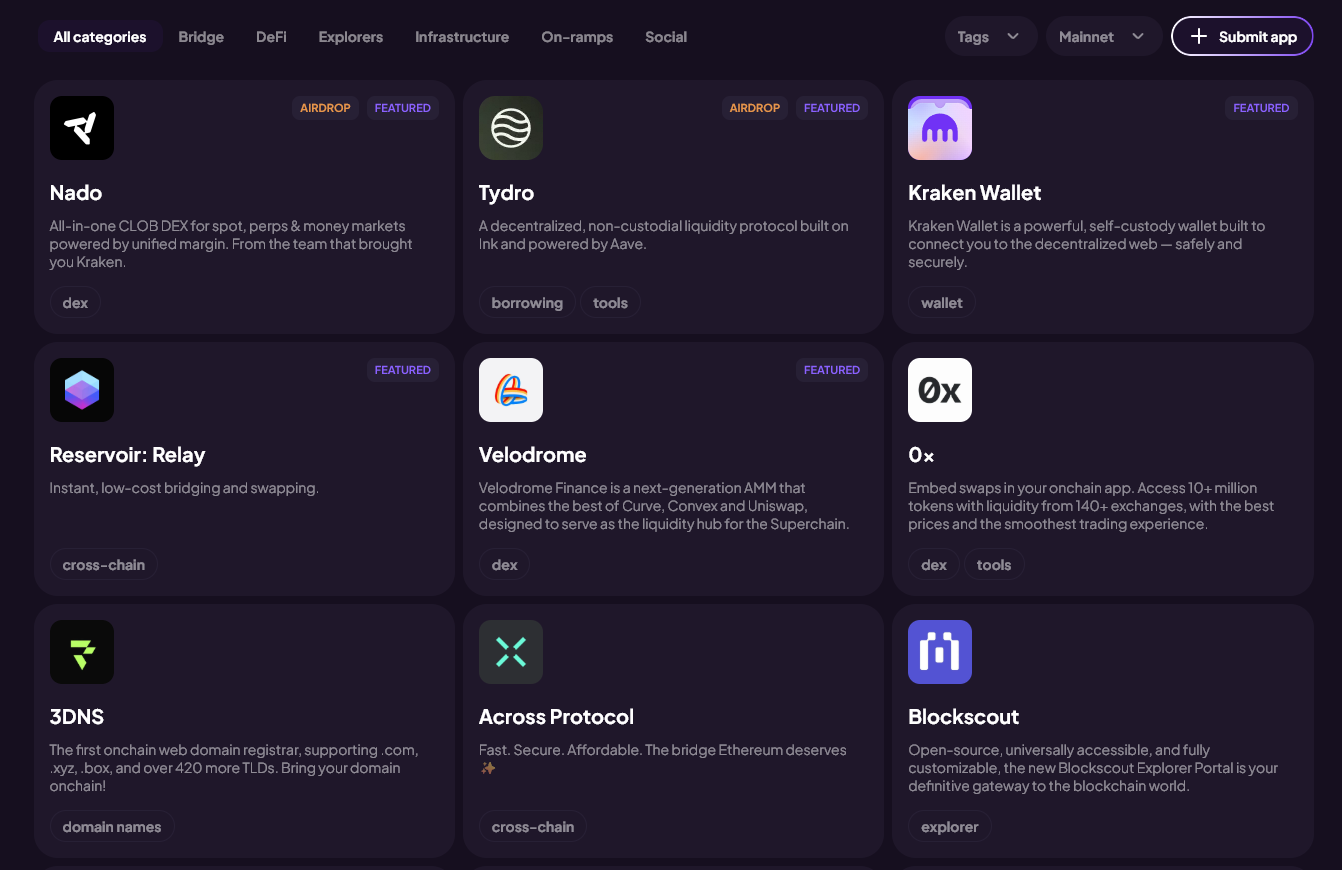
- Tydro
- Lending and borrowing protocols
Supplying liquidity and maintaining positions improves eligibility and Ink ecosystem engagement.
Step 4: Register a Domain and Build On-Chain Identity
On-chain identity signals long-term commitment.
Recommended actions:
- Register a domain using Ink domain services
- Mint NFTs on Ink via OpenSea
- Build an NFT collection on Ink
Ink’s OpenSea integration makes NFT activity easy to execute.
Step 5: Increase Your InkScore
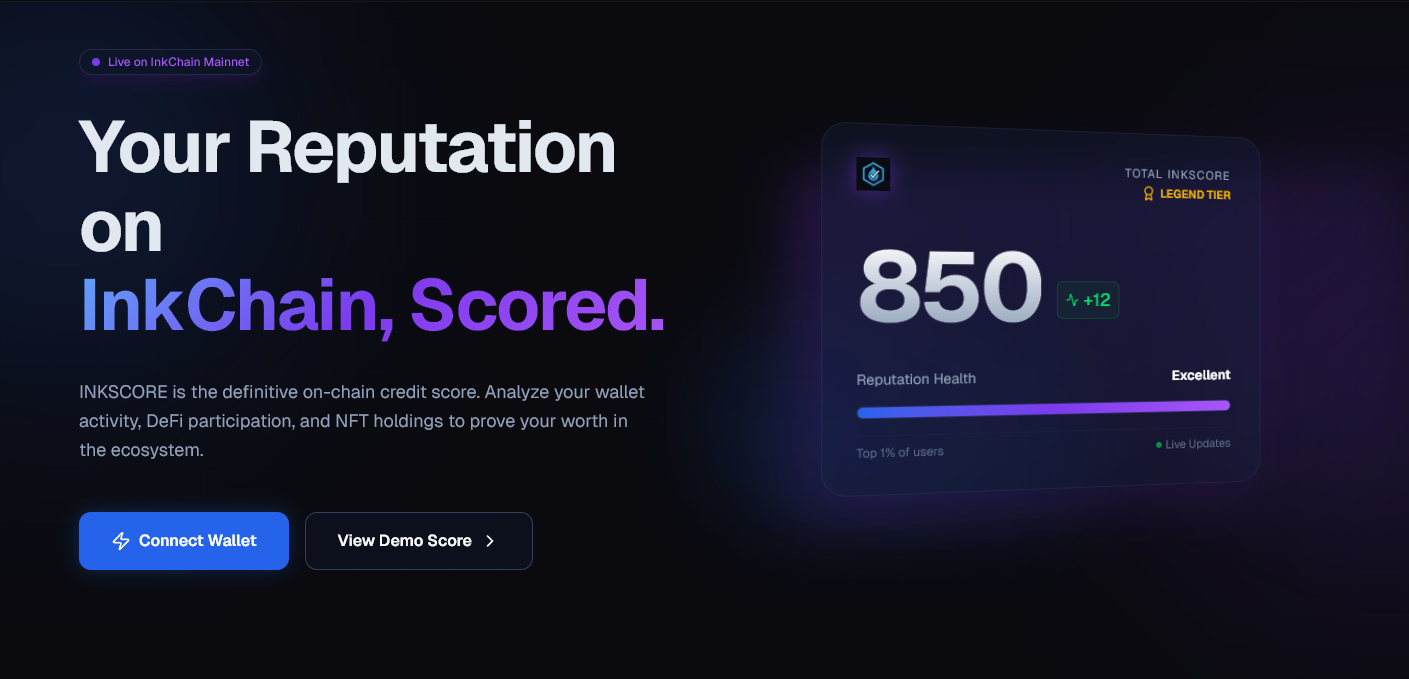
InkScore tracks your ecosystem activity and likely plays a role in eligibility.
Key metrics include:
- Transaction volume
- Account age
- Liquidity activity
- Holdings
Users can monitor progress through the InkScore dashboard.
Step 6: Complete Social and On-Chain Activity
Additional actions that may improve allocation:
- Join Guild.xyz
- Join Ink Discord
- Participate in quests
- Deploy smart contracts using Ink tools
- Send daily transactions such as “GM” messages
Consistent activity over time is more valuable than one-time interactions.
Team and Funding
Ink is developed internally by Kraken, one of the largest crypto exchanges globally, valued at approximately $20 billion. Kraken has also acquired token infrastructure provider Magna to support token management and distribution.
This level of backing provides Ink with strong operational and financial support.
Potential $INK Token Utility
While official utility has not been fully confirmed, likely use cases include:
- Governance participation
- Staking
- Ecosystem incentives
- Network security
These utilities follow typical Layer 2 token models.
Roadmap and Future Development
Ink’s roadmap includes expanding DeFi infrastructure, prediction markets, and real-world asset (RWA) integrations ahead of the token launch.
The expected TGE in Q2 2026 will mark a major milestone for the ecosystem.
Verdict: Strong Airdrop Potential Backed by Kraken
Kraken’s scale, infrastructure, and user base give Ink a significant advantage among newer Layer 2 networks. The integration with Kraken accounts and InkScore tracking also makes this airdrop more resistant to sybil farming.
Users who bridge assets, trade, provide liquidity, and maintain consistent activity are likely to have the strongest eligibility.
Positioning early remains the most effective strategy.



 Thank you for your feedback! We’re glad you found this article helpful.
 An error occurred while sending the form, please try again.
 We are sorry. You've already sent a message within the last 60 seconds. Please wait before sending another.
 Thank you for letting us know! Our team will review your feedback to help improve our content.
We're sorry you did not find what you were looking for. Please select the reason this article was not helpful.