


If you’re wondering where and how to buy Litecoin in 2025, you’re not alone. After analyzing dozens of leading crypto exchanges and payment platforms, we’ve identified the best places to buy Litecoin (LTC) safely and efficiently, whether you’re a beginner or a seasoned investor.
In this guide, you’ll learn how to purchase Litecoin, what makes LTC a long-standing “digital silver” to Bitcoin, and the easiest way to buy Litecoin based on your needs. We’ll also explain how to store it securely, compare your exchange options, and share strategies for how to invest in Litecoin responsibly in today’s evolving crypto market. Let’s dive in!
Key Takeaways
- Centralized Exchanges (CEXs) remain the easiest way to buy Litecoin for beginners, thanks to their simple interfaces and familiar payment methods (such as card or bank transfer).
- The most secure long-term strategy to invest in Litecoin is to withdraw your LTC from an exchange into a non-custodial hardware wallet.
- Litecoin continues to serve as a dependable “digital silver” alternative to Bitcoin, offering faster transaction speeds and lower fees for global payments.
- You can now earn yield on your LTC holdings through lending programs available on many major exchanges and self-custody protocols.
Best Exchanges To Buy Litecoin Listed
-
 PromotionsNew user rewards up to 6,200 USDT.Coins


-
 PromotionsReceive up to $100,000 worth of exclusive gifts for newcomers upon registration.Coins


-
 PromotionsEnjoy up to 30,000 USDT Bonus when you sign up and complete tasks.Coins

-
 PromotionsGet up to 10,055 USDT when you register, verify, and make the first deposit and the first trades.Coins

-
 PromotionsEarn 30% of your friend's trading fees for life.Coins
Best Exchanges To Buy Litecoin Reviewed


Bitget is a reputable cryptocurrency exchange known for its user-friendly interface and advanced trading features. With a focus on security and customer satisfaction, Bitget offers a wide range of digital assets for trading and investment opportunities.
Year Founded
- 2018
Headquarters
- Cayman Islands
Licenses
- United States
- Australia
- Canada
Cryptocurrencies
- Bitcoin
- Ethereum
- Tether
-
+91
Available countries
- Afghanistan
- Albania
- Algeria
-
+246
Languages
- English
- Japanese
- Vietnamese
-
+14
Support languages
- English
- Turkish
- Spanish
-
+1
Features
- API Trading
- Vote to List
-
+13
Receive up to $100,000 worth of exclusive gifts for newcomers upon registration.
Bitunix was founded in Hong Kong in 2021. It was designed to bring a breadth of crypto features to beginner and intermediate traders.
It supports over 700 cryptocurrency trading pairs in more than 100 countries. It offers spot, P2P, and derivatives trading. With copy trading, new traders can copy the trades of successful users, with them earning a cut.
The exchange offers a myriad of new user bonuses and lotteries, letting new traders jumpstart their experience.
Rewards and tournaments are also available for existing users. Bitunix Splash gives rewards for investing in new tokens, while regular competitions in categories like trading volume or monthly profits carry up to USDT 675,000 in rewards.
Licenses
- United States
- Canada
- Phillipines
Cryptocurrencies
- Bitcoin
- Ethereum
- Tether
-
+153
Available countries
- Albania
- Algeria
- American Samoa
-
+233
Languages
- English
- Uzbek
- Polish
-
+12
Support languages
- English
- Spanish
- Farsi
-
+3


Year Founded
- 2018
Headquarters
- Singapore
Licenses
- United States
- Canada
Cryptocurrencies
- Bitcoin
- Ethereum
- Tether
-
+209
Available countries
- Philippines
- United Kingdom
- United States
Languages
- English
Support languages
- English
Features
- Futures Demo
- Copy Trading
-
+3
Get up to 10,055 USDT when you register, verify, and make the first deposit and the first trades.
BTCC Crypto Exchange, originating in China in 2011, is one of the longest-standing platforms in the cryptocurrency industry, offering a diverse range of trading pairs and financial services. BTCC prioritizes privacy by implementing strict security measures, including advanced encryption protocols and secure storage solutions.
Year Founded
- 2011
Headquarters
- Lithuania
Licenses
- United States
- Canada
- European Gaming and Betting Association (EGBA)
Cryptocurrencies
- Ethereum
- Tether
- USD Coin
-
+164
Available countries
- Albania
- Algeria
- American Samoa
-
+229
Languages
- English
- Korean
- Simplified Chinese
-
+12
Support languages
- English
Features
- Convert
- Demo Trading
-
+6
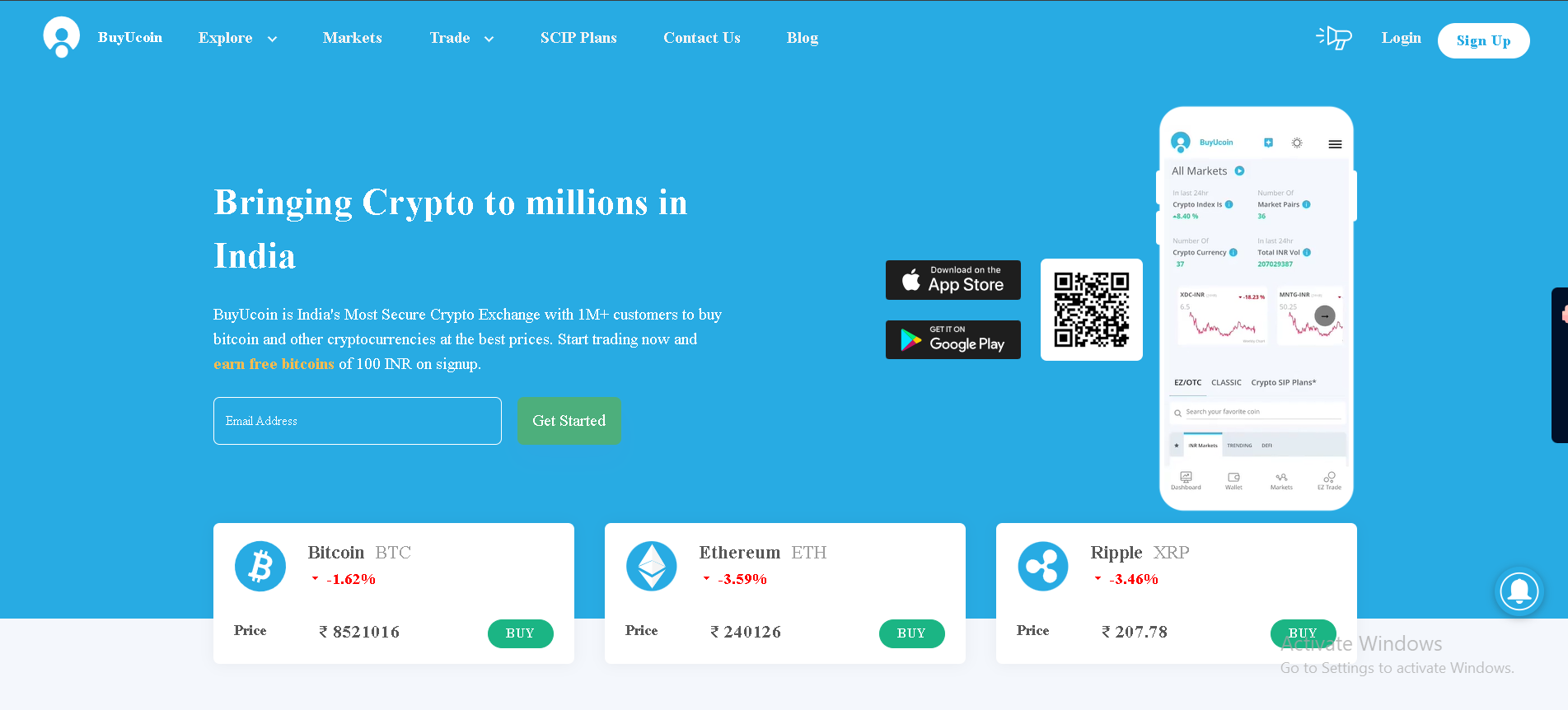
Year Founded
- 2025
Headquarters
- India
Licenses
- N/A - Not disclosed
Cryptocurrencies
- Bitcoin
- Ethereum
- Tether
-
+106
Available countries
- China
- India
- Kenya
-
+5
Languages
- English
Support languages
- English
Features
- Free Bitcoin
- APIs
-
+3

Disclaimer
The information provided on this website is for informational purposes only and should not be considered as financial, investment, or legal advice. Cryptocurrency investments are volatile and high-risk in nature. Consult with a qualified financial advisor and/or tax professional before making any investment decisions. We are not responsible for any loss incurred due to the use of information on this website. Do your own research and exercise caution. Don’t invest unless you’re prepared to lose all the money you invest.
What is LTC?
Launched in 2011 by former Google engineer Charlie Lee, Litecoin (LTC) is one of the oldest and most respected cryptocurrencies in the market. Designed as a “digital silver” counterpart to Bitcoin’s “digital gold,” Litecoin was built to offer faster transaction times, lower fees, and a more efficient payment network suitable for everyday use.
Unlike newer altcoins that focus on niche ecosystems, Litecoin has maintained a strong focus on decentralized, peer-to-peer transactions. Its block generation time of just 2.5 minutes (compared to Bitcoin’s 10) allows for quicker confirmations, making it a favorite among merchants and users who prioritize speed and reliability.
Over more than a decade, LTC has demonstrated consistent network uptime, widespread exchange listings, and integration with major payment processors. Today, it continues to serve both as a store of value and a practical medium of exchange, earning its reputation as one of the most trusted and widely adopted cryptocurrencies worldwide.
Safety, Reliability, and Profitability of Litecoin
LTC has one of the most reliable track records in the crypto space. Since its inception in 2011, the network has maintained near-perfect uptime and has never experienced a major security breach. Litecoin’s decentralized proof-of-work model, similar to Bitcoin’s, ensures strong protection against attacks, while continuous development by the Litecoin Foundation has kept the network modern and efficient.
Recent upgrades, such as the MimbleWimble Extension Blocks (MWEB) integration, have improved transaction privacy and scalability, reinforcing its reputation for both speed and privacy.
Litecoin’s lower transaction costs and growing presence on global exchanges make it a practical choice for traders seeking volatility opportunities and for long-term investors looking for diversification beyond Bitcoin.
Litecoin remains a dependable, secure, and well-supported digital asset, striking a balance between stability and moderate growth potential within the broader cryptocurrency economy.
Litecoin vs Bitcoin
Litecoin was designed to complement Bitcoin rather than compete with it. Often called the “digital silver to Bitcoin’s gold,” Litecoin borrows much of Bitcoin’s code but modifies it for faster, cheaper, and lighter transactions. While both coins use proof-of-work mining, their technical parameters set them apart.
Bitcoin’s block time averages around 10 minutes, while Litecoin processes blocks every 2.5 minutes, resulting in quicker confirmations. Litecoin also uses a different hashing algorithm—Scrypt instead of Bitcoin’s SHA-256 , which allows more people to mine using consumer-grade hardware rather than expensive ASIC rigs. This difference makes the network slightly more decentralized in terms of mining participation.
From an investment standpoint, Bitcoin remains the dominant store of value and reserve asset for institutions, whereas Litecoin offers practicality and liquidity for smaller transactions and cross-border payments. Bitcoin often leads market cycles, with Litecoin historically following similar patterns but with lower entry costs and greater payment flexibility.
In essence, Bitcoin is built for long-term wealth preservation, while Litecoin is optimized for everyday usability, making the two complementary pillars of the early cryptocurrency movement.
Litecoin vs Ethereum
While Litecoin and Ethereum are both leading cryptocurrencies, they serve very different purposes within the blockchain ecosystem. Litecoin was built primarily as a peer-to-peer payment system: a fast, low-cost network for transferring value securely. In contrast, Ethereum functions as a programmable blockchain, powering thousands of decentralized applications (dApps ), smart contracts , and tokens.
Technically, Litecoin uses a proof-of-work consensus model similar to Bitcoin’s, focusing on simplicity, stability, and security. Ethereum, on the other hand, transitioned to a proof-of-stake system in 2022 (via “The Merge”), reducing its energy use and introducing complex staking mechanisms for yield generation.
When it comes to transaction speed, Litecoin’s 2.5-minute block time generally makes it faster for basic transfers than Bitcoin, but slower than many Ethereum-based Layer-2 networks. However, Litecoin compensates with lower fees, greater predictability, and a reputation for technical reliability rather than experimentation.
From an investment perspective, Ethereum is more speculative and growth-oriented, tied to the evolving DeFi and NFT sectors, while Litecoin remains a trusted medium of exchange with a consistent user base. Together, they illustrate the diversity of crypto: one focused on innovation, the other on dependable utility.
Trading vs Buying vs Investing in Litecoin
Before deciding how to enter the Litecoin market, it’s important to understand the difference between trading, buying, and investing. Each approach offers unique advantages depending on your goals, time horizon, and risk tolerance.
Trading Litecoin
Trading Litecoin involves actively buying and selling LTC based on short-term price movements, often within hours or days. Traders use technical analysis, charts, and indicators to anticipate trends and take advantage of market volatility. While it can be exciting and potentially profitable, trading requires skill, emotional discipline, and careful monitoring of the market.
- Litecoin is ideal for swing and day traders due to its liquidity and stable volume.
- Frequent trading can incur significant transaction fees.
- Losses can accumulate quickly if the market moves against you.
- Beginners should start small or use demo accounts to practice.
- Suited for those who enjoy fast-paced, strategy-driven trading.
Buying Litecoin
Buying Litecoin involves purchasing LTC tokens directly on an exchange or platform, typically with the intention of holding them or using them for transactions. It’s a straightforward way for beginners to gain exposure to cryptocurrency without the need for constant monitoring. Once acquired, coins can be securely stored in non-custodial wallets, giving users full ownership and flexibility.
- LTC can be purchased using fiat currency (USD, EUR, GBP, etc.) via exchanges, wallet apps, or crypto ATMs.
- Unlike trading, it doesn’t require constant attention or quick decision-making.
- Focus on low-fee, high-liquidity exchanges to minimize costs.
- Avoid leaving funds on exchanges for extended periods to enhance security.
- Suitable for portfolio diversification, payment purposes, or long-term investment.
Investing in Litecoin
Investing in Litecoin involves taking a long-term perspective, focusing on its fundamentals such as adoption, track record, and role as “digital silver,” rather than short-term price movements. This strategy generally includes buying and holding LTC for months or years, often alongside a diversified crypto portfolio. Many investors also explore earning passive income through lending, staking , or DeFi platforms that support Litecoin, emphasizing patience and confidence in its long-term utility.
- Long-term holding strategy, typically months or years.
- Focus on Litecoin’s fundamentals rather than daily price fluctuations.
- Can be part of a diversified crypto portfolio with Bitcoin, Ethereum, or stablecoins .
- Opportunities for passive income via lending, staking, or DeFi participation.
- Suited for investors who prefer a hands-off, value-oriented approach.
How to Buy Litecoin – Step by Step

Buying Litecoin in 2025 is easier than ever. Whether you’re using a centralized exchange, mobile wallet, or even a crypto ATM, the process follows a few simple steps. In short: choose a secure platform, complete verification, fund your account, make the purchase, and protect your new LTC in a private wallet.
Step 1: Choose a Verified Exchange and Complete Identity Verification (KYC)
Select a reputable exchange that supports LTC trading pairs. Complete the identity-verification (KYC ) process to comply with regulations and unlock full deposit and withdrawal features.
Step 2: Fund Your Account Using Fiat Currency (e.g., USD, EUR) or Another Crypto
Most exchanges let you deposit money through bank transfer, debit/credit card, or even stablecoins like USDT. Confirm the accepted currencies and deposit limits before proceeding.
Step 3: Place a Market or Limit Order to Buy Litecoin (LTC)
Decide whether to buy instantly at the current market price or set a specific price with a limit order. Always review fees and confirm order details before clicking “Buy.”
Step 4: Secure Your Investment by Withdrawing Your LTC to a Private Wallet
After purchase, transfer your LTC to a non-custodial wallet, preferably a hardware wallet, for maximum security. This ensures you maintain full control of your private keys and funds.
Where to Buy Litecoin – Best Places
If you’re wondering where to buy Litecoin, the good news is that LTC is supported almost everywhere. From major centralized exchanges to modern wallet apps, Litecoin remains one of the most accessible cryptocurrencies. The best place to buy Litecoin depends on your goals: whether you value convenience, privacy, or long-term security. Below are the main options and how they compare.
Main Options for Buying Litecoin
- Centralized Crypto Exchanges (CEXs): Best for beginners who want speed, liquidity, and fiat on-ramps.
- Crypto Wallets: Ideal for experienced users who prefer self-custody and in-app purchases.
- Peer-to-Peer (P2P) Platforms: Great for privacy-focused buyers and those in regions with limited exchange access.
- Cryptocurrency ATMs: Offer fast, local cash-to-LTC conversions without requiring online accounts.
- Cryptocurrency ETFs: Allow exposure to Litecoin’s price through traditional investment channels.
Comparison Table: Ways to Buy Litecoin
| Method | Ideal User | Main Benefits | Drawbacks |
| Centralized Crypto Exchanges | Beginners & active traders | Easy setup, high liquidity, supports fiat purchases | Custodial; must complete KYC |
| Crypto Wallets | Intermediate to advanced users | Self-custody, integrated swaps, strong privacy | Higher fees; limited liquidity |
| Peer-to-Peer Platforms | Privacy-focused or unbanked users | No intermediaries, flexible payment options | Risk of scams; slower transactions |
| Cryptocurrency ATMs | Cash users & convenience seekers | Quick access, physical cash accepted | High fees; limited availability |
| Cryptocurrency ETFs | Traditional investors | Exposure without crypto handling | No direct ownership; management fees |
1. Centralized Crypto Exchanges
Centralized exchanges remain the easiest and most popular way to buy Litecoin. They offer straightforward onboarding, high liquidity, and the option to purchase LTC using debit cards, credit cards, or bank transfers. Many also offer mobile apps, recurring buy options, and secure wallets for short-term storage. While convenient, CEXs require full KYC verification and keep temporary custody of your assets, so it’s wise to withdraw your coins to a private wallet after buying.
2. Crypto Wallets
Modern crypto wallets, like multi-asset mobile apps or browser extensions, often integrate built-in purchase features. These allow users to buy Litecoin directly through third-party providers without using a separate exchange account. This method appeals to self-custody advocates who value control over their private keys. However, transaction fees can be higher, and liquidity may depend on the wallet’s integrated partners. Still, for long-term holders, it’s an elegant, all-in-one solution for security and convenience.
3. Peer-to-Peer (P2P) Platforms
P2P platforms connect buyers and sellers directly, letting you purchase Litecoin using a variety of payment methods, from bank transfers to cash. These platforms often operate globally, giving access to users in countries with banking restrictions. P2P trading offers greater privacy and flexibility, but it also requires caution. Always use platforms with escrow services and high-reputation users. This method suits advanced users who understand counterparty risk and prefer direct person-to-person transactions.
4. Cryptocurrency ATMs
Crypto ATMs enable the purchase of Litecoin using physical cash or cards at local kiosks. The process is straightforward: select Litecoin, enter your wallet address, insert cash, and receive LTC directly in your wallet. This approach is ideal for those who want immediate access without registering online. However, ATMs typically charge higher fees (5–10%) and may have daily limits. Despite this, they remain one of the easiest ways to buy Litecoin for hands-on users.
5. Cryptocurrency ETFs
Litecoin-tracking ETFs or crypto funds offer exposure to LTC’s price through conventional brokerage accounts. Investors can speculate on Litecoin’s performance without owning the coins themselves. This option is best suited for traditional investors seeking diversification within regulated markets. The trade-off is that ETF holders don’t control the underlying crypto or benefit from using LTC on-chain. Still, ETFs bridge the gap between mainstream finance and digital assets, providing an accessible entry point for cautious investors.
Alternative Ways to Buy Litecoin
While exchanges and wallets are the most common options, there are several alternative ways to buy Litecoin that may better suit your lifestyle or payment preferences. These methods prioritize convenience, flexibility, and accessibility, particularly for users who prefer familiar payment systems like PayPal or traditional credit cards.
Common Alternatives
- PayPal
- Credit/Debit Card
- Gift Cards (on select platforms)
- Brokerage Apps that support crypto purchases
- Prepaid Crypto Vouchers in certain regions
PayPal
Using PayPal to buy Litecoin is one of the simplest and most familiar methods for everyday users. Many major exchanges now support PayPal deposits or direct purchases, enabling you to acquire LTC without providing your bank details. Transactions are fast and protected under PayPal’s security framework, offering peace of mind for casual buyers.
However, fees can be slightly higher than bank transfers, and not all regions support crypto transactions through PayPal. Additionally, users who buy crypto directly through PayPal’s native platform often cannot withdraw LTC to external wallets, meaning they only gain price exposure rather than full ownership. For true control, it’s best to use PayPal as a funding option on an exchange that supports crypto withdrawals.
Credit/Debit Card
Purchasing Litecoin with a credit or debit card is one of the easiest ways to buy Litecoin instantly. Most major exchanges and wallet providers accept Visa or Mastercard for crypto purchases, enabling you to buy LTC within minutes once your card is verified.
The advantage here is speed. Funds clear almost immediately, allowing you to capitalize on price dips or react quickly to market movements. On the downside, card transactions typically incur higher fees (often between 2% and 5%) and may be subject to spending limits, depending on your bank or jurisdiction. For beginners seeking simplicity, though, it’s hard to beat the accessibility of card purchases.
Why Trust Us?
At CryptoManiaks, our mission is to simplify crypto for everyone, from curious newcomers to experienced traders. Our research team has spent years testing and reviewing exchanges, wallets, and investment tools to ensure our recommendations are both accurate and actionable.
This guide on how and where to buy Litecoin was built from first-hand experience: we personally verified account setups, fee structures, and withdrawal processes across multiple leading exchanges. Every platform mentioned here has been vetted for security, regulatory compliance, and user experience.
We also update our content regularly to reflect new regulations, emerging exchanges, and Litecoin’s ongoing network upgrades. When you read a CryptoManiaks guide, you’re getting insights from real crypto investors who use these tools daily, and not just generic summaries.
Our goal is to help you buy Litecoin safely, avoid unnecessary fees, and gain real ownership of your assets with confidence backed by data and experience.
 DON’T GET REKT
Curated drops, testnets and red flag alerts straight to your inbox ✌️
 You’re in. Thanks for joining our newsletter.

Conclusion
Litecoin remains a reliable, accessible, and practical cryptocurrency in 2025, offering faster transactions, lower fees, and strong security compared to Bitcoin.
Whether you are a beginner or an experienced investor, there are multiple ways to acquire LTC—from centralized exchanges and crypto wallets to P2P platforms, ATMs, and ETFs—each suited to different goals and risk preferences.
For long-term investors, storing Litecoin in a non-custodial wallet and exploring yield opportunities through lending or staking can enhance security and potential returns. With its enduring track record, widespread adoption, and complementary role to Bitcoin and Ethereum.
Frequently Asked Questions
-
01.
Is it safe to leave my Litecoin on a Centralized Exchange (CEX)?
It’s generally not recommended to keep large amounts of Litecoin on an exchange for extended periods. While top-tier exchanges use advanced security and insurance measures, they still hold custody of your funds, meaning you don’t control your private keys. For maximum safety, withdraw your LTC to a non-custodial wallet or a hardware wallet once your purchase is complete.
-
02.
What are the fees for buying Litecoin?
Fees vary depending on the platform and payment method. Centralized exchanges typically charge around 0.1%–1% per trade, while credit card or PayPal purchases may include additional processing fees (2%–5%). To minimize costs, consider using bank transfers or high-volume trading platforms, and always verify each exchange’s fee schedule before confirming your order.
-
03.
Can I buy a fraction of an LTC coin, or do I need to buy a whole one?
Yes, you can buy fractions of Litecoin, just like Bitcoin. LTC is divisible up to eight decimal places, meaning you can purchase as little as $10 or even less, depending on the exchange’s minimum. This flexibility makes Litecoin accessible to all investors, regardless of budget or experience.
-
04.
Is buying Litecoin considered a taxable event?
In most jurisdictions, yes. Purchasing Litecoin (or any cryptocurrency) can trigger a taxable event, especially if you later sell, trade, or spend it at a profit. Tax obligations depend on your country’s crypto regulations. Keep detailed records of all transactions, including the purchase price and date, to simplify reporting during tax season.
-
05.
How can I earn yield on Litecoin holdings, and can I do it if I buy LTC on an exchange?
Many exchanges and DeFi platforms now offer LTC yield programs, allowing you to earn interest or lending rewards on your holdings. Centralized platforms typically provide lending or savings accounts, while decentralized options offer liquidity pools or lending vaults. Always research the platform’s reputation and risk factors before committing your Litecoin, as yields vary and some services carry counterparty risks.