


 4 min read
Five Stablecoins That Will Benefit From The GENIUS Act In 2025



 AI Overview
What’s This?
An artificial intelligence tool created this summary, which was based on the text of the article and checked by an editor. Read more about how we use artificial intelligence in our journalism.The GENIUS Act establishes federal oversight, reserve and audit requirements for fiat-backed stablecoins, creating a clearer runway for regulated issuers to scale in U.S. finance. Clarity benefits large liquidity providers and compliance-first coins (USDC, USDT if compliant, USDP, GUSD, TUSD).
- Regulatory clarity: Lowers legal risk for banks, fintechs and exchanges, enabling faster integrations and broader institutional adoption of compliant stablecoins.
- Winners and losers: Large, audited issuers and licensed trusts benefit; algorithmic or offshore issuers face higher entry costs or must partner to remain competitive.
- Market leverage: Compliance-focused coins can use audit/licensing credentials to win custody, payment and DeFi flows, preserving liquidity and market share.
The GENIUS Act, recently passed by the US Senate, signals a turning point in stablecoin regulation. By establishing clear federal oversight, reserve requirements, and consumer protections, the legislation creates a legal runway for fiat -backed digital dollars to scale within the US financial system.
While some stablecoin issuers may struggle to meet the new compliance standards, others are perfectly positioned to thrive.
Here we pick five stablecoins likely to benefit most from the GENIUS Act — and why regulatory clarity could accelerate their growth in both institutional finance and crypto markets.
1. USD Coin (USDC)
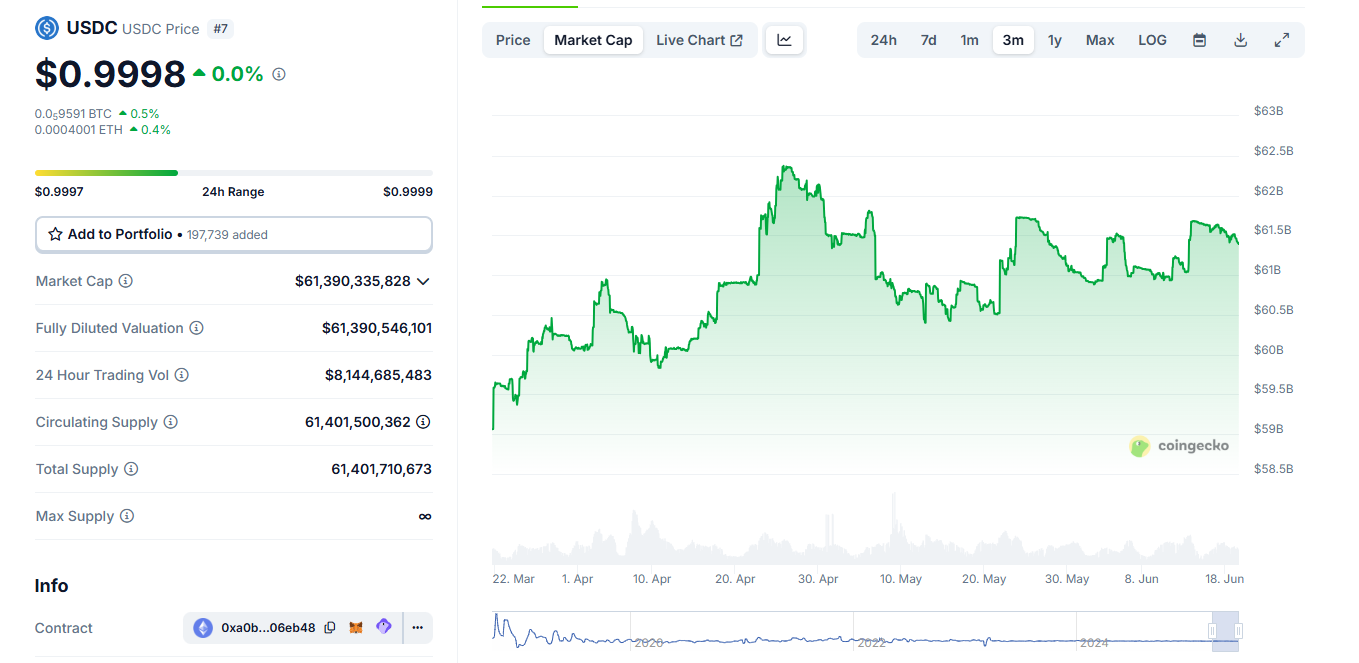
- Market position: As of mid-2025, USDC is the second-largest stablecoin, with a market cap around $61billion.
- Compliance track record: Issued by Circle, USDC already emphasizes monthly reserve disclosures and works with regulated custodians. The GENIUS Act’s requirement for liquid, audited reserves aligns with Circle’s existing practices.
- Institutional adoption: Clear rules reduce legal uncertainty for institutions considering USDC for payments or treasury management. Circle’s recent IPO surge reflects investor confidence tied to anticipated stablecoin regulation.
Under a defined framework, USDC can expand integrations (e.g., banking rails, payment platforms) more rapidly, since issuers and counterparties understand compliance expectations.
2. Tether (USDT)
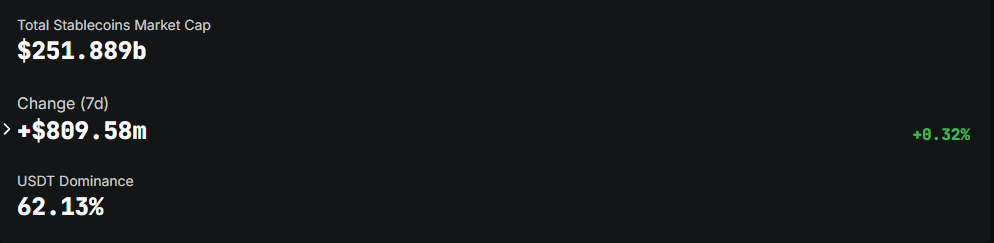
- Market dominance: USDT remains the largest stablecoin, with an over $150bn market cap.
- Reserve transparency pressure: Historically, Tether faced scrutiny over reserve composition. The GENIUS Act’s mandate for independent audits and full-reserve backing compels Tether to strengthen transparency. In turn, that can bolster confidence among wary users and counterparties.
- Network effects: Given its ubiquity across blockchains, USDT stands to benefit from clearer rules – exchanges and DeFi platforms gain legal comfort in maintaining USDT liquidity pools when regulatory guardrails exist.
If Tether meets the new audit/reserve standards, it can solidify its dominant position; failure to comply could shrink its market share in favor of more transparent issuers.
3. Pax Dollar (USDP)
- Regulated issuer: Pax Dollar (formerly Paxos Standard) is issued by a New York–regulated trust, with regular attestations. That infrastructure closely matches GENIUS Act requirements for licensing, reserve audits, and consumer protections.
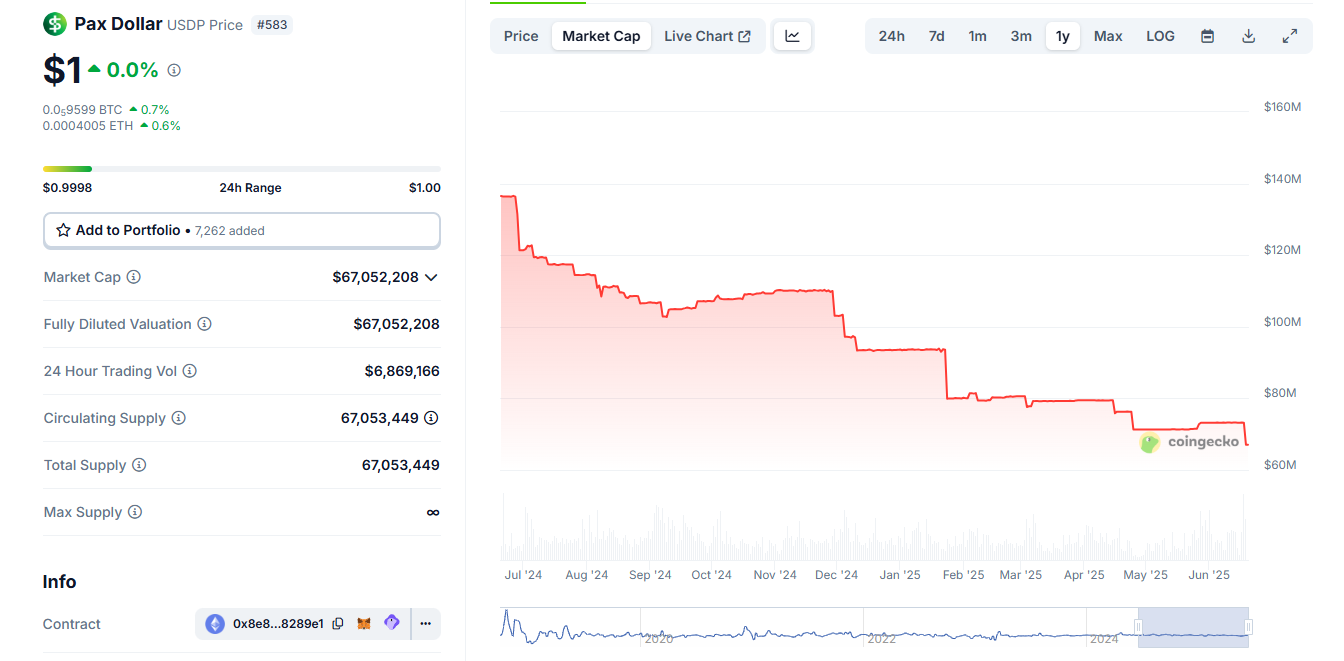
- Smaller but focused: Though its market cap is smaller than USDC/USDT, USDP’s compliance-first model positions it to onboard institutional partners seeking fully regulated stablecoins.
- Strategic advantage: As larger issuers adapt to new rules, Paxos may leverage its established regulatory relationships to win issuance or custody mandates for other firms.
Under a clear regime, Pax Dollar can market itself as a stablecoin designed for immediate compliance, attracting institutions hesitant about regulatory risk.
4. Gemini Dollar (GUSD)
- Regulatory foundation: Issued by Gemini Trust Company under New York DFS supervision, GUSD already meets stringent custody and reserve-audit requirements.
- Consumer trust: GENIUS Act’s consumer safeguards (e.g., real-time notifications, redemption clarity) align with Gemini’s emphasis on user protections. This alignment can strengthen GUSD’s appeal to cautious users.
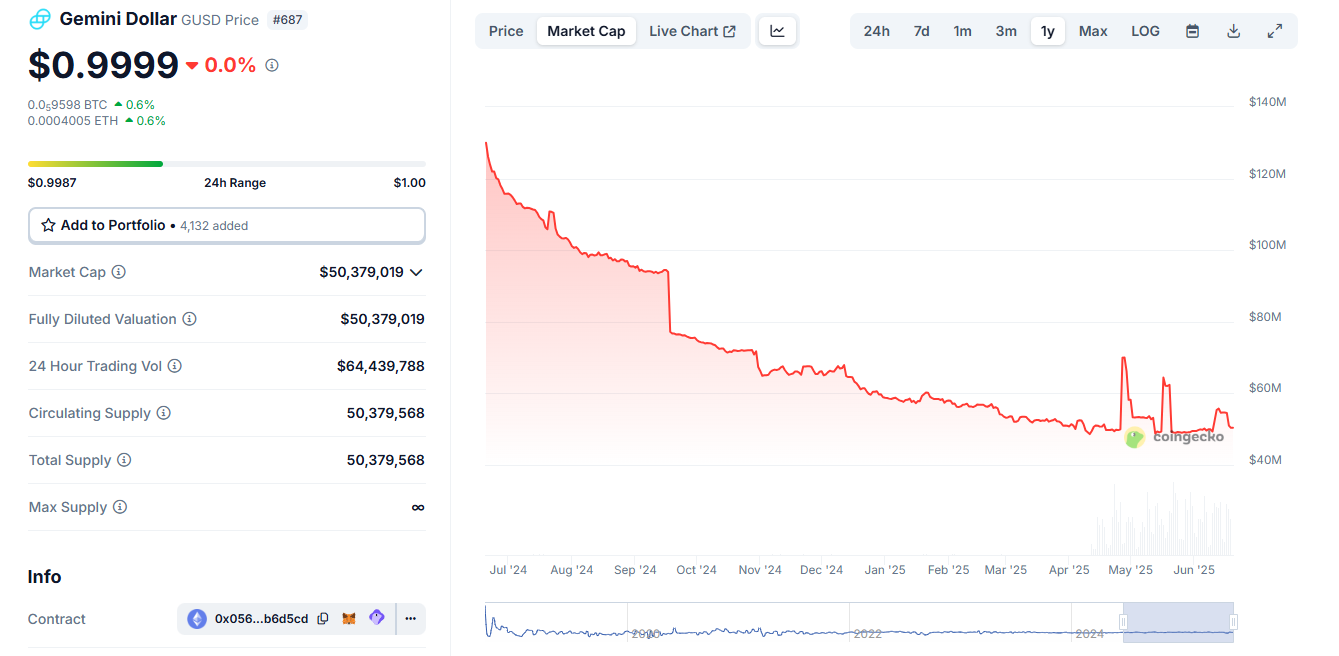
- Competitive niche: While GUSD’s volume is smaller, clear US rules can enable partnerships (e.g., payment processors or fintechs) preferring a fully regulated stablecoin.
With formal federal guidelines, GUSD can more easily negotiate integrations and marketing to US institutions and platforms.
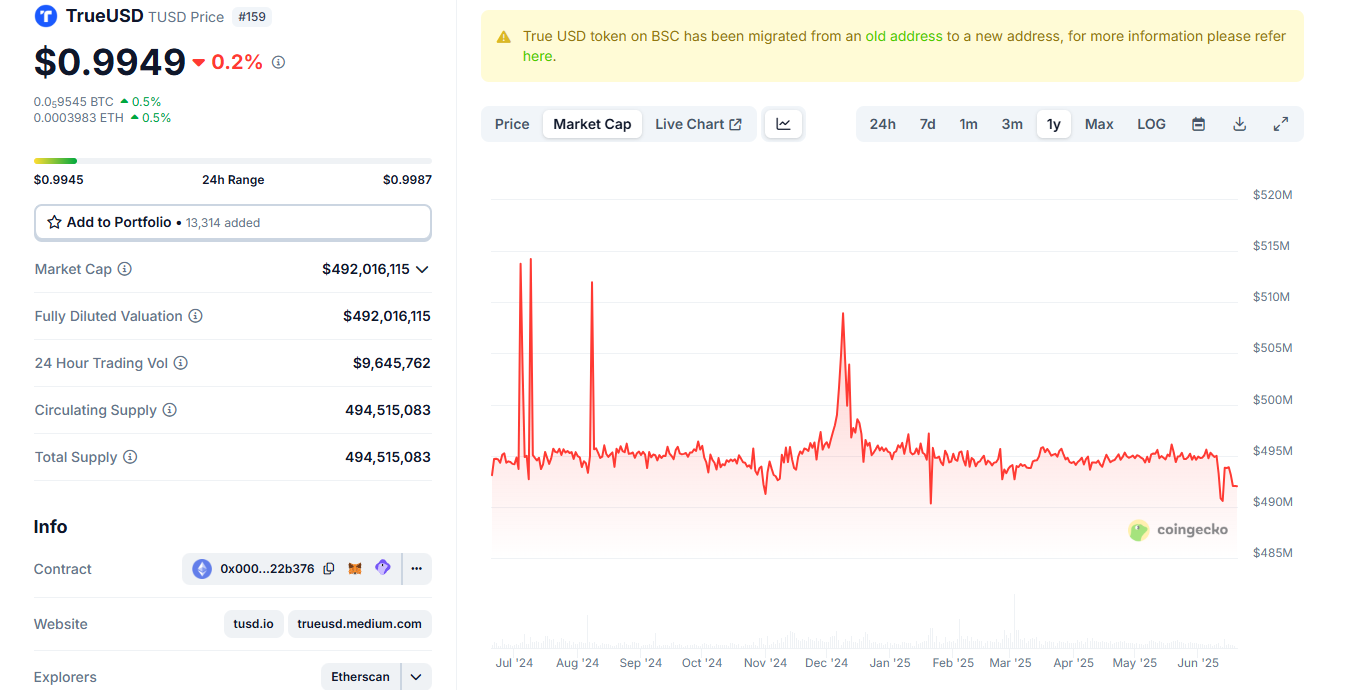
5. TrueUSD (TUSD)
- Attestation focus: TrueUSD emphasizes monthly attestations of USD reserves held in escrow accounts. The GENIUS Act’s audit/disclosure rules match this model.
- Issuer diversity: As a multi-issuer model (multiple trust companies), TUSD can leverage stable regulatory terms to expand its issuance network under uniform standards.
- DeFi and payments: Clear federal licensing pathways reduce legal friction for payment apps or DeFi protocols integrating TUSD, boosting its utility.
Under prescribed oversight, TUSD’s attestation-based approach gains legitimacy, helping it capture workloads from projects seeking transparent stablecoins.
Why do these stablecoins benefit most?
- Alignment with reserve and audit requirements: The GENIUS Act mandates one-to-one reserves and regular independent audits. Established issuers with existing attestation or audit regimes (Circle, Paxos, Gemini, TrustToken) fit naturally.
- Regulated issuance framework: Entities already holding or seeking state/federal licences can transition smoothly. Smaller or offshore issuers without US licensing would face higher barriers.
- Institutional confidence: Banks and fintechs prefer well-known, regulated stablecoins. Clarity reduces legal risk when integrating these tokens into payments, remittances, or investment products.
- Network effects and liquidity: Large-cap coins like USDC and USDT benefit from entrenched liquidity pools; clear rules help maintain those pools in regulated markets.
- Competitive differentiation: Compliance-focused coins (USDP, GUSD, TUSD) can market themselves as ‘built for the GENIUS Act era’, attracting projects needing guaranteed regulatory alignment.
Notable caveats
Stablecoins like DAI (crypto-backed) or algorithmic models may struggle, as GENIUS targets fiat-backed payment stablecoins. They could explore hybrid reserve models or partner with regulated entities to comply.
Clear rules raise entry costs (capital, audits). Emerging issuers must evaluate if they can meet requirements before launching.
Also, US rules don’t automatically apply elsewhere. Issuers operating globally must navigate multiple frameworks.
Bottom line
Stablecoins with established reserve attestation, licensing, and institutional partnerships stand to gain most from GENIUS Act implementation. USDC, USDT (if meeting stricter transparency), Pax Dollar, Gemini Dollar, and TrueUSD exemplify coins positioned to leverage regulatory clarity — enhancing trust, adoption, and integration in the US market.



 Thank you for your feedback! We’re glad you found this article helpful.
 An error occurred while sending the form, please try again.
 We are sorry. You've already sent a message within the last 60 seconds. Please wait before sending another.
 Thank you for letting us know! Our team will review your feedback to help improve our content.
We're sorry you did not find what you were looking for. Please select the reason this article was not helpful.

 You’re in. Thanks for joining our newsletter.
