


 2 min read
Coinbase Launches Wrapped Cardano And Litecoin On Base



 AI Overview
Coinbase launched cbADA and cbLTC — ERC-20 tokens on Base backed 1:1 by ADA and LTC held in Coinbase custody — allowing Cardano and Litecoin holders to use their assets directly in Ethereum-compatible apps on Base without bridging.
- Native usability: Enables ADA and LTC to function as ERC-20s on Base and other EVM apps, removing the need for cross-chain bridges.
- Backed & redeemable: Each token is 1:1 collateralized in Coinbase custody (proof-of-reserves), reducing bridge and counterparty complexity.
- Growth catalyst: Expected to attract cross-chain liquidity and users to Base, supporting TVL growth and broader DeFi activity.
Coinbase has launched two new wrapped tokens — cbADA and cbLTC — on its Ethereum layer-2 network, Base. The move allows users to access Cardano (ADA) and Litecoin (LTC) directly within the Base ecosystem without bridging assets or relying on third-party tools.
Wrapped ADA and LTC go live on Base
According to an official post by Coinbase Assets on 25 June, both cbADA and cbLTC are ERC-20 tokens backed 1:1 by ADA and LTC held in Coinbase custody. This ensures each token is fully collateralized and redeemable for the underlying asset.
ADA and LTC aren’t built on Ethereum, so they can’t interact with Ethereum-based apps directly. By ‘wrapping’ them, Coinbase turns them into ERC-20 tokens — cbADA and cbLTC — making them usable on Base and other Ethereum-compatible platforms.
These additions join other wrapped tokens on Base, including cbBTC, cbETH, cbXRP, and cbDOGE.
According to data from Coinbase’s proof-of-reserves, 2,930,250 cbADA and 11,305 cbLTC are now in circulation. ADA traded around $0.57, and LTC was around $ 85.30 at press time.
What are wrapped tokens?
Wrapped tokens are versions of cryptocurrencies designed to work on other blockchains. Since ADA and LTC operate on their own networks, wrapping them enables use in Ethereum-based ecosystems like Base.
Here’s how it works:
- The original token (like ADA) is locked and held in custody (by Coinbase).
- A 1:1 ERC-20 version (cbADA) is issued on Base.
- Users can trade or interact with the wrapped version across compatible DeFi apps.
Think of it like placing ADA into a vault and getting a digital receipt (cbADA) to use elsewhere.
Wrapped tokens improve asset mobility, reduce bridge risk, and increase liquidity in DeFi.
ERC (Ethereum Request for Comment) is the standard for creating Ethereum-based tokens. ERC-20 is the most common standard, ensuring compatibility with wallets and dApps .
Why this matters
For ADA and LTC holders, this provides a secure and seamless way to use their assets in Ethereum-native environments without bridge delays and third-party risks.
Base has seen steady traction throughout 2025. As of 26 June, data from DeFiLlama shows the total value locked (TVL) on the network has reached $3.438billion.
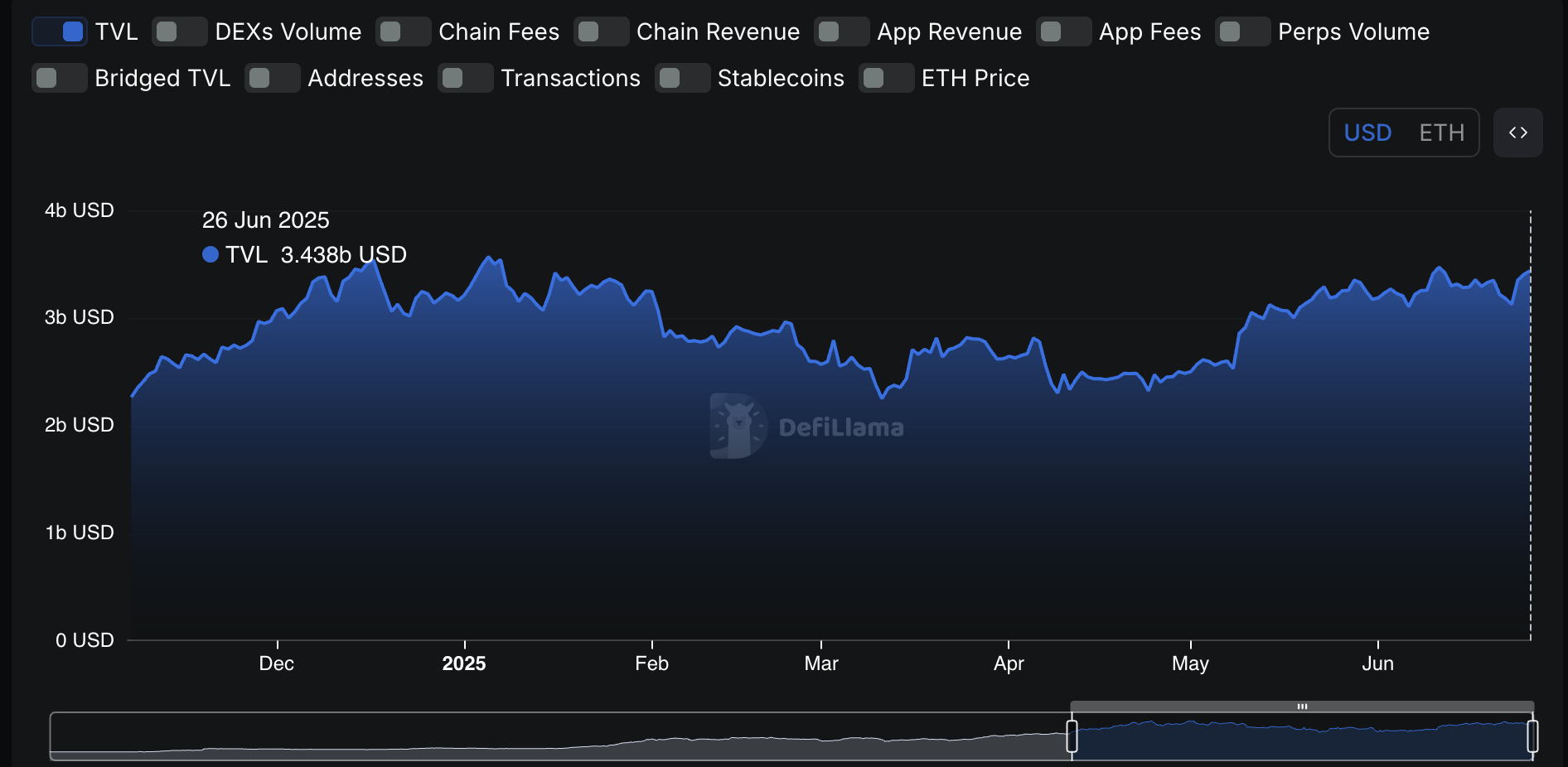
Adding cbADA and cbLTC could draw more users from other ecosystems and help fuel further growth.



 Thank you for your feedback! We’re glad you found this article helpful.
 An error occurred while sending the form, please try again.
 We are sorry. You've already sent a message within the last 60 seconds. Please wait before sending another.
 Thank you for letting us know! Our team will review your feedback to help improve our content.
We're sorry you did not find what you were looking for. Please select the reason this article was not helpful.

 You’re in. Thanks for joining our newsletter.
